
Antique Vanity Boxes
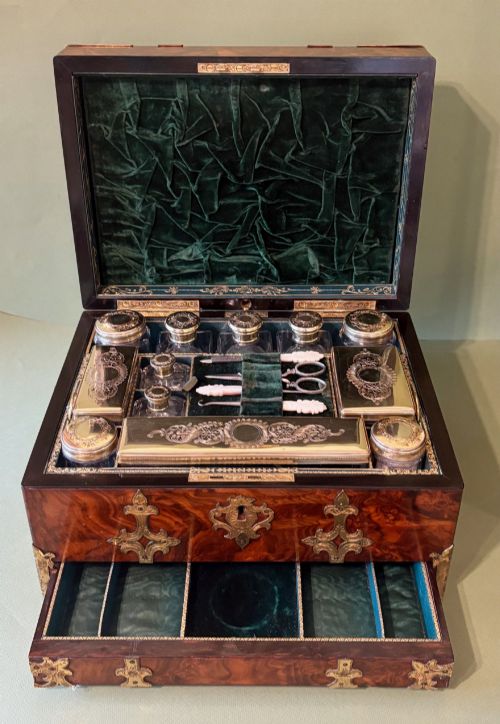
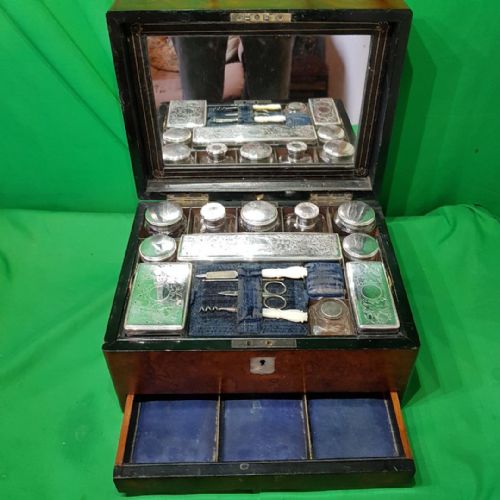
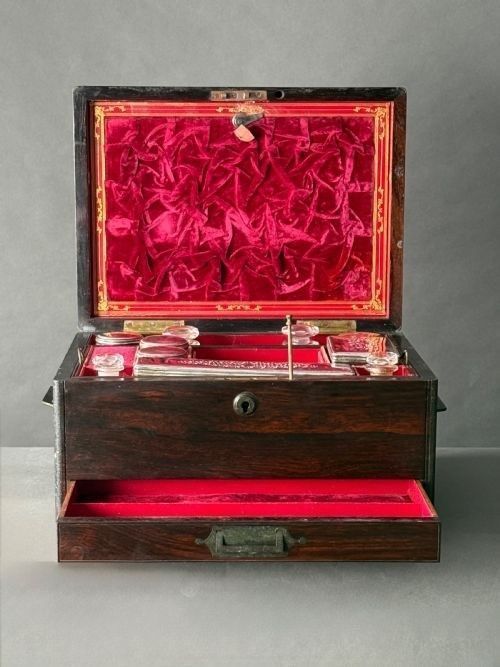
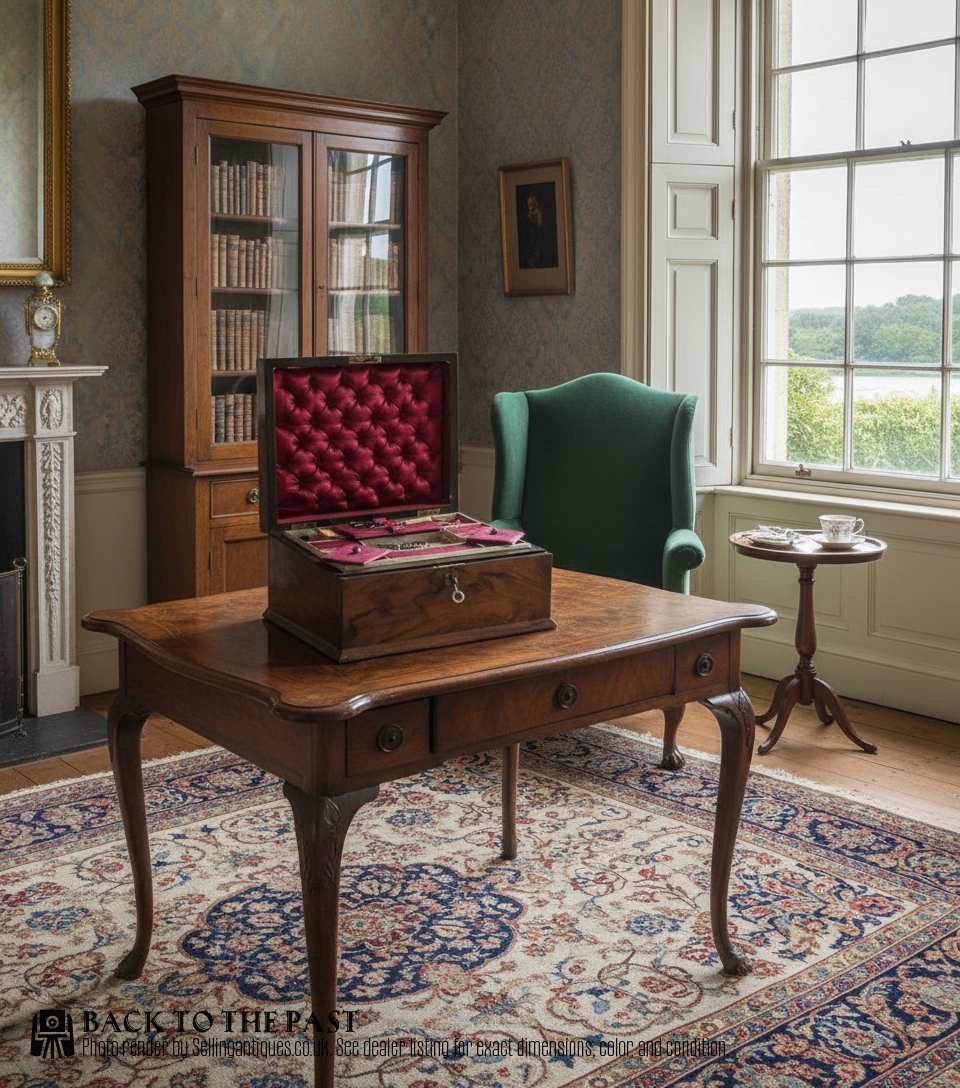
A lidded wooden case fitted with lift-out trays, glass pots and bottles and often a jewellery drawer beneath, made as a portable version of the dressing table.
Antique Vanity Boxes
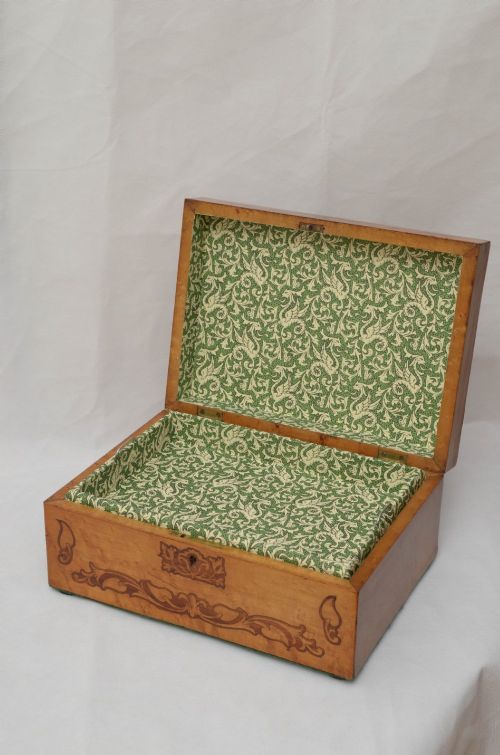
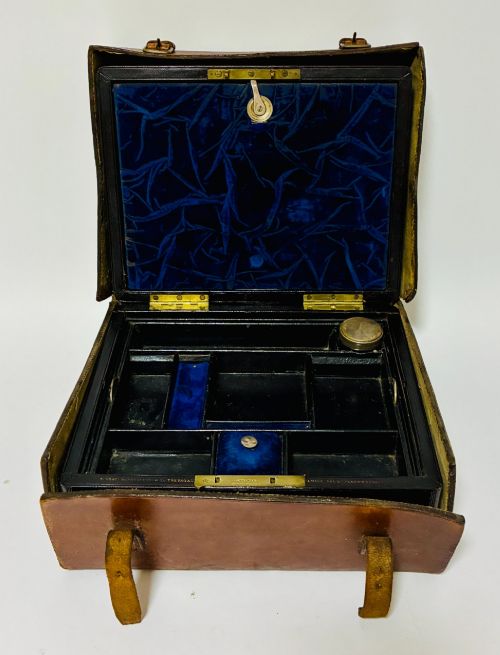
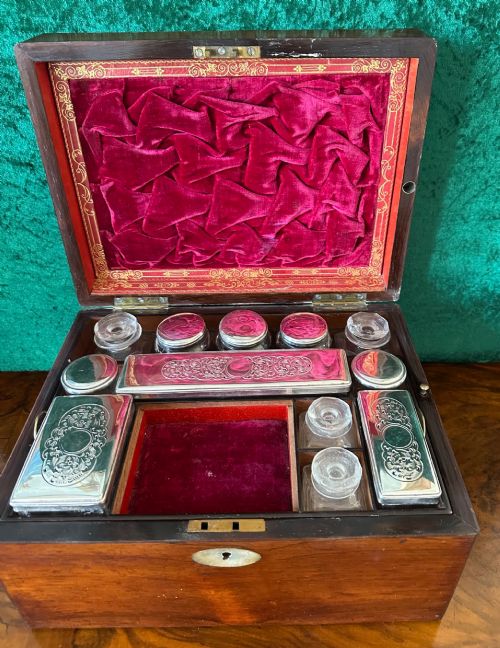
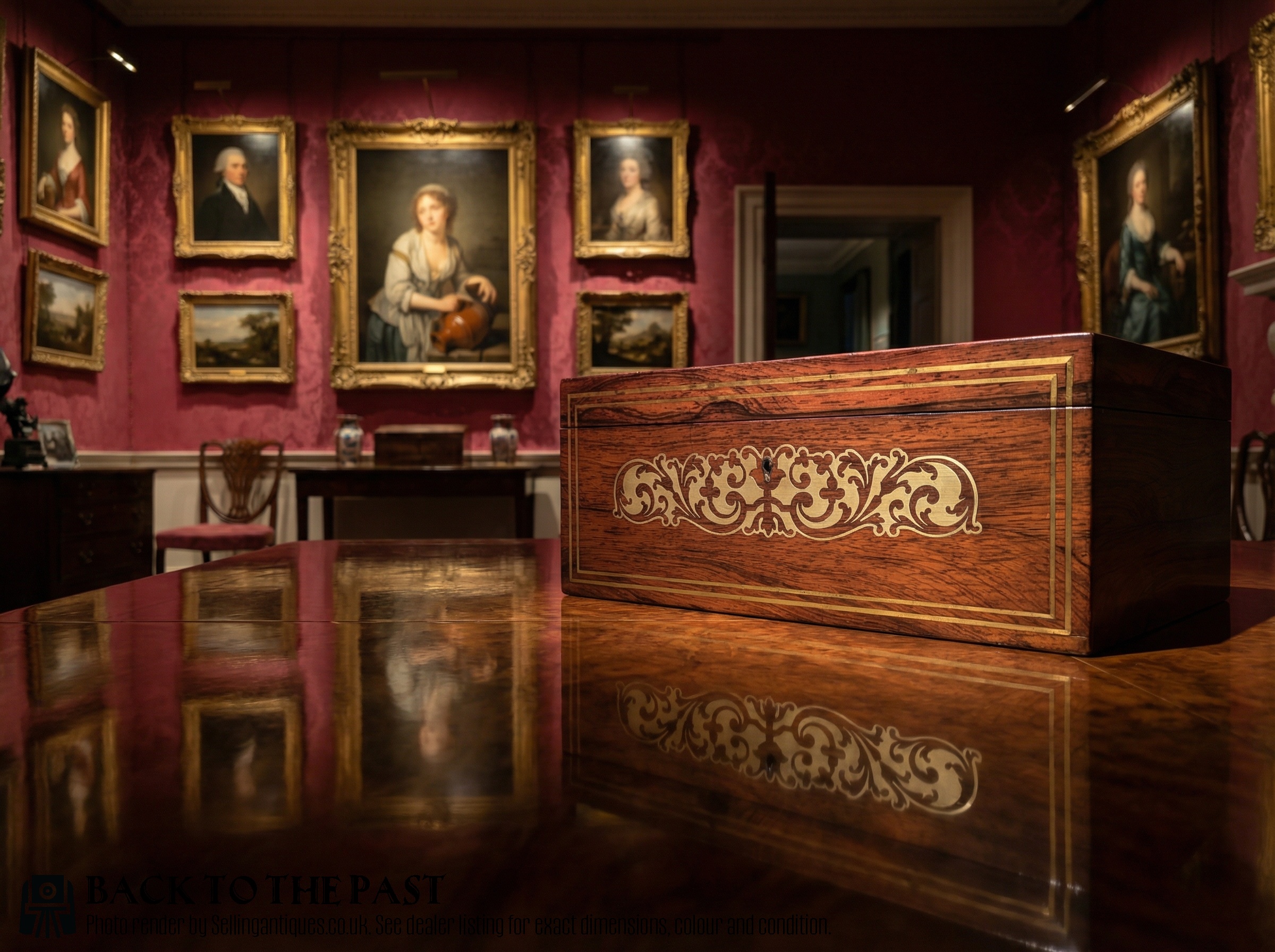
A vanity box is a rectangular lidded case, table- or travel-sized, fitted inside with trays, glass or silver-plated pots and bottles, and commonly a drawer for jewellery underneath. It held scent, creams and powders, brushes and small tools in one lockable case, at home or on the move. Dealers use vanity, dressing, jewellery and travelling box more or less interchangeably, so all four headings turn up over the same kind of object.
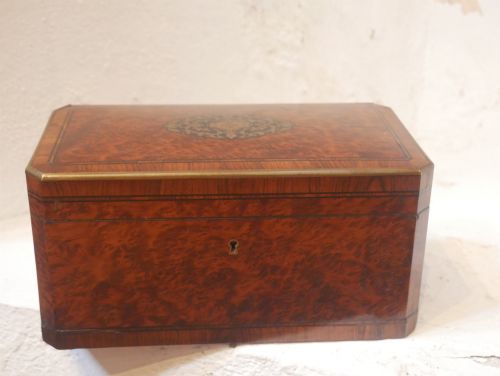
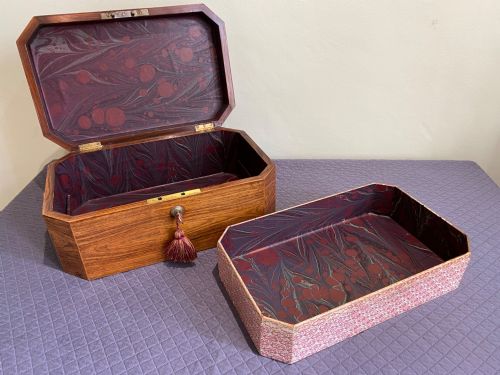
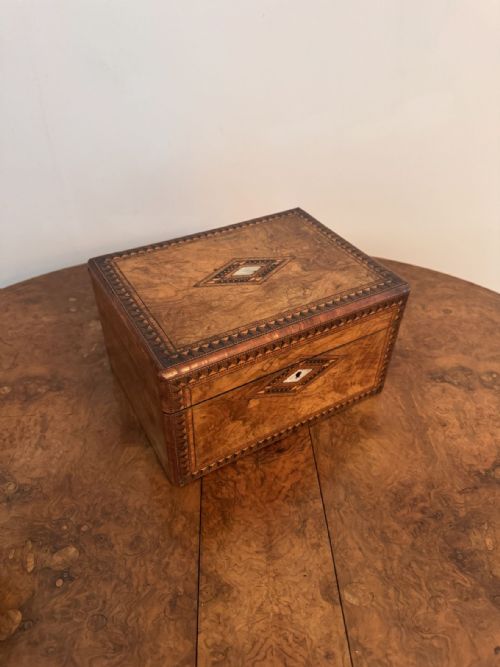
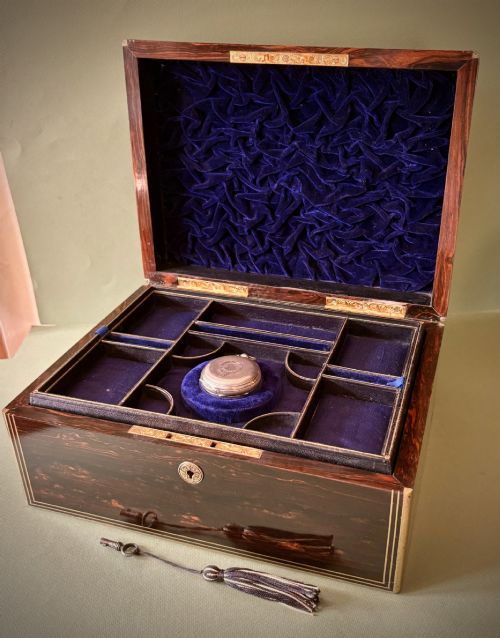
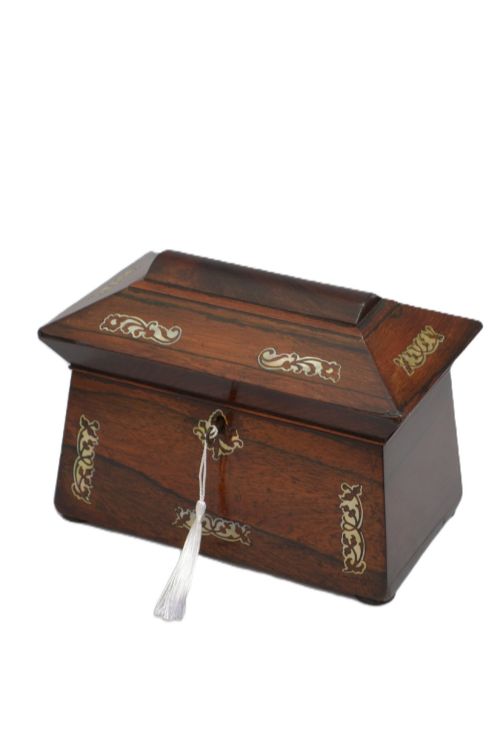
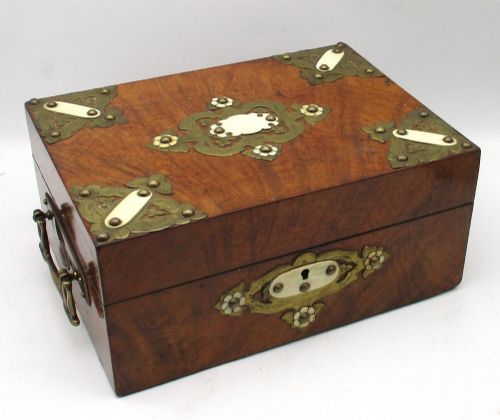
Three timbers carry the category. Rosewood appears in around a quarter of titles, with coromandel and walnut level behind it, and burr walnut accounting for most of that walnut figure. Brass banding or inlay is frequent, and the better boxes add mother-of-pearl stringing or Tunbridge mosaic banding.
The version you are most likely to meet is a Victorian veneered dressing box with a fitted interior. Victorian appears in more than a third of titles, and where a decade is given the count piles up on the 1860s, the busiest decade in the archive, with the 1870s and 1880s behind. Read Victorian as a sixty-year window rather than a date; a third of listings give only a century, and titles occasionally disagree with their own period tag.
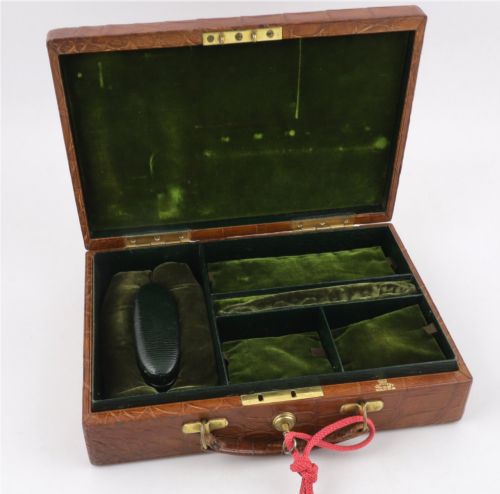
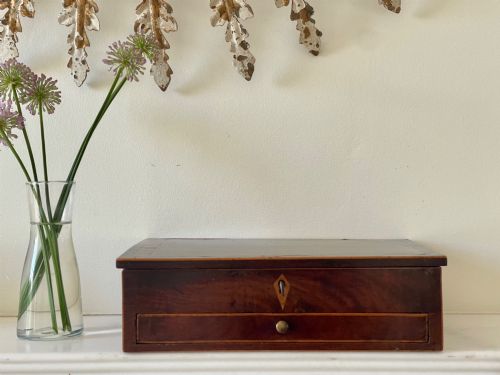
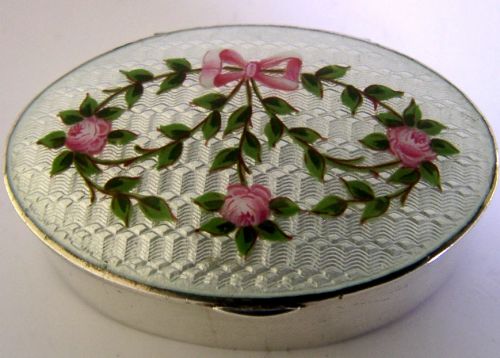
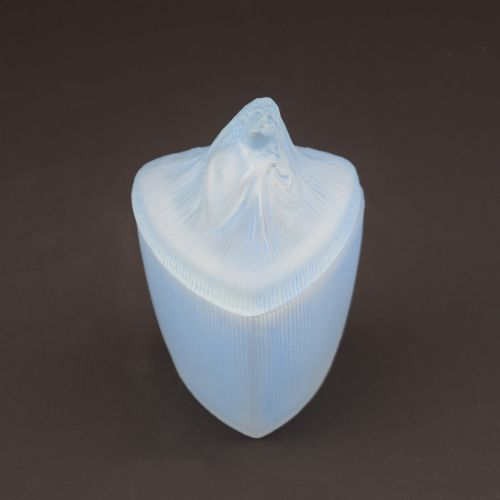
Around the core sit several related strands filed here too. Jewellery boxes, caskets and trinket boxes without wash fittings make up roughly a quarter and are rising in live stock. Sewing, work and needlework boxes are about one in twelve. A visible minority are not timber at all: leather, crocodile and shagreen cases, lacquer, cast brass, enamel, porcelain and hardstone. Gentlemen's boxes form a small strand, including one fitted for studs and cufflinks.
Where The Range Splits
Timber sets the first divide. Coromandel and burr walnut concentrate in the upper half of the range, and brass-bound coromandel travelling boxes with sterling silver fittings hold the top of it. Plain mahogany and small trinket boxes in alabaster, lacquer or rosewood sit at the bottom. Brass banding, mother-of-pearl stringing, Tunbridge work and marquetry all pull a box upward.
Then the interior. Only a fifth of titles say fitted at all, and fewer still say fully fitted, so the wording carries weight when it appears. Titles specifying a complete set of pots and bottles, a four-bottle arrangement, cut crystal or a pull-out drawer sit high in the sampled range; a bare or part-stripped interior sits well below a full one.
The metal on the lids matters as much as the wood around them. Silver-plated tops are the mid-range norm, while sterling silver and silver gilt push a box toward the top. So does a retailer's name with a London street address in the title, though no single name recurs often enough here to be treated as a category name.
Antique Vanity Boxes Retail Price Guide 2026
Typical UK retail prices for vanity boxes, calculated from the Sellingantiques database of over a million retail prices indexed since 2003. This retail price guide relies exclusively on Sellingantiques data; no external sources or auction records are used, so the figures do not describe the wider market.
The highest price of the last year on Sellingantiques went to a 19th century French casket necessaire vanity chest, sold in March 2026.
The Antique Vanity Boxes Glossary
- Fitted, fully fitted
- The interior still carries its set of pots, bottles and trays. Fitted appears in about a fifth of titles and fully in a handful more.
- Coromandel
- A dense dark-striped tropical veneer used on better Victorian boxes, and one of the three woods that carry the category.
- Burr walnut
- Walnut cut from a burr for its swirled figure. It accounts for most of the walnut titles rather than a minority of them.
- Brass bound, brass banded
- Brass strips let into corners and edges for strength and effect, a recurring note on travelling and campaign boxes.
- Dressing case
- Used interchangeably with vanity box in these listings, alongside travelling box, jewellery box and casket.
- Necessaire
- A small fitted case of personal implements. Sarcophagus shape, an outward-tapering early-Victorian profile, turns up in the same wording.
Antique Vanity Boxes: Frequently Asked Questions
What woods were vanity boxes made from?
Rosewood leads, appearing in roughly a quarter of titles on Sellingantiques. Coromandel and walnut follow level with each other, and burr walnut makes up most of the walnut figure.
Mahogany turns up at the plainer end. Beyond timber, the category also holds leather, crocodile and shagreen cases, lacquer, brass, enamel, porcelain and hardstone boxes.
When were most of these boxes made?
The dated field runs from 1800 to 1930, but only 80 of 249 listings give a clean year. The rest carry Victorian or the looser 19th Century.
Where decades are stated they cluster on the middle of the century, the 1860s heaviest of all, then the 1880s and 1870s. Regency and Georgian sit at the early end, the 1910s and 1920s at the late end.
Is a dressing box the same as a vanity box?
In these listings, yes. Dealers use vanity, dressing, jewellery and travelling box for the same kind of fitted case, and dressing appears in a couple of dozen titles with travelling close behind.
Dressing case is the older wording for the same object: a portable version of the dressing table, lockable, with pots and bottles inside.
What does fully fitted mean in a title?
It means the interior still holds its original arrangement of pots, bottles and trays, often with a drawer beneath for jewellery.
Fitted appears in around a fifth of titles and fully in fewer, so it is a specific claim rather than a default description. Titles naming a bottle count or cut crystal sit high in the range.
Why are sewing and jewellery boxes listed here?
Dealers file the whole family of small fitted domestic boxes under one heading. Jewellery boxes, caskets and trinket boxes make up around a quarter of the category and are growing in live stock.
Sewing, work and needlework boxes account for about one in twelve. Glove boxes, shallow and long, most often in burr walnut, appear in the same group.
How often do vanity boxes come up for sale?
Around 27 pieces come to market a year across the category on Sellingantiques, from a pool of ninety-five dealers who have listed one.
That means almost every dealer in the category has handled one and very few have handled several. Odd things pass through once and are not seen again: a Kashmiri turban box, a burr yew combination sewing and paint box, a rose quartz and lapis box.