
Antique Sideboard Dressers
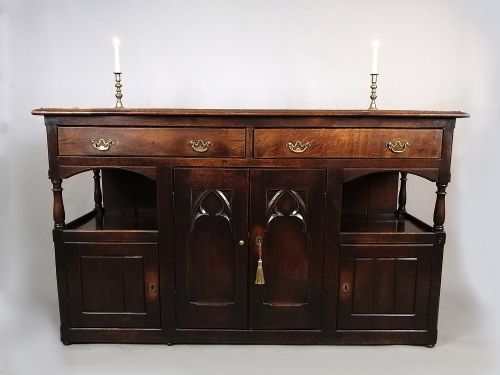
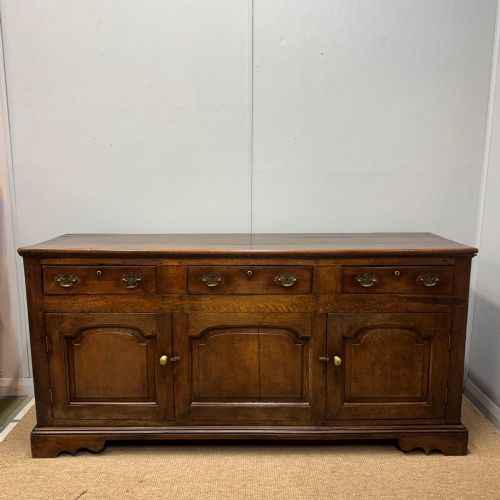
A dresser base is the lower half of a country dresser, a long low case of drawers or cupboards used for storage and for serving food, sold on its own without the shelved rack that once sat above it.
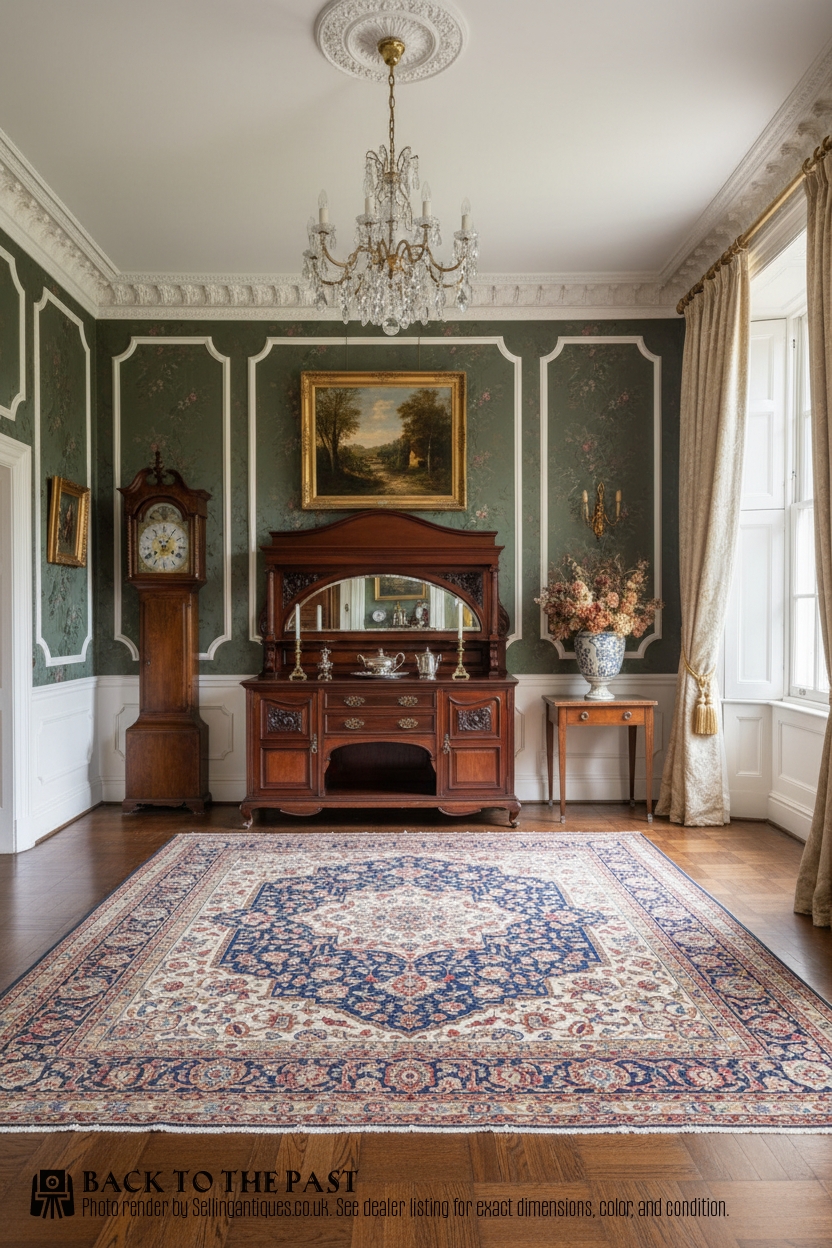
Antique Sideboard Dressers
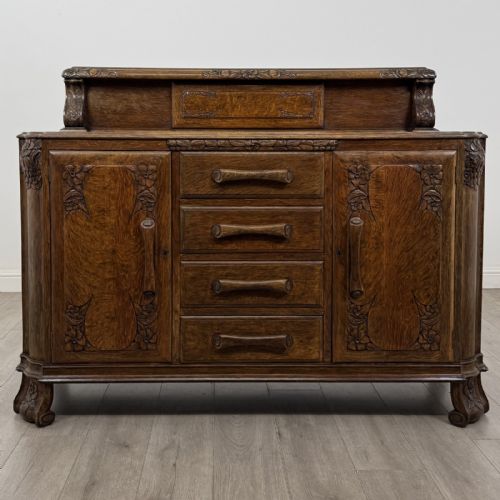
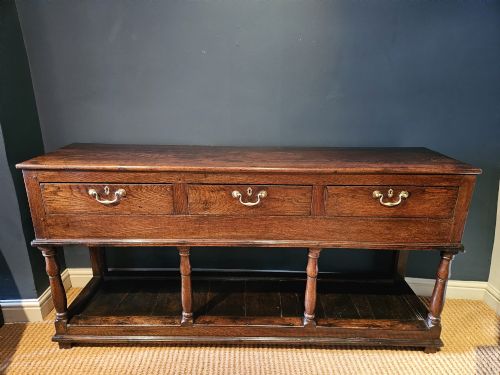
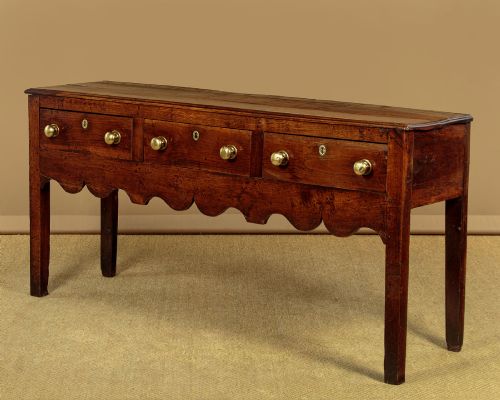
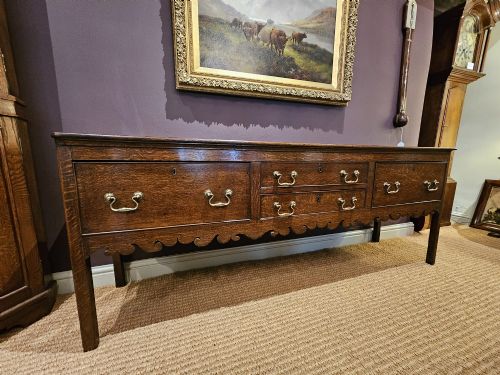
Dressers grew up in British and northern European farmhouses and country houses as combined storage and serving furniture. The lower stage carried the drawers, cupboards or an open pot board for heavy vessels. Plenty of those lower halves lost their upper racks over the years, and have been used and sold since as sideboards or serving tables.
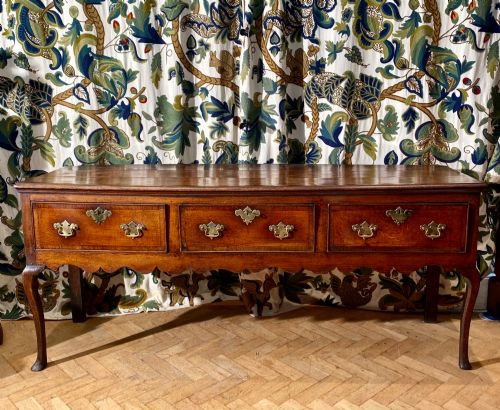
The word "base" appears in 1,902 of the 2,704 titles on Sellingantiques, and oak in 1,628. The piece you are most likely to meet is an oak dresser base of the 18th or early 19th century, English or Welsh, with two or three drawers and open legs. Georgian oak alone accounts for 235 titles.
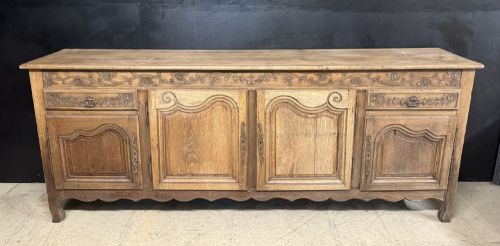
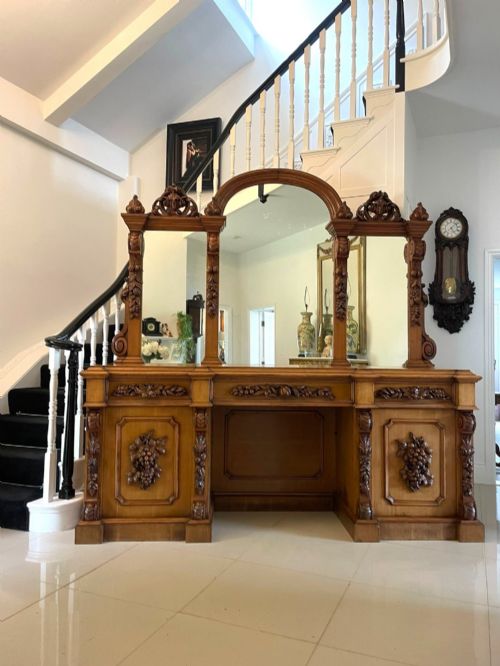
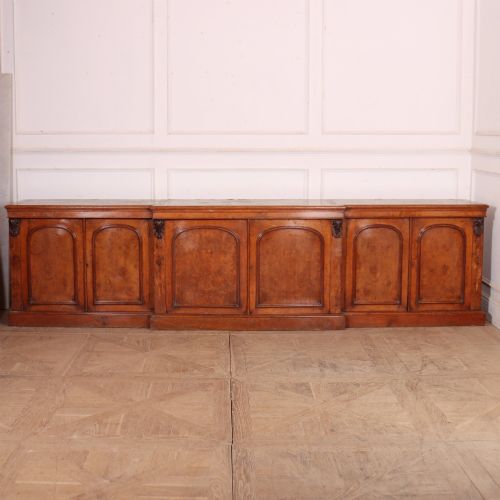
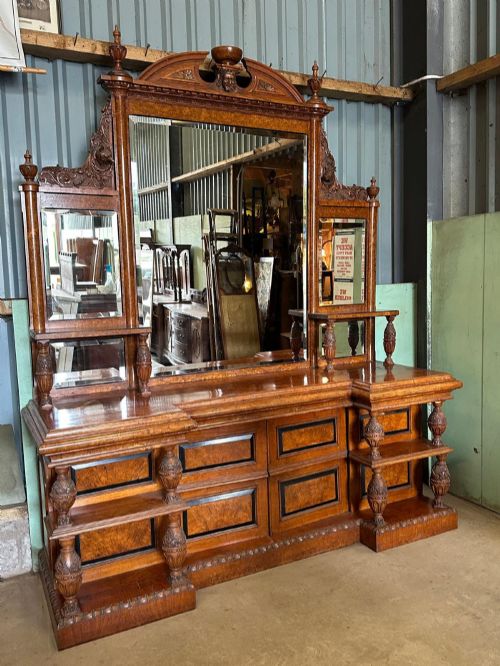
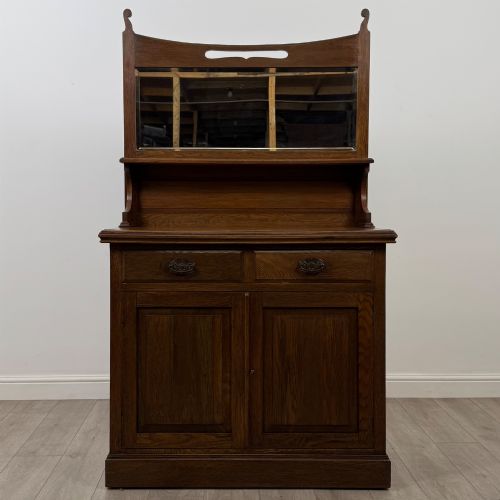
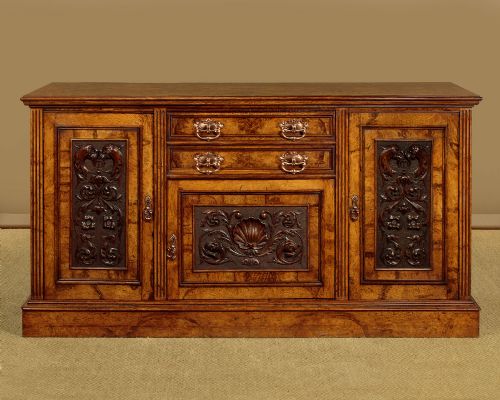
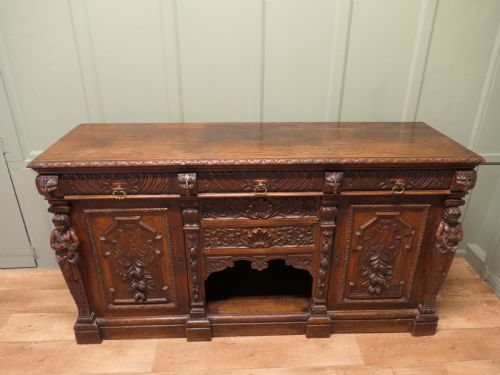
Pine is the large second population, at 274 titles, often painted and often Victorian or 1920s. Beyond that the heading takes in serving dressers and servers, chiffoniers, buffets, side cupboards and mirror-back sideboards, plus French enfilades and the occasional Swedish, Dutch, Flemish, Hungarian or Italian piece.
Dating is mostly by era rather than year. Only 739 listings carry a clean date, and 650 sit under the loose label "18th Century", with Georgian and 19th Century close behind. Read those three as one broad 1700 to 1850 mass. The 17th century tail is thin at 51 listings, and the dated field runs from 1680 to 1940.
Where The Range Sits
The open pot board base is the archive's signature form and sits at the upper end. Pot board and potboard together account for 240 titles, most of them Georgian oak, and they sit well above the pine bases and the enclosed cupboard bases. An open underframe with legs and a low shelf reads as earlier, more architectural furniture than a plain closed front.
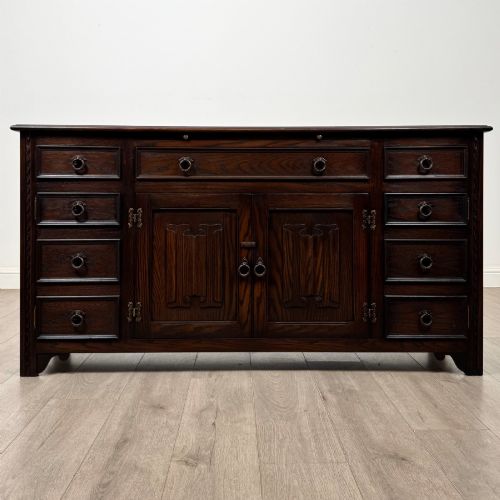
Date and region both count. The 17th-century pieces and the 1680 to 1700 dated tail hold the top of the sampled range, while 1920s and 1930s oak in period styles sits low. Regional naming is unusually specific for country furniture: Welsh leads with 172 titles, and single pieces are placed to the Conwy Valley, Anglesey, Montgomeryshire, the Yorkshire Dales, Westmorland, Cumberland, Herefordshire, Cheshire and the West Country.
Timber and surface do the rest. Oak crossbanded in mahogany, burr and pollard oak, yew, sycamore tops, inlay and geometric-moulded fronts appear among the higher pieces; plain pine gathers at the bottom. Within the painted group, 236 titles in all, original paint rather than later decoration is the note that recurs at the better end.
Antique Sideboard Dressers Retail Price Guide 2026
Typical UK retail prices for sideboard dressers, calculated from the Sellingantiques database of over a million retail prices indexed since 2003. This retail price guide relies exclusively on Sellingantiques data; no external sources or auction records are used, so the figures do not describe the wider market.
18th Century is the period label used most on Sellingantiques for these, with Georgian next and 19th Century third.
The Antique Sideboard Dressers Glossary
- Dresser base
- The lower stage of a dresser, sold on its own, with or without its original rack. Complete dressers with racks are barely represented under this heading.
- Pot board
- The low flat shelf joining the front legs, meant for pots and heavy dishes. Also written potboard, and both spellings turn up in roughly equal numbers.
- Open base
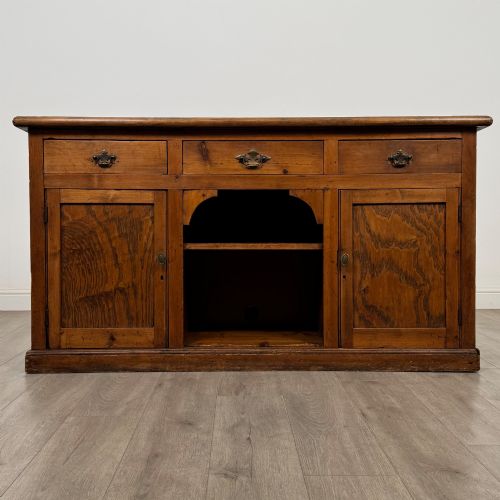
- Legs and pot board visible beneath the drawers, as opposed to an enclosed cupboard underframe with panelled doors.
- Serving dresser, or server
- A low dresser base intended for serving, usually without a rack. Serving and server between them name about 140 titles.
- Enfilade
- A long low French buffet with a run of doors, the form behind most of the 72 French titles.
- Dog kennel dresser
- A base with a recessed open arch between two cupboards. Two examples appear in the samples, alongside a dairy dresser and a housekeeper's cabinet.
Antique Sideboard Dressers: Frequently Asked Questions
Why are so many dressers sold without their tops?
The dresser was originally a two-stage piece: a lower case of drawers or cupboards, and a shelved rack above it for display. Many racks were separated from their bases over the course of two or three centuries.
What survives and sells is the base. Only a couple of titles on Sellingantiques mention a rack or gallery back at all, and one is offered explicitly with or without its top.
What timber are they usually made from?
Oak dominates, with 1,628 titles naming it, and pine follows at 274. Between them they cover the large majority of the category.
The rest is a long tail: mahogany at 91, elm at 70, walnut at 45, then cherry, chestnut, fruitwood, sycamore, ash, rosewood and a single yew-wood piece.
Are Welsh dresser bases a separate thing?
Welsh appears in 172 titles, second only to English at 352, so it is the strongest single regional label in the category. Individual pieces are placed more tightly still, to the Conwy Valley, Anglesey, Montgomeryshire and Tregaron.
A named region tends to sit higher in the range than an unattributed country base. English regions turn up too, including the Yorkshire Dales, Westmorland, Cumberland, Shropshire, Cheshire and Lancashire.
How old are most of these pieces?
The broad 1700 to 1850 span holds most of them. "18th Century" alone covers 650 listings, with Georgian at 504 and 19th Century at 466, and those labels overlap heavily.
Earlier and later groups are much smaller. The 17th century accounts for 51 listings, Victorian for 138 and the 1920s for 109.
What is a pot board for?
It is the low flat shelf running between the front legs of an open base, made to take heavy pots, crocks and serving dishes below the drawers.
It is also the feature that defines the archive's best-known form. Pot board and potboard together name 240 titles, most of them Georgian oak, and they sit at the upper end of the category.
Do continental pieces appear under this heading?
Yes, as a small and steady minority. French leads with 72 titles, mostly enfilade buffets with a run of doors.
Swedish, Italian, Dutch, Flemish, Hungarian, East German and Chinese bases each appear only a handful of times. The one piece furthest from the British country tradition is an 18th-century Italian credenza.