
Antique Metal Urns
A two-handled or baluster vessel of urn form in metal, made for garden and terrace ornament, for mantel and table display, or for serving hot water and tea.

Antique Metal Urns
The heading covers a lot of ground, but two centres dominate. Cast iron garden urns, often raised on plinths or stands, account for around a quarter of the titles and the bulk of what has sold on Sellingantiques. Bronze vases and urns are the other pole, with bronze in more than a third of titles.
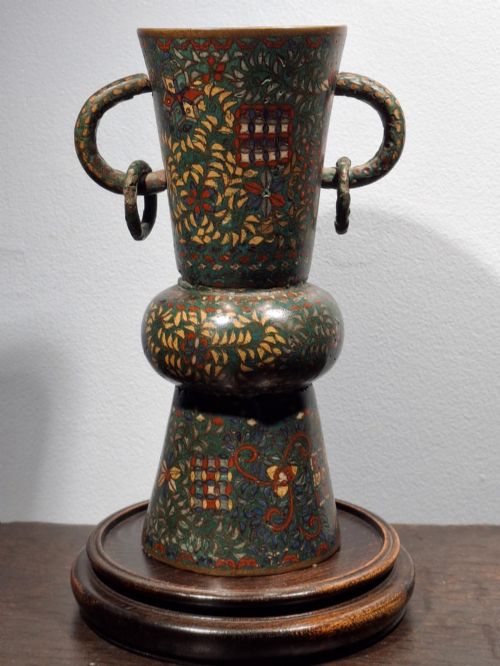
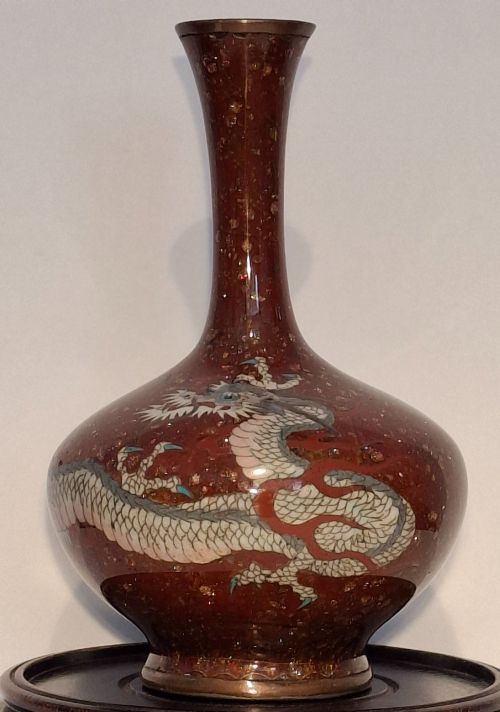
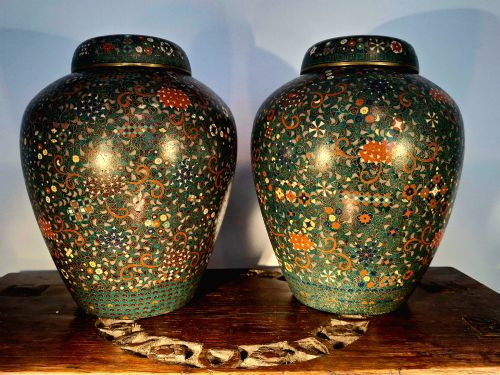
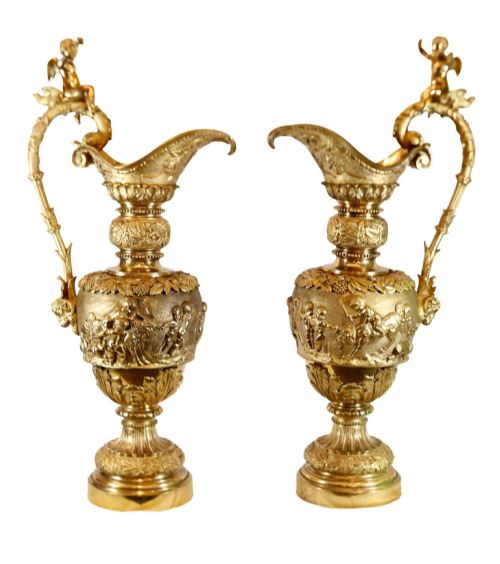
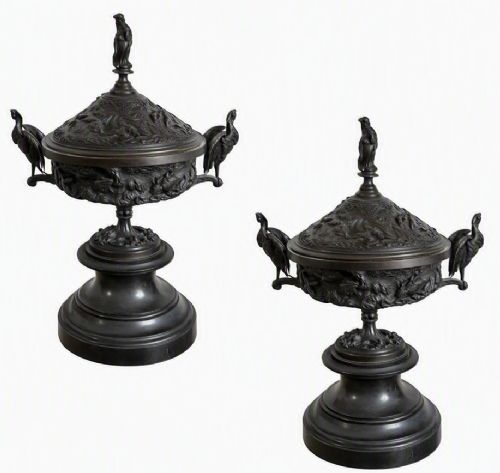
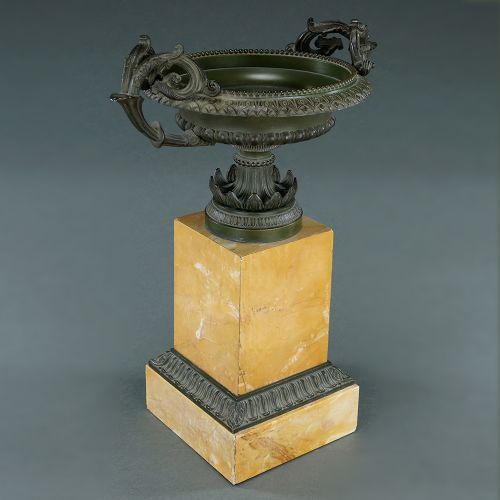
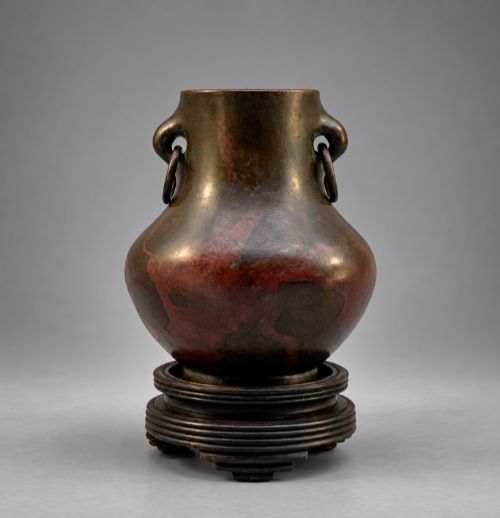
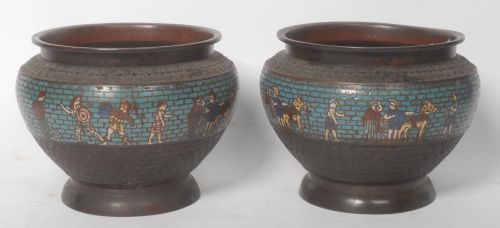
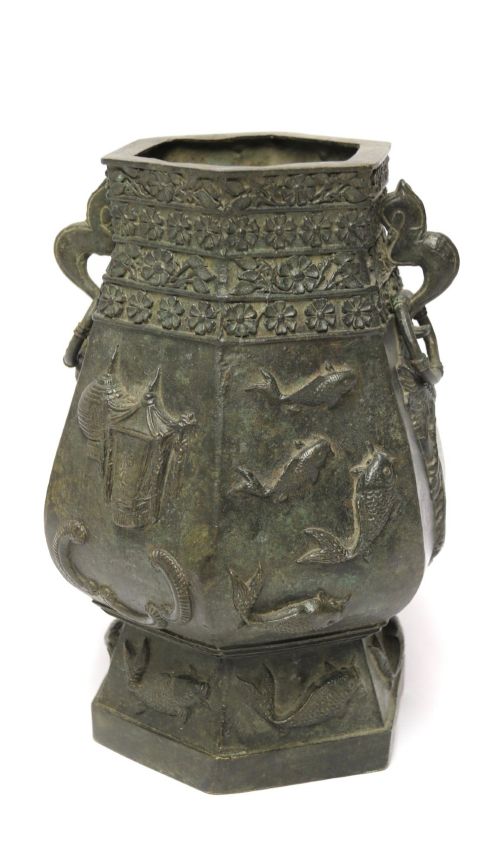
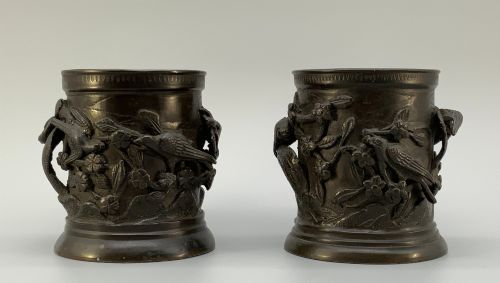
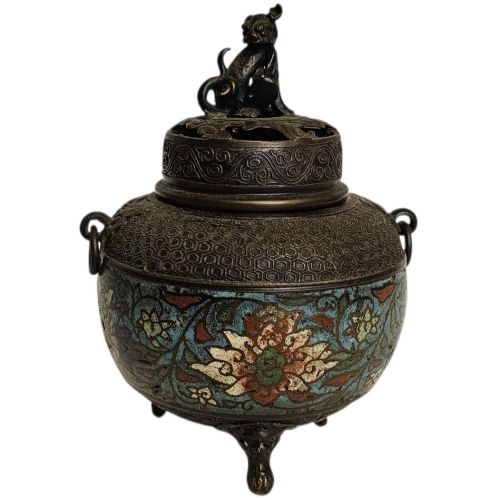
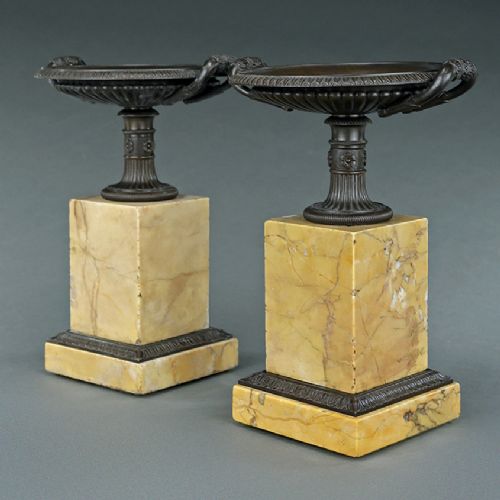
Within the bronze side, Japanese work is the largest single strand, Meiji pieces especially, alongside Chinese bronze and cloisonné. Continental bronze pulls in a different direction: gilt bronze, campana forms, and Grand Tour reductions after classical originals such as the Warwick and Albani vases, with French and Italian pieces recurring.
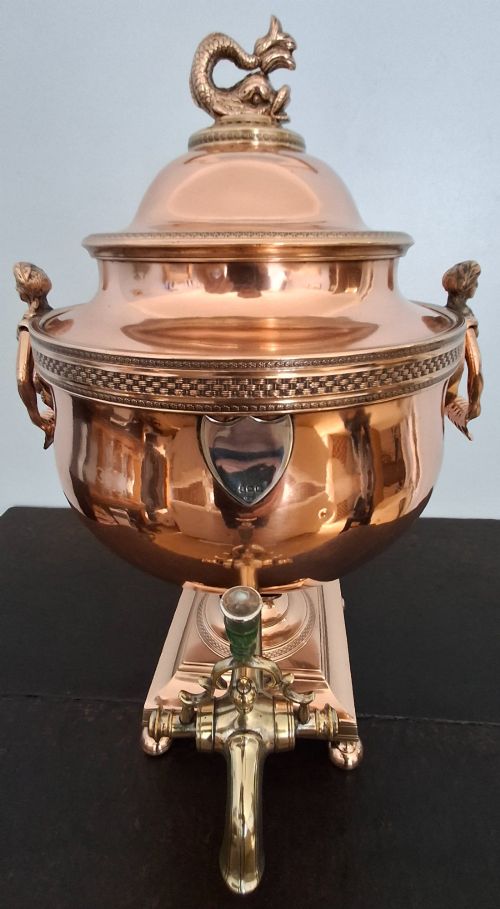
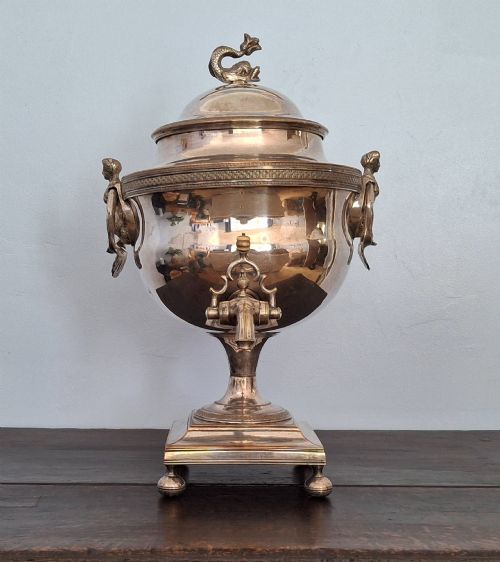
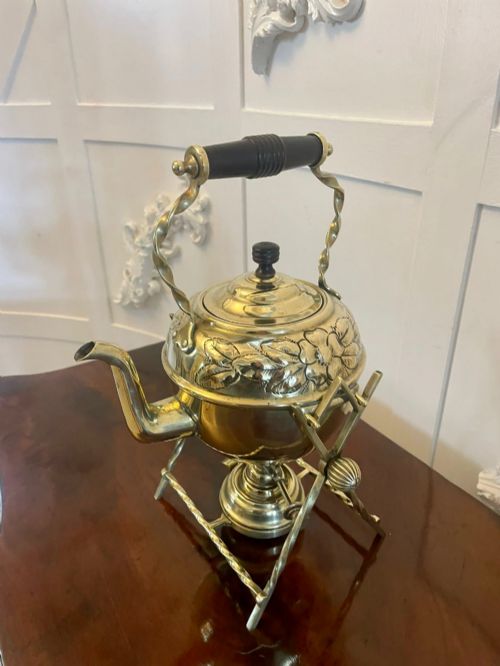
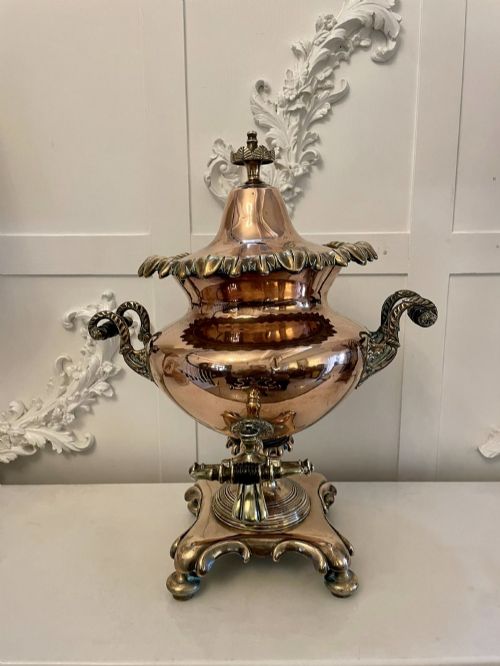
The urn as an ornamental shape comes from classical antiquity and was revived in Europe from the mid-18th century, first as neo-classical decoration and then, once 19th-century iron founding got going, as garden and terrace ornament. Copper and brass tea urns, samovars and kettles carry the functional line, about a tenth of the field. Spelter, lead, marble-mounted and toleware pieces make up a small persistent tail.
You are more likely to meet a pair than a single: 'pair' appears in 254 titles, and the share is higher again across the sold archive. Dates run 1800 to 1940 in the dealers' own field, though '19th Century' is the commonest label given, with 'Victorian' and 'Regency' used the same broad way. Where decades are stated they cluster from the 1850s to the 1900s.
Where The Range Widens
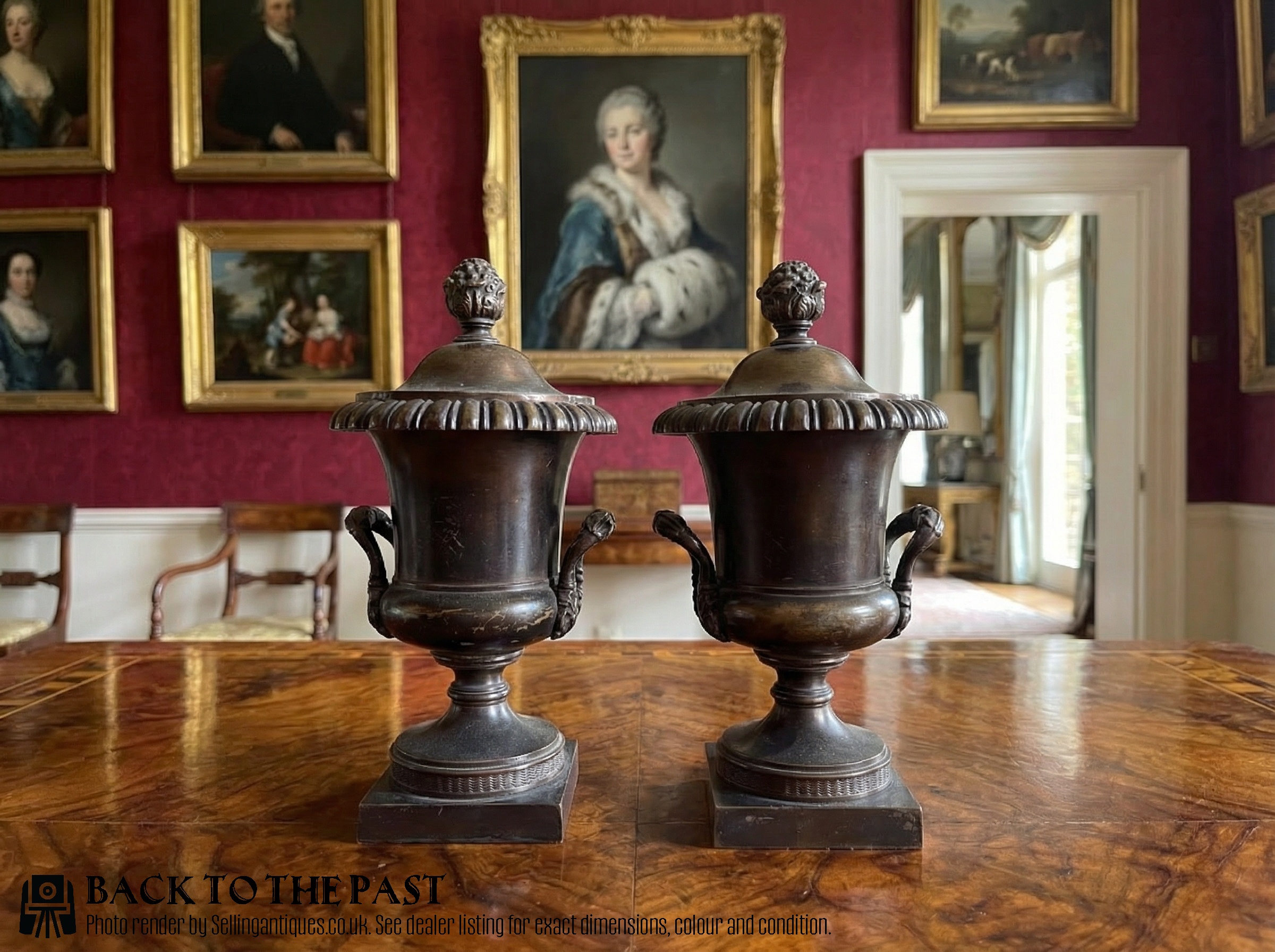
Number counts more here than in most metalware. Pairs sit above singles, and the sets that turn up, trios, sets of four, one of five and one of six garden urns, sit at the top end. The single urn is the minority proposition rather than the standard one.
Scale then does the rest. 'Large' appears in 121 titles, and the extremes are wide: miniature Georgian chestnut urns and small brass vases at one end, against a 91cm pair of cloisonné palace vases, a 72cm enamel vase and a monumental Japanese garden temple vase at the other. Retaining the original plinth, stand, marble base or stone pedestal keeps a garden urn in the upper part of the range.
Surface separates the rest. Gilding, ormolu, silvering, two-tone gilt bronze and marble mounts read at the top; painted and distressed-paint cast iron sits lower. A name helps where it appears at all, whether a signed Japanese bronze, a named foundry model, or the one presentation pair dated 1903 against a field where the date given is usually just the century.
Antique Metal Urns Retail Price Guide 2026
Typical UK retail prices for metal urns, calculated from the Sellingantiques database of over a million retail prices indexed since 2003. This retail price guide relies exclusively on Sellingantiques data; no external sources or auction records are used, so the figures do not describe the wider market.
19th Century is the period label used most on Sellingantiques for metal urns, with Victorian next and 1900s third.
The Antique Metal Urns Glossary
- Campana
- A bell-shaped urn on a stem, widest at the rim. Used in 28 titles, sometimes spelled campagna, and often paired with Medici or Borghese.
- Plinth
- The separate base or pedestal an urn stands on. Frequently described as original, and it makes a difference to how a garden urn is offered.
- Samovar
- A lidded metal vessel with a tap, for hot water or tea. In 31 titles, commonly copper, and sitting alongside tea urns and kettles.
- Grand Tour
- A souvenir bronze reduction after a classical original. In 45 titles, with the Warwick Vase and the Albani Vase both named more than once.
- Cloisonné
- Enamel held in wire cells on a metal body, in 18 titles. Champlevé, its neighbour in the vocabulary, sets the enamel into recesses cut in the metal itself.
- Spelter
- Zinc alloy cast as a cheaper substitute for bronze. Turns up painted, and belongs to the smaller tail of the category rather than its centre.
Antique Metal Urns: Frequently Asked Questions
Are metal urns usually sold in pairs?
Commonly, yes. 'Pair' appears in 254 titles, close to half of them, and the share across everything sold on Sellingantiques is higher still.
Sets beyond two do appear: trios, sets of four, one set of five and one set of six garden urns. Those sit at the top end of the range.
What metals do these urns come in?
Bronze leads, in more than a third of titles, followed by cast iron. Copper and brass carry the tea urns, samovars and kettles.
After that come spelter, lead, silver plate and toleware, plus marble-mounted pieces. Cloisonné and champlevé enamel on metal bodies form their own strand.
How old are cast iron garden urns typically?
The dealers' dated field for the whole category runs 1800 to 1940, and cast iron garden urns belong to the 19th-century iron founding era.
Most date labels are broad. '19th Century' is given on 202 listings, with 'Victorian' and 'Regency' used the same way. Where decades appear they cluster from the 1850s to the 1900s.
What does Meiji mean on a bronze urn?
Meiji is the Japanese period from 1868 to 1912. It appears in 45 titles.
Japanese work is the largest strand within the bronze side of the category, with Japanese in 78 titles and Japanese bronze in 43. Chinese bronze and cloisonné run alongside it.
Which urns are the largest?
The top of the scale is held by a 91cm pair of cloisonné palace vases, a 72cm enamel vase and a single monumental Japanese garden temple vase.
At the other end sit miniature Georgian chestnut urns and small brass vases. Weights are quoted only occasionally, from 3kg Tibetan and Nepalese bronze vases up to an 8kg pair of Japanese bronzes.
Do these come from outside England and France?
Yes. French pieces appear in 72 titles and Italian in 18, but the origins reach further.
Single appearances include Swedish, Dutch, Egyptian Cairoware, Indian Kutch and Raj-period work, Tibetan and Nepalese bronze, and two African Benin ceremonial pots.