



Antique Metal Kitchenalia
Hand-raised and cast metal for the English kitchen and hearth: pans, moulds, ladles, measures and the ironwork that held a pot over the fire.
Antique Metal Kitchenalia
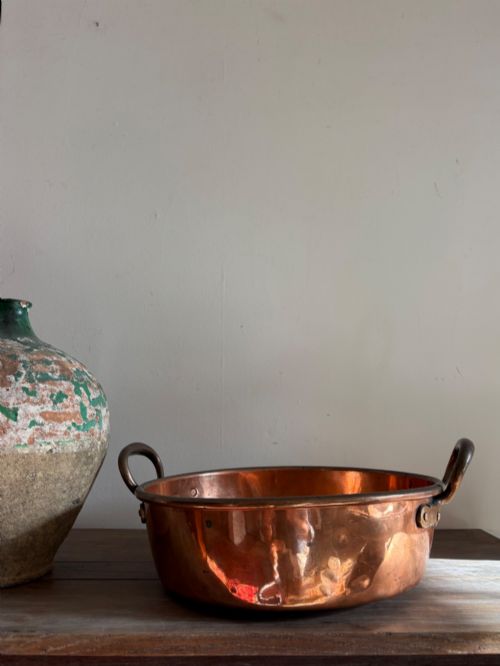
It covers the utensils and vessels that did the work in English domestic kitchens, chiefly copper, with pewter, wrought iron and bronze alongside it. Pans and saucepans, jelly and ice-cream moulds, ladles and skimmers, measures, a pestle and mortar. Small to medium pieces, hand-held or hob-sized, rather than fixed fittings.
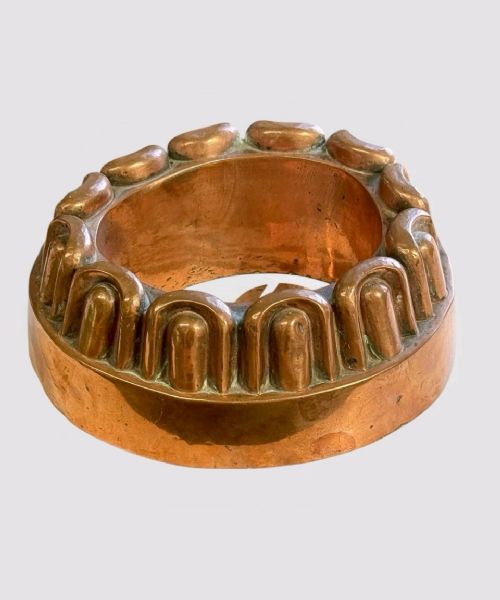
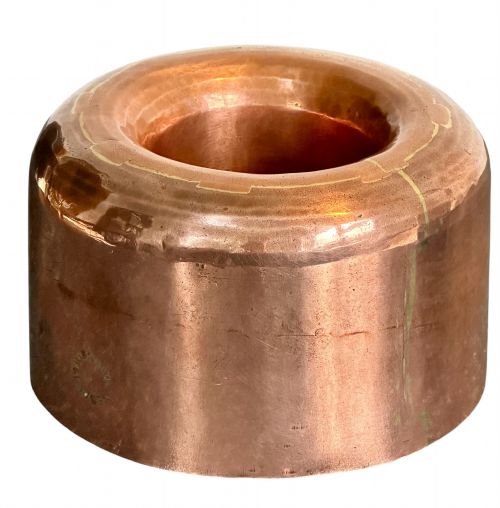
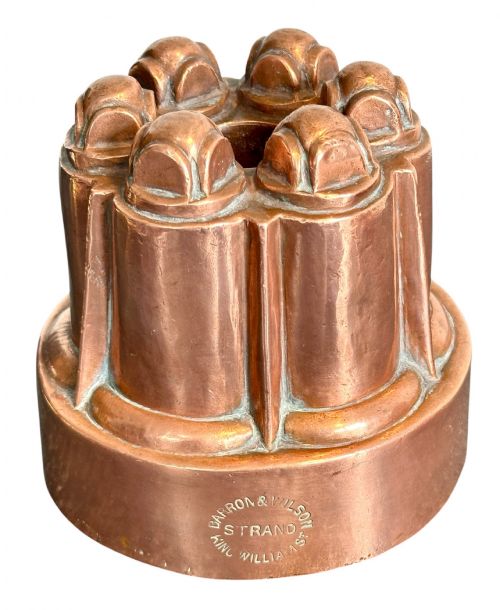
Copper defines the category. It appears in ten of the seventeen titles on Sellingantiques, and within that, moulds and pans lead: four titles name a jelly, kitchen or ice-cream mould, and four name a pan or saucepan. An English copper mould or pan called Victorian or Georgian is what you're most likely to meet.
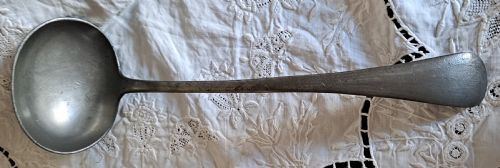
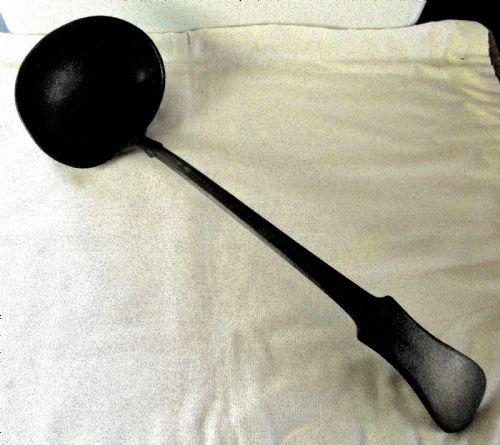
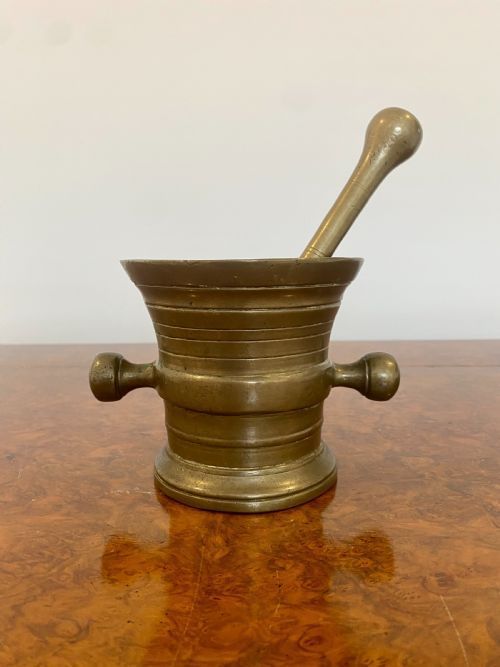
Pewter accounts for a smaller strand of serving and kitchen tools, a sifter and two ladles among them. Wrought iron and hearth equipment turn up twice, including a Georgian meat roasting trammel with a brass and wrought iron pot hanger, the only suspension piece in the run. Bronze also appears twice: a pestle and mortar, and a duck roasting pan doubling as a preserving dish.
Dating is done at century or reign level. '19th Century', '18th Century', 'Georgian', 'Victorian' and '1800s' carry most of the listings; only five give a clean year and three carry no date at all. The dated field spans 1700 to 1880, with one copper coffee pot narrowed to c.1750-70. These forms multiplied as open-hearth cooking gave way to the range and domestic cookery grew more elaborate.
Where The Range Splits
Material sorts the range more than anything else. The bronze duck roasting pan and a pair of copper ice-cream moulds sit at the top, while a single copper pan and a pewter sifter sit at the bottom. Copper's reputation rests on even heat; pewter, iron and bronze earned their place through durability.
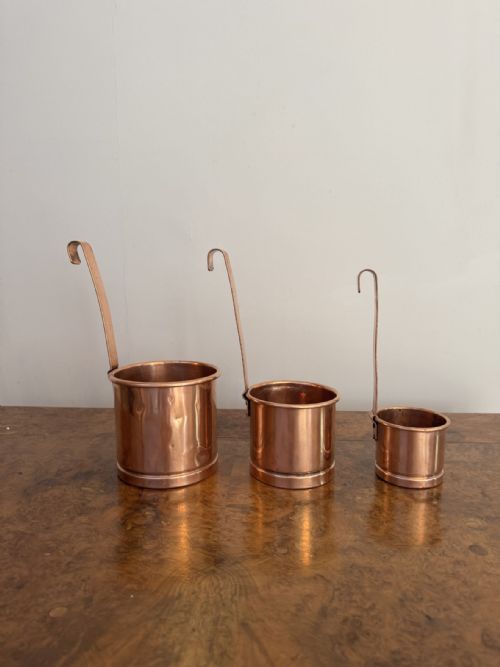
Count matters. A set of three Victorian copper measures and a pair of ice-cream moulds both sit well above the single moulds and pans, and the highest-priced entry in the archive is a pair rather than one object. Named retailer and maker marks pull in the same direction, with marked titles above their unmarked equivalents.
Then there's how specific the piece is. A duck roasting pan, ice-cream moulds and a roasting trammel do better than general pans and moulds, because the form tells you exactly what it was for. Precision of dating works the same way: pieces given a year or a narrow bracket cluster higher than those left as 'Victorian' or undated.
Antique Metal Kitchenalia Retail Price Guide 2026
Typical UK retail prices for metal kitchenalia, calculated from the Sellingantiques database of over a million retail prices indexed since 2003. This retail price guide relies exclusively on Sellingantiques data; no external sources or auction records are used, so the figures do not describe the wider market.
The most expensive antique metal kitchenalia sold on Sellingantiques was an 18th century English copper coffee pot with a turned side handle, in January 2026.
The Antique Metal Kitchenalia Glossary
- Kitchenalia
- Collectors' term for domestic kitchen equipment and utensils. It does the work in five of the titles in this archive.
- Jelly mould
- A shaped vessel for setting jellies and creams. The commonest single form in the category.
- Tin lined
- Interior tinning applied to copper, to keep food off the bare metal. Often noted in copper pan and mould descriptions.
- Trammel
- An adjustable hearth hanger that raises or lowers a pot or spit over the fire. One Georgian example, with a brass and wrought iron pot hanger.
- Basting ladle
- A long-handled ladle for spooning juices over roasting meat. Appears here in pewter.
- O.P
- number. A reference to a published pewter touchmark index, quoted in one ladle title.
Antique Metal Kitchenalia: Frequently Asked Questions
Is copper the main material?
Yes. Copper is named in ten of the seventeen titles on Sellingantiques, so it accounts for the bulk of what comes through.
Pewter, wrought iron and bronze share the remainder between them. Pewter runs to a sifter and two ladles; iron and bronze each appear twice.
What forms come up most often?
Moulds and pans. Four titles name a jelly, kitchen or ice-cream mould, and four name a pan or saucepan.
Beyond those, the archive holds ladles, a skimmer, a set of measures, a coffee pot, a pestle and mortar and a roasting trammel. Single examples, mostly.
How old are these pieces?
The dated field runs from 1700 to 1880. The earliest entry is a group of three early 18th-century iron pieces, one of them a skimmer.
Most listings are dated at century or reign level rather than by year: '19th Century', '18th Century', 'Georgian', 'Victorian', '1800s'. Only five carry a clean year, and three carry no date.
Do sets sell differently from single pieces?
They sit higher in the range. A set of three Victorian copper measures and a pair of copper ice-cream moulds both come in well above the single moulds and pans.
The top of the range in this archive is held by a pair rather than one object, and the only retailer name in the run is attached to it.
Does hearth ironwork turn up?
Rarely. One Georgian meat roasting trammel with a brass and wrought iron pot hanger is the only suspension piece in the whole archive.
Other iron appears as utensils rather than fittings, including a skimmer among an early 18th-century group.
How often do these come to market?
About two pieces a year reach the market on Sellingantiques.
Eleven different dealers have listed one, so the category is spread thin across many hands rather than held by a few specialists.