
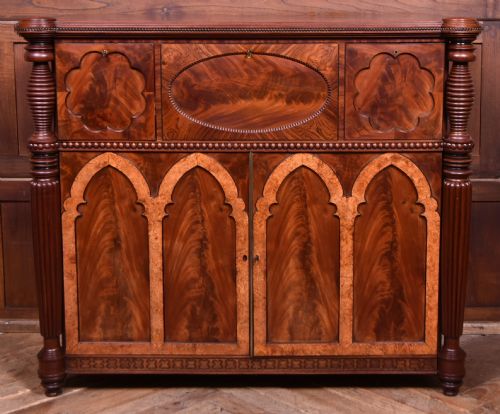
Antique Secretaires
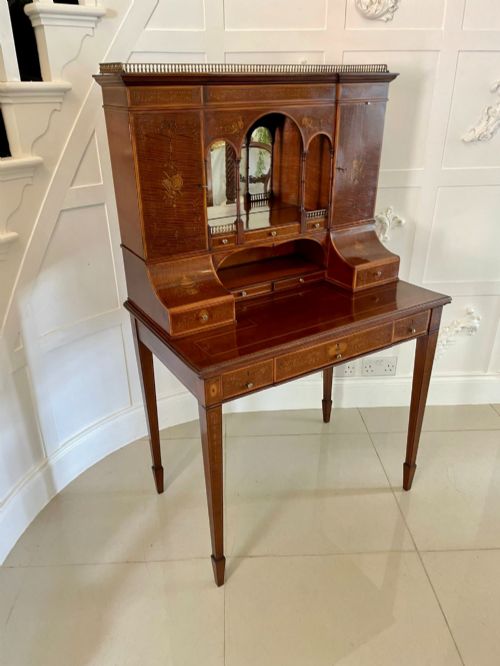
A secretaire is case furniture with a writing desk built into it: a chest, cabinet or bookcase whose front drops open to a writing surface backed by small drawers and pigeonholes.

Antique Secretaires
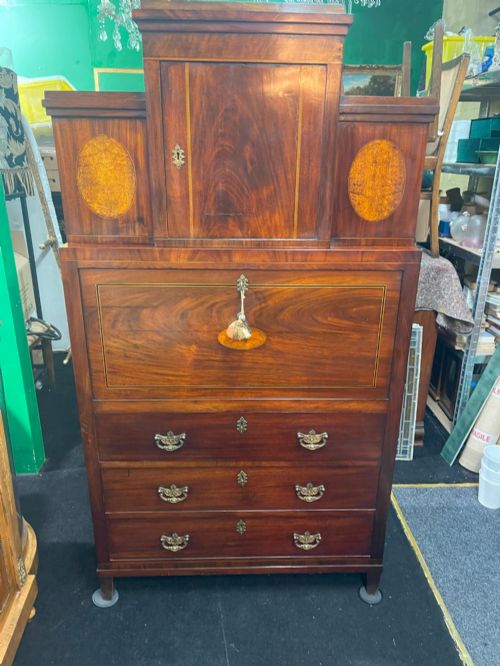
The form developed in Europe from the later 17th century onward, the idea being that a writing surface and its small fittings could be shut away behind a fall or a drawer front. Two shapes came out of that, and both are on Sellingantiques in numbers.
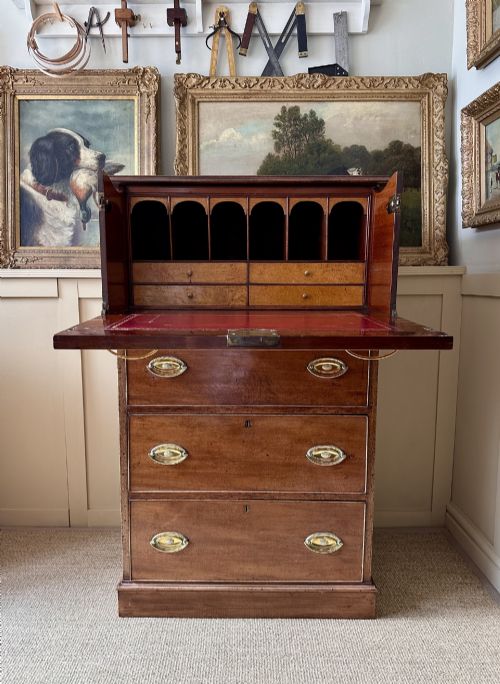
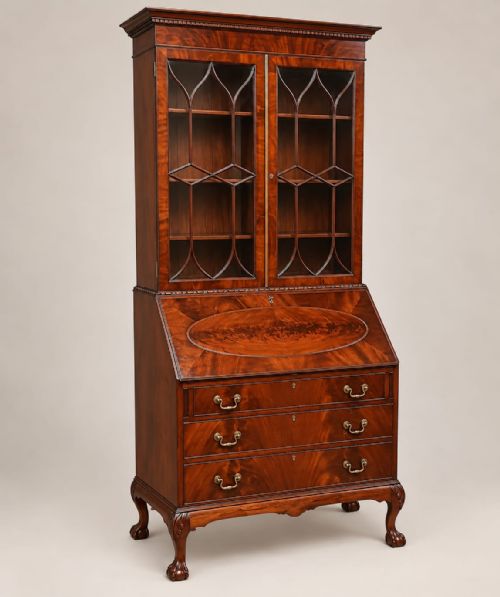
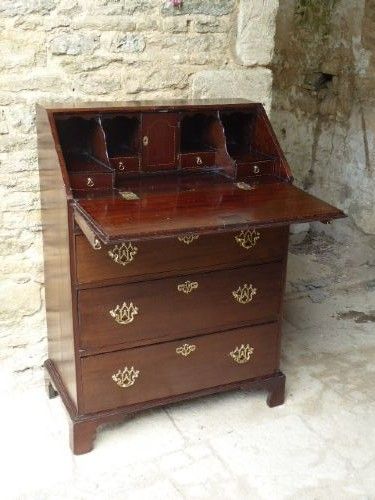
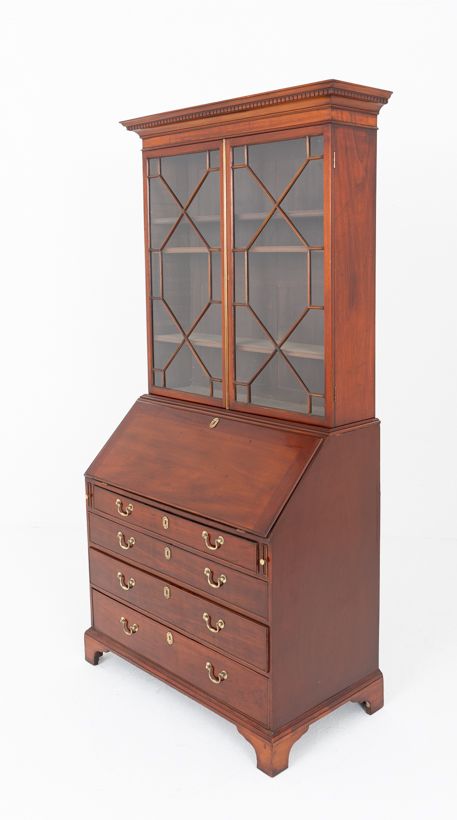
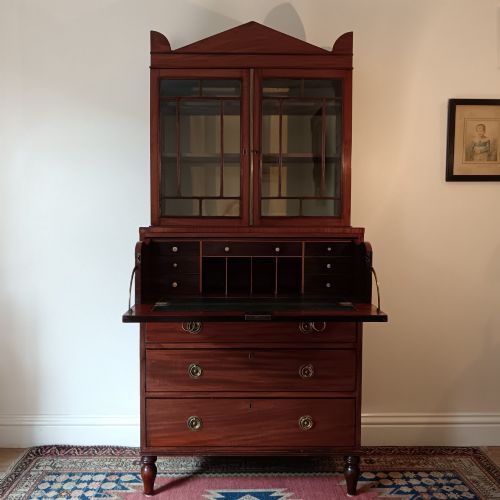
The English one is what a buyer meets most often. A deep top drawer pulls out and drops to make the writing bed, either in a chest of drawers or under a bookcase top. Mahogany runs through it: it appears in 106 of 304 titles, with chest in 68 and bookcase in 55, bureau bookcase in 19 of those. Walnut, rosewood and oak follow well behind.
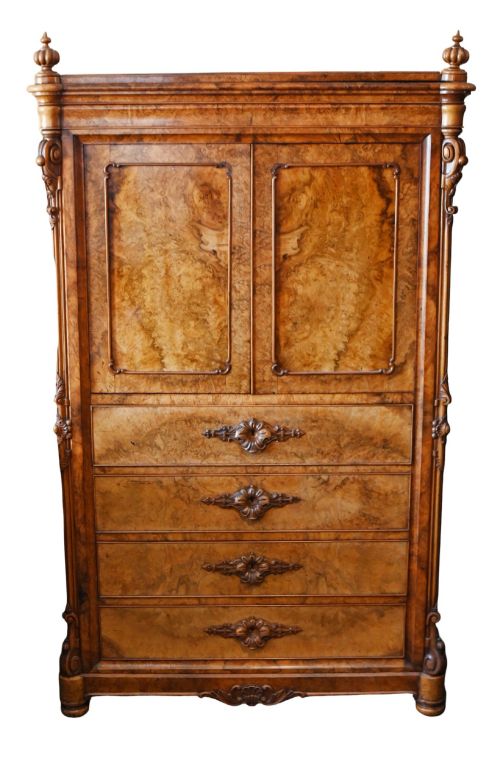
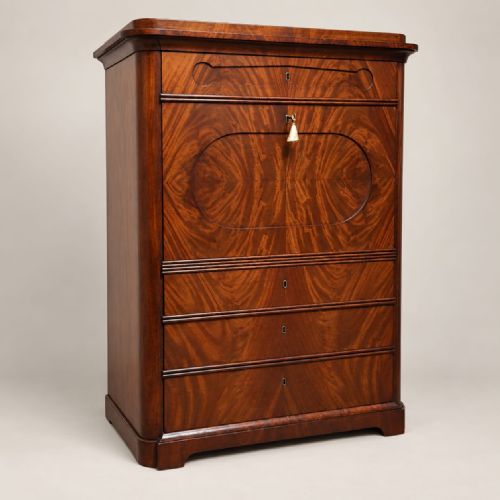
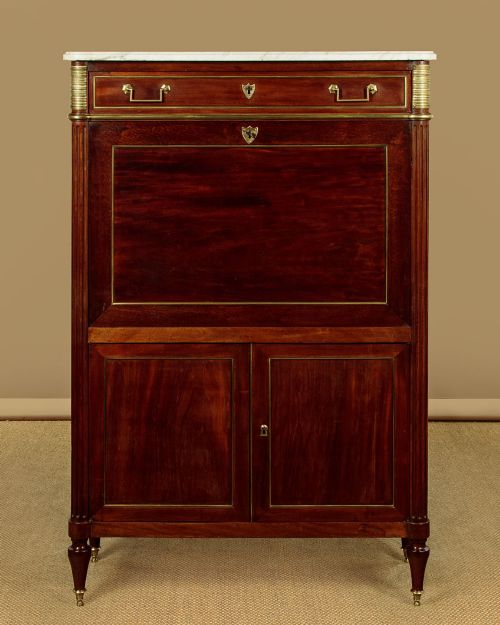
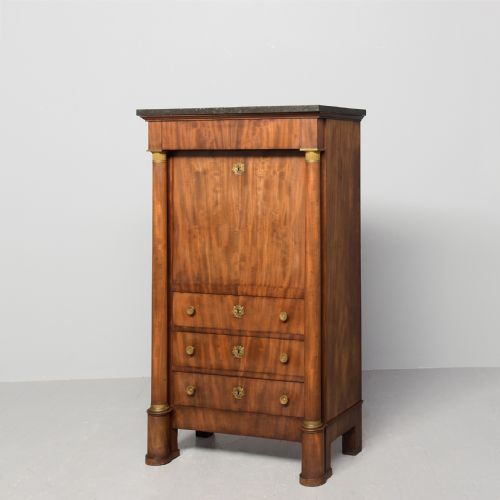
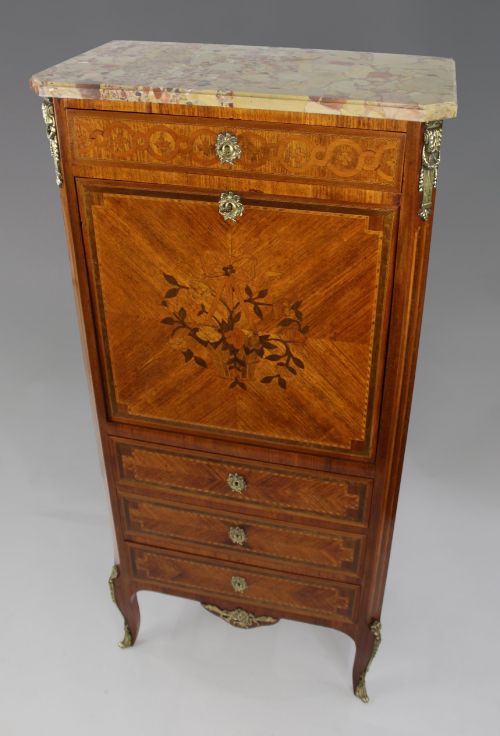
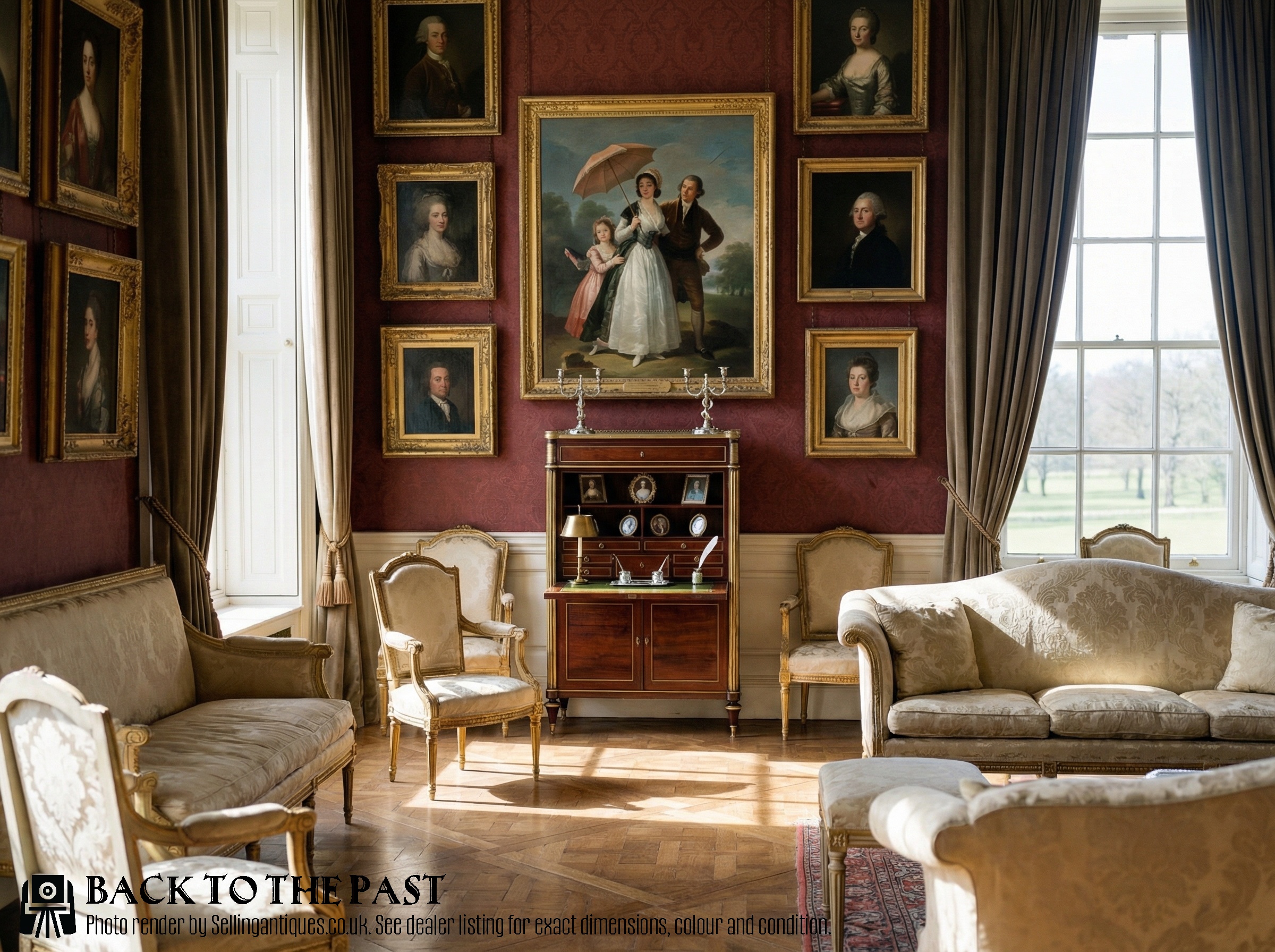
The second body is the Continental secretaire all case tall aside, a tall upright case with a full-height hinged fall, known as the secretaire \in in 53 titles and french in 60, and a marble top is close to a signature of the group, named in 22. Marquetry, kingwood and ormolu mounts belong here too. Dealers spell the word several ways, so abbatant and abbattant both turn up.
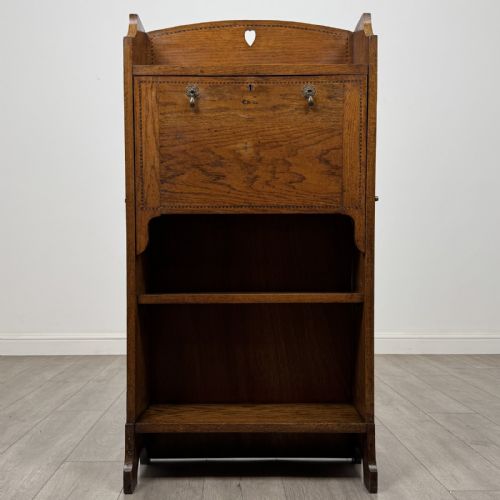
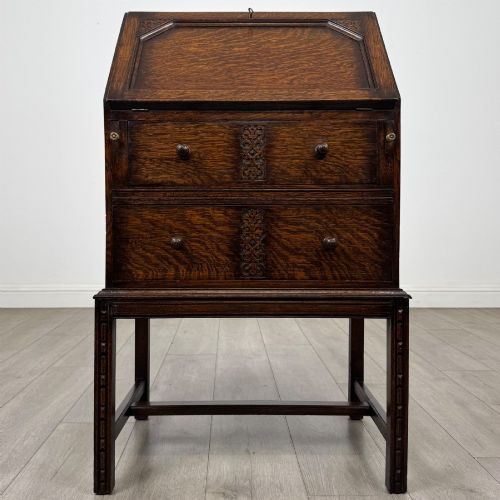
Smaller strands sit around those two. Biedermeier and Swedish pieces in figured birch account for a handful, narrow tall chests with a locking side pilaster and a secretaire drawer for another, and pine and Arts and Crafts oak fall-fronts for a plainer group. Period labels are mostly eras rather than years: 19th Century is the largest bucket at 63 listings, against Georgian 26, Victorian 24 and 18th Century 23.
What Separates Them
Timber does most of the work. Pine and plain oak sit at the bottom of the range and stay there. Above them come figured and flame mahogany, burr walnut, and then satinwood, kingwood, tulipwood, padauk and sabicu, which show up in the titles at the upper end. The timber list runs a long way past mahogany, with amboyna, camphor wood, masur birch, pollard oak and fruitwood each surfacing once.
Decoration lifts a piece from there. Marquetry appears in 23 titles and inlay of some kind in 30, and the sampled work carrying ormolu mounts, porcelain or Sèvres panels, Vernis Martin painting or parquetry sits above the middle. On the French upright form, marble and mounts together mark the higher end of that group.
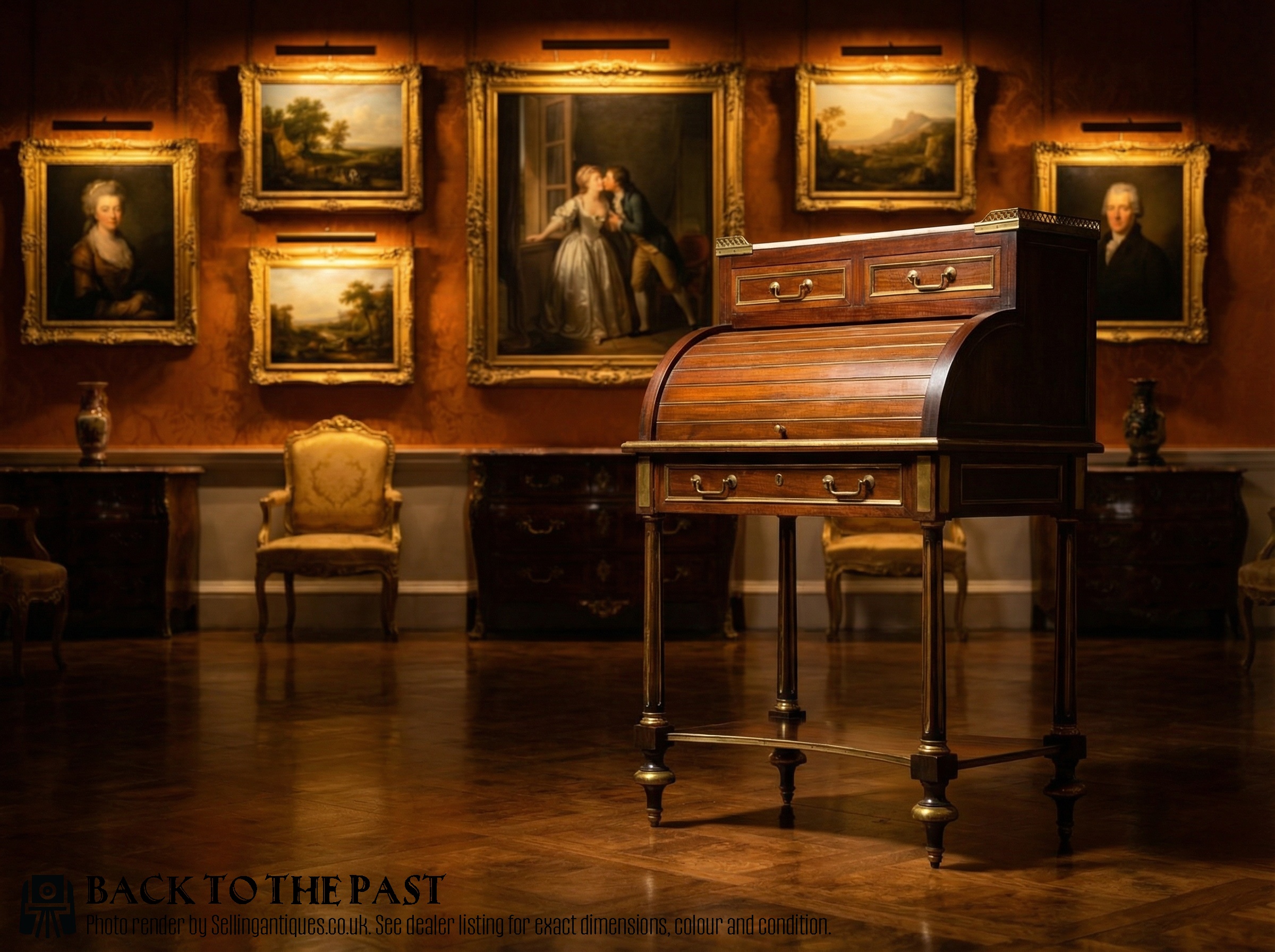
Then there's form. A two-part bookcase, a secretaire tallboy or a cylinder bureau bookcase asks more of the maker than a single chest, and those sit well up. The very top of the archive is held by 18th-century English satinwood and Continental ormolu-mounted work; a named attribution pushes upward too, though almost nothing carries one.
Antique Secretaires Retail Price Guide 2026
Typical UK retail prices for secretaires, calculated from the Sellingantiques database of over a million retail prices indexed since 2003. This retail price guide relies exclusively on Sellingantiques data; no external sources or auction records are used, so the figures do not describe the wider market.
19th Century is the period label used most on Sellingantiques for secretaires, with Georgian next and Victorian third.
Gillows
The Antique Secretaires Glossary
- Secretaire
- Case furniture with a concealed writing surface and fitted interior of small drawers. The French spelling secrétaire is used in listings as well.
- Abattant
- The tall upright Continental form with a full-height hinged fall front. It carries several spellings across the 53 titles that use the word, so one search term misses the others.
- Secretaire chest
- A chest of drawers whose deep top drawer pulls out and drops down to form the writing bed.
- Escritoire
- The English word, used interchangeably with secretaire. It runs to 20 titles and is commoner in current stock than in what has sold.
- Campaign or military
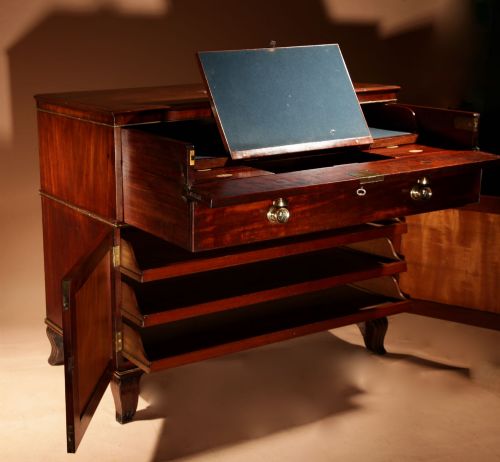
- Chests built in two parts with recessed brass handles so they could be moved. Camphor wood turns up in this strand.
- Bombé
- A swelling serpentine case front, seen on the French kingwood secretaire chests.
Antique Secretaires: Frequently Asked Questions
What is a secretaire a abattant?
It's the tall upright Continental form. The whole front is a hinged fall that drops to make the writing surface, with drawers and pigeonholes behind it, and a cupboard or drawers below.
Marble tops go with it more than with any other type, and marquetry, kingwood and ormolu mounts turn up on the same pieces. Abattant appears in 53 of 304 titles on Sellingantiques.
Which wood is commonest?
Mahogany, by a distance. It's named in 106 of 304 titles, roughly a third, and it dominates the English chest and bookcase forms.
Walnut comes next at 40 titles, then rosewood at 22, with kingwood, pine and oak in the low teens. Beyond those, single appearances include amboyna, padauk, camphor wood, satin birch, sabicu and tulipwood.
How old are most secretaires for sale?
The dated field runs 1750 to 1930, with 121 listings carrying a clean year. Era labels are more common than precise dates.
19th Century is the largest single bucket at 63 listings, ahead of Georgian at 26, Victorian at 24 and 18th Century at 23. Decade-level dating is thin and spread evenly across the 1800s, 1860s, 1880s, 1900s and 1920s.
Are secretaires usually signed or stamped?
No. Gillows is the only name that clears several dealers, four of them, in a category 125 dealers have listed in. Unnamed pieces are the norm.
Where names do appear on the Continental pieces they're isolated one-offs, and some come as attributions rather than marks.
What's the difference between a secretaire and an escritoire?
Nothing much. Escritoire is the English term, used interchangeably, and it appears in 20 titles.
It shows up more in current stock than in the sold archive, so both words are worth reading as the same thing.
How many come up for sale each year?
Around 29 secretaires come to market on Sellingantiques in a year, listed by 125 different dealers over time.
That spread means it's a category most general furniture dealers touch occasionally rather than one anybody specialises in.