
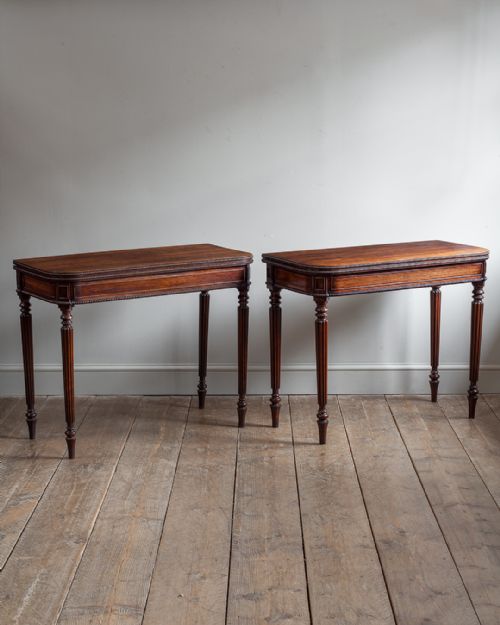
Antique Games Tables
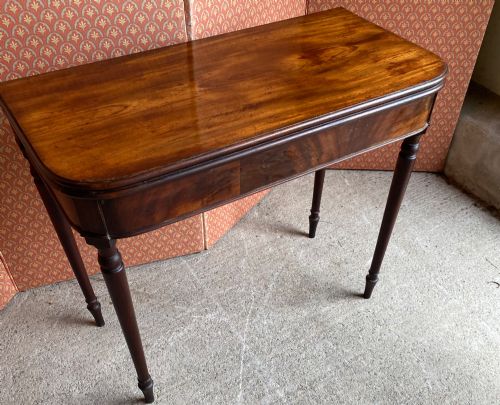
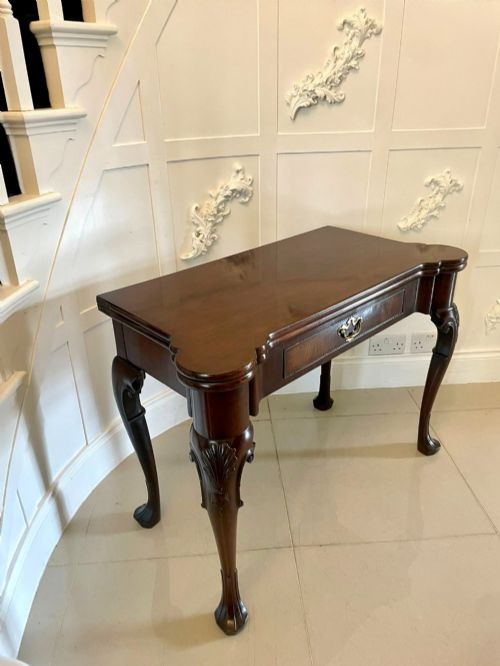
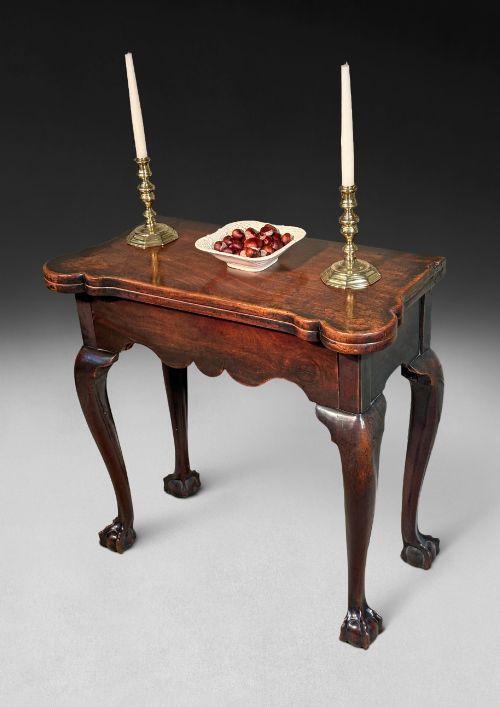
A games table is a folding or swivel-top table made for cards, chess and other domestic play, opening out for a game and standing flat against a wall the rest of the time.
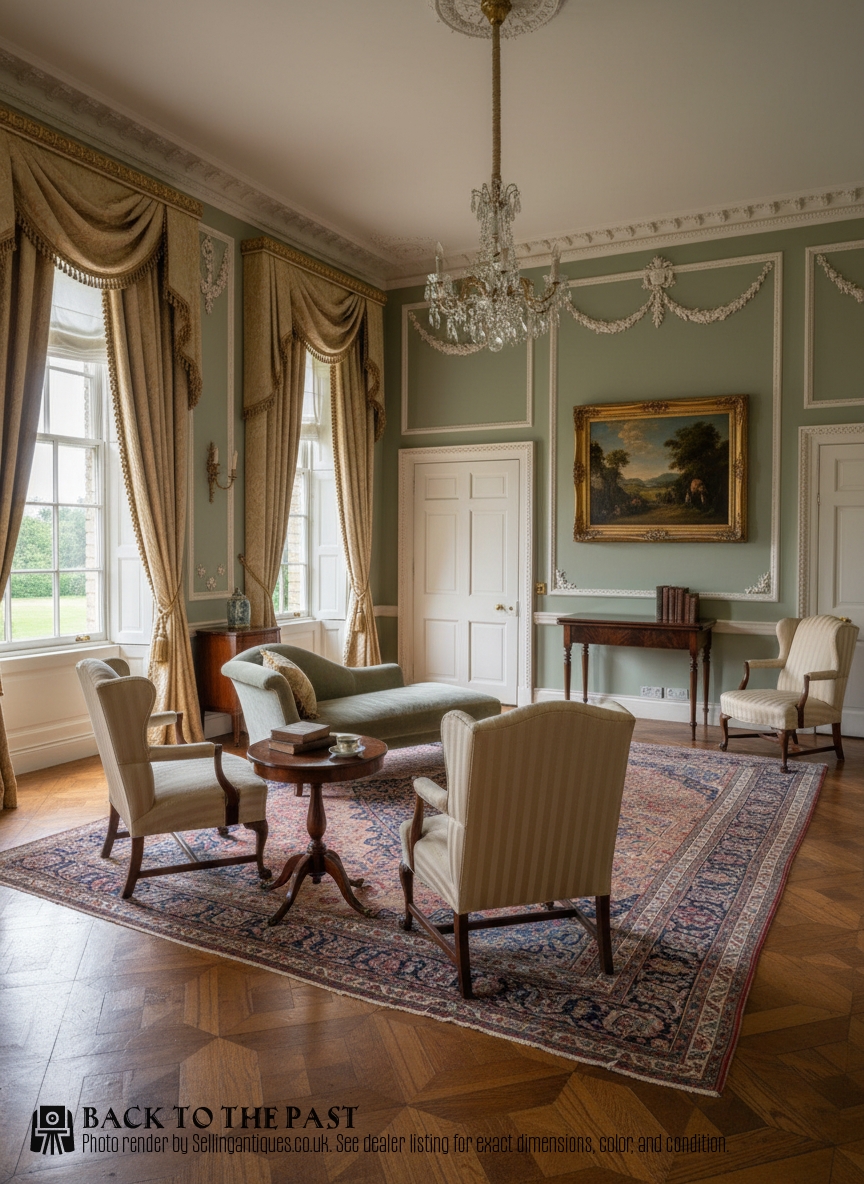
Antique Games Tables
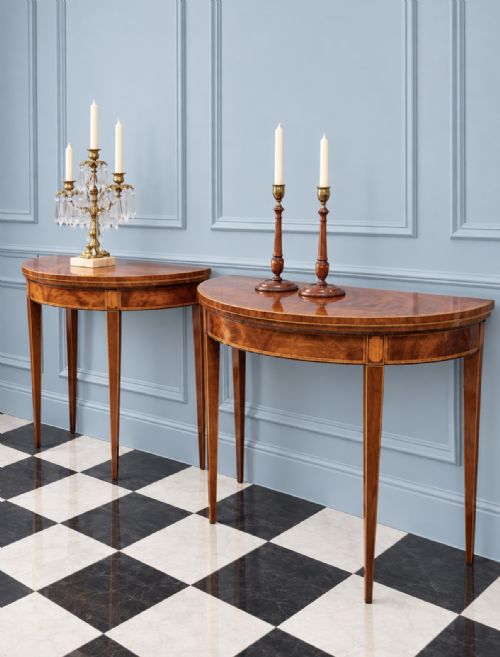
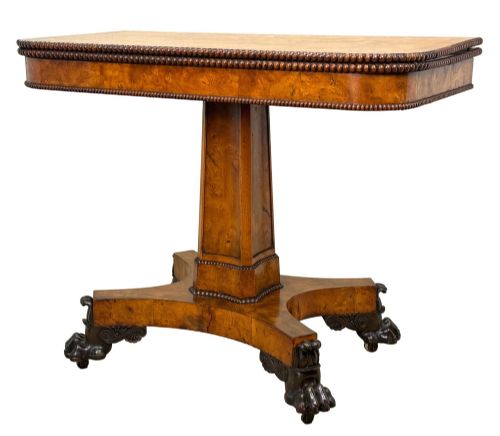
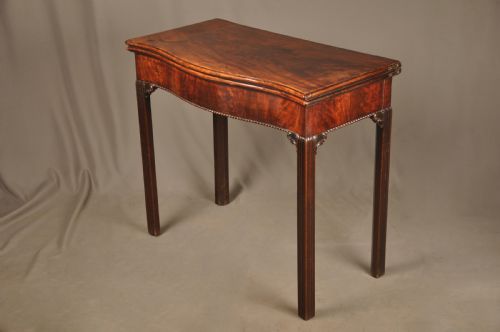
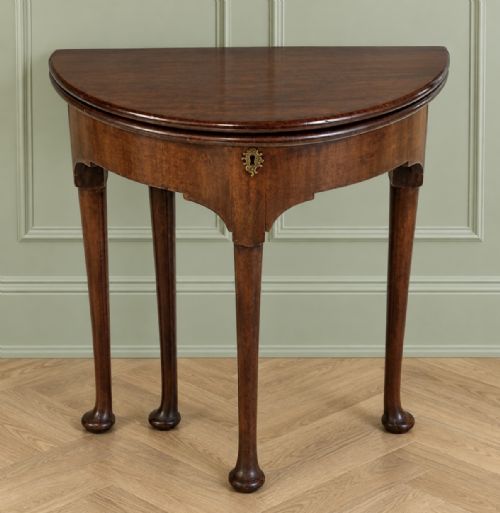
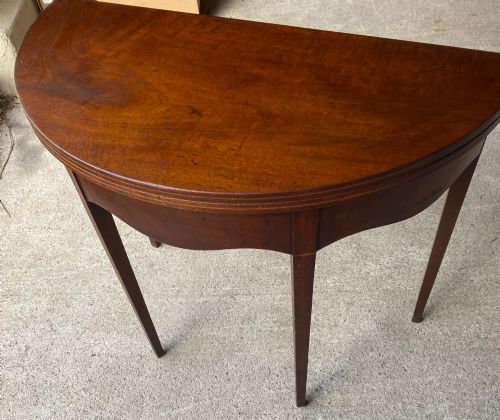
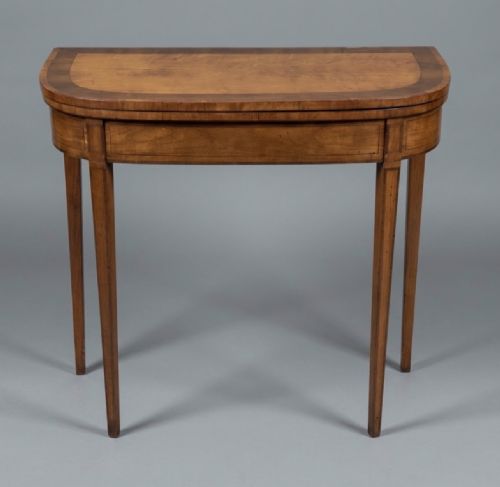
The heading covers a broad family of folding-top and fitted occasional tables, and the fold-over card table dominates it. The word "card" appears in a large share of titles on Sellingantiques, and the folding action turns up throughout as fold-over, turn-over leaf, flip top and swivel top. Demi-lune is the one outline named often enough to count as standard; serpentine follows some way behind.
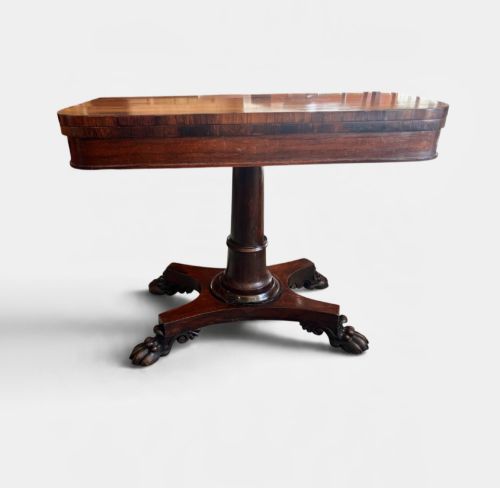
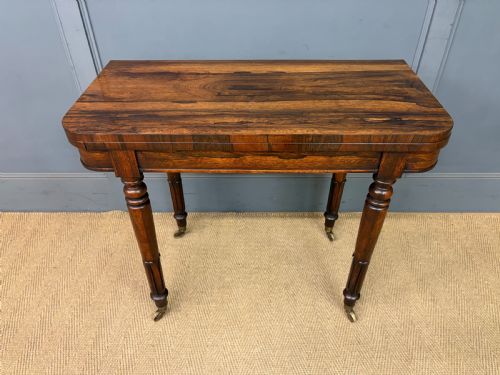
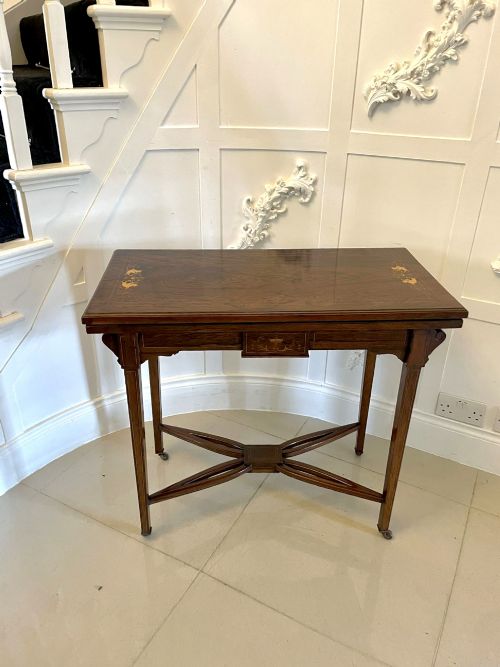
Veneer is the defining material. Mahogany leads, then walnut, with burr walnut a category of its own, and rosewood close behind. Inlay of some kind appears in a large slice of titles. Victorian and Regency are the two period labels most often attached, though "19th Century" is the single biggest bucket of all.
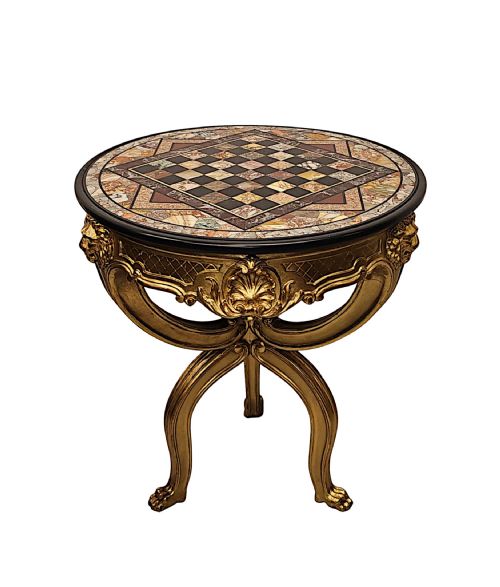
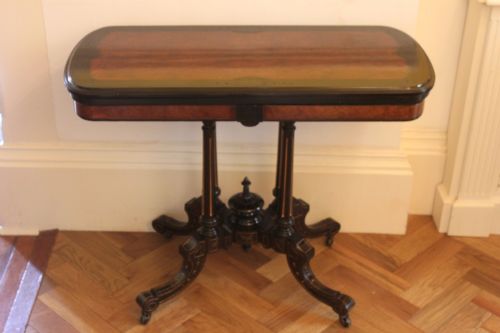
A substantial minority are combination pieces: games and sewing, games and work, games and writing, often Victorian burr walnut on a trumpet base. Tripod and pedestal tables with a chess or chequerboard top form a smaller branch, and fold-over tea tables of the same construction are sold under the heading too, with tea rising in current stock.
Alongside the British pieces sit French tables and a persistent slice of inlaid work from further afield. Middle Eastern examples, described as Damascus, Syrian, Moorish or Levantine, are the most consistent non-European origin, with singles from Kashmir, China, Sweden, the Tyrol, Italy, Malta and the Netherlands.
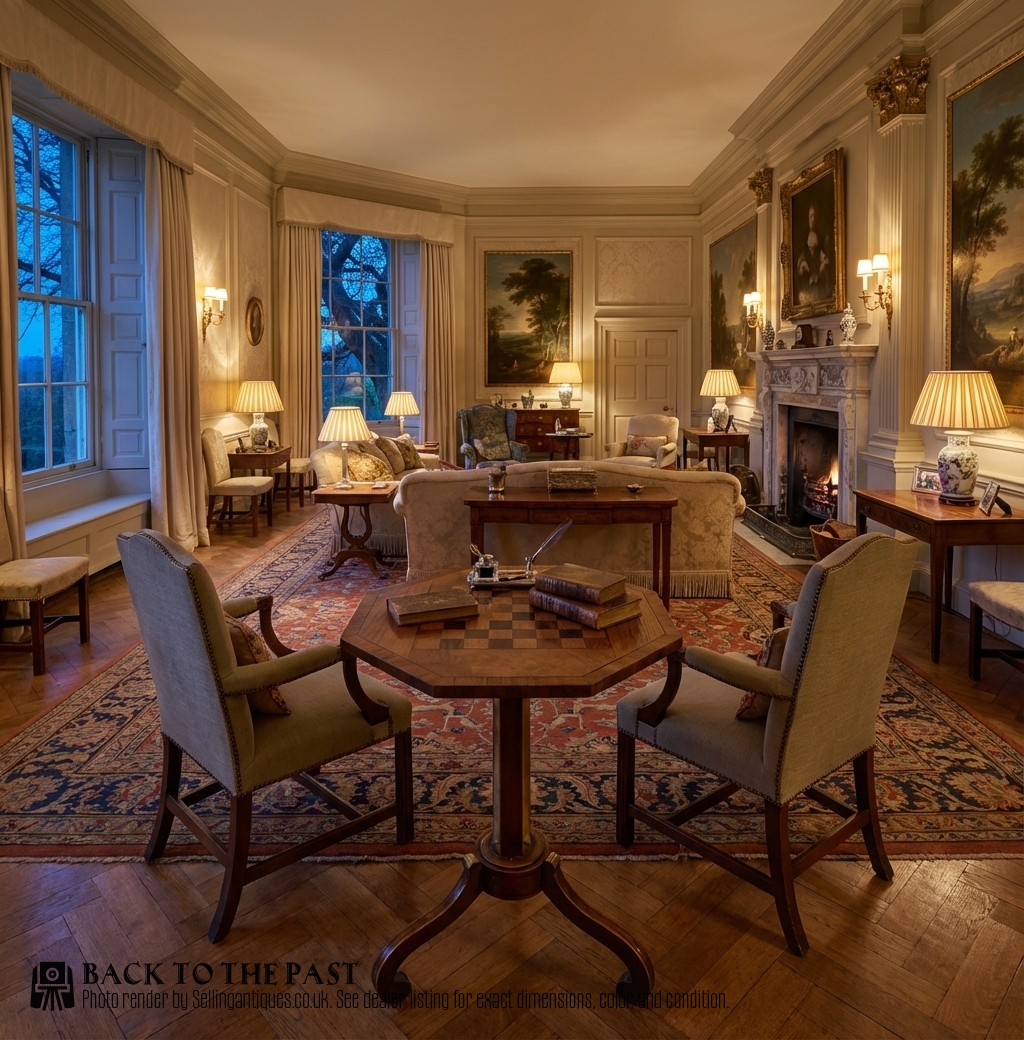
Top And Bottom
Timber does most of the separating. The lower end is plain mahogany, oak or walnut with little to look at beyond the shape. Higher up the veneers are chosen for figure: burr walnut and burr yew, pollard oak, kingwood, amboyna, padouk, birdseye maple and satinwood, cut and laid so the pattern carries the whole top.
Decoration follows the same line. An uninlaid table sits at the bottom of the range; stringing and crossbanding lift it; marquetry and parquetry, brass inlay and gilt-bronze mounts sit at the top, and the French marquetry and Boulle examples belong in that upper company.
Then there's what the table does and whether it came alone. Simple single fold-over tables are the common currency. Concertina-action 18th-century frames, triple tops that open twice for tea, cards and games, and metamorphic tables that turn into supper or bagatelle surfaces all sit high, as do pairs, which cluster right at the top end.
Antique Games Tables Retail Price Guide 2026
Typical UK retail prices for games tables, calculated from the Sellingantiques database of over a million retail prices indexed since 2003. This retail price guide relies exclusively on Sellingantiques data; no external sources or auction records are used, so the figures do not describe the wider market.
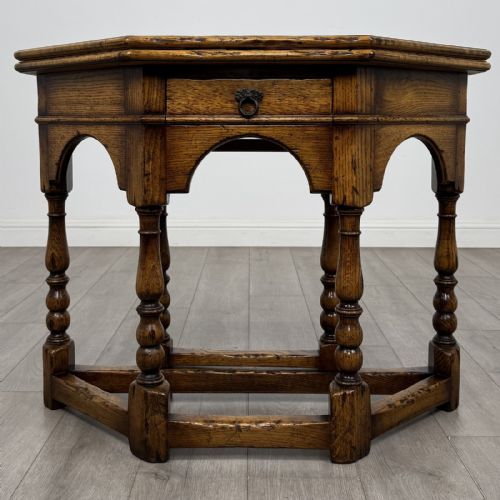
One-offs to pass through include a bagatelle table, an outdoor cast-iron "Britannia" games table, and an 18th-century oak tavern table set up for shove-halfpenny.
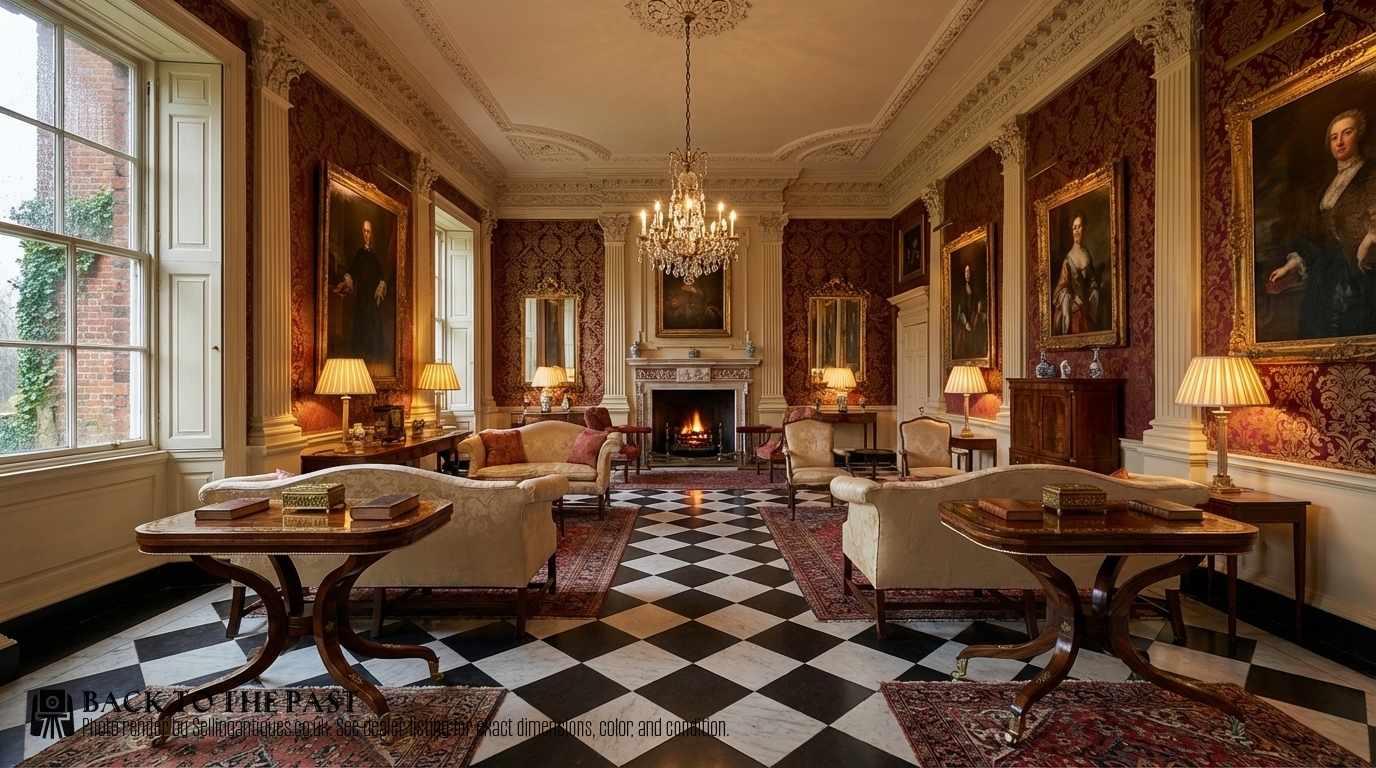
Gillows·Maple & Co
The Antique Games Tables Glossary
- Fold-over top
- A hinged top that opens out to double the playing surface. Written variously as foldover, fold-out, turn-over or turnover leaf.
- Swivel top
- The opened top rotates on the frame so the carcass beneath takes its weight.
- Demi-lune
- Half-round outline, flat against a wall when closed. The commonest named shape in the category, also written demilune or D-shaped.
- Envelope top
- Four triangular flaps that fold in to make a square, seen mostly on Edwardian tables.
- Concertina action
- A frame that folds out accordion-fashion to carry the opened top, instead of a swinging back leg. Named in a handful of 18th-century pieces.
- Guinea well
- Small dished recesses at the corners of the playing surface, for coins or counters.
Antique Games Tables: Frequently Asked Questions
What is a games table used for?
For cards and board games in the home. The type emerged in Europe in the late 17th and 18th centuries, when gaming became part of polite entertaining, and the folding or swivelling top let the table stand flat against a wall between uses.
By the 19th century the idea had widened. Combination tables served for cards, chess or backgammon, needlework and writing in one carcass.
How does a fold-over card table work?
The top is hinged across the back. It opens out to double the surface, then swivels on the frame so the carcass underneath supports it.
Older examples sometimes use a concertina action instead, where the frame itself folds out accordion-fashion. A swinging back leg is the simpler alternative.
Are games tables and card tables the same thing?
On Sellingantiques they overlap almost entirely. The word "card" carries a good share of the titles under this heading, and the same object is routinely listed as a card, side, console or lamp table.
Chess-top tripod and pedestal tables form a separate strand, and fold-over tea tables of identical construction are sold alongside.
Which woods were used for games tables?
Mahogany is the most common, then walnut, with burr walnut making up a large part of the walnut, and rosewood after that. Nearly all of it is veneer over a carcass.
The upper range reaches for figure: burr yew, pollard oak, kingwood, padouk, birdseye maple, satinwood.
What period are most games tables from?
The dated listings run from 1750 to 1960, but only a third or so carry a clean year. The rest sit under reign or century labels, and "19th Century" is the largest of those, followed by Victorian.
Regency is the next most-used label, then 18th Century and Georgian. Treat those broad terms as ranges rather than dates, since the year given and the period label don't always agree.
What unusual games tables turn up?
Roulette tables, a bagatelle table, an outdoor cast-iron games table, an 18th-century oak tavern table with a shove-halfpenny game.
Others include a nest of quartetto tables with an integrated chess top, a triangular bentwood card table and a folding coaching table.