




Antique Metamorphic Tables
Furniture built to change its job through a mechanism: tables that extend, rise, fold or convert into something else entirely.
Antique Metamorphic Tables
The word covers any piece that shifts function by folding, sliding, rising or converting. It belongs to the late 18th and 19th centuries, when patented mechanisms and a taste for space-saving ingenuity produced tables that lengthened for dining, steps that folded into a stool, and stands that rose to serve as lecterns.
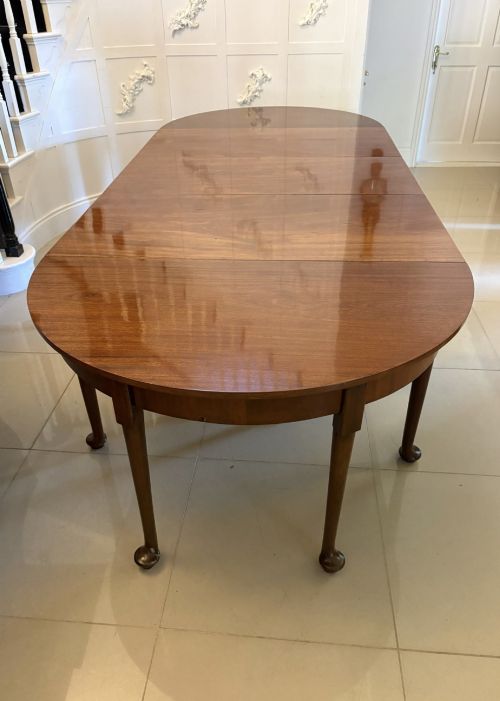
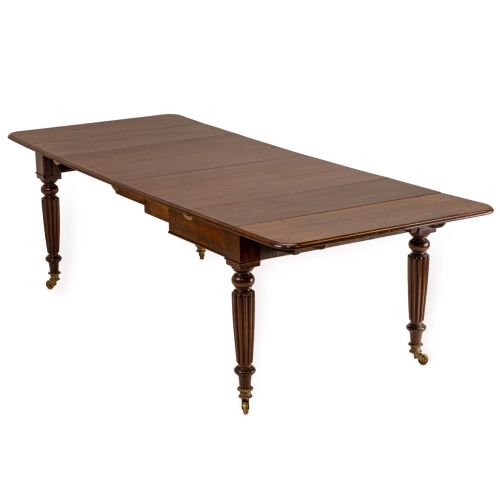
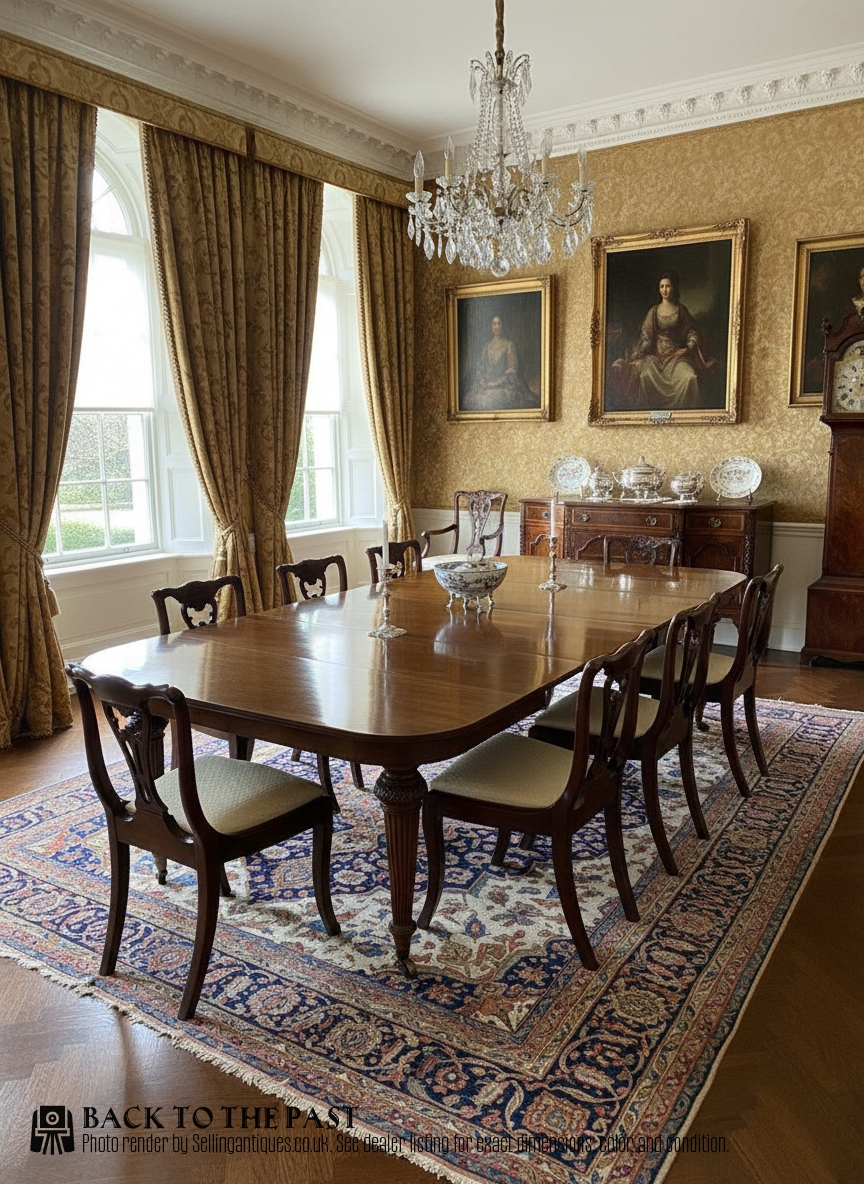
On Sellingantiques, one form dominates: the Georgian or Regency figured-mahogany extending dining table. Mahogany appears in 74 of 119 titles, dining in 55, and George III in 35. D-end tops and multi-pillar bases recur, often with lengths and seating counts quoted in the title.
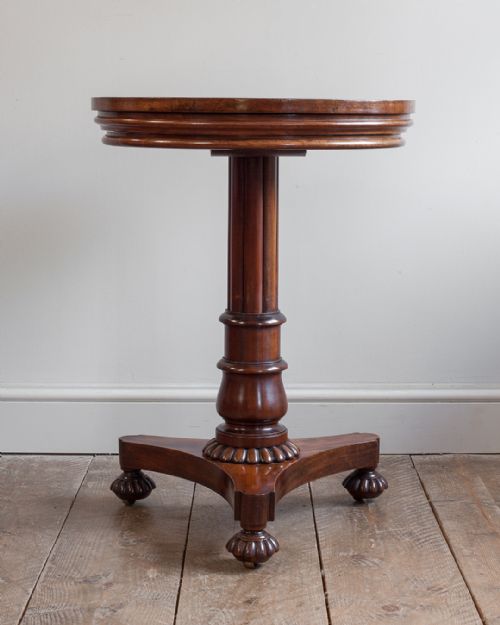
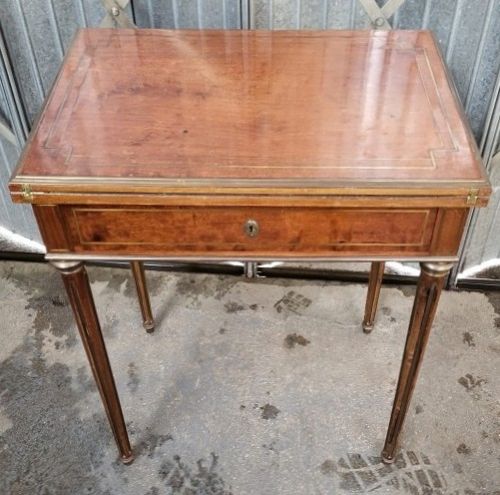
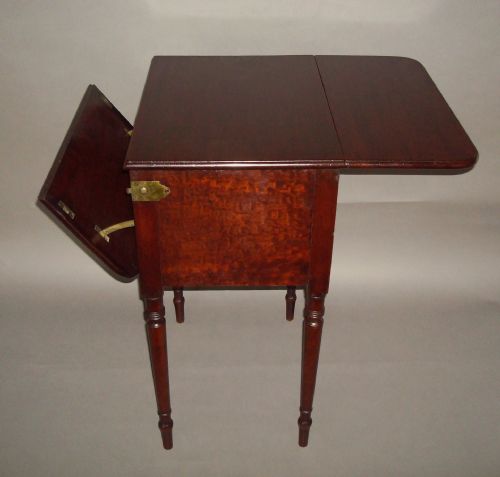
Around the dining tables sits a long tail of smaller convertible pieces. Reading and music tables, dumb waiters and rise-and-fall buffets, games and card tables, writing tables that pop up, library steps that become a table. One-offs turn up too: a chapel bench, a cellarette table, a snooker-to-dining table.
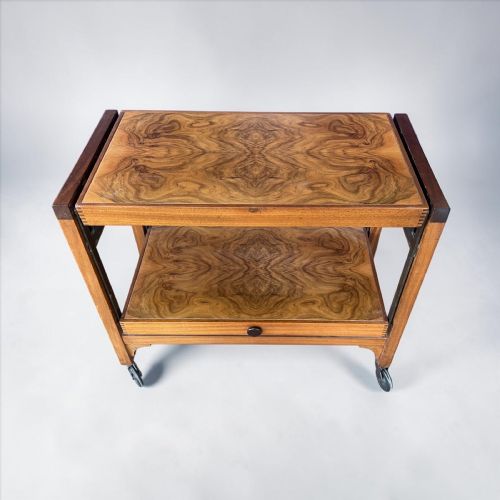
Dealer dates run from 1750 to 1930, and 71 listings carry a clean year. A good share are dated by reign or century instead, with 35 filed simply under the 1800s. Late examples include an Art Deco cocktail table and a 1930s serving trolley, so the idea outlived the Georgian workshops that made it popular.
Where The Range Splits
Timber does most of the sorting. Figured mahogany, named in 25 titles, sits in the upper half of the range every time it appears on a dining table. Oak, walnut and satinwood pieces cluster low, and rosewood shows up mainly on the small reading and games tables rather than the big dining ones.
Size follows close behind. Titles quoting 8ft, 14ft, ten seats or twelve sit at or near the top, and so do the ones giving full measurements. The figures 114cm and 283cm recur across large Georgian and Regency dining tables. The cheapest listings quote no dimensions at all.
Then there's the mechanism itself. A piece that does two or three jobs, library steps that become a table, a console that turns into a dining and gaming table, commands more than a single-action drop-leaf. Named periods pull the same way: George III and Regency titles concentrate high, plain Victorian, Edwardian and Art Deco low.
Antique Metamorphic Tables Retail Price Guide 2026
Typical UK retail prices for metamorphic tables, calculated from the Sellingantiques database of over a million retail prices indexed since 2003. This retail price guide relies exclusively on Sellingantiques data; no external sources or auction records are used, so the figures do not describe the wider market.
1800s is the period label used most on Sellingantiques for metamorphic tables, with 19th Century next and Victorian third.
The Antique Metamorphic Tables Glossary
- Metamorphic
- A piece designed to change function or form through a mechanism. It's the defining word in every title in this category.
- Extending
- A dining table whose top lengthens, usually on a screw or slide action. Fifteen titles use the term.
- D-end
- A dining table with semicircular ends, sometimes usable on their own as console or side tables.
- Figured mahogany
- Mahogany chosen for pronounced grain pattern, and a consistent marker of the dearer dining tables.
- Rise-and-fall
- A mechanism that raises or lowers a top or tier, used on the buffet and dumb waiter listings.
- Deception table
- Period term for a table concealing another function, used once in the archive of a Regency piece.
Antique Metamorphic Tables: Frequently Asked Questions
What counts as a metamorphic table?
Anything that changes function by mechanism. Extending, rising, folding, tilting or converting into a different piece of furniture altogether.
In practice the listings here run from big dining tables that lengthen on a screw action to library steps that fold flat into a table, and a music stand that becomes a reading table.
Which wood turns up most often?
Mahogany, by a wide margin. It's named in 74 of the 119 titles, and figured mahogany in 25 of them.
Oak, walnut, rosewood and satinwood share what's left. Rosewood tends to appear on the smaller reading and games tables rather than the dining pieces.
How old are these tables?
Dealer-supplied dates run from 1750 to 1930. The earliest is a George II architect's or draughtsman's table of metamorphic design.
The bulk sit in the Georgian and Regency stretch, with George III named in 35 titles and Regency in 14. Victorian appears in 15.
Are metamorphic tables still made after 1900?
The archive says yes. A group of 1930s pieces includes an Art Deco cocktail table, a walnut card table, a marquetry games table and a serving trolley.
There's an Edwardian showing too. These later pieces sit lower in the range than the Georgian dining tables.
How big do the dining tables get?
The largest recorded is a D-end dining table at 366cm long. Another is described simply as 14ft.
Seating claims run to twelve and fourteen places, usually on multi-pillar bases with extra leaves.
Do many come from outside England?
Only a handful. An Irish George III library table, an Irish Victorian dining table, French walnut side and bed tables.
A single 19th-century Syrian writing table is the one outlier origin in the whole archive.