


Antique Work Tables
A work table is a small lidded or drawer-fitted table made for needlework and close handwork, with somewhere to keep threads, reels and materials.
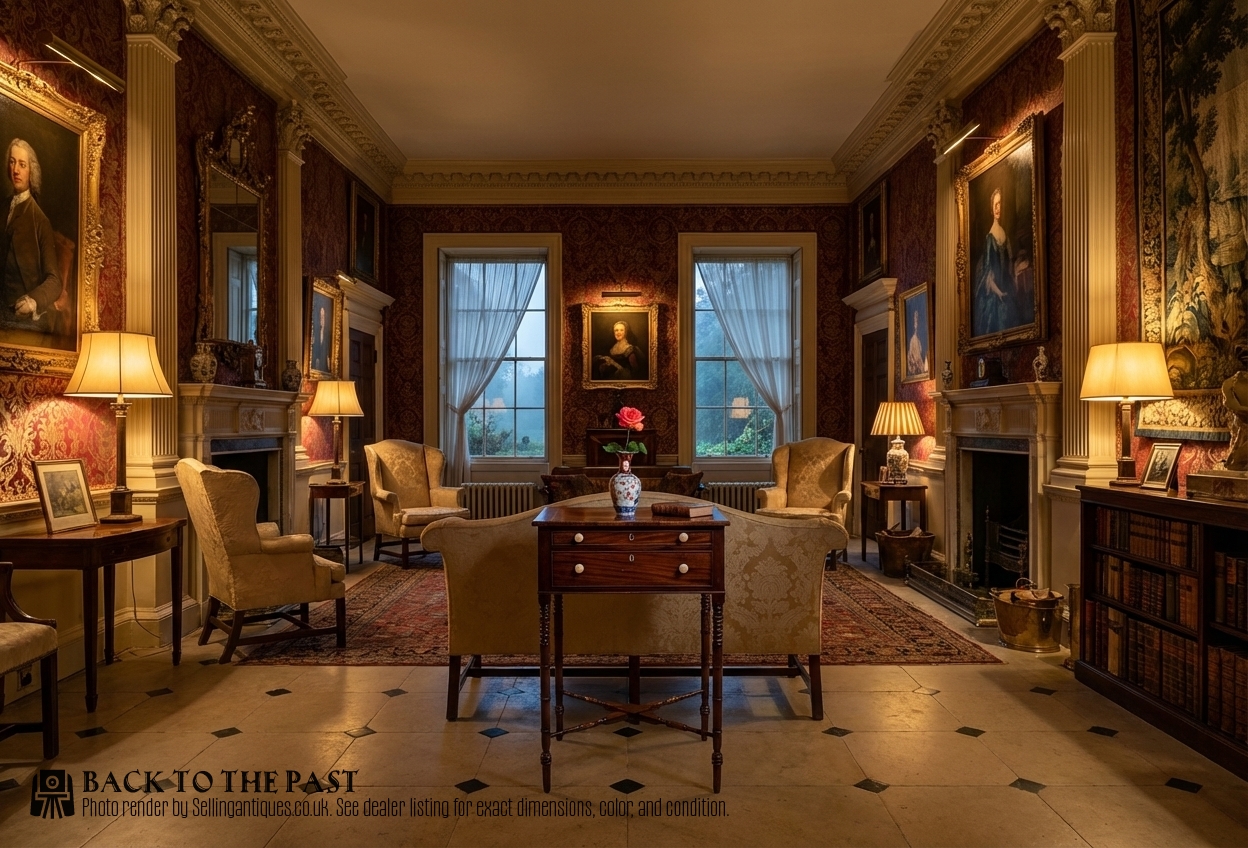
What Are Work Tables?
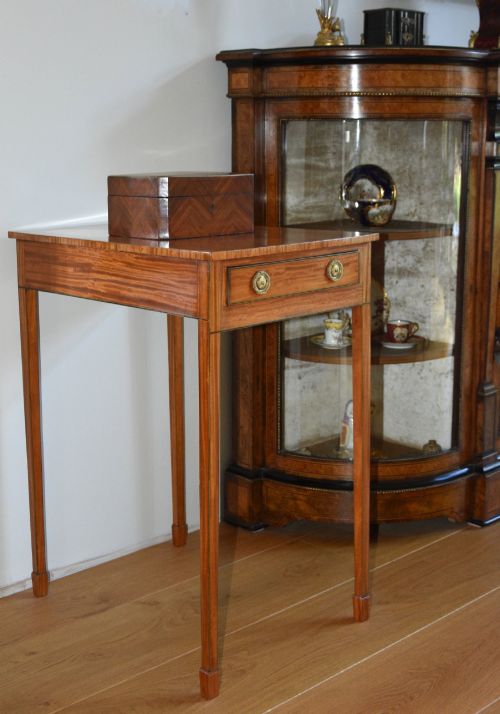
The form began in the later 18th century as a small portable table for a lady's needlework, usually with a fitted drawer or a hanging silk bag for threads. It stayed in production right through the 19th century, picking up games, writing and lamp-stand duties as it went.
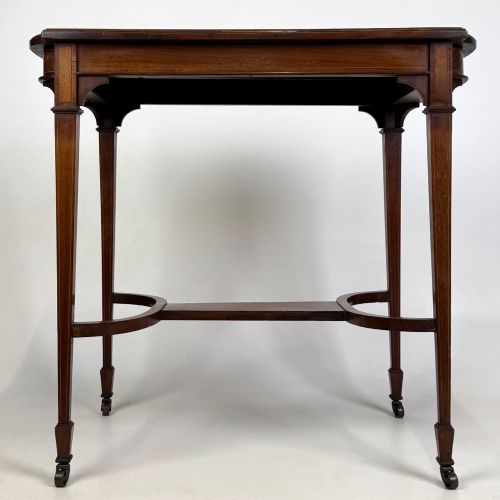
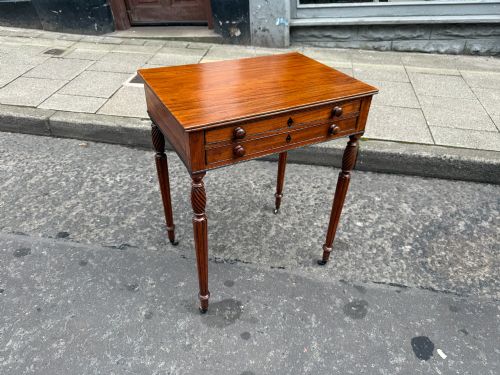
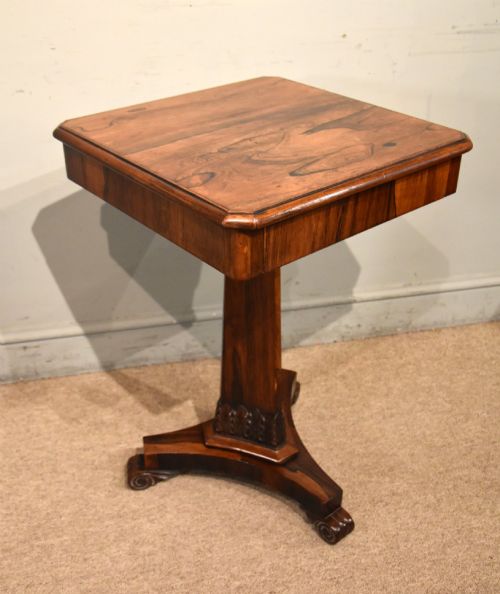
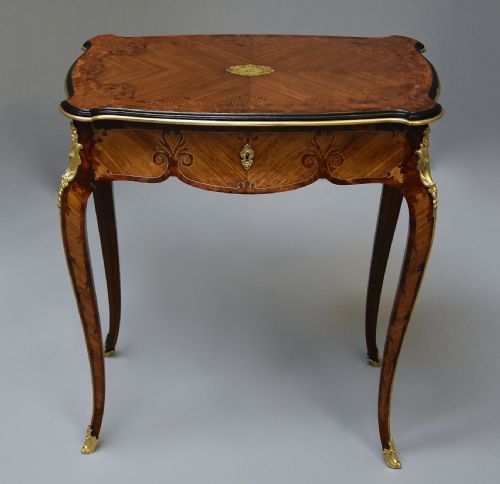
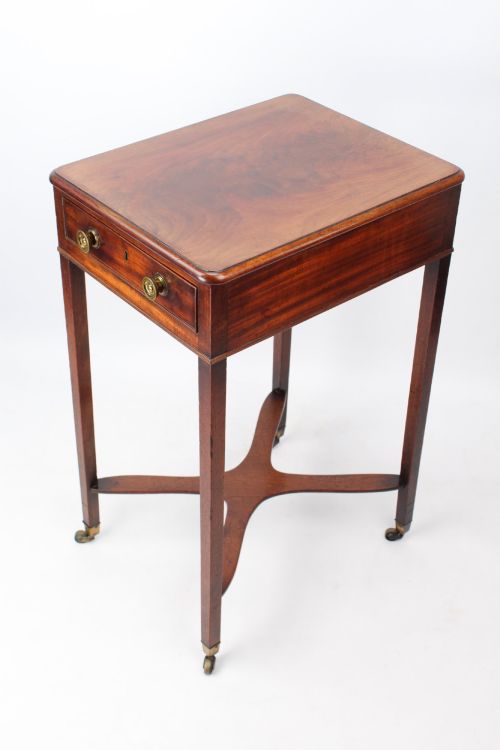
The piece you're most likely to meet is a 19th-century English table in a figured hardwood. Mahogany leads the titles, then walnut, much of it burr, then rosewood. Victorian and Regency are the two commonest labels, and 'regency mahogany' alone accounts for a good run of them. Supports vary: pedestal, trumpet, shaped end standards or four turned legs.
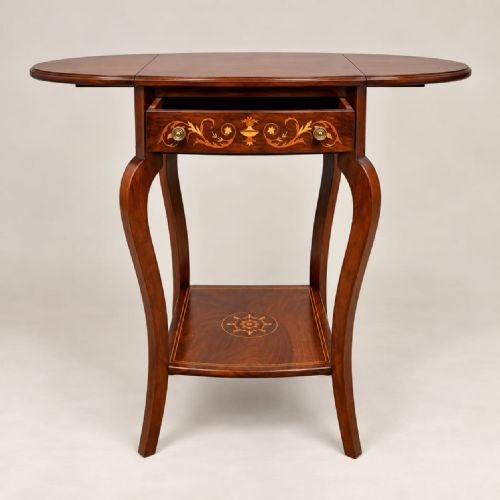
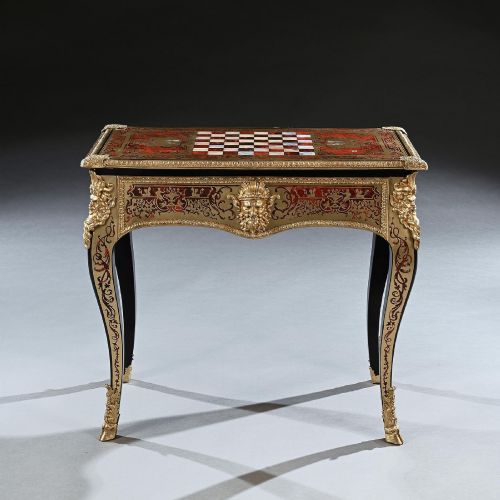
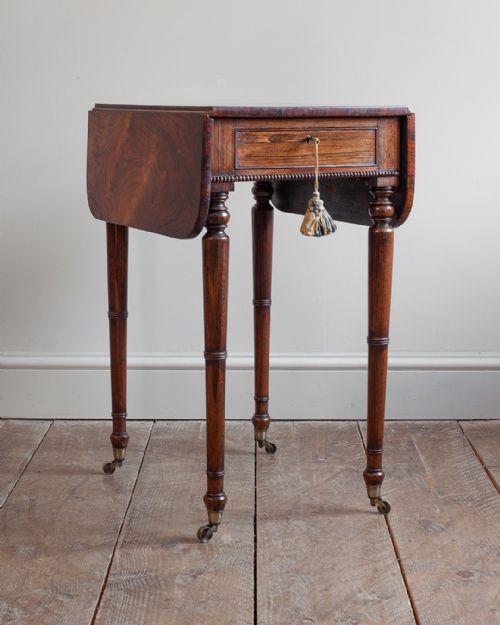
Beyond the core sewing table, dealers file several related things under the same heading. Work tables doubling as lamp, side or occasional tables make up about a quarter of listings, and titles often carry the functions stacked together. Pembroke and drop-flap examples form a smaller group, and games tables with chess or backgammon tops another, some of them metamorphic.
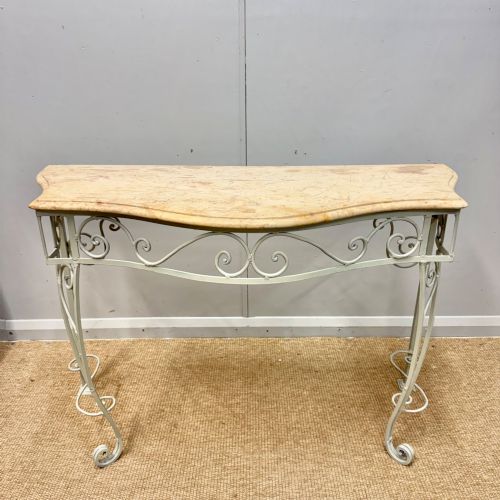
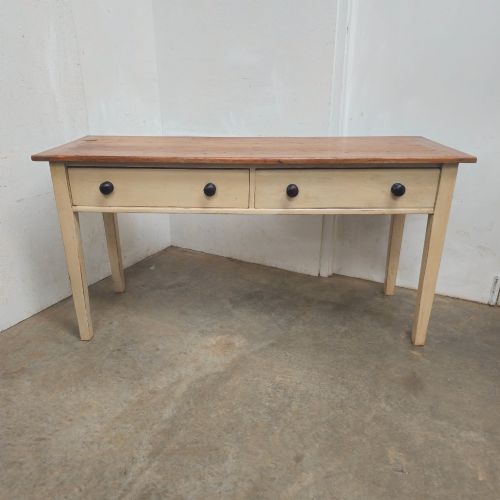
A separate strand shares the words rather than the purpose: plain utility tables in pine, drapers', trestle and industrial benches, plus French wrought-iron garden and console tables. They're about one in ten of the listings and thinner in current stock. Dating is often by era rather than year, with '19th Century' the single largest label.
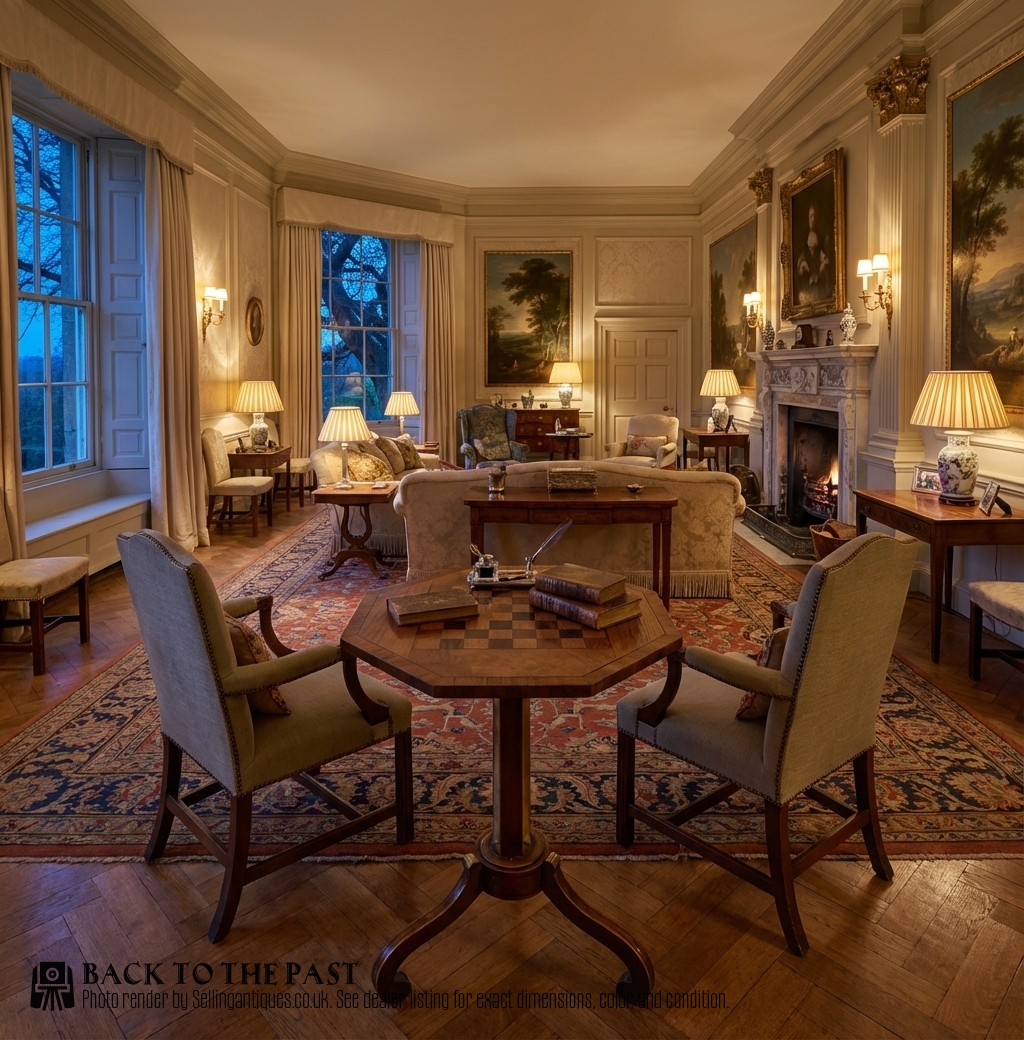
Where The Range Splits
Timber and figure do most of the work. Burr walnut is the signature Victorian surface, and flame mahogany, figured walnut, pollard oak, birds-eye maple and specimen veneers all sit toward the top. Plain pine and softwood kitchen tables sit at the bottom of the same heading.
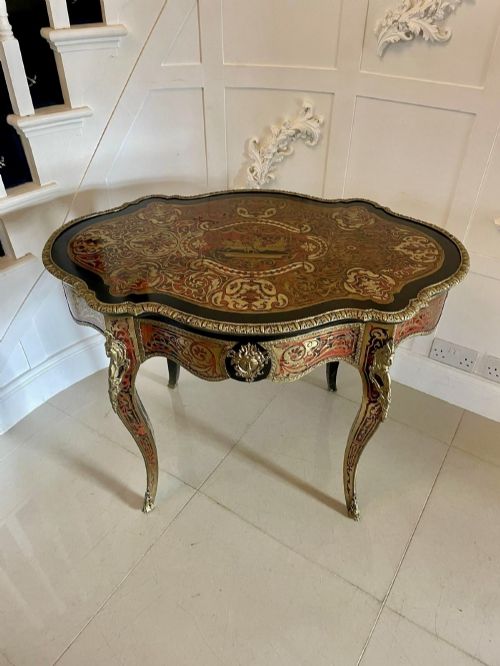
Decoration lifts a table well clear of a plain one. Inlay runs through a large slice of the titles, with marquetry, brass inlay, penwork, painted work and lacquer above that. So does what the table does: fitted compartmented interiors, rise-and-fall tops, fold-over games surfaces and secretaire drawers all place a piece above a simple two-drawer form.
Period label counts too. Georgian and Regency descriptions concentrate above the middle of the range, while Edwardian ones cluster low. And a workshop name lifts a table a long way past its anonymous equivalent, which is why the Gillows references occupy the upper reaches.
Retail Price Guide 2026
Typical UK retail prices for work tables, calculated from the Sellingantiques database of over a million retail prices indexed since 2003. This retail price guide relies exclusively on Sellingantiques data; no external sources or auction records are used, so the figures do not describe the wider market.
Work tables have been listed on Sellingantiques since 2007, with over 600 through the archive since then.
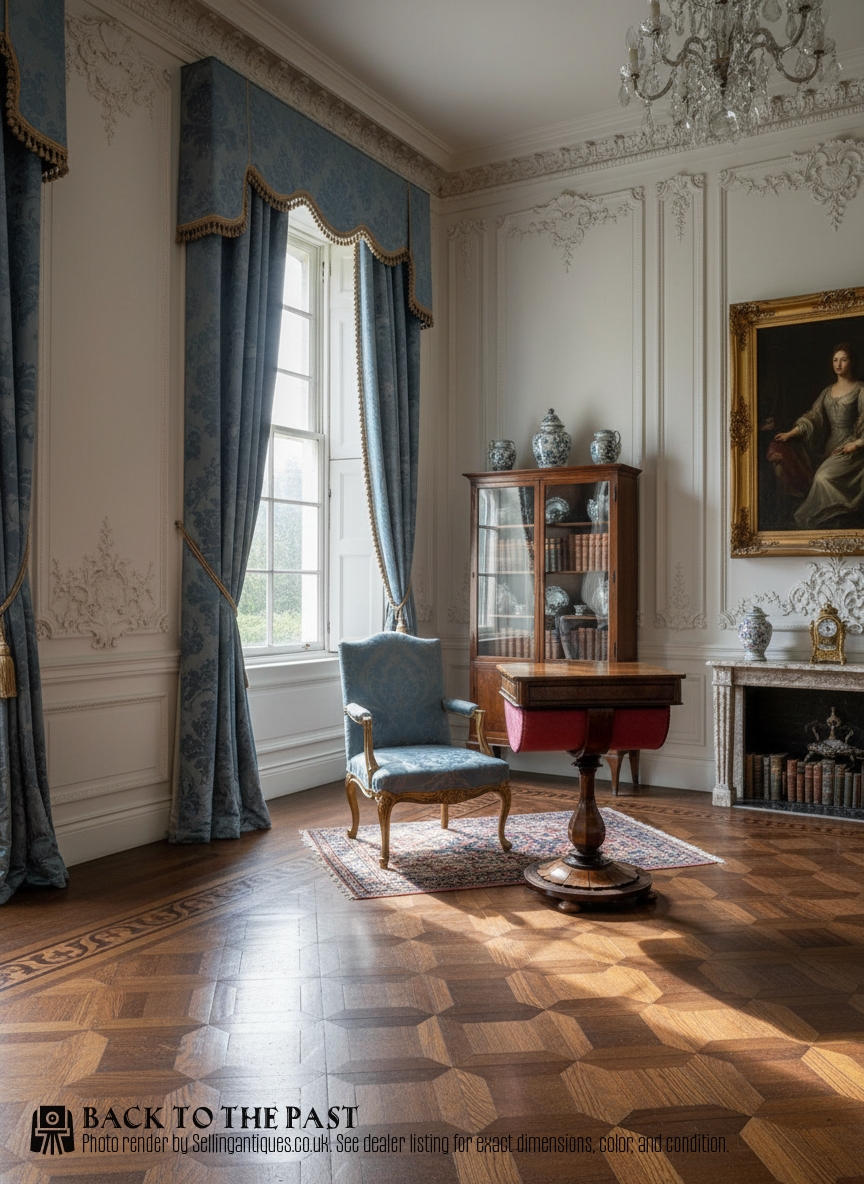
Gillows of Lancaster
The Antique Work Tables Glossary
- Work table
- Small table fitted for needlework and handwork, often with drawers or a lidded well over a compartmented interior.
- Sewing table
- Used interchangeably with work table across the listings; the same object described by its purpose rather than its shape.
- Fitted interior
- A drawer or lidded top divided into compartments for threads, reels and tools.
- Drop flap
- Hinged side leaves that extend the top. Also given as drop leaf, and as Pembroke where two leaves hang from a central body.
- Trumpet
- A flaring conical support beneath the box top, a recurring note on Victorian walnut examples.
- Metamorphic
- A top or mechanism that converts the table to another use, games to work being the usual pairing.
Frequently Asked Questions
What wood are work tables usually made from?
Mahogany, walnut and rosewood account for the bulk of the titles, with burr walnut the most frequent of the walnut descriptions.
Past that the timbers run wide. Satinwood turns up often, and pollard and burr oak, birds-eye maple, Karelian and burr birch, amboyna, kingwood, harewood, macassar ebony, burr yew, ash and elm all appear.
How old is an antique work table likely to be?
The dated field stretches from 1750 to 1950, but the weight sits in the 19th century. '19th Century' is the largest single label, then Regency, then Victorian.
Where decades are given they gather mid-century, in the 1850s, 1860s, 1870s and 1880s, with a small 1920s tail. Eighteenth-century and 20th-century pieces both appear, but thinly.
Why do listings give a table several different uses?
Because the form absorbed jobs as it went. A table made for needlework also served as a lamp stand, a side table or a games table, and dealers title it accordingly.
A good number of listings call the piece a side table as well, and others stack work, sewing, lamp and hall into one title.
Are pine kitchen and drapers' tables the same thing?
No. They share the heading but not the purpose. Pine kitchen tables, drapers', trestle and industrial benches, foundry and mill tables are practical furniture filed under the same words.
They're about one in ten of what's listed, and fewer in live stock than in the archive.
What does a Pembroke work table look like?
Two hinged drop leaves on a central body, so the top can be opened out or dropped down against the frame. Mahogany is the usual timber for them.
They're a smaller branch of the category, sitting alongside plain drop-flap examples.
How often do work tables come up on Sellingantiques?
Around 127 a year, and 244 different dealers have handled one. It's a form almost every general furniture dealer touches at some point.
That spread is part of why the heading is so broad: the same two words cover a burr walnut sewing table and a French wrought-iron console.