

Antique Display Tables
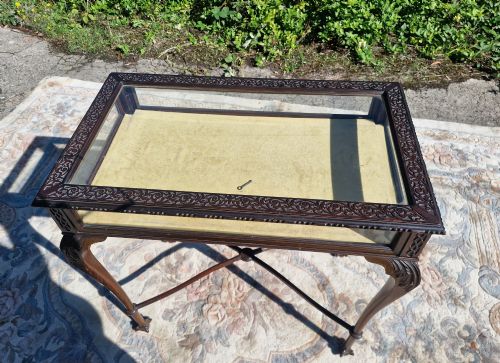
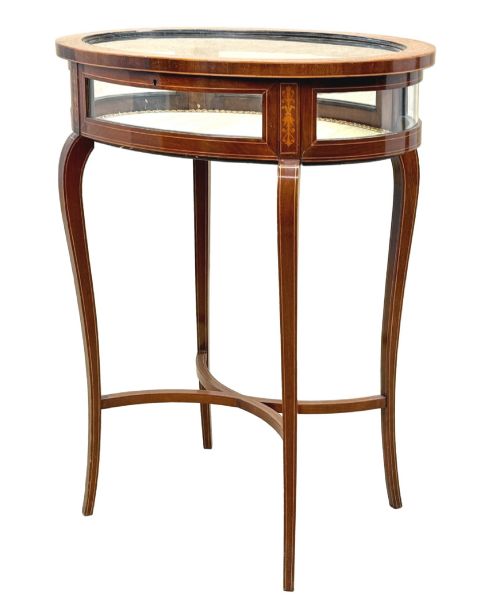
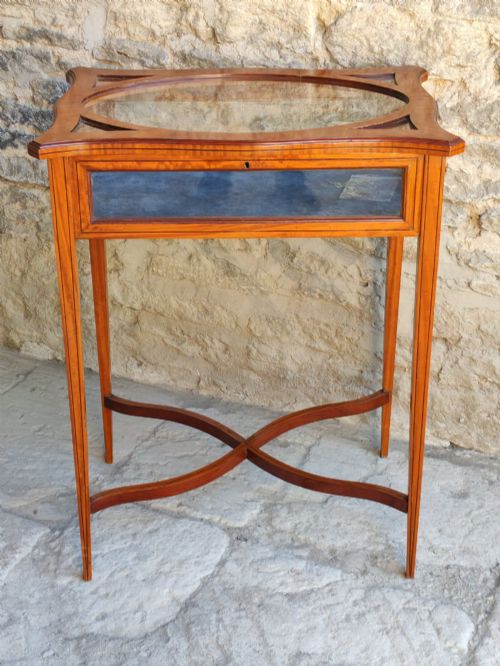
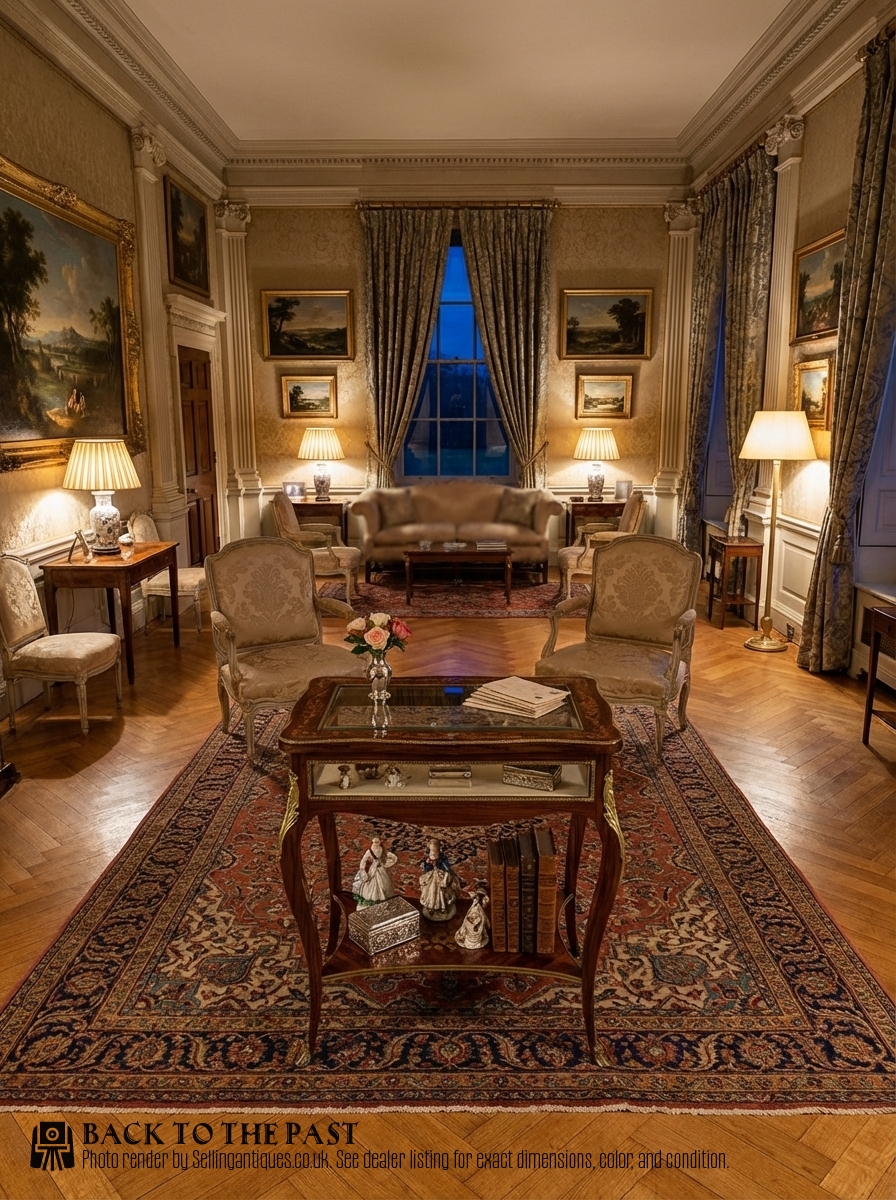
A display table is a small side table whose top is a glazed case, made so jewellery, coins, fans or miniatures could be laid out in a drawing room and looked at without being picked up.
What Is A Display Table?
The trade word for it is bijouterie table, and it appears in 174 of 366 titles on Sellingantiques, spelled bijouterie, bijoutiere and bijoutierie, sometimes more than one way in a single listing. The same object is also sold as a cabinet, a vitrine or a show case, so four names cover one form.
The version you are most likely to meet is Edwardian or turn-of-the-century, in inlaid mahogany, standing on slender legs. Mahogany runs through 114 titles and inlaid through 77. The dated field records 71 Edwardian pieces and 55 from the 1900s, the two largest period groups, with the record running 1800 to 1930 and thinning at both ends.
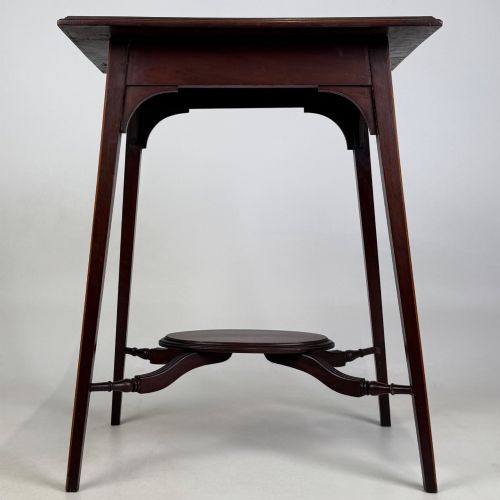
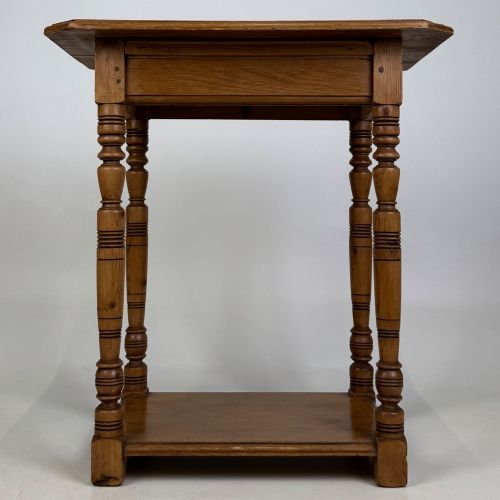
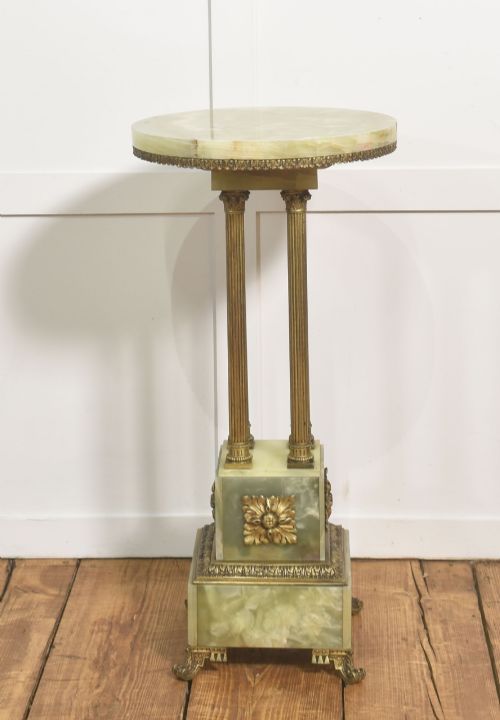
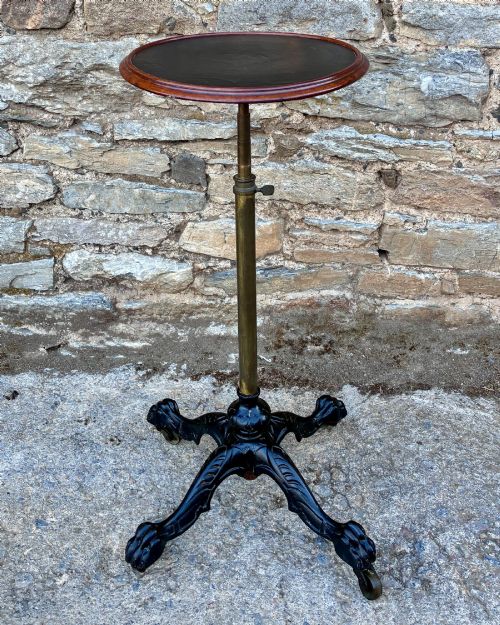
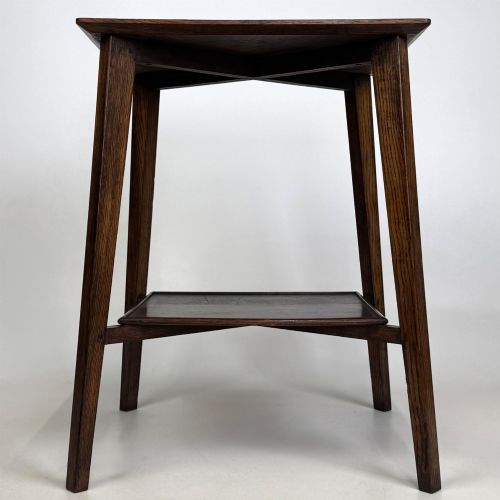
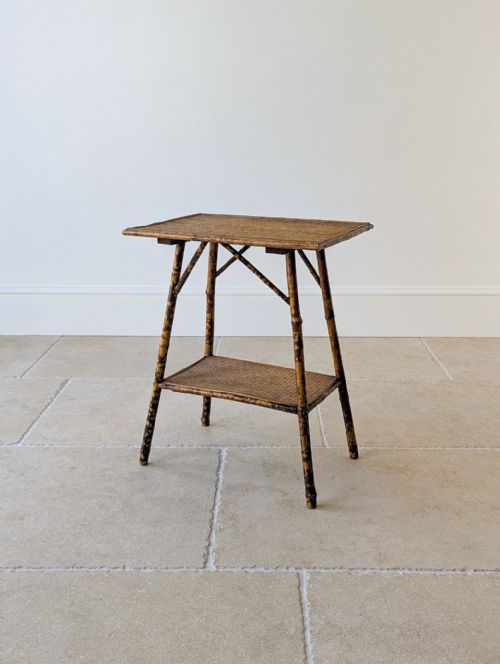
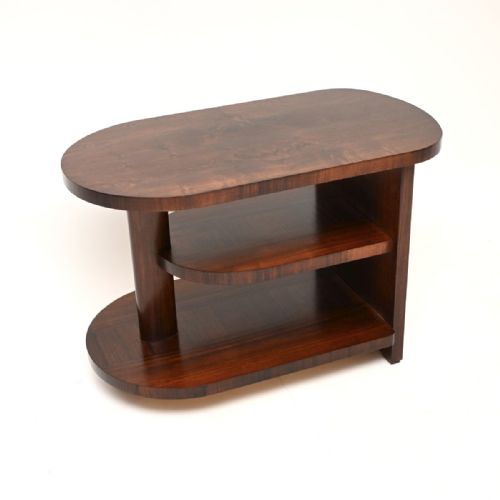
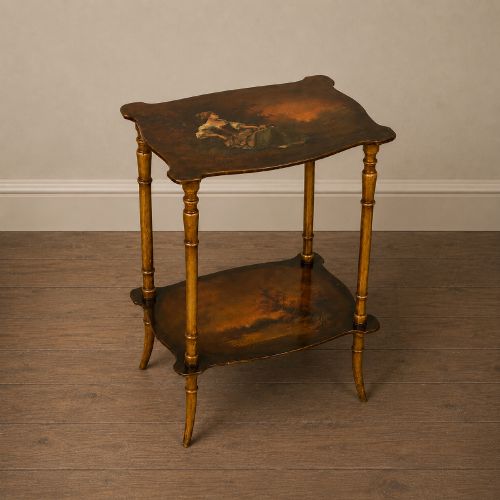
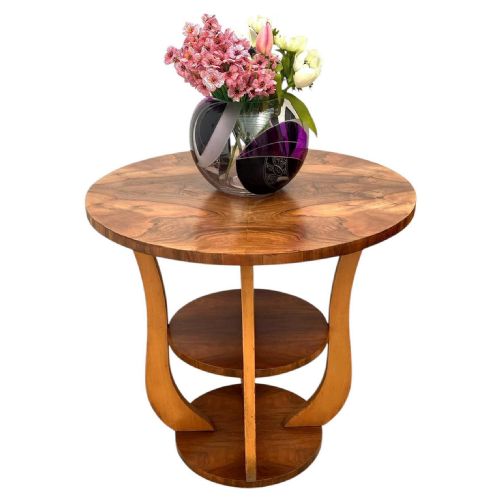
Roughly half the category is glazed. About a quarter is not: plain occasional, side, lamp and centre tables, plant and vase stands, étagères and shop counters, sold as display furniture on how they were used rather than how they were built. Occasional appears in 40 titles and is the fastest-growing term in current stock.
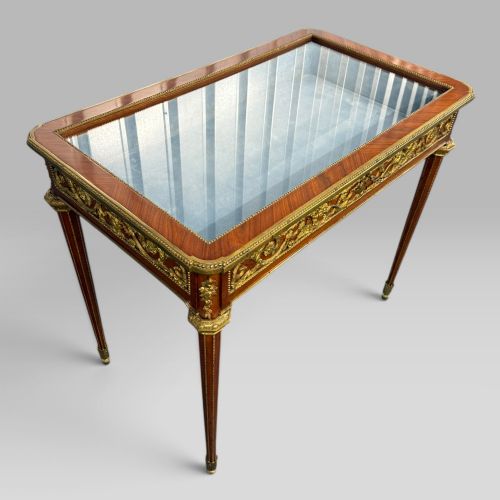
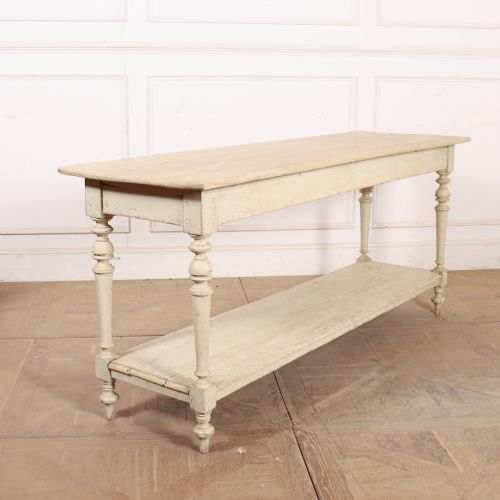
Smaller threads run alongside. French mounted and marquetry examples make up around one in ten, with ormolu in 17 titles and kingwood in eight. Chinese and Japanese work accounts for twenty titles, taking in altar tables, a kang or opium table, hongmu and amboyna. Trade pieces are scarcer still: drapers' and tailors' tables, a boulangerie table, a jeweller's countertop shelf.
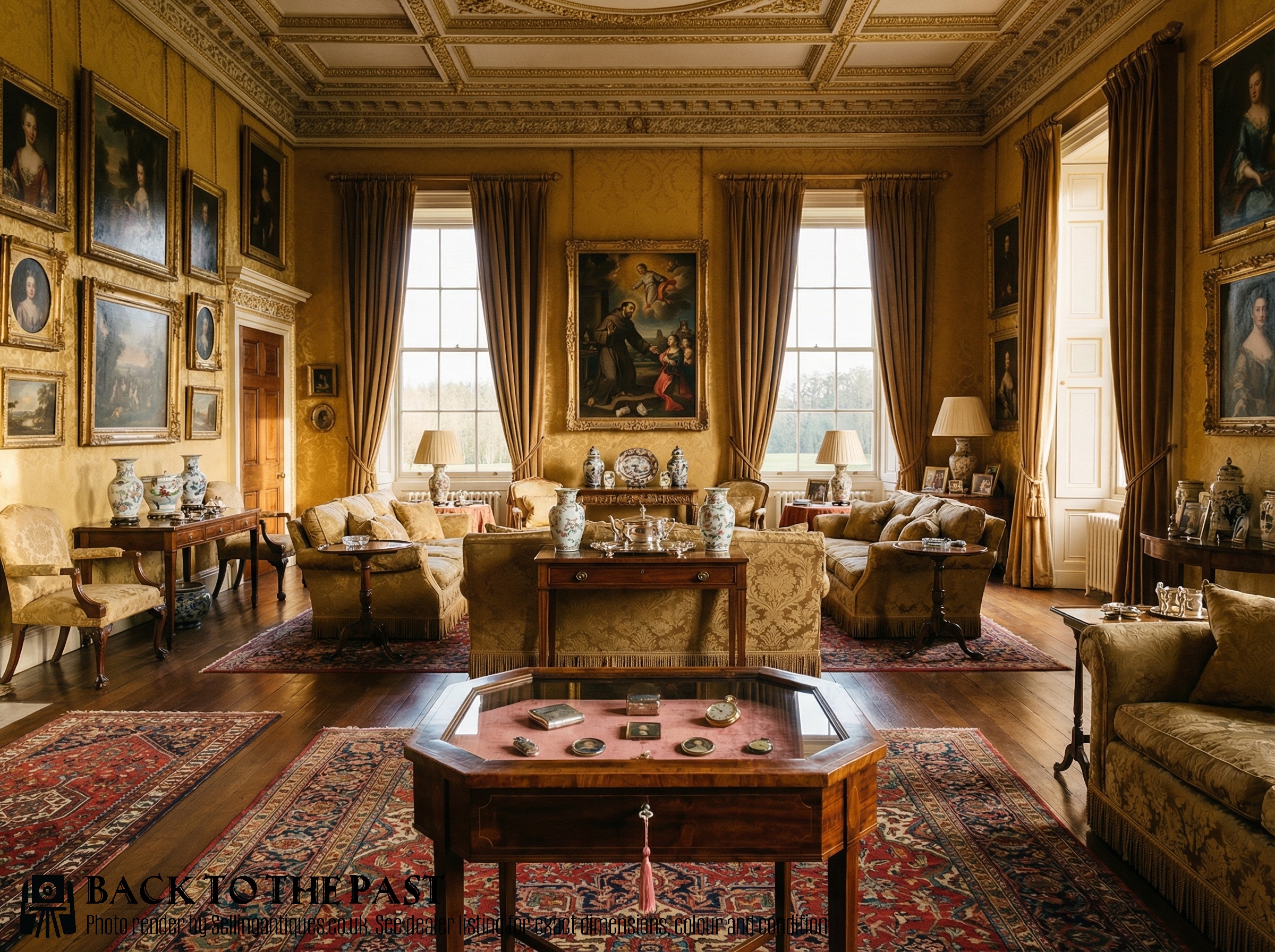
Where The Range Sits
Timber sets the floor and much of the ceiling. Oak and beech examples sit at the bottom of the range; satinwood, rosewood, kingwood and burr walnut sit well above plain mahogany. Satinwood turns up in 28 titles and rosewood in 24, so the better woods are not unusual, just outnumbered.
Applied metal is the strongest single lift. French ormolu-mounted bijouterie tables occupy the upper reaches, with gilt-bronze mounts on edges, legs and corners. Decoration works the same way in a milder register: marquetry and painted satinwood above plain banding, banding above nothing at all.
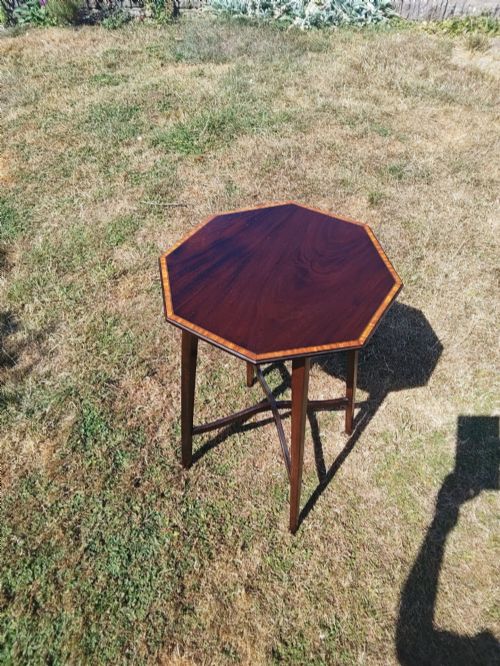
Shape and scale do the rest. A shaped, kidney, oval, octagonal or heart-shaped top carries more than a plain rectangle, and large examples and matched pairs run higher than single small ones. Fifteen titles offer a pair, and in the samples the top of the range is held by pairs of occasional tables in burr elm and ebony and in amboyna rather than by a glazed table.
Retail Price Guide 2026
Typical UK retail prices for display tables, calculated from the Sellingantiques database of over a million retail prices indexed since 2003. This retail price guide relies exclusively on Sellingantiques data; no external sources or auction records are used, so the figures do not describe the wider market.
Dealers spell one word three ways - bijouterie, bijoutiere and bijoutierie - sometimes all within the same listing.
The Antique Display Tables Glossary
- Bijouterie table
- The trade term for a small table with a glazed compartment for jewellery and trinkets. Also written bijoutiere and bijoutierie in these listings.
- Vitrine
- A glazed case. In these titles it stands in for the same table, as do show case and display case.
- Inlaid
- Decorative woods let into the surface. In 77 titles, the commonest decorative term in the category.
- Ormolu
- Gilded metal mounts applied to edges, legs and corners. Seventeen titles use it, eleven of them as ormolu mounted.
- Kidney shape
- A curved top outline, named in several titles alongside serpentine, oval and simply shaped.
- Étagère
- An open tiered stand for display without glazing. It shows up with the word tier, which appears in nine titles.
Frequently Asked Questions
What is a bijouterie table?
It is a small table whose top is a glazed case, hinged or lift-off, for showing jewellery and small collectables under glass. The word appears in 174 of 366 titles on Sellingantiques, which makes it the term that carries the category.
Dealers spell it three ways, bijouterie, bijoutiere and bijoutierie, and sometimes use more than one spelling in the same listing.
Why are some listed as cabinets or vitrines?
Because the same object goes under four names. Cabinet appears in 35 titles, vitrine in 12 and case in 10, alongside show case and display case phrasing.
The words describe the glazed top section rather than a different kind of furniture. A table, a cabinet and a vitrine in these listings can be the same slender-legged piece.
Are all display tables glazed?
No. Roughly half the category has a glass display top. The rest takes in plain occasional, side, lamp and centre tables, plant and vase stands, tiered stands and shop counters.
Those pieces are listed as display furniture on the strength of what they were used for. Occasional appears in 40 titles and is the term growing fastest in current stock.
What period do most examples come from?
The weight sits at the very end of the 19th century and the start of the 20th. The dated field records 71 Edwardian pieces and 55 from the 1900s, then 27 from the 1910s, 24 from the 1890s and 22 from the 1920s.
A fifth of the record gives only a century or a reign, with 46 listings as 19th Century and 27 as Victorian. Dealers hedge further with phrasing like late 19th/early 20th and c.1900-20.
A few titles claim Georgian or Regency dates, but several of those describe revival work made much later, so early dates in titles read better with that in mind.
Which makers turn up in this category?
None with any regularity. A scan for maker names across the archive returned nothing consistent, and the few firm names that do appear in titles come from single listings.
Around forty display tables come to market on Sellingantiques in a year and 116 different dealers have listed one, so almost every dealer who handles them handles them singly. Descriptions lean on timber, shape and period instead of a name.
Do shop and trade display tables appear?
They do, as a small but steady thread. Shop occurs in only ten titles in all.
The samples include French drapers' and tailors' shop tables, a boulangerie table, a patisserie console, a jeweller's countertop shelf and a showcase eight feet eight long. Glazed counters served commercially what the bijouterie table served at home.