

Antique Chess Tables
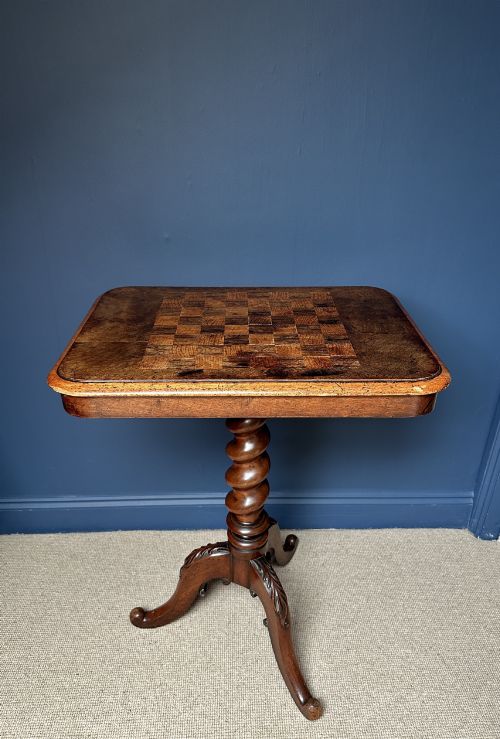
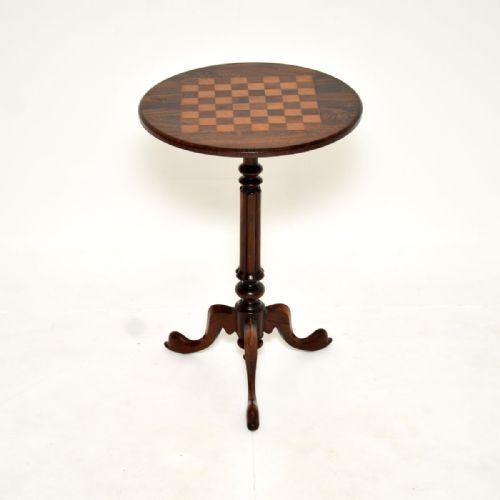
A small or medium occasional table with a chequered board set into the top, made for chess and often for backgammon, cards or cribbage as well.
What They Are
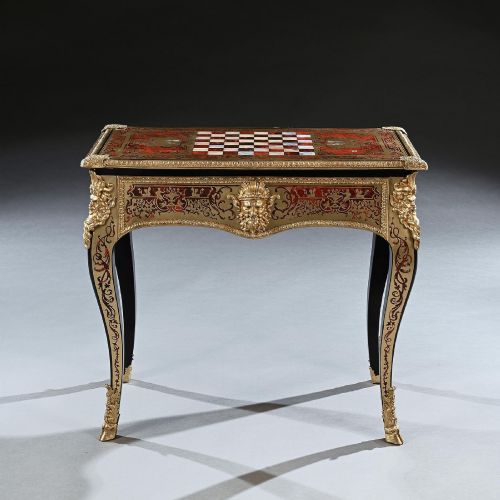
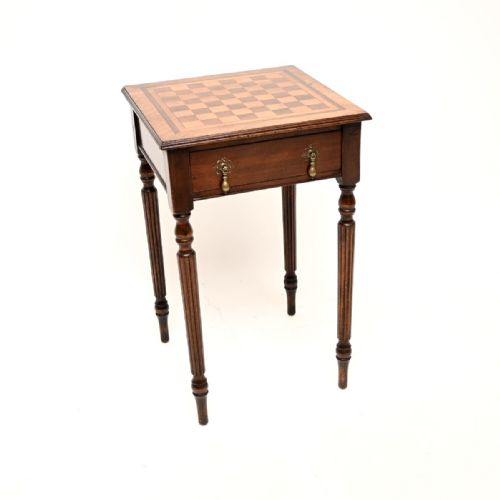
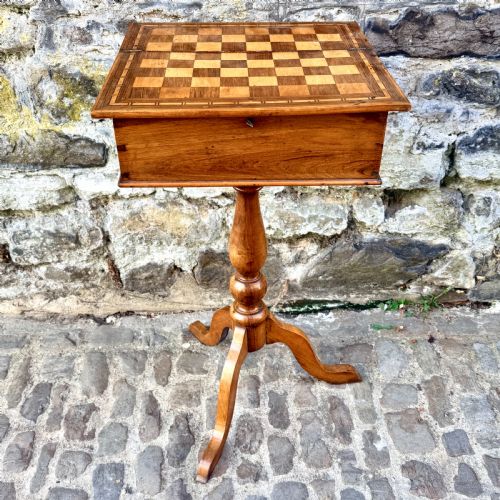
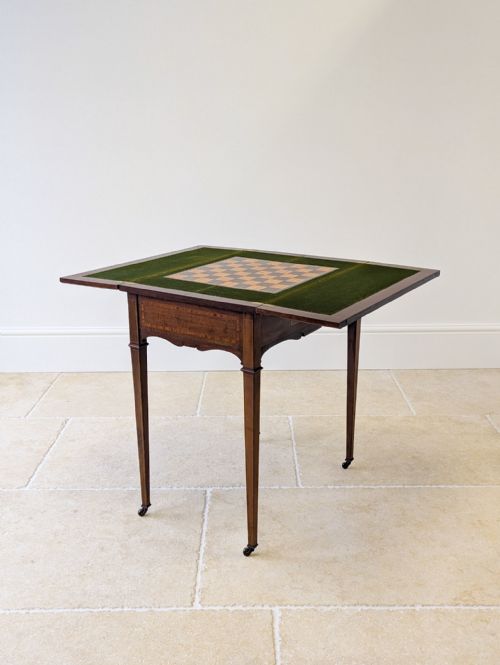
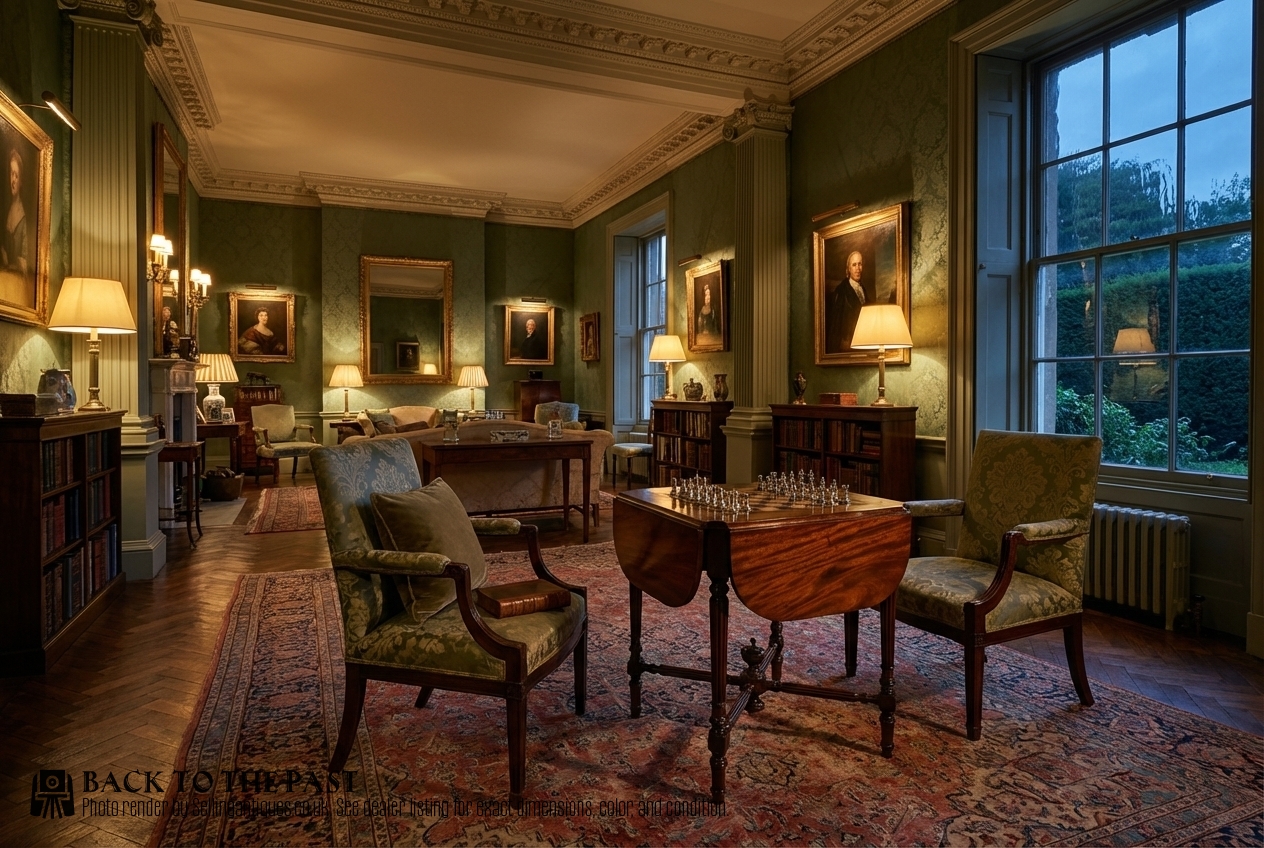
Purpose-made tables with a chequer top became standard drawing-room furniture in Britain from the late 18th century, as parlour games furniture grew into a trade of its own. The board is usually 64 squares inlaid in contrasting woods, sometimes with a second playing surface for backgammon under a reversible or sliding top.
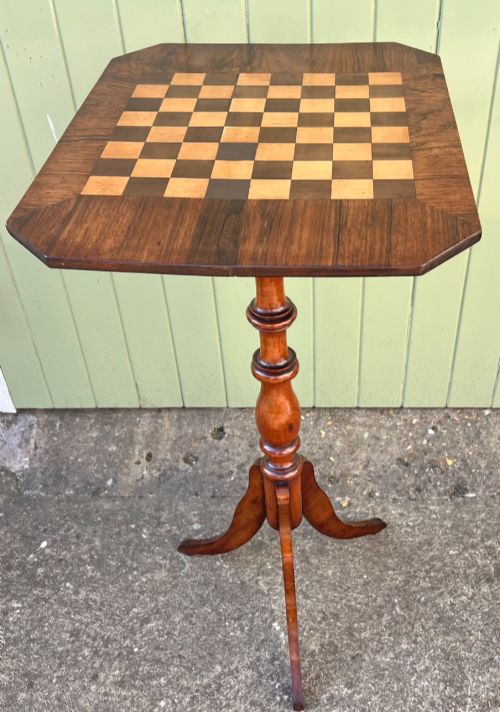
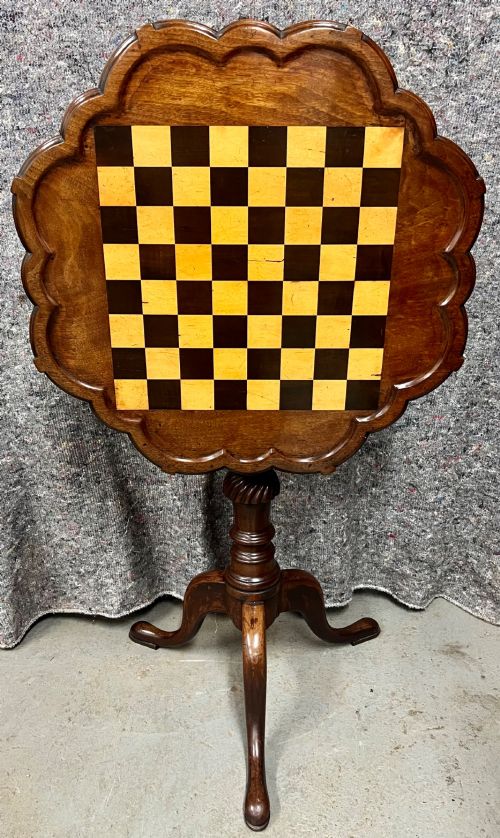
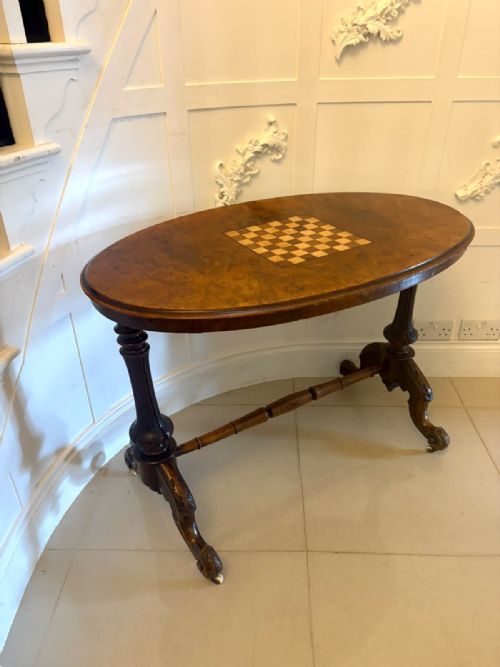
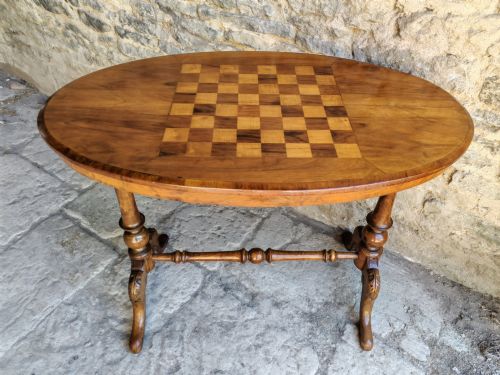
The version you're most likely to meet is Victorian and walnut. Of 233 titles on Sellingantiques, 102 say Victorian and 68 say walnut, with burr walnut named in 24 and "inlaid" in roughly a quarter. Rosewood is the next timber down, then mahogany, and the plainest end of the record is a mahogany tripod with a chequer inlay and nothing else.
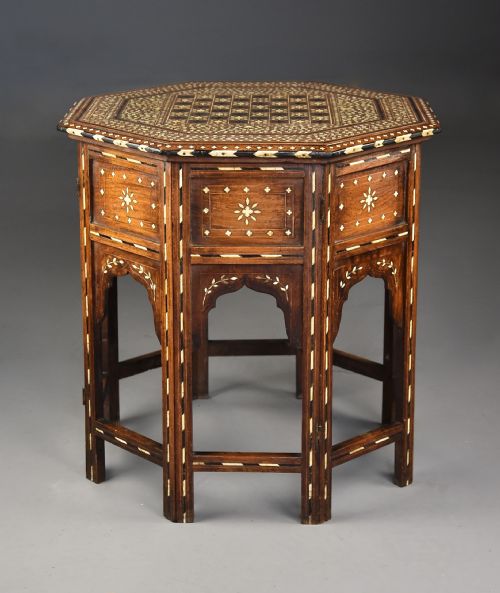
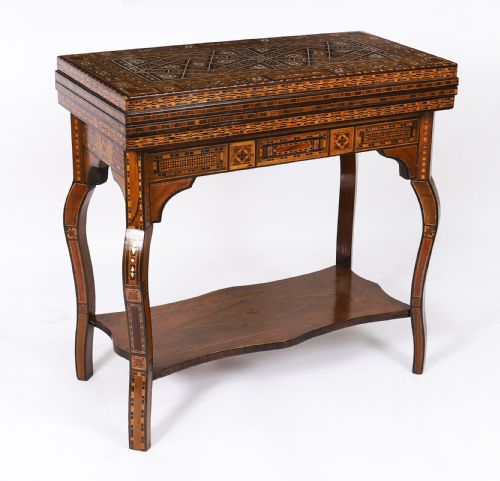
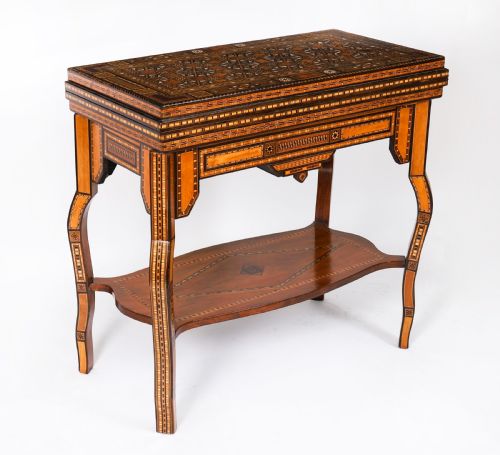
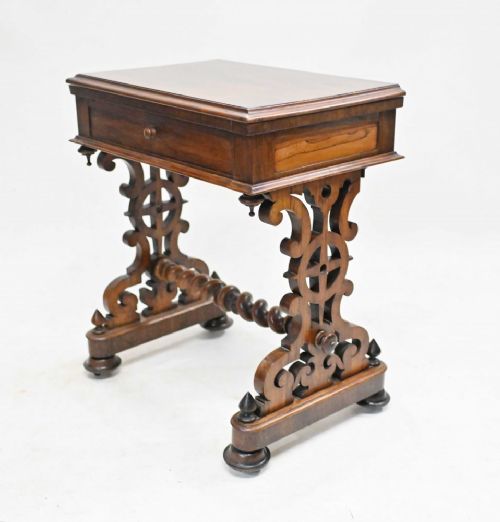
Beyond that sit several smaller seams. Combination games and work tables pair the board with a fitted sewing well. Regency and William IV pieces bring penwork and the occasional quartetto nest of four, the smallest table carrying the board. A consistent group of Middle Eastern and North Indian inlaid tables runs through the archive, from Damascus and Syrian card-chess-backgammon tables to Hoshiarpur bone inlay and Kashmir marble.
Dating is broad. The dealer-supplied dates run from 1750 to 1930, but nearly half the record is given only as Victorian or "19th Century", with Regency adding a further block. Where a decade is named, the 1860s and 1880s carry the most listings. Georgian and Edwardian pieces appear, but only in ones and twos.
What Sets Them Apart
Timber and figure move the range first. Plain mahogany occasional tables sit at the bottom; burr walnut, named in 24 titles, clusters through the upper middle. Rosewood falls between the two. The chequer itself is often the same on both, so it's the carcass wood and the figure that separate them.
Then it's how much the table does. A single-purpose chess top is the base case. Add backgammon beneath a reversible top, a card surface, a cribbage board or a sewing well, and the piece climbs well above it. The fitted combination tables sit far above the plain chequer-top occasional table.
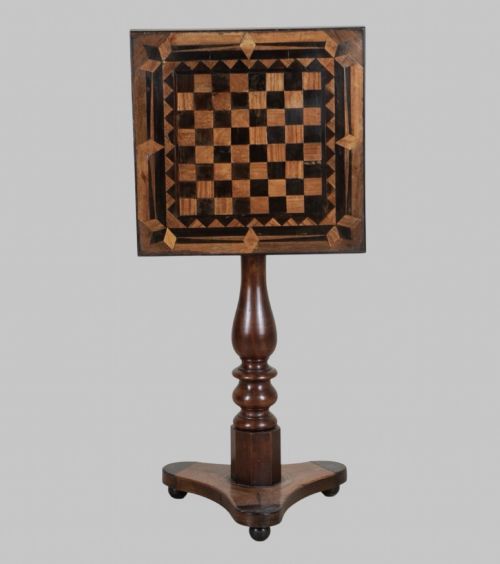
Decorative technique and material do the rest. Penwork, marquetry and papier-mâché read as premium against plain inlay, and specimen wood and marble tops are the scarcest thing in the record. Damascus and Hoshiarpur inlaid work sits well above the walnut norm, as does anything carrying the one workshop name that recurs.
Retail Price Guide 2026
Typical UK retail prices for chess tables, calculated from the Sellingantiques database of over a million retail prices indexed since 2003. This retail price guide relies exclusively on Sellingantiques data; no external sources or auction records are used, so the figures do not describe the wider market.
About twenty-three chess tables are listed on Sellingantiques each year, and 104 different dealers have listed one.
Gillows
The Antique Chess Tables Glossary
- Chess top
- The playing surface itself, usually a 64-square chequer inlaid into the table top. Also written chequer top.
- Games table
- A table made for play generally, so chess plus backgammon, cribbage or cards, rather than chess alone.
- Fold over
- A hinged top that swings open to reveal a second playing surface beneath. Tilt top or tip top means something different: a top hinged to the pillar so it can stand vertical against a wall.
- Burr walnut
- Figured walnut cut from a burr growth. After plain walnut it's the most named decorative timber in this category.
- Penwork
- Black-and-gold decoration drawn in ink over a japanned ground, seen on Regency pieces here.
- Quartetto
- A graduated set of four nesting tables, the smallest sometimes fitted with a chess board.
Frequently Asked Questions
What wood are they usually made from?
Walnut leads the record, named in 68 of 233 titles, with burr walnut in 24 of those. Rosewood comes next, then mahogany.
Other materials turn up in smaller numbers: specimen wood tops made up of many named timbers, marble including a Devonshire example, papier-mâché in three ebonised or painted mid-century tops, and bone inlay on the North Indian pieces.
Are chess tables only for chess?
Often not. Of the titles on Sellingantiques, 92 mention games, and backgammon appears in 19. Cards and cribbage show up too.
A reversible or sliding top is the usual arrangement, with the chequer on one face and backgammon or a baize card surface below. A further group combines the boards with a fitted sewing well, sold as a games and work table.
How old is a typical one?
The dealer dates run from 1750 to 1930. Victorian and "19th Century" together account for most of the record, so a lot of the dating is only precise to a century.
Regency forms the next block, with 27 listings. Where a decade is given, the 1860s is the busiest with 23, followed by the 1880s with 21.
What are Damascus and Hoshiarpur chess tables?
They're the Middle Eastern and North Indian seam of this category. Damascus, Syrian and Levantine tables typically combine card, chess and backgammon surfaces under dense inlay.
Hoshiarpur is a North Indian centre for bone-inlaid furniture, and several octagonal chess tables in the archive come from there. Kashmir marble appears once. All of this work sits high in the range.
How many come up for sale each year?
About 23 a year on Sellingantiques, listed by 104 different dealers over the life of the archive.
That means almost every dealer who handles the form handles one at a time, rather than a stock of them.
Do nests of tables count as chess tables?
A handful in this archive are Regency quartetto sets: four graduated tables, with the smallest carrying the chess board.
They turn up only occasionally, and they're catalogued under the same heading as the standing chess-top tables.