

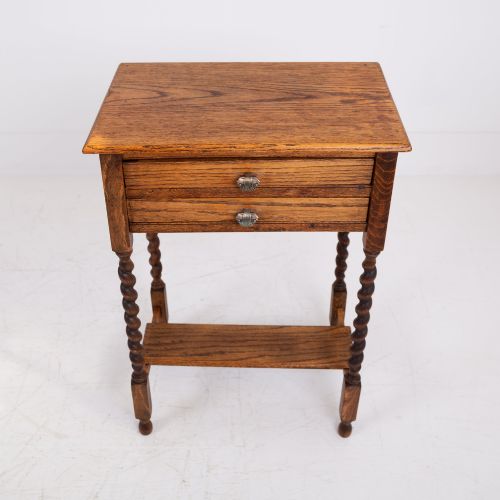
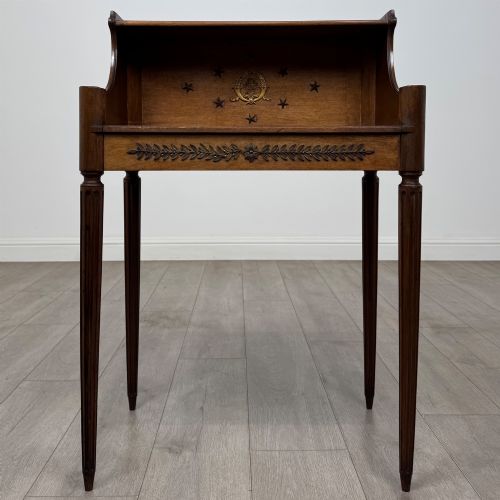
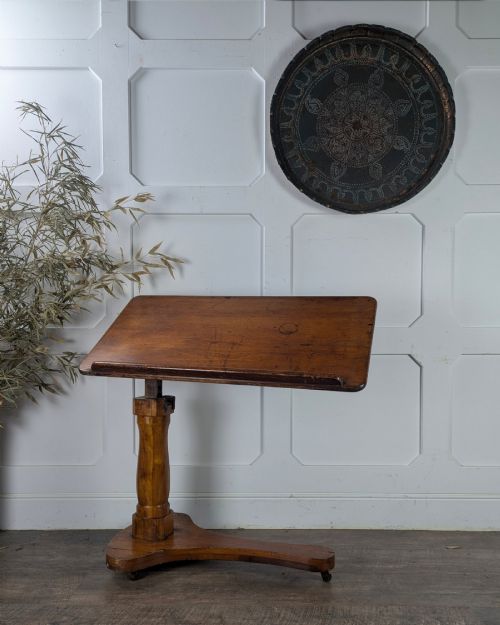
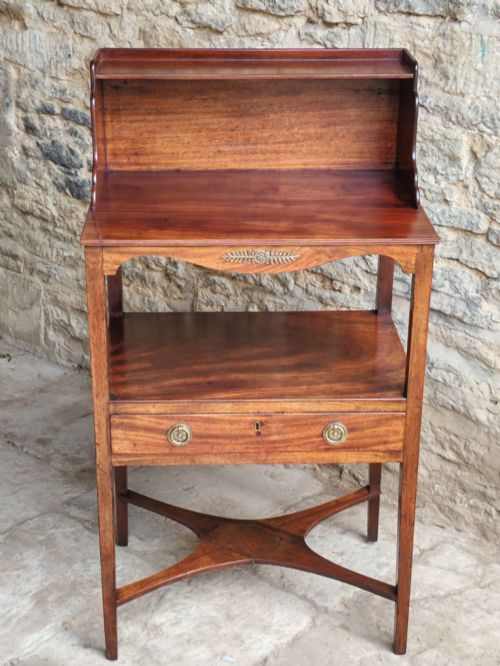
Antique Bedside Tables
A small table of nightstand height, put beside a bed for a lamp, a book or a glass of water.
Antique Bedside Tables
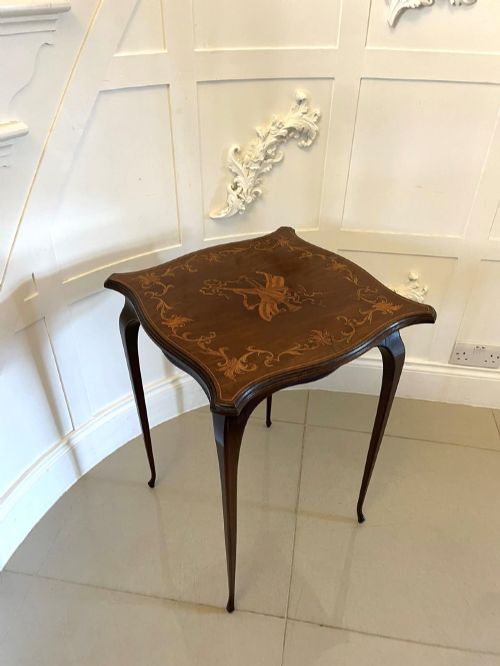
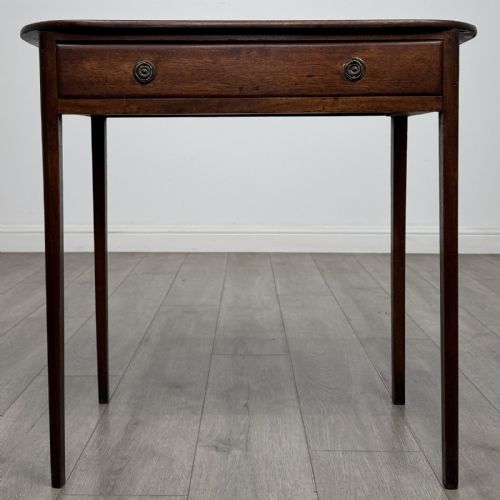
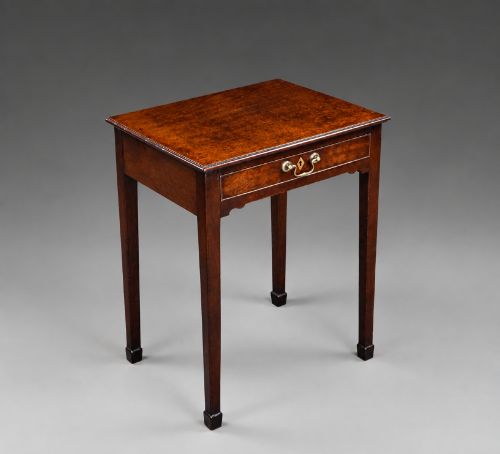
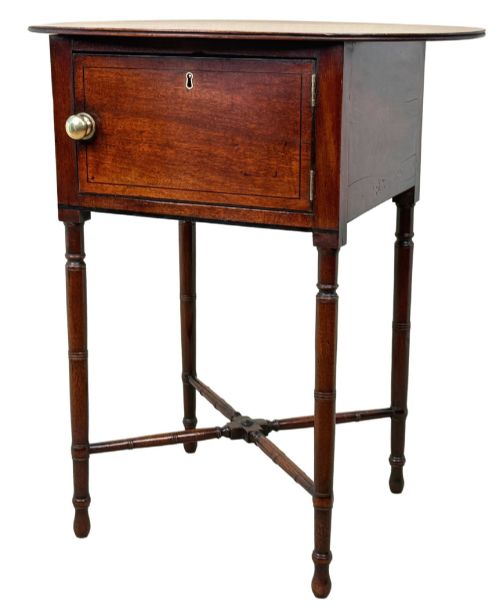
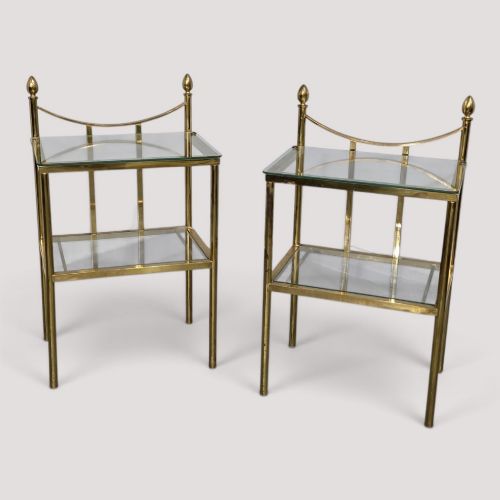
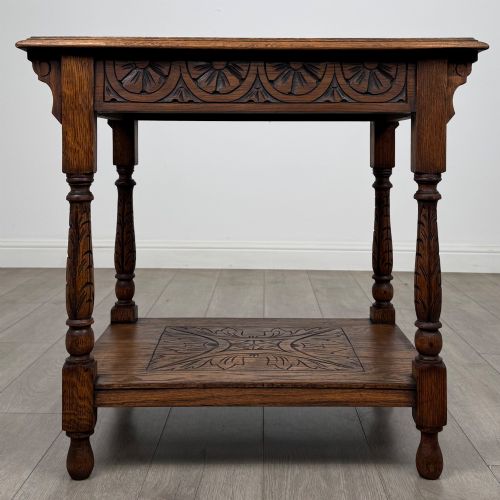
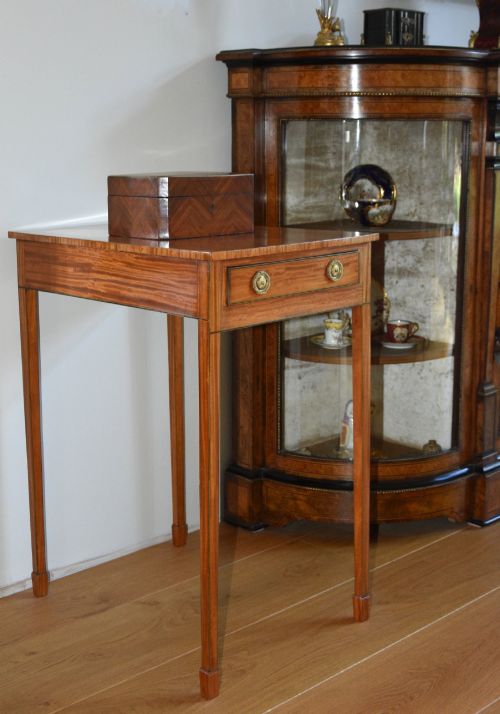
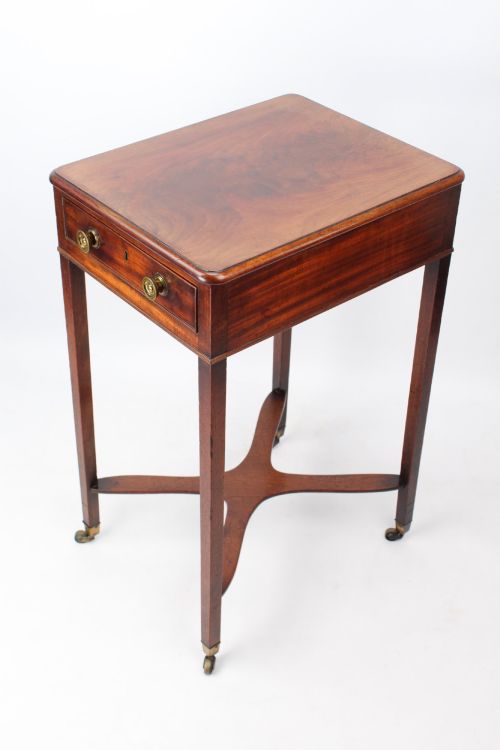
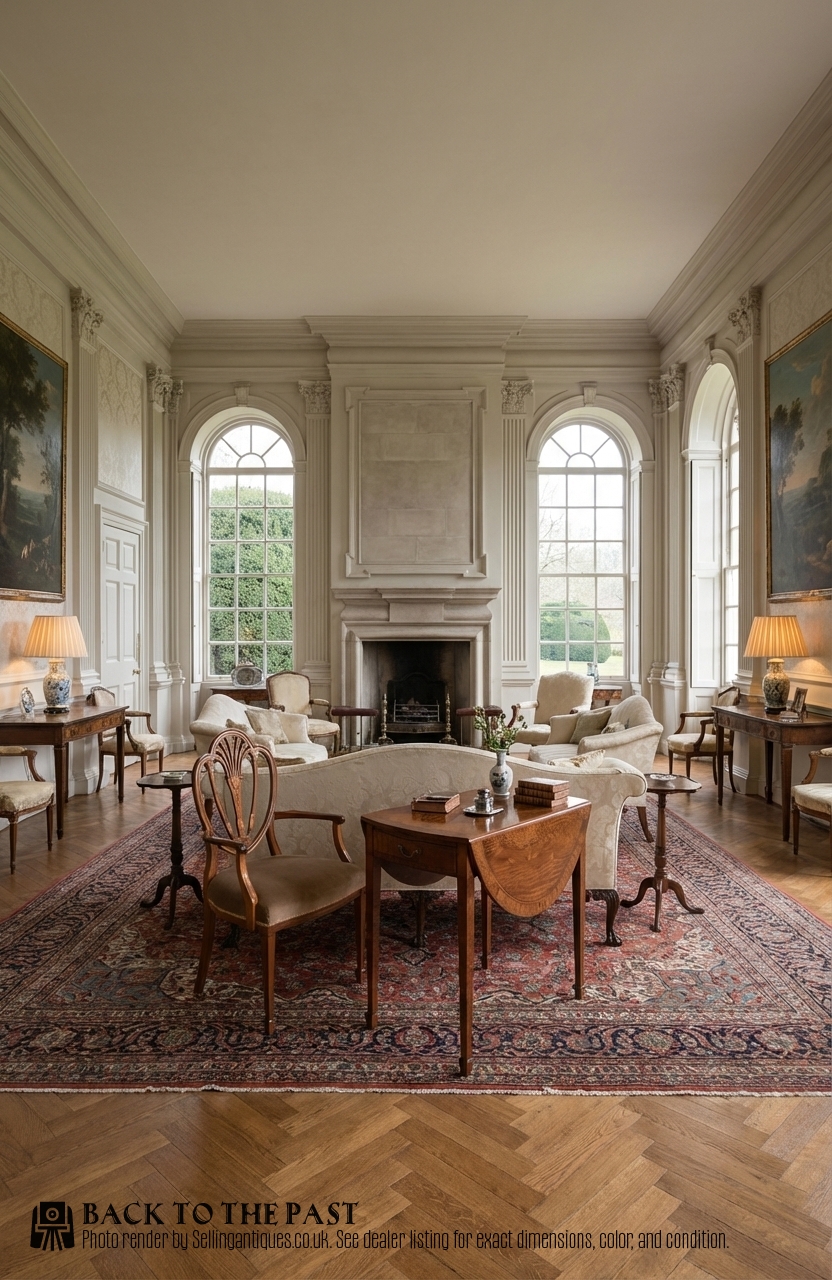
The heading covers a use rather than a single form. What sits under it on Sellingantiques is small occasional furniture of roughly the right height and footprint: side tables, lamp tables, work tables, Pembrokes and washstand-derived pieces, offered as bedsides. Titles often carry two or three names for the same object, so "Side / Lamp / Bedside Table" is a normal way of describing one thing.
Small tables were placed by a bed from the 18th century, alongside the night table and washstand, and the purpose-made bedside settled into the furnished bedroom through the 19th and early 20th centuries. Much of what is sold as one today started life as a general occasional or lamp table.
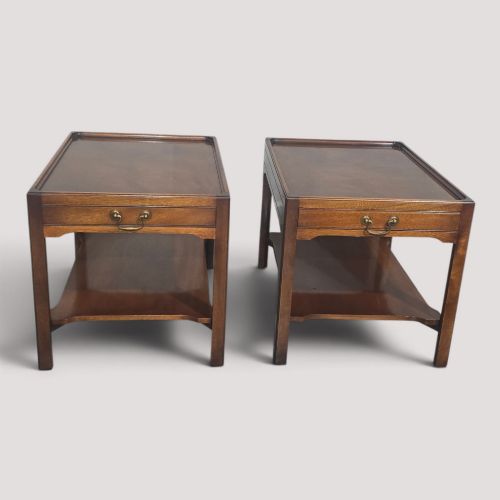
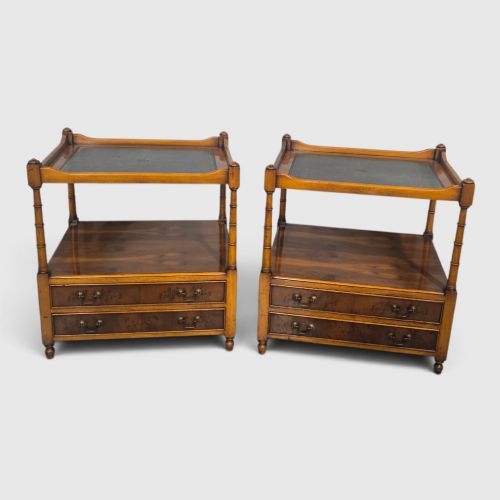
Mahogany dominates the timbers, with oak, walnut and a scatter of kingwood, rosewood, satinwood, yew, ash, cherry and fruitwood behind. English mahogany side and lamp tables form the largest single block, and pairs are the category's signature: 82 of 224 titles say pair, some of them matched or near pairs brought together later rather than made together.
The dated field runs 1750 to 1940, and the 1920s is the busiest decade in the archive, ahead of the 1930s. Georgian, Regency and Victorian labels fill in behind, and titles reach earlier than the field admits, including an oak side table given as c.1690. French pieces are roughly a sixth of the category: marquetry, parquetry, kingwood, ormolu mounts and marble tops. Painted finishes are a live-stock note, absent from the sold archive, and include Swedish and Spanish examples.
Where The Range Splits
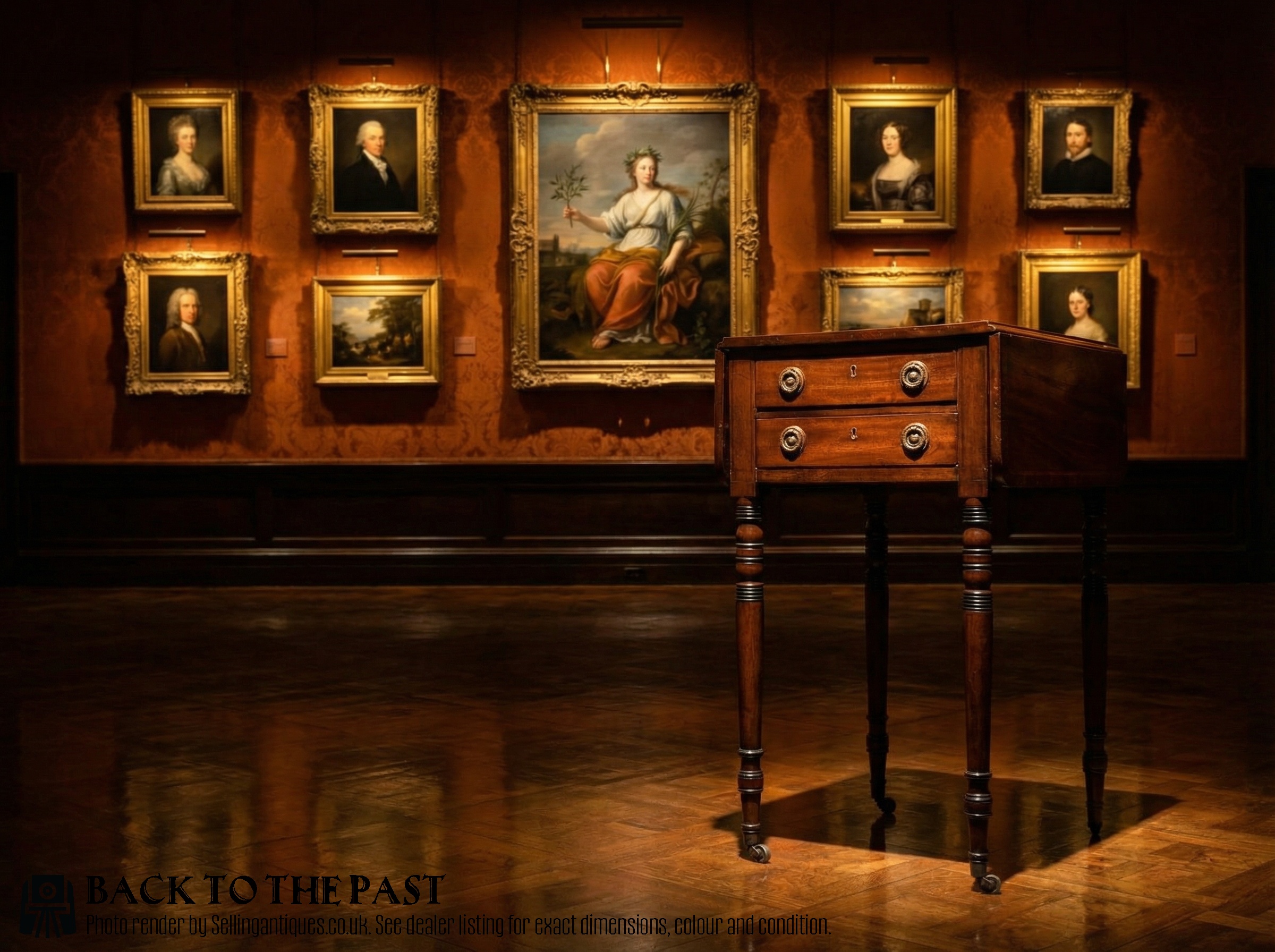
Two tables carry more than one. Pairs cluster in the upper half of the range, and the highest-priced entries are pairs of French marquetry, kingwood or inlaid rosewood. A single plain small table in mahogany or oak, Edwardian or 1920s, sits at the other end.
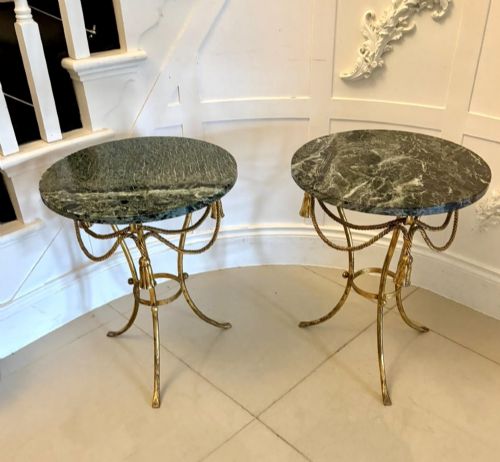
Surface decoration does the rest of the lifting. Marquetry, parquetry and burr veneers push a table upward, as do added elements: ormolu mounts, brass mounts, marble tops and leather tops recur through the top part of the range. Marble turns up only occasionally, and then almost always on French or Italian pieces.
Timber and name matter too. Satinwood, kingwood, tulipwood, rosewood, yew and burr walnut appear on the higher-priced titles, while mahogany and oak form the body of the range. A recognised form described specifically, a Pembroke, a work table, a night table, reads differently from a table simply called side or lamp.
Antique Bedside Tables Retail Price Guide 2026
Typical UK retail prices for bedside tables, calculated from the Sellingantiques database of over a million retail prices indexed since 2003. This retail price guide relies exclusively on Sellingantiques data; no external sources or auction records are used, so the figures do not describe the wider market.
The top sale of the last year on Sellingantiques was a pair of figured mahogany lamp and bedside tables, sold in September 2025.
The Antique Bedside Tables Glossary
- Lamp table
- A small table of table-lamp height, used in 66 titles and often interchangeably with bedside.
- Side table
- The commonest term in the category, in 81 titles, for a small table standing against a wall or bed.
- Pair, near pair, matched pair
- Two tables sold together. Titles distinguish a true pair from a matched or near pair assembled later.
- Pembroke
- A table with two hinged drop leaves on side rails and usually a drawer, in 15 titles, including baby and miniature versions.
- Marquetry
- Pictorial or floral veneer inlay, in 11 titles, most of them French. Parquetry is the geometric version, seen on kingwood and tulipwood pairs.
- Night stand
- An older name for the bedside piece, sometimes with a cupboard rather than a drawer. Washstand titles, originally basin stands, appear re-described as bedsides.
Antique Bedside Tables: Frequently Asked Questions
Are bedside tables usually sold in pairs?
Pairs are the shape this category most often takes. Of 224 titles, 82 say pair, and plural "tables" appears in 75.
Some are described as matched or near pairs, meaning two tables brought together rather than made together as a set.
What wood are they normally made from?
Mahogany leads by a distance, in 77 titles, followed by oak in 21 and walnut in 14.
Behind those come kingwood, rosewood, satinwood, yew, ash, cherry and fruitwood, mostly on the French and more decorated pieces.
How old are these tables?
The dealers' dated field runs 1750 to 1940, with 110 of 224 listings carrying a clean year rather than a period name.
The 1920s is the busiest decade at 38 listings, then a vague nineteenth century at 30 and the 1930s at 19. Regency, Georgian, Victorian and Edwardian labels fill in behind.
A few titles reach further back, including an oak side table given as c.1690.
Why do listings give three names for one table?
Because the object and the use are separate things. A table made as a lamp or side table serves as a bedside, so dealers write "Side / Lamp / Bedside Table" to cover how it might be wanted.
Occasional table appears in 26 titles for the same reason: a movable small table with no fixed job.
Do French bedside tables turn up often?
French pieces are roughly a sixth of the category, with "french" in 42 titles and "pair french" in 11.
They bring the marquetry, parquetry, kingwood and tulipwood, along with the ormolu mounts and marble tops. Origins beyond England and France are unusual: Swedish, Italian, Spanish and Continental pieces appear once or twice each across the whole archive.
Is a Pembroke table sold as a bedside?
Yes. Pembroke appears in 15 titles, including baby and miniature versions small enough to stand by a bed.
Drop-leaf tables account for another eight, the hinged flaps letting the top shrink when it is against a wall.