
Antique Farmhouse Tables
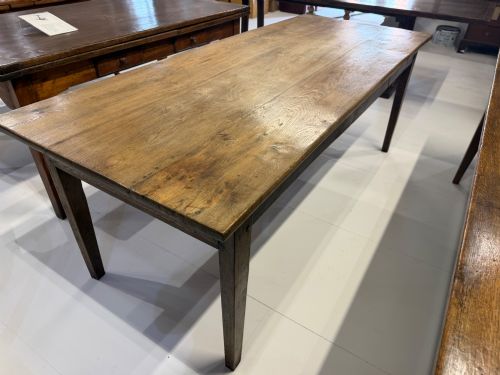
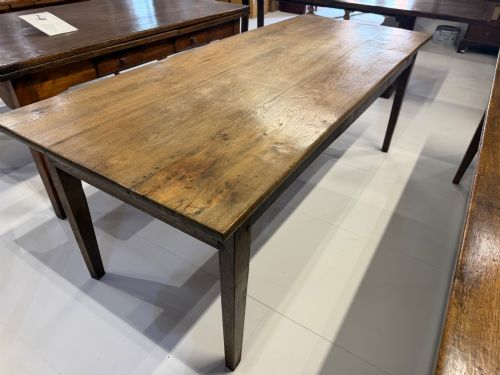
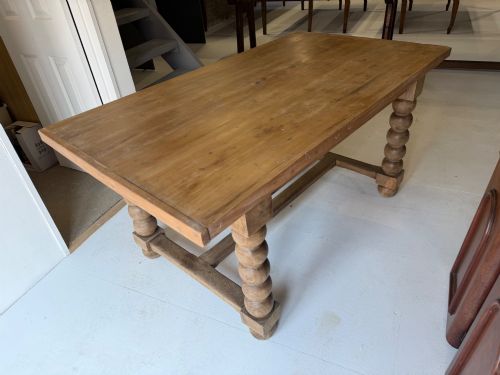
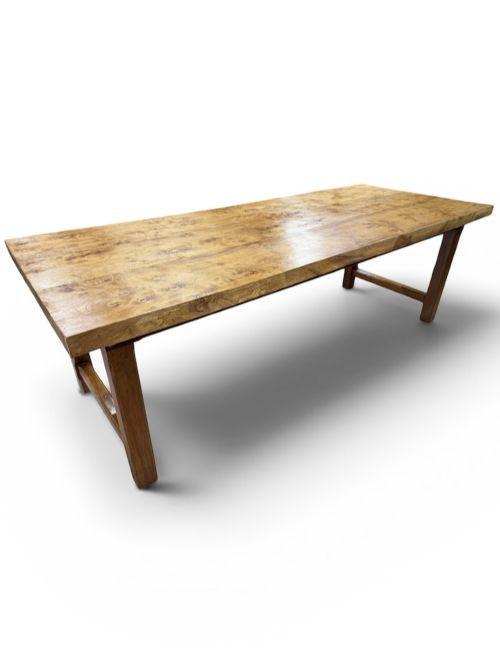
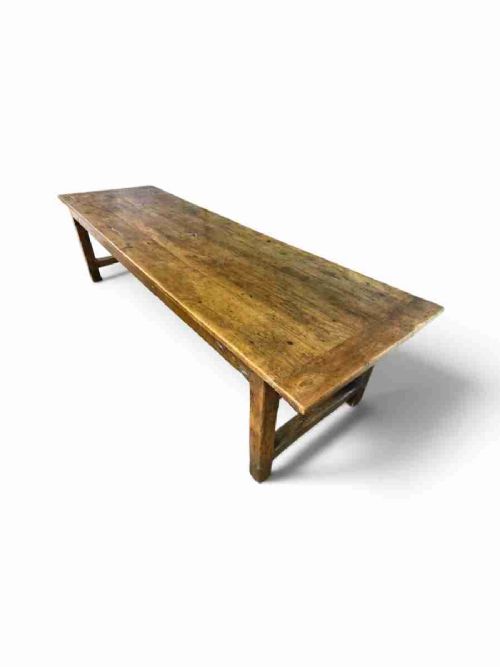
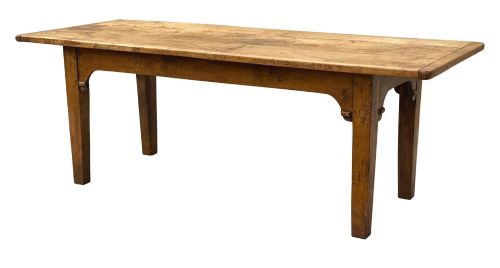
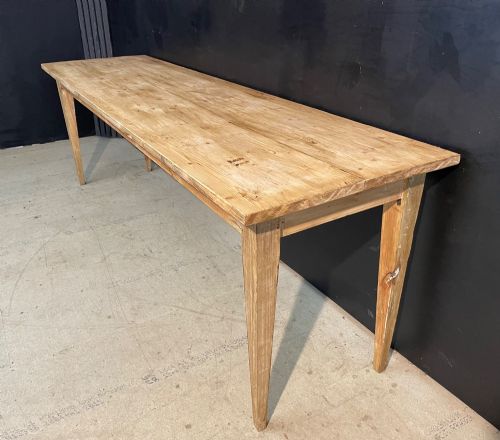
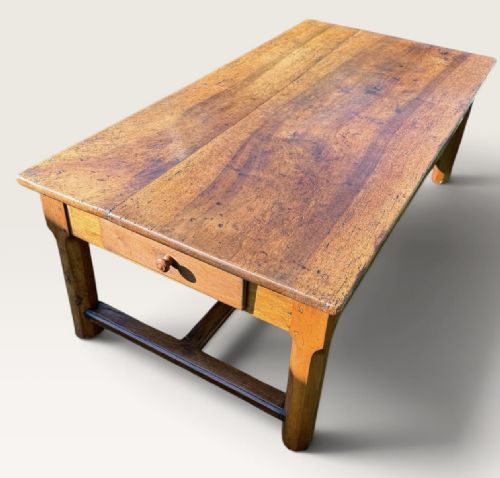
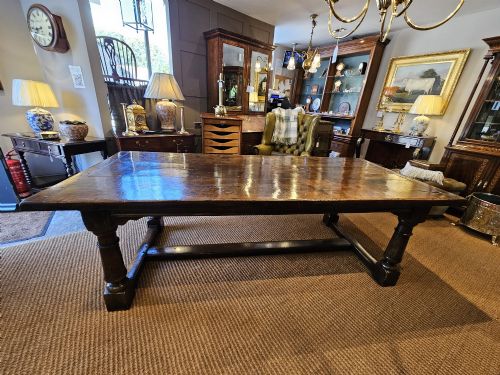
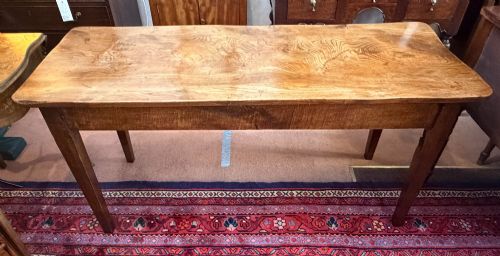
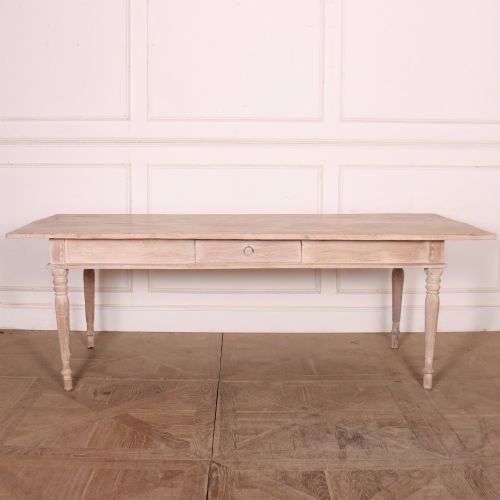
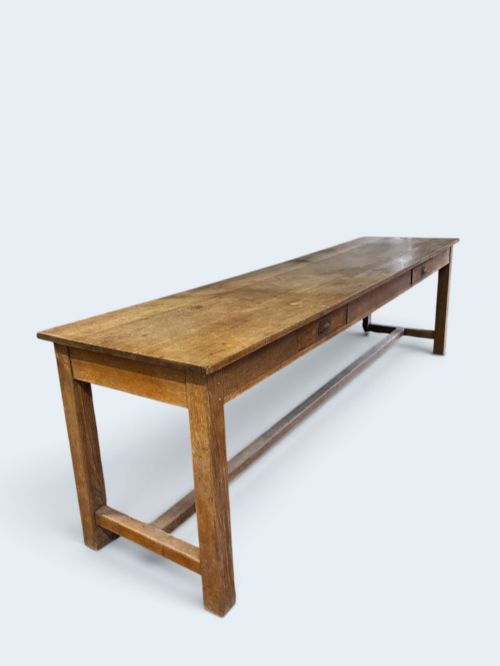
A long, plainly-built table in solid timber, with a planked top on turned, square or trestle legs, made to seat a household and stand up to daily food preparation.
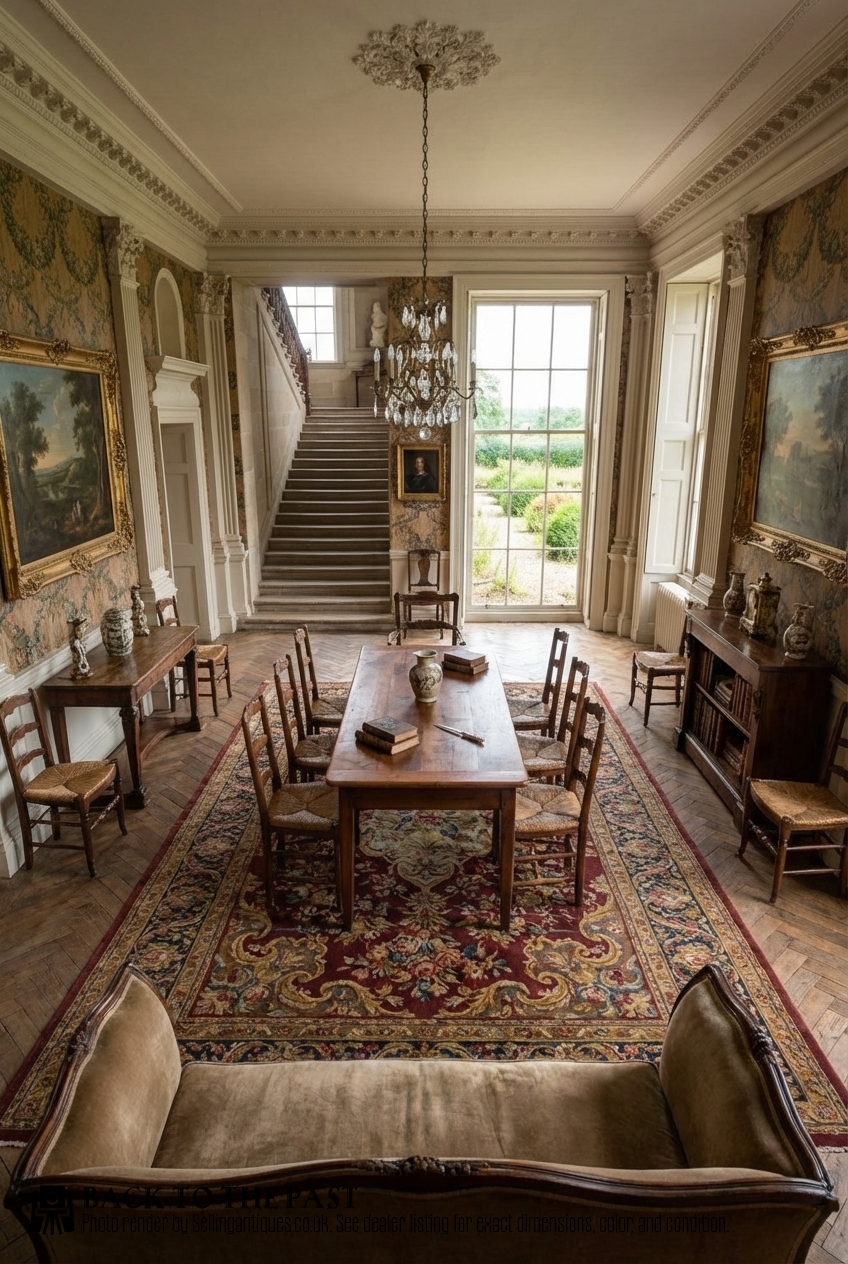
Antique Farmhouse Tables
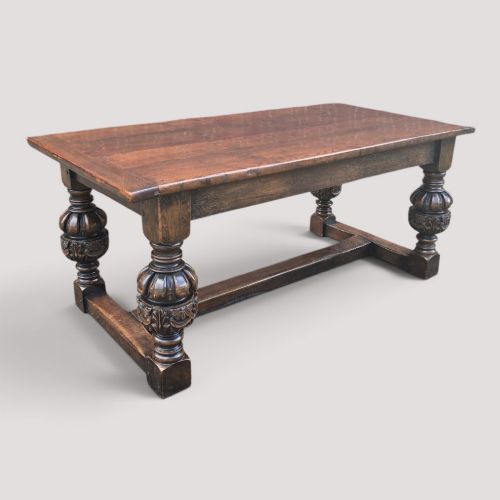
Long plank-topped tables for eating and preparing food are among the oldest surviving domestic furniture forms in Britain and Europe. They were built by local joiners in whatever timber came to hand, not by cabinet shops. "Farmhouse" and "refectory" are later trade names for the same idea: a scrubbable top on a sturdy underframe.
The labels move around. "Dining" appears in 946 of the 2,290 listings, "refectory" in 438 and "kitchen" in 397, often describing much the same table. What the titles do name consistently is the timber: oak leads with 924, then pine at 354, cherry and cherrywood over 200 across spellings, elm at 154, fruitwood at 80, walnut, chestnut and ash behind them.
Nearly two in five titles say "french" (891), so a large part of the category is Continental country furniture brought in for the British dining room rather than English farm-made stock. The biggest single group inside that is the French oak table, and within it the bleached oak tables, many dated to the 1920s. That decade is the archive's largest precise one at 456 listings.
Dating is often broad. "19th Century" alone accounts for 649 listings and "Victorian" a further 176, so roughly a third of the archive is dated only to a century or a reign. Eighteenth-century dating appears on 116 listings, and the dated field as a whole runs from 1700 to 1940. Around 258 of these tables are listed a year on Sellingantiques, across 189 different dealers.
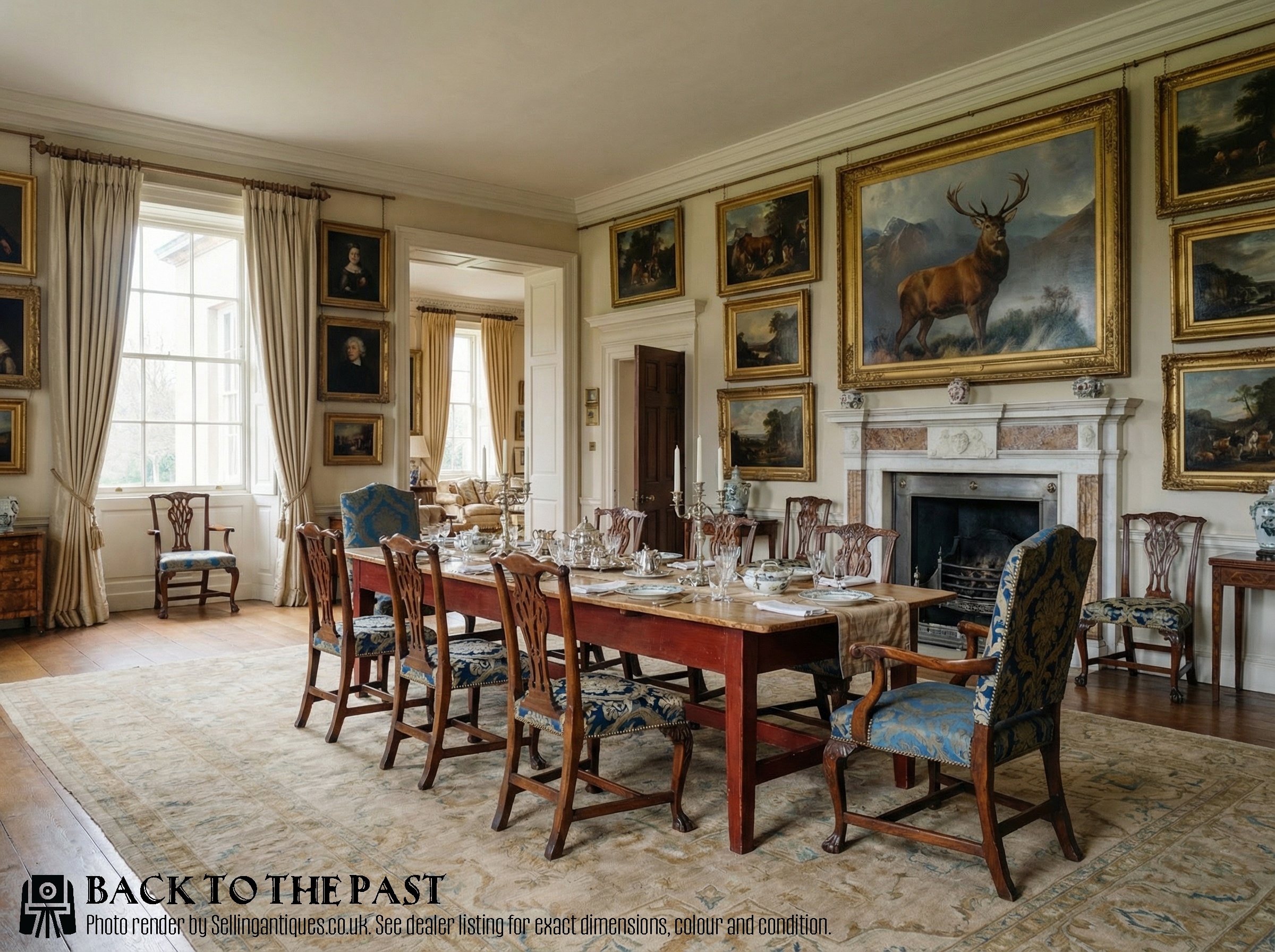
What Sets Them Apart
Length is the boast. Two-metre and 2.5m tables sit through the middle of the range, while 3m, 3.3m, 3.4m and 3.5m tables hold the top, and "Wide", "Deep" and "Long & Deep" recur in the highest-priced bleached oak titles. Seating figures do the same work, running from two- to four-seaters low down through "seats 8" and "10 seater" to a 14 seater.
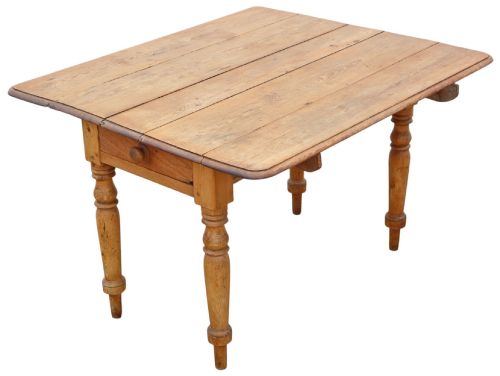
Timber sorts the range as clearly as size. Pine dominates the cheaper titles, many of them Victorian pine kitchen tables, and small rustic pine kitchen and side tables sit at the very bottom alongside farmhouse coffee tables. Elm, chestnut, cherrywood, walnut and big early oak occupy the upper positions, with an 18th-century oak dining table well clear of everything else.
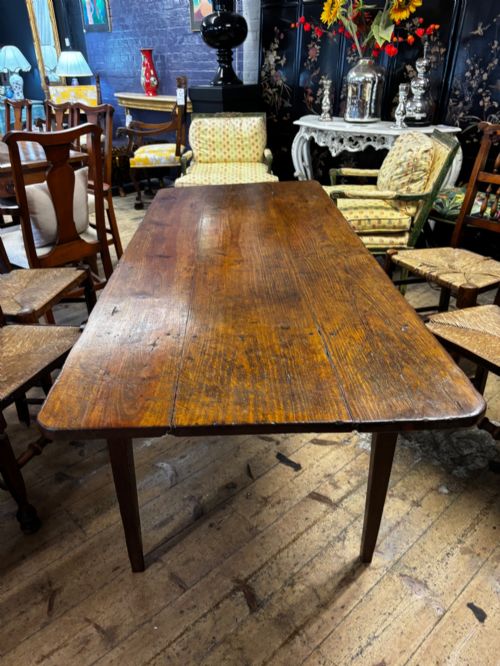
Tops are described board by board because it matters. "Two Board Top", "Three Plank", "Five Plank" and "Single planked oak" all appear as selling points, and the single- and wide-plank examples sit high. Early dating pulls the same way: 18th-century and Georgian descriptions cluster near the top, and 17th-century tables show up only twice across 800 sampled titles.
Antique Farmhouse Tables Retail Price Guide 2026
Typical UK retail prices for farmhouse tables, calculated from the Sellingantiques database of over a million retail prices indexed since 2003. This retail price guide relies exclusively on Sellingantiques data; no external sources or auction records are used, so the figures do not describe the wider market.
Farmhouse tables have been listed on Sellingantiques since 2008, and more than 1,900 have passed through since.
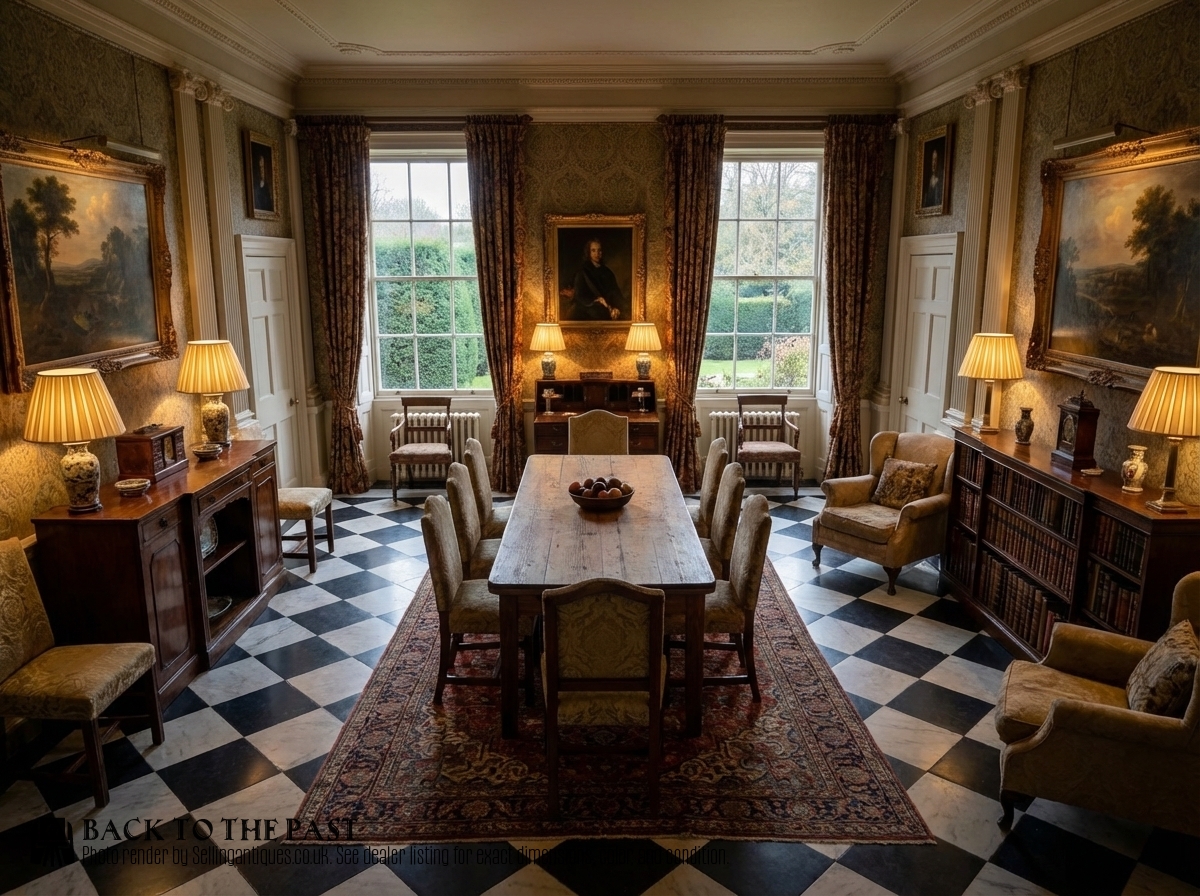
The Antique Farmhouse Tables Glossary
- Refectory table
- Trade name for a long plank-topped table on a stretchered or trestle base. It appears in 438 titles and is used interchangeably with farmhouse.
- Refrectory
- A dealer misspelling of refectory, in 36 titles. Searching only the correct form misses that slice of the market.
- Bleached oak
- Oak lightened at the surface, by scrubbing and sun or by treatment. In 202 titles, overwhelmingly French.
- Plank top
- A top made of a few wide boards. Titles specify "two board", "2 plank", "3 plank", "Five Plank" and "single planked".
- Draw leaf
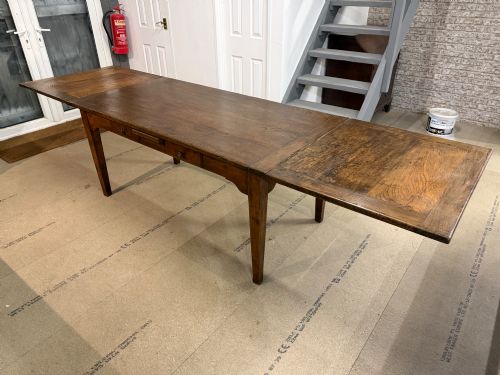
- A top that pulls out or takes leaves to lengthen the table. "Extending" runs to 56 titles and "leaf" to 30.
- Bread slide
- A sliding board under the top for cutting or kneading, also described as a carving slide, pull-out slide or bread slicer.
Antique Farmhouse Tables: Frequently Asked Questions
Are farmhouse and refectory tables the same thing?
In practice the labels overlap. "Farmhouse", "kitchen", "refectory" and "dining" get applied to the same basic table: a plank top on a sturdy underframe, long enough to seat a household.
"Dining" is the most used word, in 946 titles, with "refectory" in 438 and "kitchen" in 397. Both trade names came after the furniture form itself.
Why do so many listings say French?
The word "french" appears in 891 titles, close to two in five. A large part of the category is Continental country furniture imported for the British table rather than English farm stock.
The French oak table is the biggest identifiable group, and the bleached oak tables within it recur dozens of times, many dated to the 1920s.
Other origins are scarce. Spain turns up four times in the samples, Sweden twice, Hungary and China once each.
Which timbers turn up most often?
Oak leads by a distance, in 924 titles, followed by pine at 354. Cherry and cherrywood together pass 200 across the various spellings, then elm at 154, fruitwood at 80, walnut at 56, chestnut at 41 and ash at 30.
Beyond those, the samples name sycamore, poplar, plane, birch, satin birch, beech, cedar, deal, mahogany, apple, plum and pear, plus padouk and Chinese hardwood once each.
How old are these tables?
The dated field spans 1700 to 1940, with 1,158 listings carrying a clean year. Much of the rest is dated only broadly, "19th Century" on 649 listings and "Victorian" on 176.
The 1920s is the largest precise decade at 456, sitting behind the French bleached and golden oak dining tables. Eighteenth-century dating appears on 116 listings; the earliest sampled pieces are a Queen Anne oak gateleg of about 1700 and two 17th-century tables.
What lengths do they come in?
Sizes are quoted both by seating and by metres. Sampled titles give 2m, 2.5m, 2.8m, 3m, 3.3m, 3.4m and 3.5m, and one pine harvest table runs to 12.5 feet.
Seating counts run from two- to four-seaters up through "seats 8", "8-10" and "10 seater" to a 14 seater. "Large" appears in 332 titles, "long" in 80 and "huge" in 59.
Do any of these tables carry a maker's name?
No. A scan across all 2,290 listings returned no maker, workshop or designer names at all.
These were made by local joiners rather than named cabinet shops, so where a listing does add a source it tends to be a place instead: Norfolk, Devon, Cornwall, Wales, the West Country, Brittany, Normandy.