

Antique Pier Tables
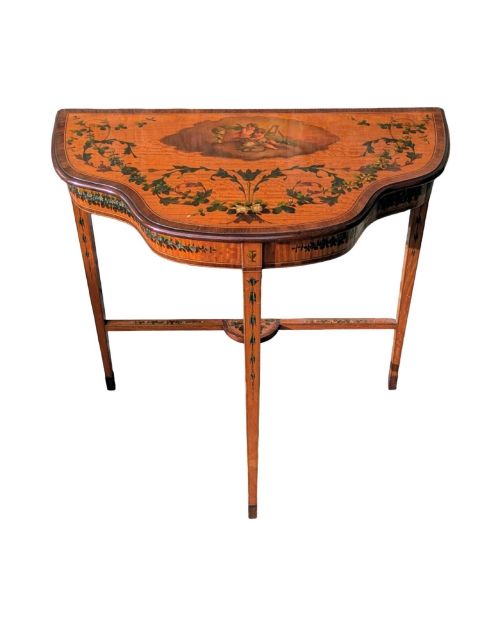
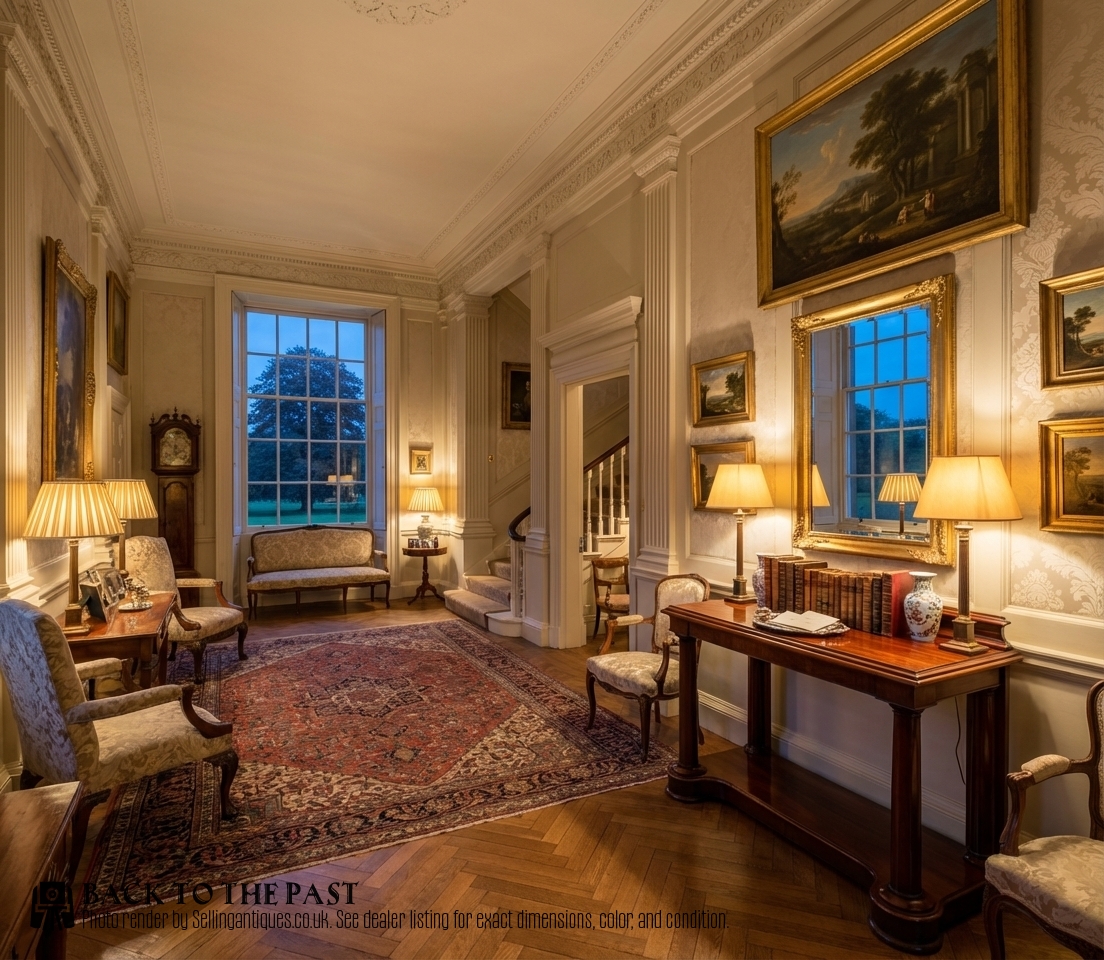
A pier table is a shallow, wall-facing side table, made for the pier of wall between two windows and meant to be seen from the front only.
Antique Pier Tables
The form grew up in the late 17th and 18th centuries as a narrow table for the wall between two windows, usually with a tall pier glass hung above it. Through the 18th and 19th centuries it merged with the console table, and both names now describe the same wall-standing shape.
That doubling shows in the listings. Of 440 pier and console tables on Sellingantiques, 346 titles carry the word console, and pier often survives only inside a hybrid like "console or pier table". One archive title runs games, card, lamp, sofa, hall, side, console and pier together for a single table.
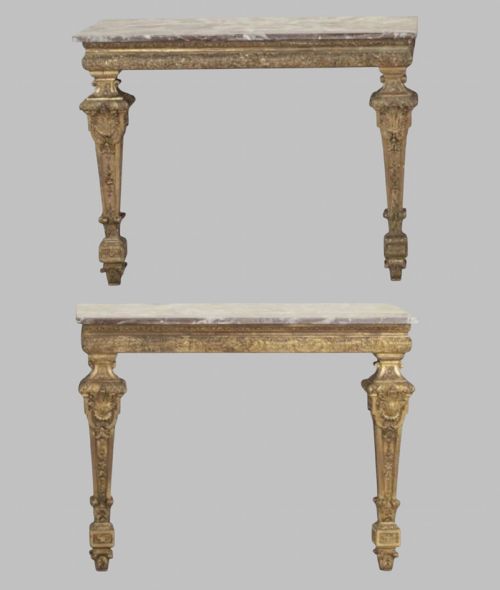
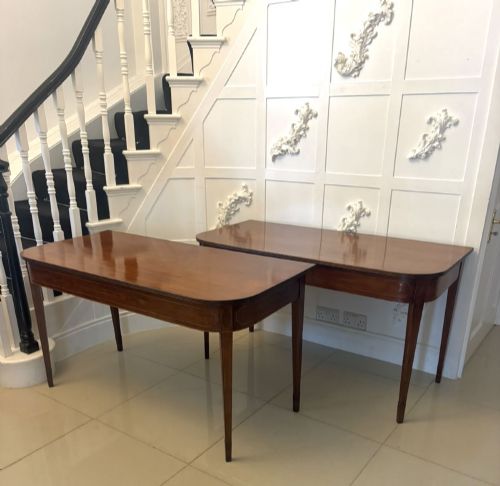
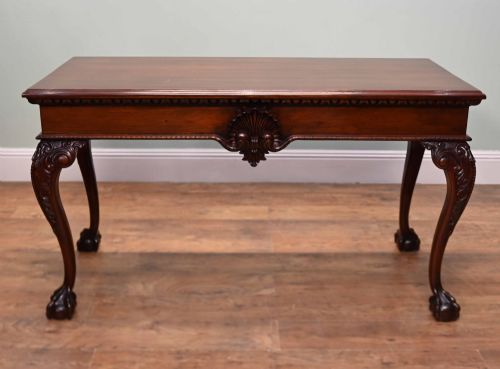
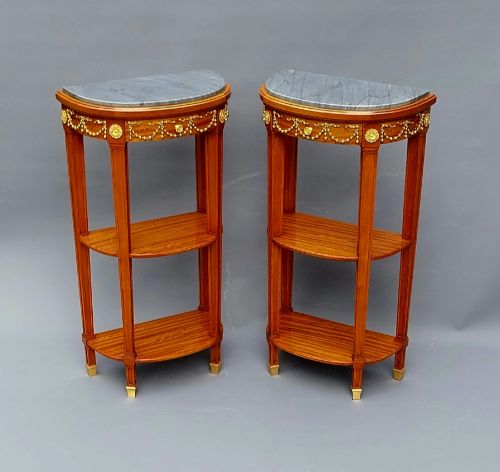
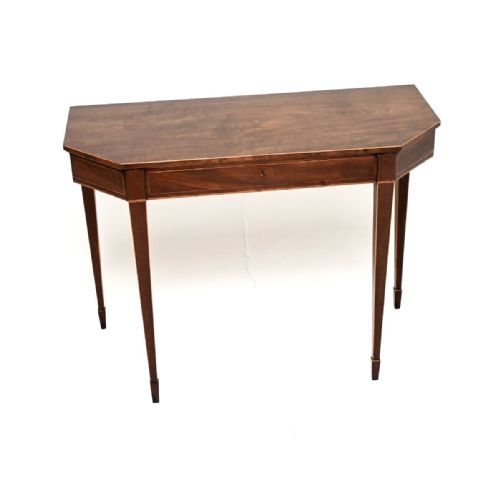
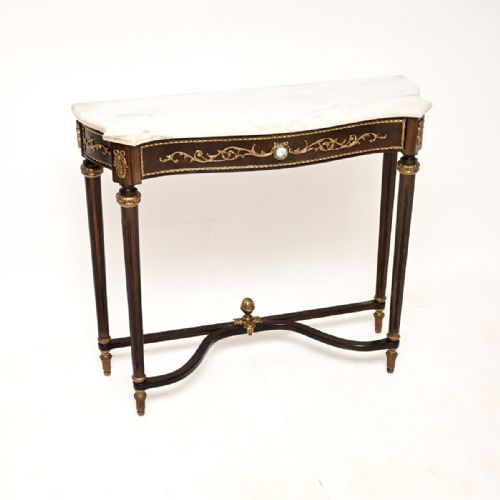
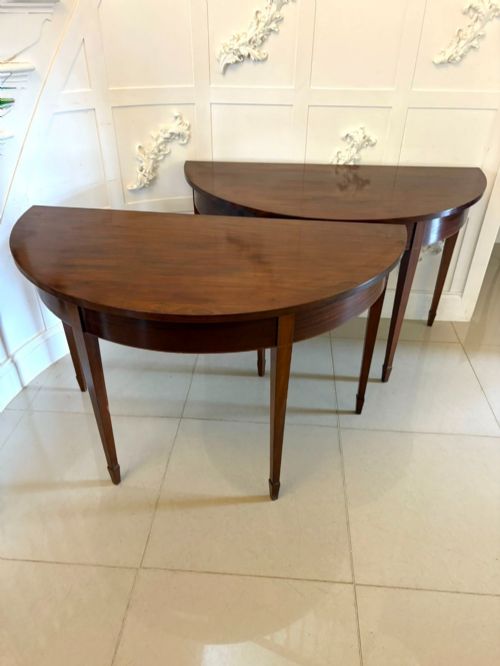
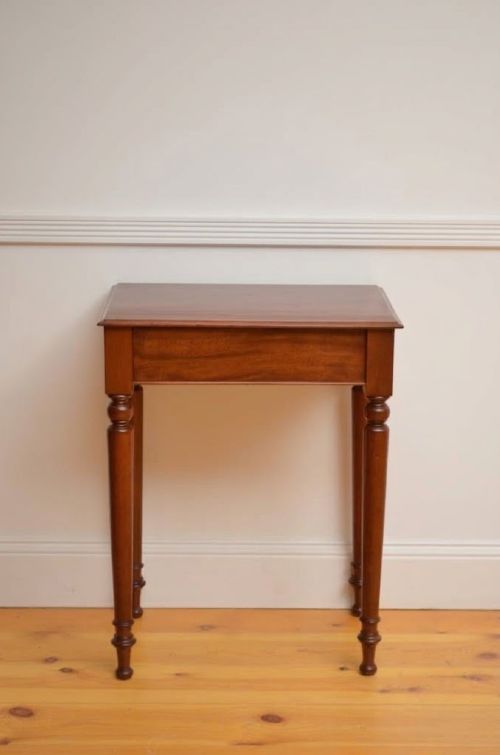
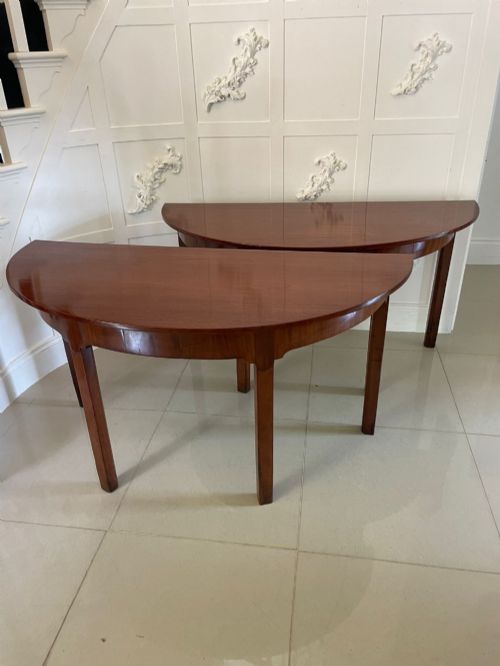
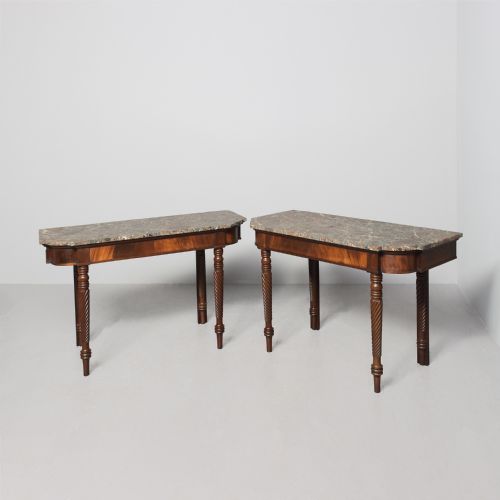
The one you're most likely to meet is a 19th-century mahogany example, rectangular or demi-lune, sometimes carrying a separate marble slab. Mahogany appears in 119 titles and marble in 97, making stone tops the commonest single embellishment. Nearly one listing in five is a pair rather than a single, a habit that follows from making them to flank windows.
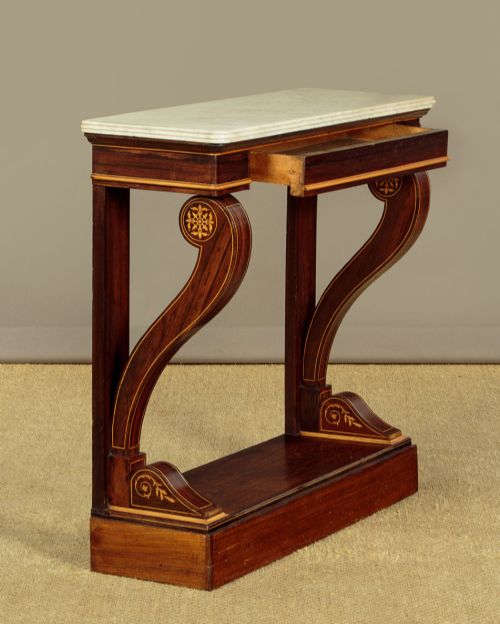
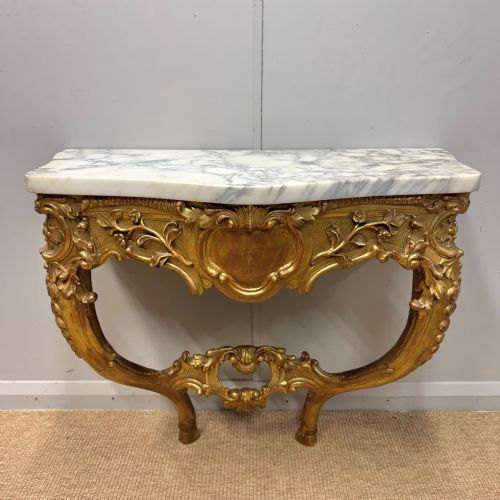
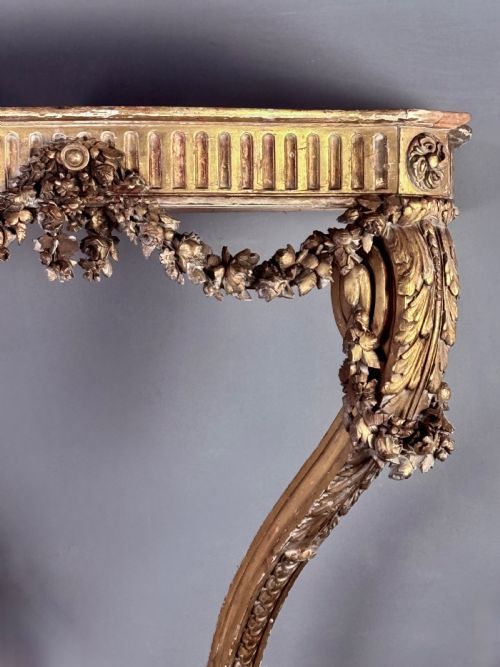
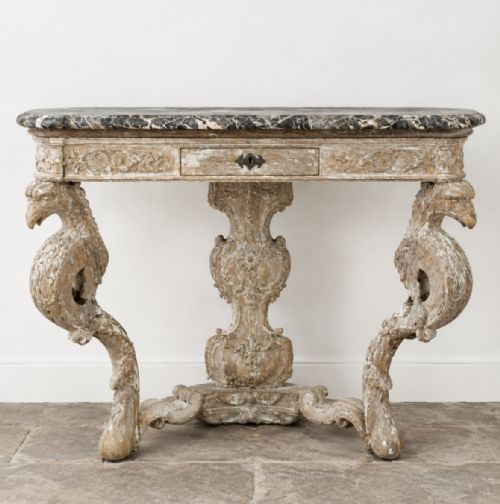
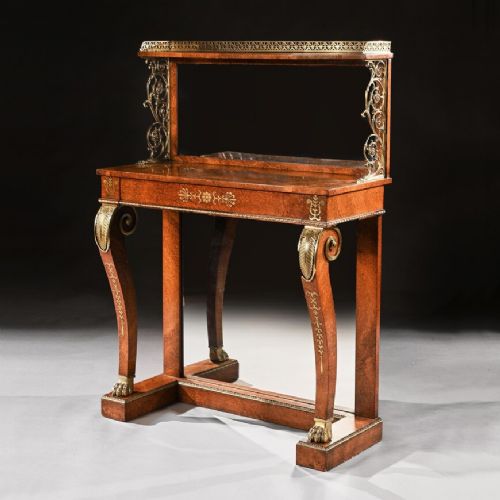
Beyond that core sit English mahogany and rosewood architectural pier and serving tables labelled Regency, George III or William IV; carved giltwood consoles, largely French and Italian; painted and parcel-gilt frames; and demi-lune, half-moon and serpentine outlines. Dating is mostly by bracket, with 146 listings dated no closer than "19th Century" and 48 to the 18th, and 20th-century revival pieces sit in the same population as period ones.
Where The Range Splits
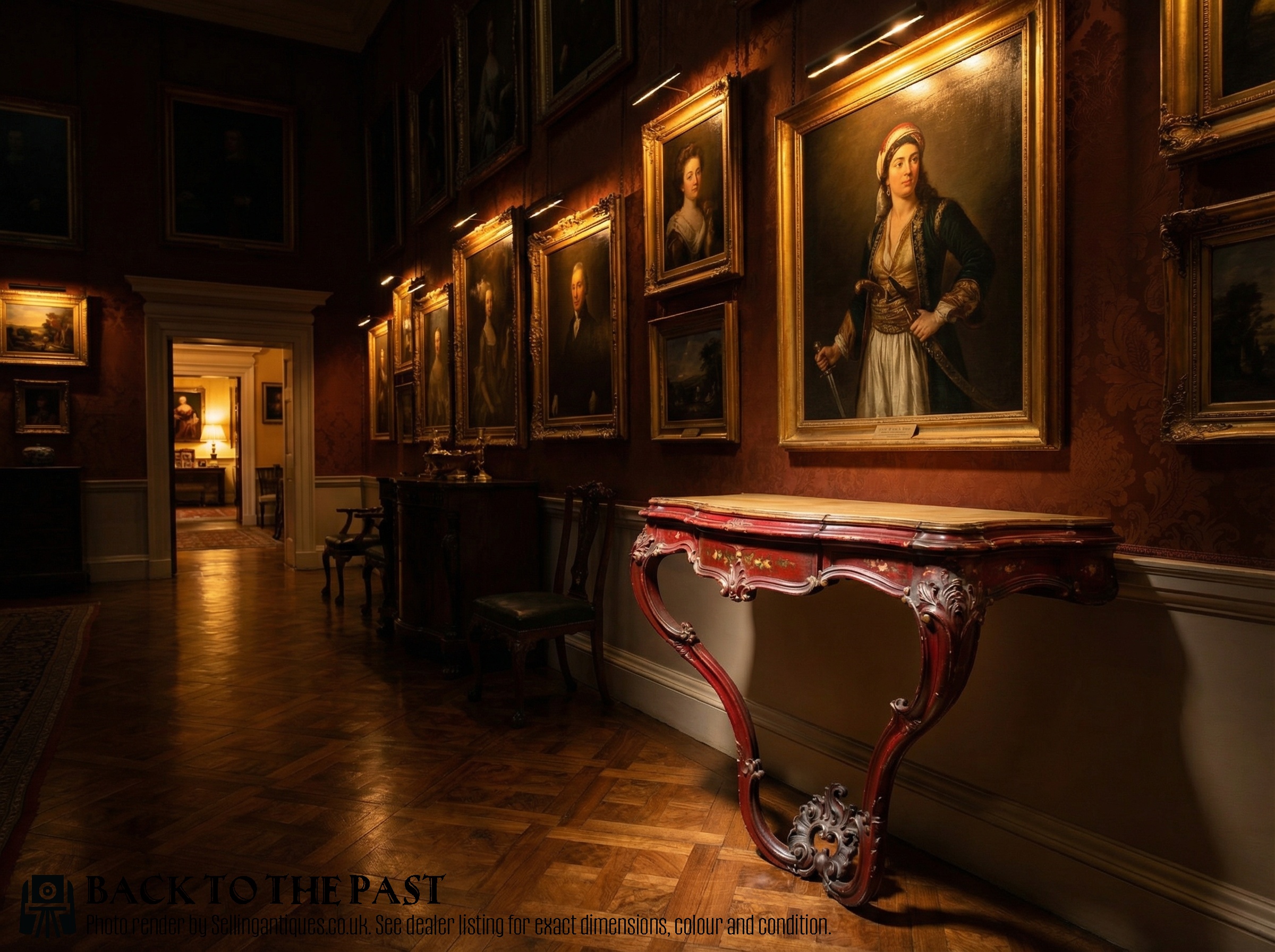
Pairs sit at the top. The two highest-reaching entries in the archive are both pairs, one of 18th-century giltwood side tables and one of monumental Baroque Revival giltwood consoles with breccia tops, while the bottom of the range is held by plain marble-topped and mahogany singles.
Surface does much of the rest. Carved giltwood and Italian gilt work climbs, and titles reading simply "mahogany console table" sit low. The same pattern runs through the tops: carrara, breccia, portoro, specimen and figured stone are named up the range, while lower titles say only "marble top", and one says faux marble. Wrought-iron frames, always with a stone top, sit near the bottom.
Period depth and timber grade pull in the same direction. Eighteenth-century and Regency pieces reach higher than the revival and 1900 to 1930 work; satinwood, marquetry, brass inlay and figured timber appear near the top, plain undecorated frames lower down.
Antique Pier Tables Retail Price Guide 2026
Typical UK retail prices for pier tables, calculated from the Sellingantiques database of over a million retail prices indexed since 2003. This retail price guide relies exclusively on Sellingantiques data; no external sources or auction records are used, so the figures do not describe the wider market.
About forty-nine pier tables are listed on Sellingantiques each year, and 138 dealers have handled them.
The Antique Pier Tables Glossary
- Pier table
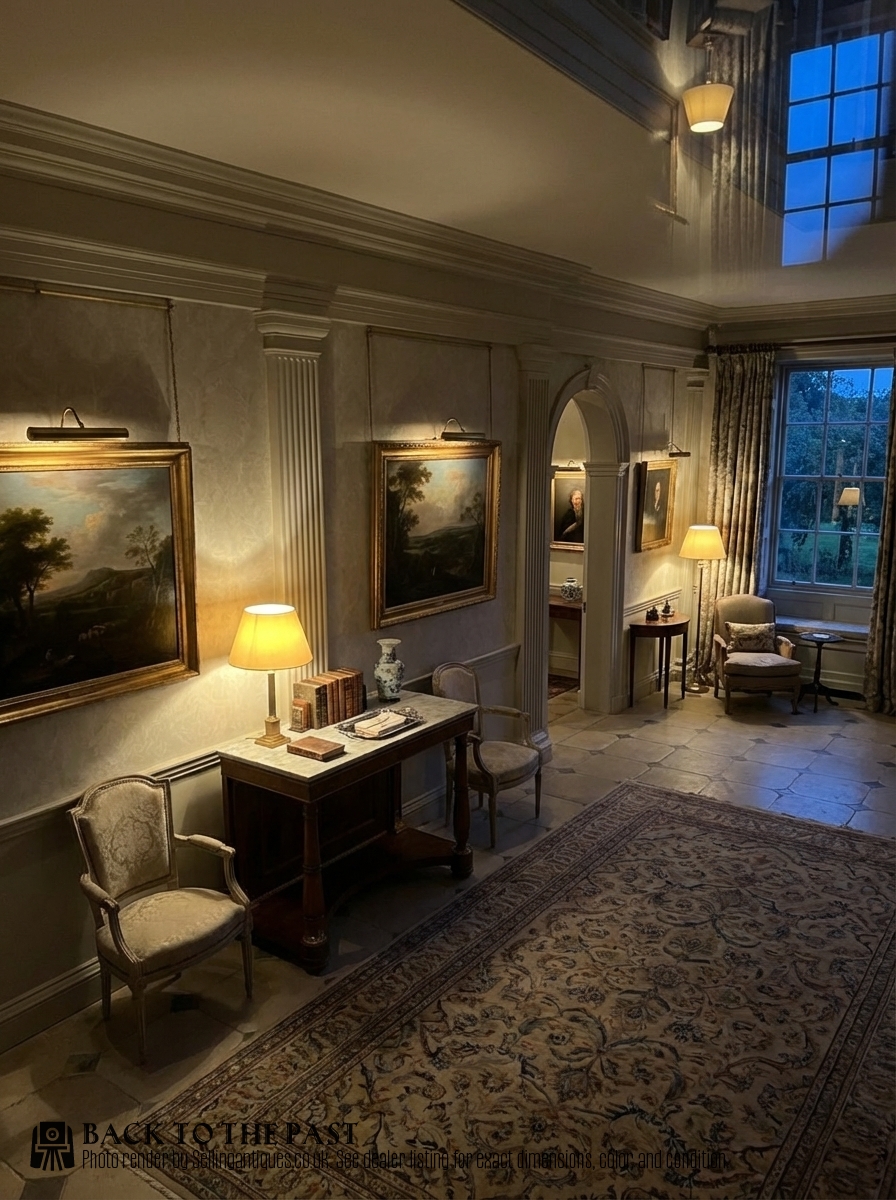
- A shallow table made to stand against the pier of wall between two windows, seen from the front only.
- Console table
- A wall-standing side table, used almost interchangeably with pier table in these listings and named in the great majority of titles.
- Demi-lune
- A half-moon top, in 33 titles, sometimes written "half moon" or "semi elliptical". Serpentine, in 16 titles, means a front of shallow S-curve outline.
- Marble top
- A separate stone slab set into or onto the frame. Specimen marble means a top of several contrasting stones, named alongside carrara, breccia, sienna and portoro.
- Giltwood
- Carved wood gilded overall, as against gilt applied to metal mounts. Parcel gilt means only partly gilded, the rest painted or left as bare wood.
- Mirror back
- A looking-glass panel set behind or into the table, echoing the pier glass that once hung above.
Antique Pier Tables: Frequently Asked Questions
Is a pier table the same as a console table?
On Sellingantiques the two words describe the same wall-facing form. Console appears in 346 of 440 titles, and many titles run both words together as "console or pier table".
Historically the pier table was the table for the wall between two windows and the console a shallow table supported against the wall. The types merged through the 18th and 19th centuries.
Why are so many sold as pairs?
They were made to flank windows or face each other across a hall, so two matching tables were often ordered together. Nearly one listing in five is a pair.
That is unusual among table forms, and pairs cluster in the upper reaches of the range.
What wood do they usually turn up in?
Mahogany leads, in 119 titles, with rosewood a smaller thread at 22. Satinwood, inlay and figured or flame timber appear in a scatter of titles further up the range.
Giltwood and painted frames make up a separate strand, mostly French and Italian, with parcel gilt covering the partly gilded examples.
What kinds of marble appear on the tops?
Marble is named in 97 titles. The stones actually specified include carrara, breccia, sienna, portoro, granite, fossil and faux porphyry, plus unspecified "specimen" tops made of several contrasting stones.
The evidence doesn't say which slabs are original to their frames and which are later.
How old are the tables on the site?
The dealers' own dating runs from 1700 to 1930. Only 139 listings carry a clean year; 146 are dated no more precisely than "19th Century" and 48 to the 18th.
Named reigns are used freely, Regency in 28 titles and Georgian in 17, alongside decade labels like 1880s and 1920s. Revival pieces sit in the same population as period ones, so the bracket isn't precise.
Where were they made?
English work dominates, with Regency, George III and William IV pier and serving tables the largest single group. Irish George II, George III and Victorian examples run as a persistent minor thread across the range.
France and Italy account for the bulk of the continental material, French in 69 titles and Italian in 34. Sweden, Germany, Spain, the Netherlands, Belgium, Biedermeier work, Anglo-Indian and Chinese Qing workshops each appear once or twice.