
Antique Lamp Tables
A small occasional table of side-table height, made to stand beside a chair and take a light, a glass or a book.
Antique Lamp Tables
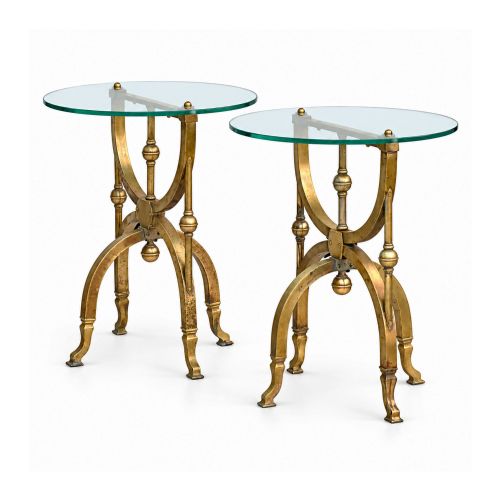
The name is a retail one, applied to small single-top tables of convenient height across every period on offer. Dealers stack functions in the title freely: one sampled table is offered at once as lamp, side, hall, wine and console, another as lamp, wine, occasional, sofa, coffee and centre. The heading tells you how the table is expected to be used, not what it was first made as.
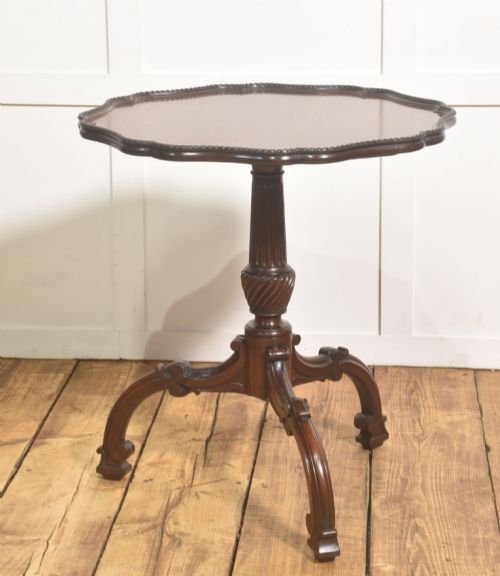
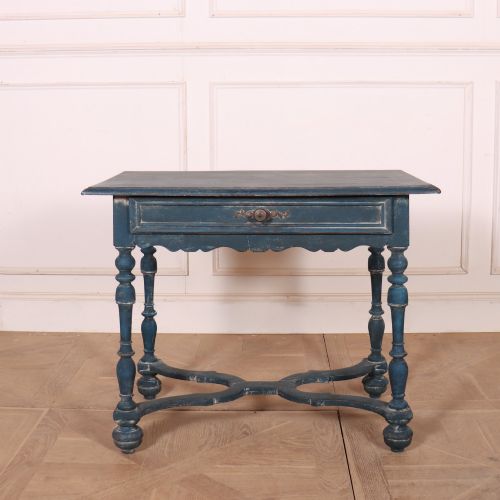
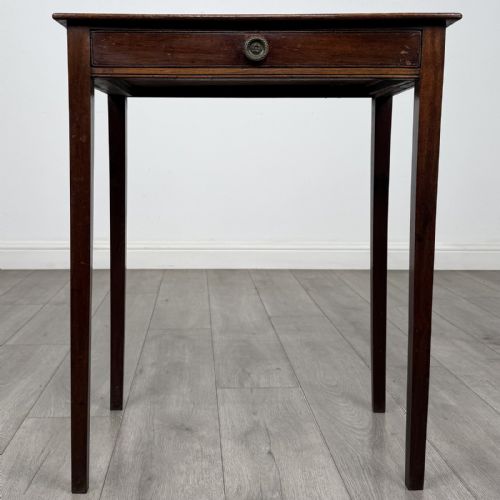
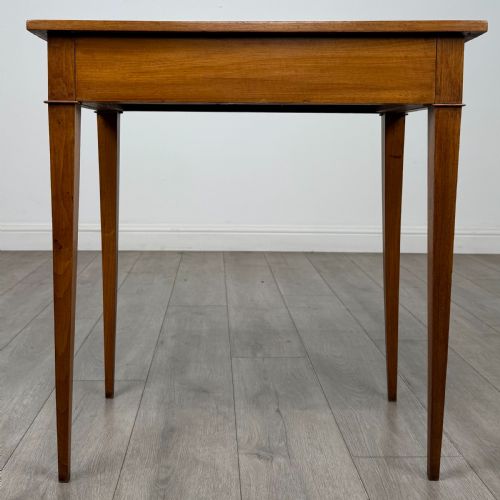
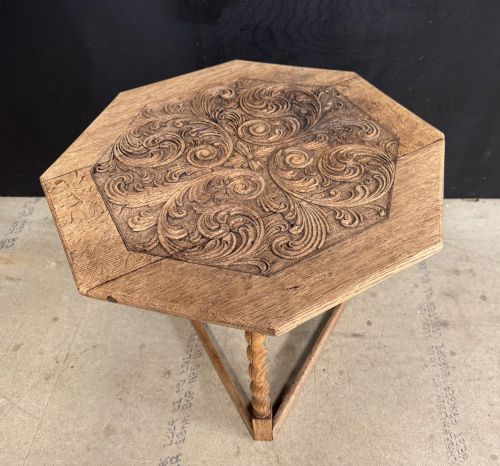
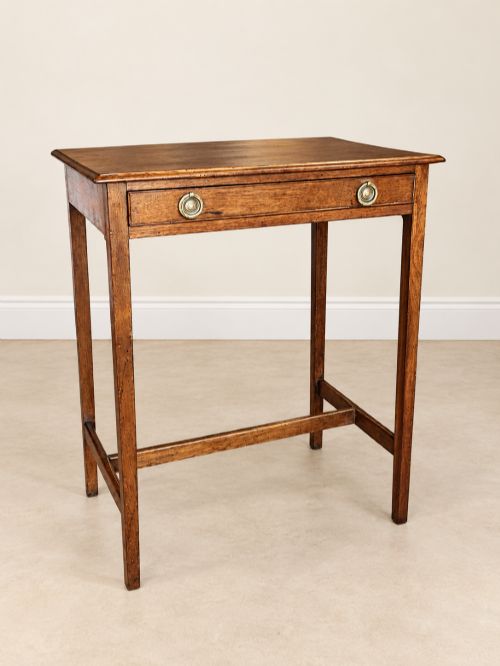
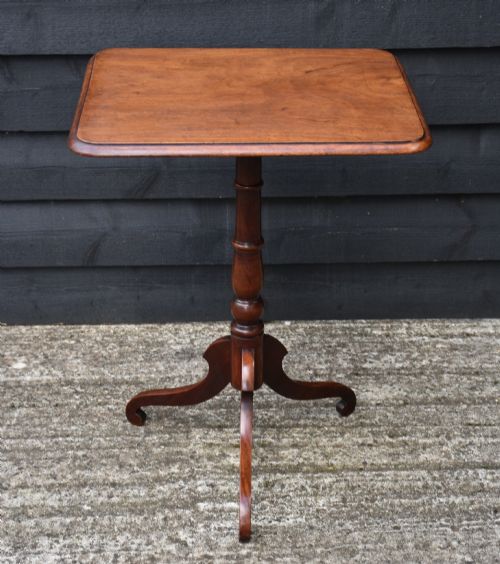
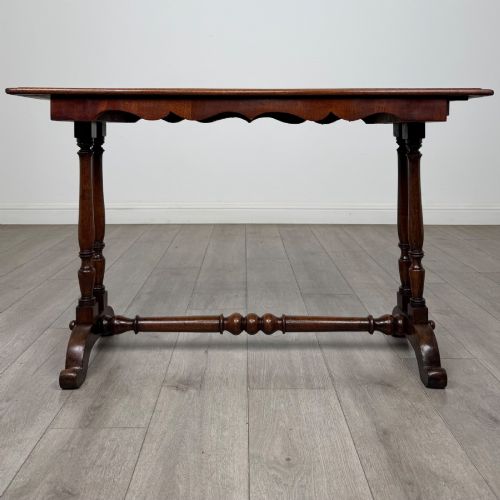
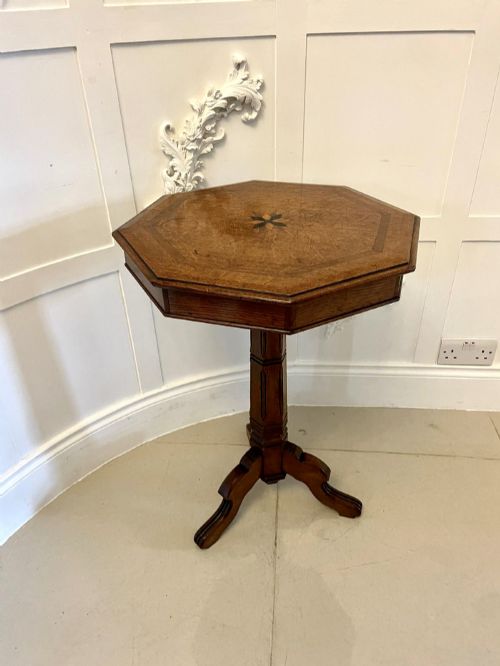
Mahogany dominates, and "side" or "occasional" carries the title more often than "lamp" does. Oak comes next, then walnut and rosewood. Supports vary: tripods, single pedestals, turned legs and square tapered legs all turn up, with round and polygonal tops on a central column a steady presence rather than the norm.
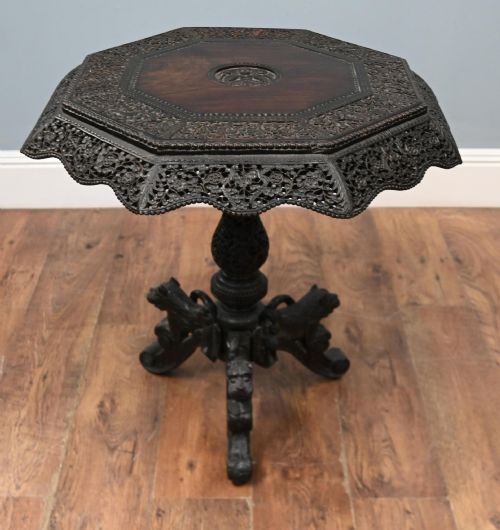
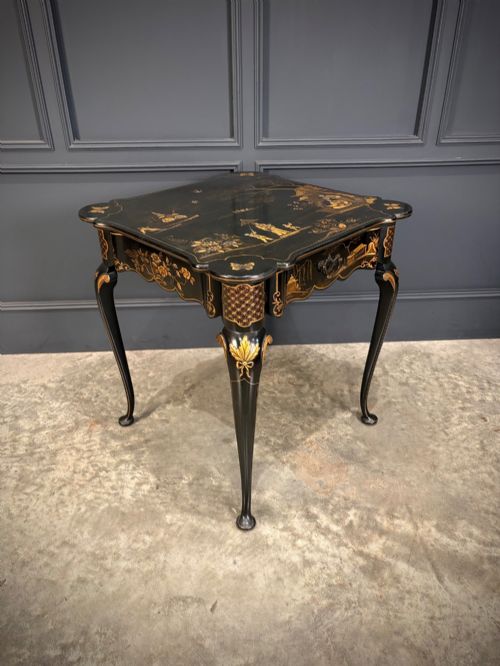
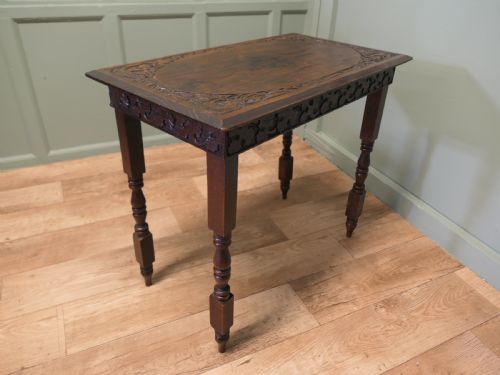
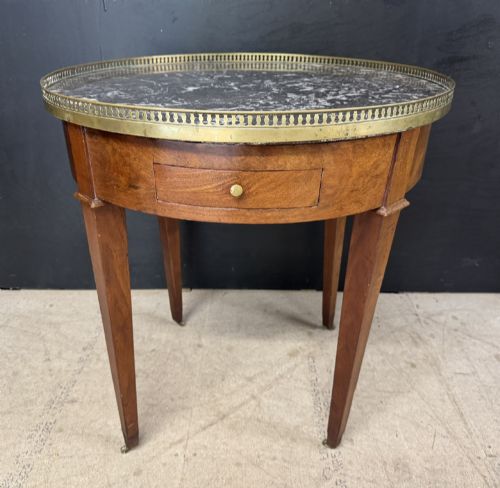
The biggest strand is English mahogany and rosewood of the Georgian and Regency years, roughly a third of the category. Victorian and Edwardian occasional tables, often inlaid or in burr walnut and satinwood, make up about a quarter. Oak country and Arts and Crafts pieces account for roughly a seventh, with French and Continental gueridons and marble-topped tables under a tenth, and a small steady slice of Chinese, Anglo-Indian and other colonial hardwood tables.
Dating is loose. The field runs 1700 to 1940, and the commonest single label is the vague "19th Century", used on more than twice as many listings as "18th Century". Reign names do much of the work and are applied broadly, with pieces given as Georgian that carry an 1835 attribution and Regency titles on tables dated 1920. The earliest in the samples is an oak side table given as Charles II, c1680; the latest are 1930s Art Deco walnut and chrome.
Where The Range Splits
Timber and figure do most of the separating. Plain oak, pine, bamboo and rattan sit at the bottom. Burr walnut is the commonest figured choice, and above it the samples reach for burr yew, burr elm, amboyna, kingwood, calamander, laburnum, palisander, Goncalo Alves and Cuban mahogany. Marble appears in a run of titles too, from plain slate through Derbyshire fossil marble to specimen marble, and the specimen-topped tables sit at the very top.
Work on the top matters next. Inlay is common, marquetry less so, and tops made up of many woods or marbles appear only among the highest-priced pieces. Construction pulls in the same direction: tilt tops and two-tier forms are frequent enough to be familiar, while metamorphic, adjustable, swivel, birdcage, envelope and drop-leaf examples run above the fixed-top norm.
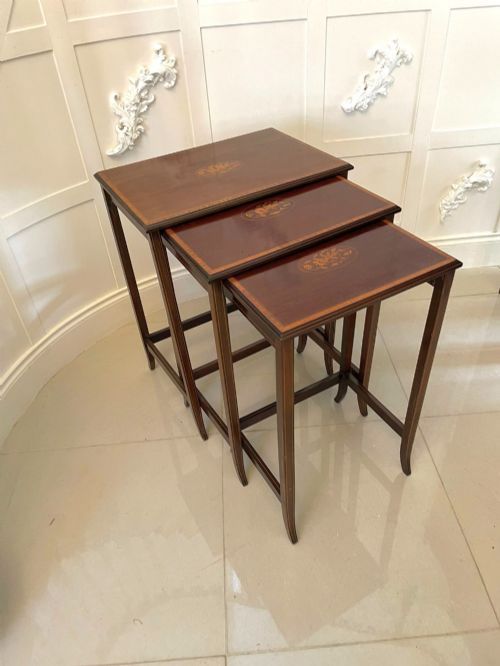
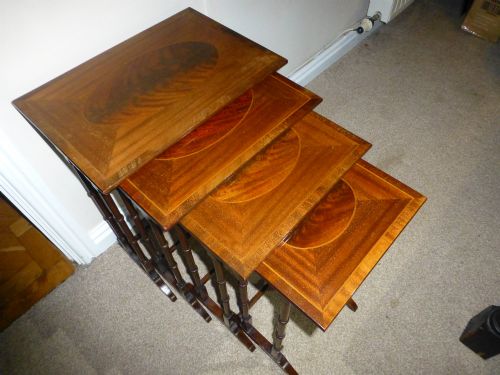
Two other things lift a table. Multiples do, with pairs in a good number of titles and nests of three and four clustering toward the upper part of the range. So does precision of dating, and an authorship: fewer than half the listings carry a clean year, and a table placed in one 18th-century decade sits well above one labelled only by century or left undated.
Antique Lamp Tables Retail Price Guide 2026
Typical UK retail prices for lamp tables, calculated from the Sellingantiques database of over a million retail prices indexed since 2003. This retail price guide relies exclusively on Sellingantiques data; no external sources or auction records are used, so the figures do not describe the wider market.
Lamp tables have been listed on Sellingantiques since 2008, and over 1,600 have passed through since then.
Gillows
The Antique Lamp Tables Glossary
- Occasional table
- A small table with no fixed job, and the term most often paired with "lamp" in these titles. It appears in hundreds of listings and tells you little about the original form.
- Wine table
- A small round-topped table on a pedestal or tripod, a wording that turns up throughout the category.
- Tripod
- A turned column on three splayed legs. One of the recurring supports, alongside the single pedestal, turned legs and square tapered legs.
- Tilt top
- A top hinged to swing vertical so the table can stand flat against a wall. Sometimes given as snap top.
- Burr
- Figured veneer cut from a burl. Burr walnut is the commonest by a distance, with burr yew and burr elm in the upper reaches.
- Gueridon
- French term for a small round centre or occasional table, several of them with marble tops.
Antique Lamp Tables: Frequently Asked Questions
Are lamp tables an original antique type?
No. Small portable tables for a light, a glass or a book go back to the eighteenth century, when candlestands, wine tables and tripod tables did the job.
"Lamp table" is a later, largely retail term, applied from the age of oil and then electric lamps to any small occasional table of the right height beside a chair. On Sellingantiques it sits on pieces from the 1680s to the 1930s.
Which timber turns up most often?
Mahogany, by a wide margin, mostly in English pieces titled as side or occasional tables.
Oak is next, then walnut and rosewood. Beyond that mainstream the samples throw up single examples in padouk, calamander, laburnum, amboyna, palisander, Goncalo Alves, alder root, chestnut, satin birch, elm root and wych elm.
Why do titles list so many different uses?
Because the name reflects how the dealer expects the table to be used rather than a fixed original type.
Side, occasional, wine, hall, console, centre and sewing all get piled into one description. One sampled table is offered simultaneously as lamp, side, hall, wine and console.
How many are listed in a year?
Around 296 a year, and 283 different dealers have offered one.
That makes it a category almost every general furniture dealer touches, which is part of why the range of timbers, periods and origins is so wide.
Do they come in pairs or sets?
Yes. Pairs account for a good number of titles, and the samples include nests of three and four and a set of three English lamp tables.
Multiples sit toward the top of the range.
What non-English tables appear in the category?
French pieces are the largest group outside English work, including gueridons and bouillotte forms, often with marble tops. Swedish, Italian, Portuguese, Scandinavian and Dutch titles also appear.
A smaller but steady slice covers Chinese elm and hardwood, Qing pieces, Burmese padouk, Indian teak, Japanese work, and bamboo and rattan.