


A 2026 Guide by Sellingantiques
Islamic potters developed the technique first in the ninth century.
British factories revived and adapted the process around 1800.
Demand for antique lustreware grew rapidly during the Regency period.
Look at how it brought the illusion of silver to modest households.
Production eventually declined when electroplating offered a cheaper alternative for metallic finishes.
Josiah Wedgwood experimented early with gold and platinum glazes.
Spode produced some finely decorated examples during the early nineteenth century.
Regional makers in Sunderland and Staffordshire turned out massive quantities for the domestic market.
The 2026 retail price guide for Antique Lustreware is drawn from a proprietary archive of over 1.1 million retail prices indexed by Sellingantiques since 2003. This guide relies exclusively on their own internal data; no external sources or auction records are used.
Analysing nearly 25 years of UK antique market history alongside current retail values, the data indicates that typical UK retail prices for Antique Lustreware range between £200 and £1,300. Entry-level prices generally fall under £200 and premium examples upwards of £1,300.
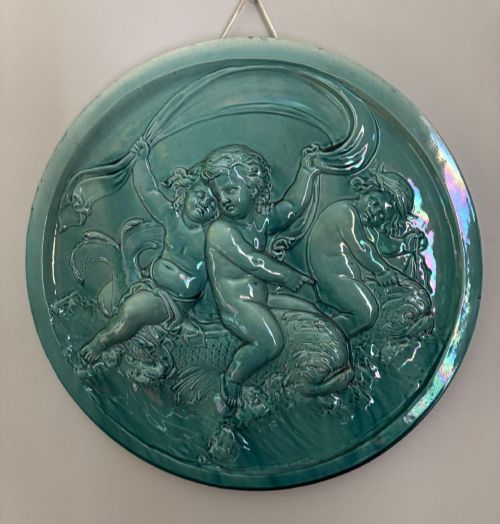
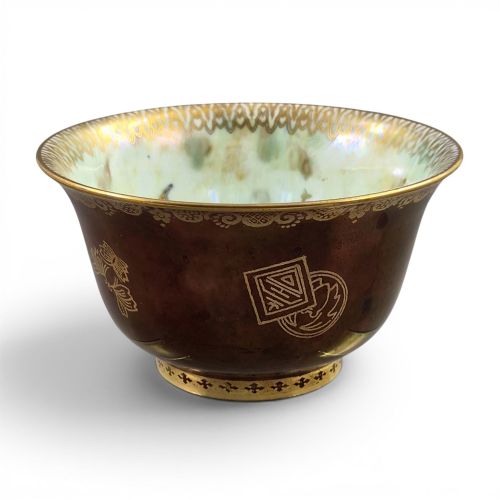
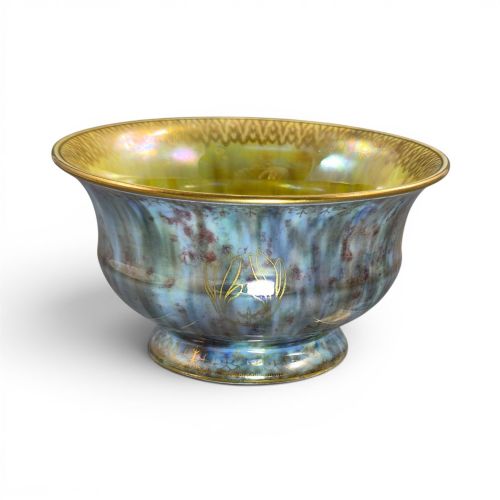
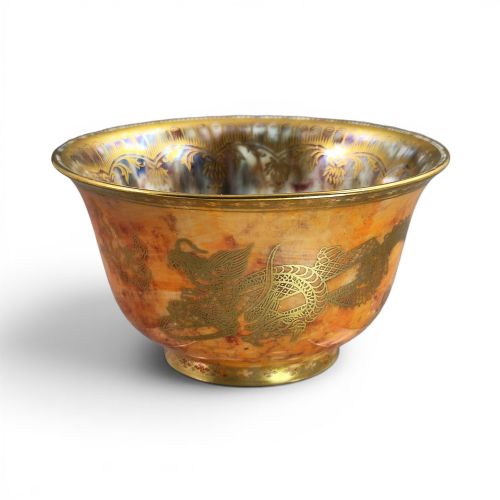
The reflective metallic surface provides the main visual draw for collectors.
Sometimes the glaze covers the entire object to simulate solid metal.
Notice the resist patterns where painted designs block the metallic finish from adhering.
Potters shaped the clay bodies in moulds or on the wheel before applying a base glaze.
The metallic oxide was painted on over the fired glaze.
Firing in a reduction kiln starved the chamber of oxygen, leaving a thin film of metal on the surface.
"Platinum was used for silver effects because real silver tarnishes quickly on ceramics."
"Pink lustre requires real gold in the mixture to achieve its distinctive bright tone."
"Many early pieces were cast in the same moulds used by silversmiths to give them a convincing shape."
Based on almost 25 years of Sellingantiques UK antique market data, Antique Lustreware appeared 178 times (out of 1,100,000 antiques) which gives it a rarity score of 97/100.
This score measures scarcity within the Sellingantiques archive only and is not a survey of the entire antiques market, so these statistics may not be indicative of the general availability of Antique Lustreware elsewhere.
Keep away from abrasive sponges and harsh chemical cleaners. The metallic layer is thin and scratches easily.
Wash the piece gently in warm water with a mild soap. Dry it immediately with a soft cloth. Never put these in a dishwasher.
That variation is normal and expected. The pink tone comes from a small amount of gold in the glaze mixture.
The final colour depends heavily on the firing temperature and how the potter applied the glaze. A slightly thicker application or a different position in the kiln changes the hue.
Collectors often appreciate these variations. They show the hand-made nature of early nineteenth-century production.
Potters achieved this splash effect by blowing oil through a tube onto the wet pink lustre glaze. The oil made the glaze separate into bubbles.
When fired, it left behind the distinctive marbled or mottled pattern. It was a fast and effective way to decorate large batches of pottery for the regional market.
You cannot easily restore the worn metallic finish. Adding new platinum glaze would require refiring the piece, which risks destroying the old clay body.
Cold-painting over the worn areas is sometimes attempted, but it rarely matches the reflective quality of the original firing. It usually looks like a patch of dull silver paint.
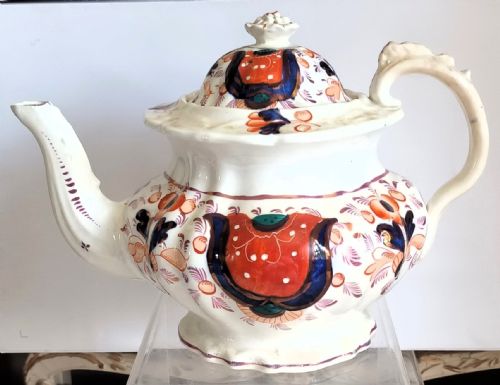
Most dealers accept wear on high points as part of the history. It shows the teapot did its job in a busy household.
Please note: This Antique Lustreware guide and its associated pricing data are provided for general informational purposes only. It does not constitute formal financial, investment, or appraisal advice and should not be relied upon as the sole basis for any commercial activity, purchasing, or sales decisions. Sellingantiques.co.uk accepts no liability for any actions taken in reliance on this information. Always consult with a qualified professional or independent appraiser.
