





A 2026 Guide by Sellingantiques
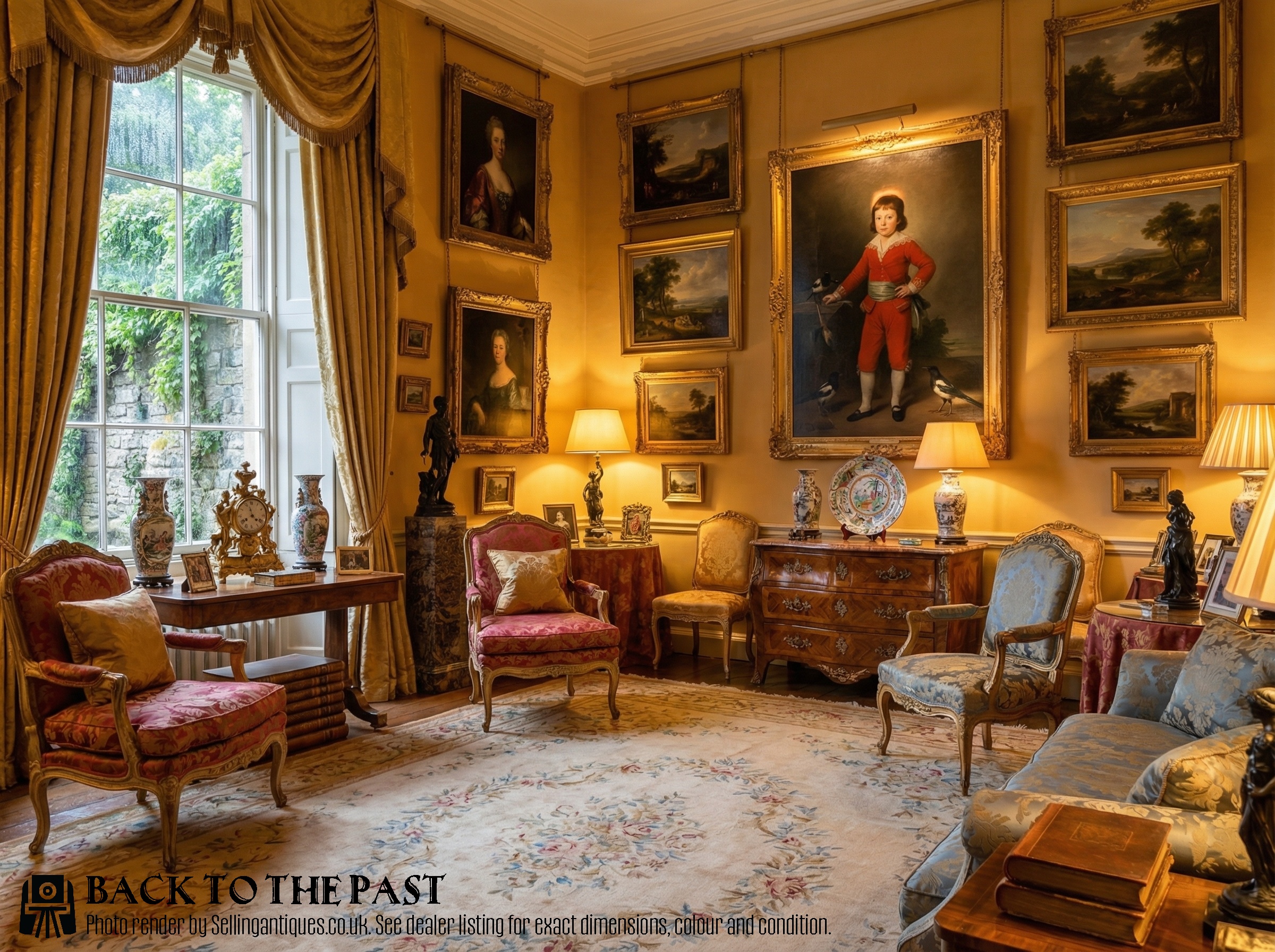
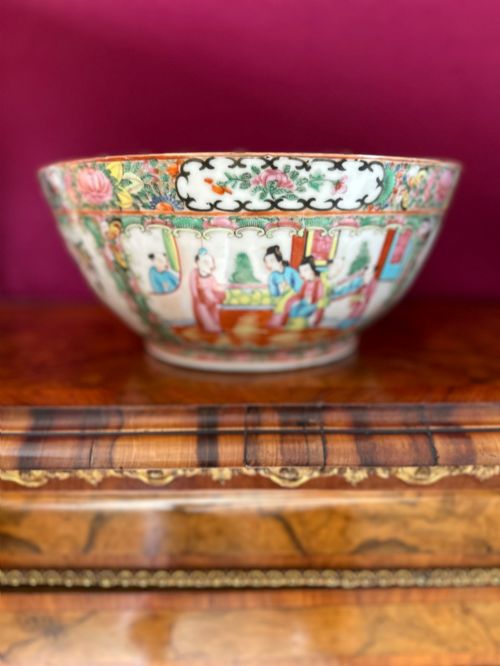
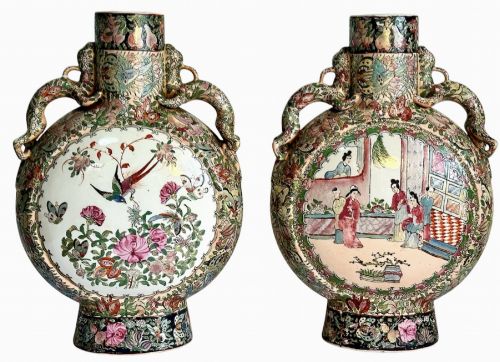
Hand Painted Oriental Charger, 19th Century
Priced at £275 from Sinclairs Antiques and Interiors
Introduced during the late Kangxi reign around 1720. Jesuit missionaries likely brought the pink enamel technology from Europe.
Export markets drove massive production levels at Jingdezhen. European buyers ordered dinner services bearing family crests painted in Antique Famille Rose.
You'll find more subtle, sparse compositions on imperial wares. Domestic Chinese taste favoured different designs compared to crowded export plates.
Canton served as the main decorating hub for export pieces. Blank porcelain travelled down from the kilns to be painted near the docks.
Imperial workshops in Beijing handled the highest quality enamelling. Craftsmen there decorated blank vessels sent directly from the Jingdezhen kilns.
Tang Ying directed the imperial factory during the Yongzheng and Qianlong periods. His tenure saw major technical advancements in these pink-palette wares.
Several private kilns operated alongside the official ones. They produced the vast majority of export ceramics shipped through the East India companies.
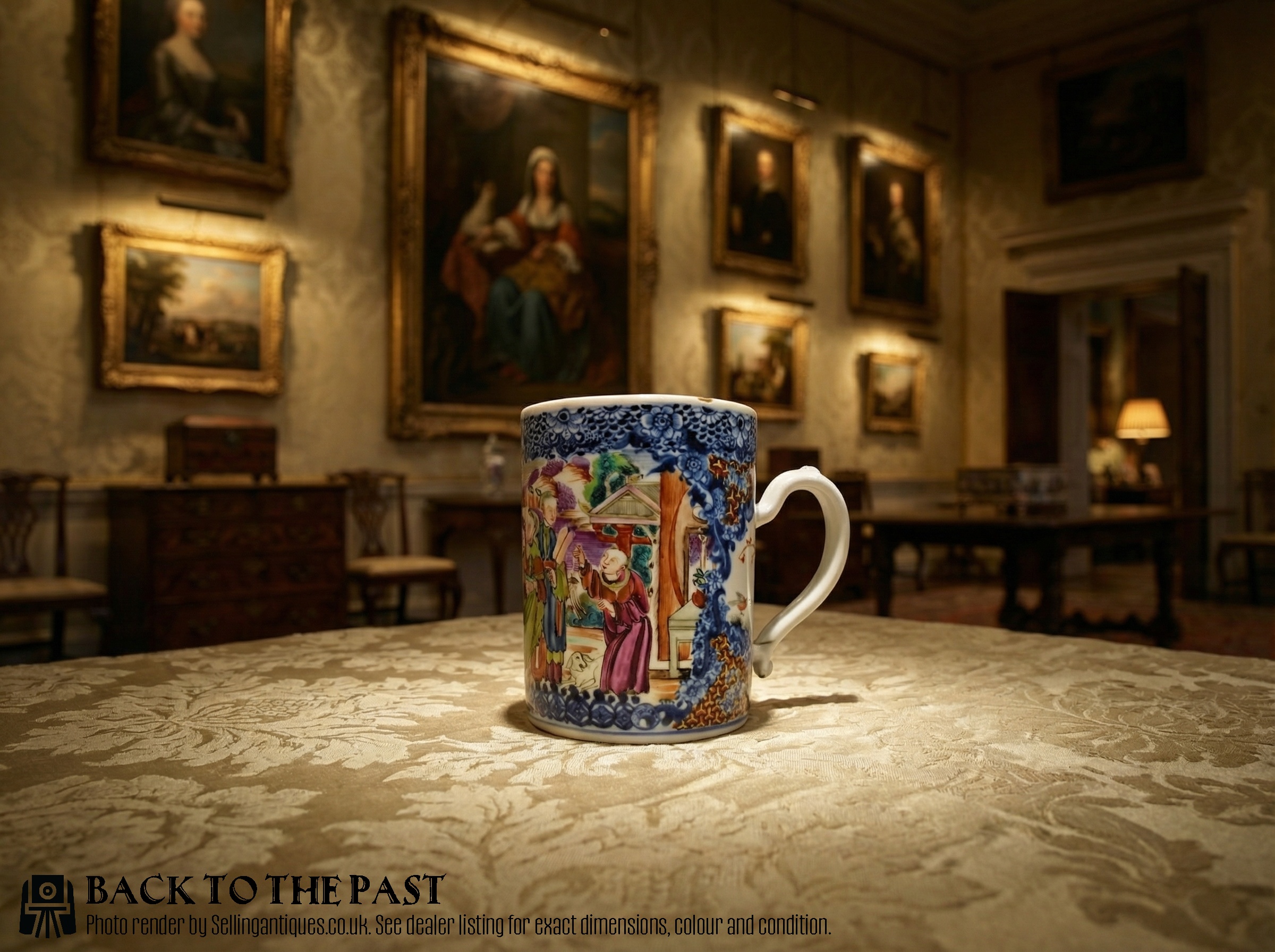
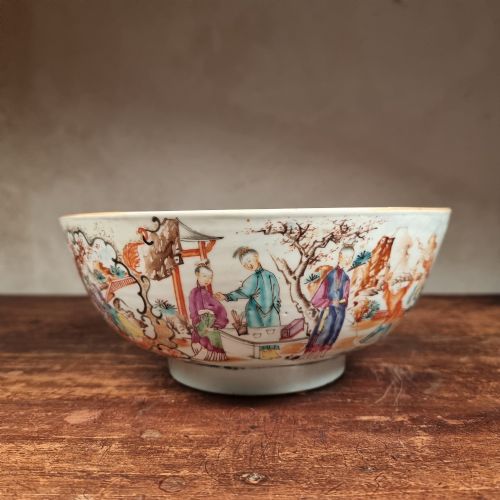
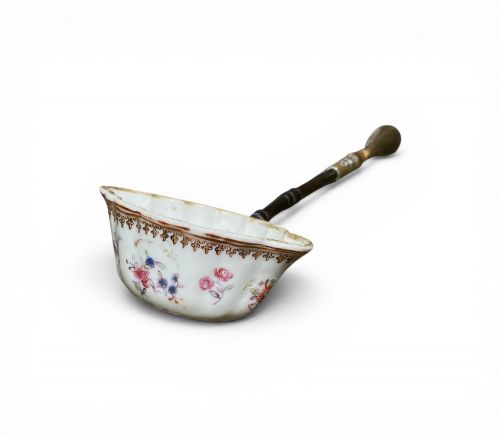
Qianlong Chinese Famille Rose Porcelain Mug, 18th Century
Priced at £140 from TJR Trading
The 2026 retail price guide for Antique Famille Rose is drawn from a proprietary archive of over 1.1 million retail prices indexed by Sellingantiques since 2003. This guide relies exclusively on their own internal data; no external sources or auction records are used.
Analysing nearly 25 years of UK antique market history alongside current retail values, the data indicates that typical UK retail prices for Antique Famille Rose range between £300 and £3,300. Entry-level prices generally fall under £300 and premium examples upwards of £3,300.
Look for floral motifs like peonies and chrysanthemums. These dominate the decoration across both domestic and export Antique Famille Rose.
Solid pink enamel covering the reverse of plates is known as a ruby back. This technique appears mostly on early eighteenth-century eggshell porcelain.
Raised enamel sits slightly above the glaze. Run a finger lightly over the surface to feel the distinct texture.
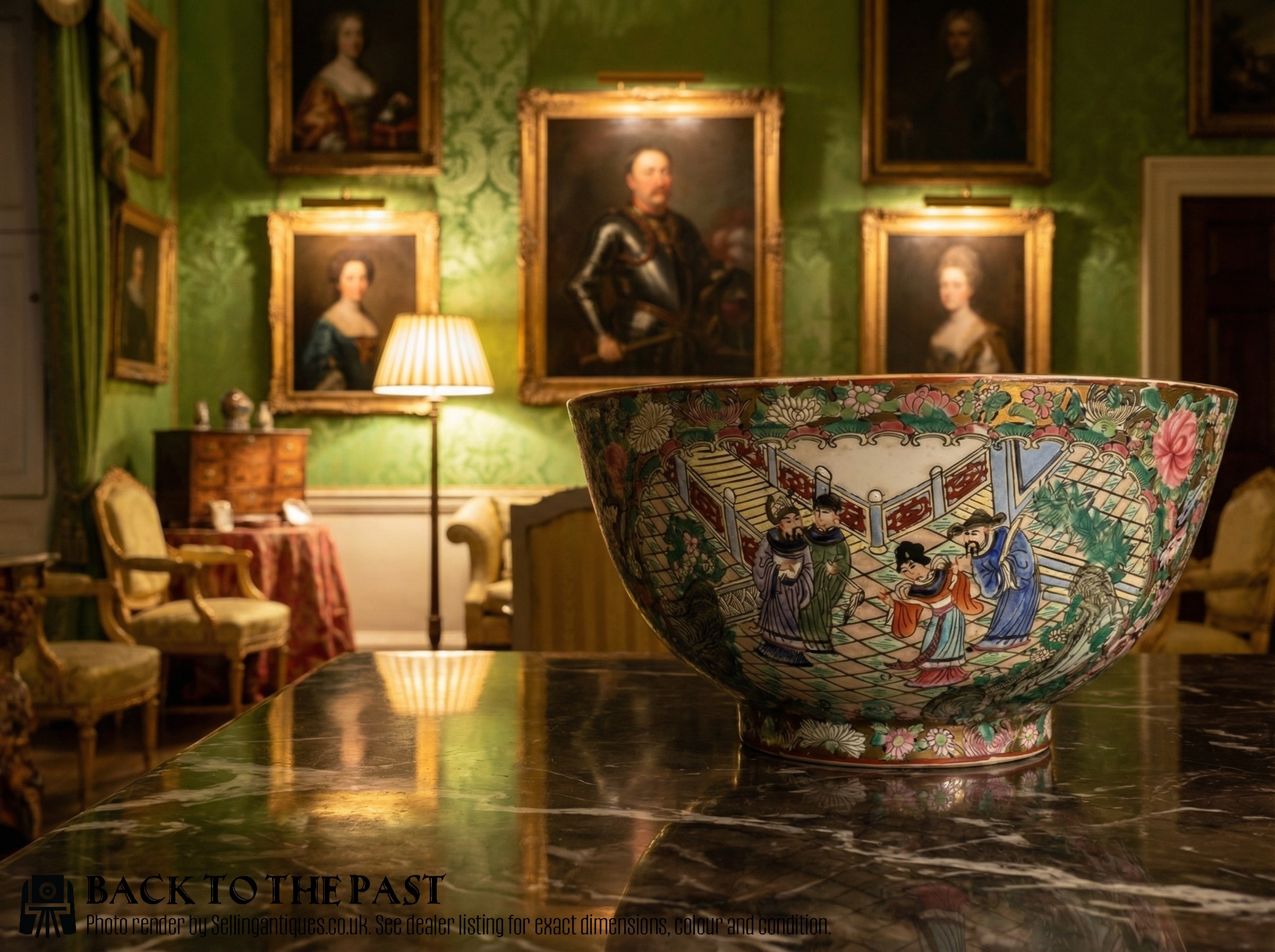
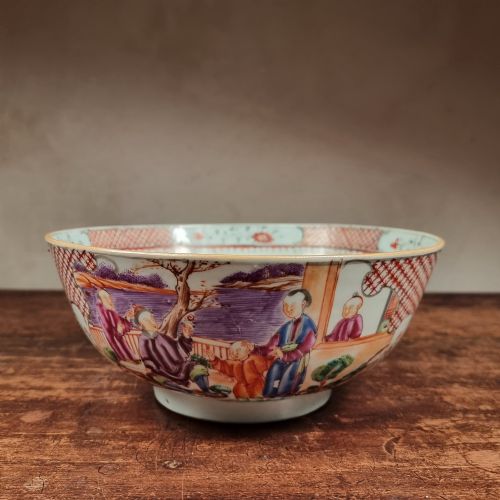
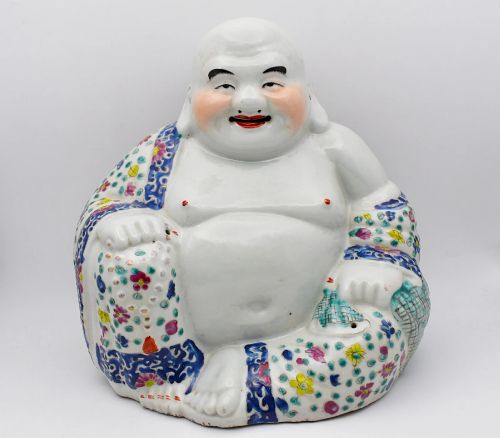
Chinese Bowl, 1890
Priced at £370 from Rue des Fontenelles
Early Yongzheng pieces show delicate shading. Painters learned to mix white enamel with the pink to create graded, three-dimensional petals.
By the Qianlong reign, decorators filled the background. You often see dense scrollwork or geometric patterns covering negative space.
Canton designs became standard in the nineteenth century. Factory painters worked in assembly lines to fill bulk orders for the West.
"The pink colour deepens depending on the firing time. Slight temperature variations in the muffle kiln created a wide spectrum of rose shades."
"Some plates functioned purely as display pieces in European dairy houses. Collecting ceramics became a major aristocratic pastime."
"Painters used tiny iron wire brushes. These applied the detailed black outlines before they filled them with coloured enamels."
Based on almost 25 years of Sellingantiques UK antique market data, Antique Famille Rose appeared 899 times (out of 1,100,000 antiques) which gives it a rarity score of 84/100.
This score measures scarcity within the Sellingantiques archive only and is not a survey of the entire antiques market, so these statistics may not be indicative of the general availability of Antique Famille Rose elsewhere.
Wash them by hand in a plastic bowl using warm water and mild soap. A soft brush helps dislodge dirt from the raised enamels.
Never put these in a dishwasher. The harsh detergents and high heat will strip the overglaze decoration in a single cycle.
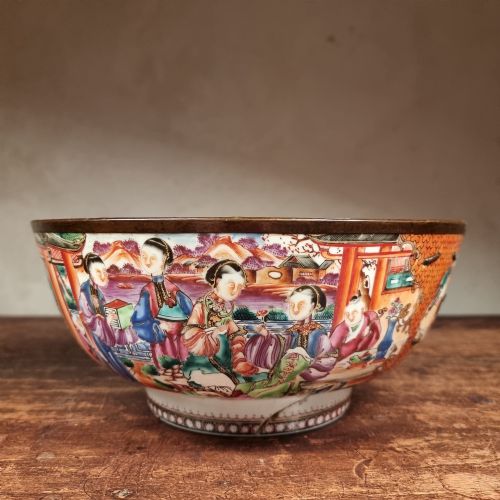
That metal band usually hides a damaged rim. Owners in the eighteenth and nineteenth centuries often repaired chipped or cracked porcelain rather than throwing it away.
Silversmiths or itinerant repairers fitted a tight band of silver or base metal over the edge to stabilise the bowl. It keeps the piece usable and stops hairline cracks from spreading further down the body.
You can use plates in good condition for dry food. Biscuits or sandwiches are fine for occasional use.
Avoid hot liquids, wet meals, or anything acidic. Citrus and vinegar can dull the surface of the enamels over time.
You're describing a technique known as slip decoration. Potters apply liquid clay to the surface before glazing to create a textured, raised pattern on the white ground.
In the context of Antique Famille Rose, this is often called sgraffito or a graviata ground. It became popular in the eighteenth century to give the porcelain a richer, more tactile feel.
Please note: This Antique Famille Rose guide and its associated pricing data are provided for general informational purposes only. It does not constitute formal financial, investment, or appraisal advice and should not be relied upon as the sole basis for any commercial activity, purchasing, or sales decisions. Sellingantiques.co.uk accepts no liability for any actions taken in reliance on this information. Always consult with a qualified professional or independent appraiser.
