
A 2026 Guide by Sellingantiques
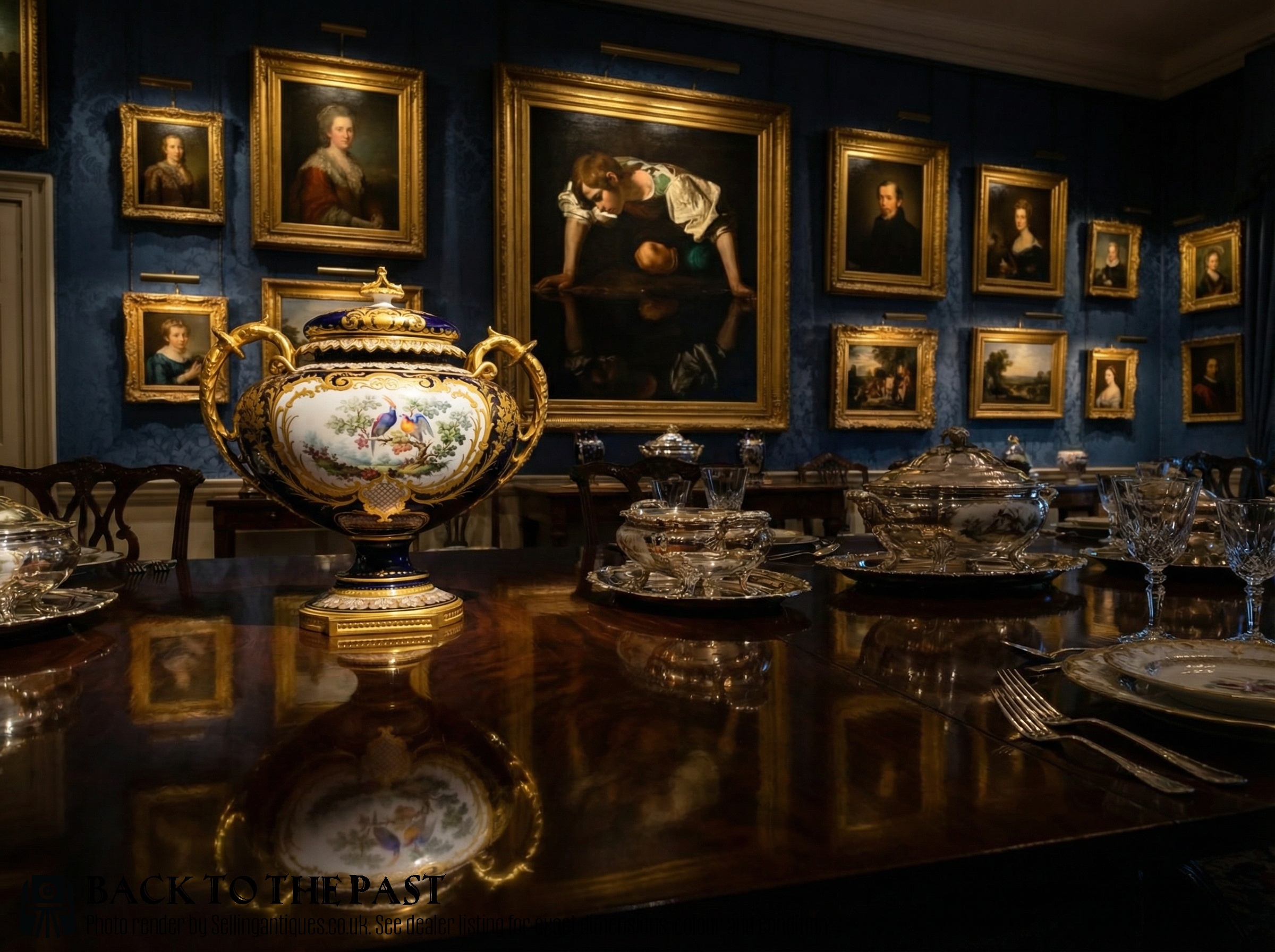
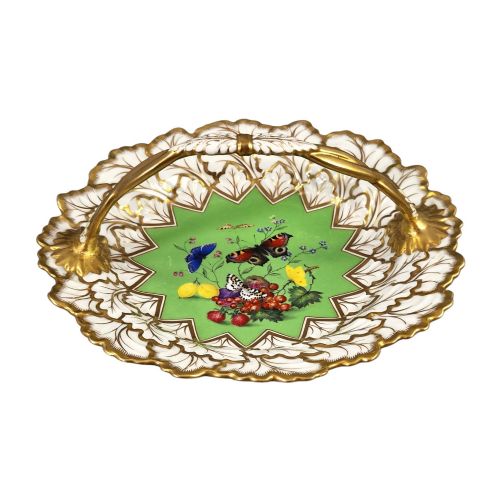
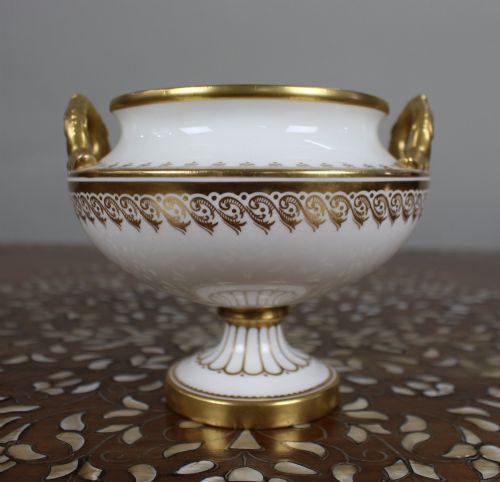
Royal Crown Derby Centrepiece Signed Darlington, 1920
Priced at £3,950 from Valerie Main Ltd
Dining habits shifted from serving everything at once to courses. Antique centrepieces filled the empty space left behind.
Look for multiple branching arms holding small baskets. The grandest eighteenth-century examples were heavy silver epergnes.
Often, a surtout de table stayed in place throughout the entire meal.
Rising middle-class wealth brought glass and silver-plated options into modest homes.
Fruit and flowers eventually replaced sweetmeats. This changed the shape of the main bowls from shallow to deep.
Paul Storr produced massive silver-gilt sculptural groups during the early nineteenth century. Most feature heavy classical casting.
Matthew Boulton led the Birmingham trade in Old Sheffield Plate. His factory turned out many early nineteenth-century epergnes.
Thomas Webb & Sons made complex glass centrepieces later in the Victorian period. They often used coloured art glass for the flutes.
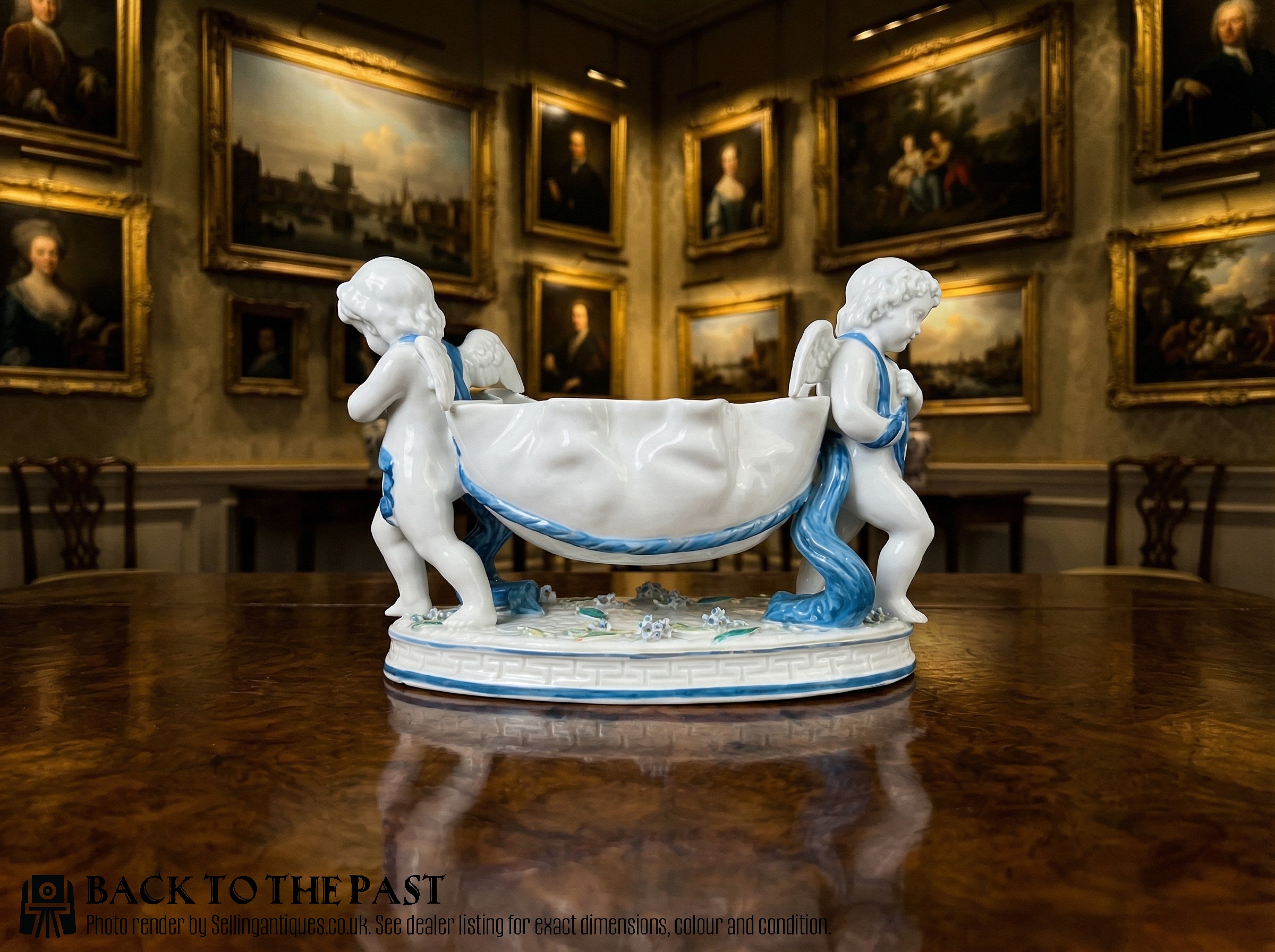
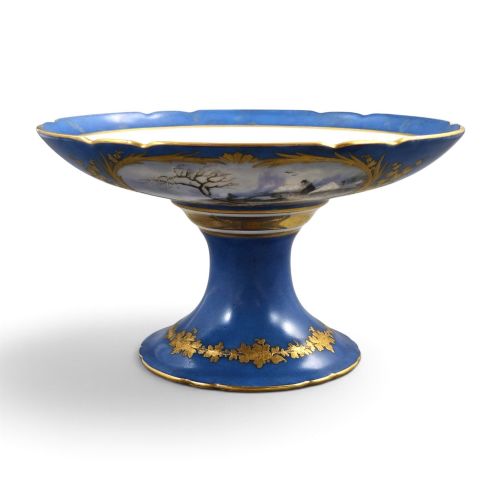
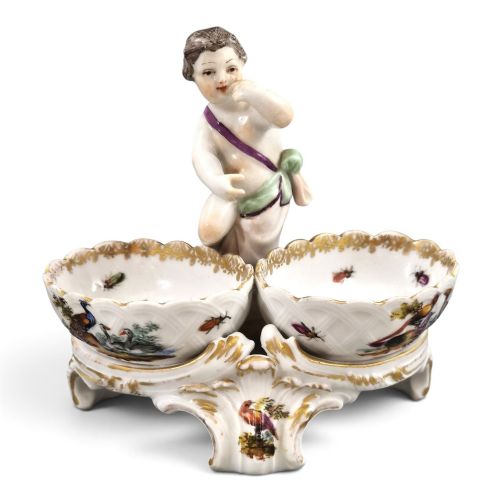
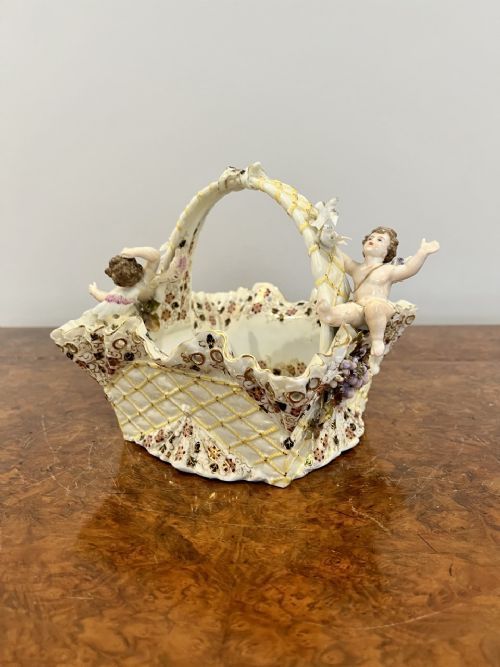
Antique Victorian Quality Continental Porcelain Group, 1880
Priced at £365 from Unique Antiques by Emma Jade
The 2026 retail price guide for Antique Centrepieces is drawn from a proprietary archive of over 1.1 million retail prices indexed by Sellingantiques since 2003. This guide relies exclusively on their own internal data; no external sources or auction records are used.
Analysing nearly 25 years of UK antique market history alongside current retail values, the data indicates that typical UK retail prices for Antique Centrepieces range between £400 and £3,500. Entry-level prices generally fall under £400 and premium examples upwards of £3,500.
Elevated stems hold the central bowls. This keeps the display above eye level so guests can see each other.
Branching arms. Many slot into sockets rather than being fixed in place.
Check the baskets for pierced metalwork. Geometric or floral cutting lightens the visual weight of large silver sections.
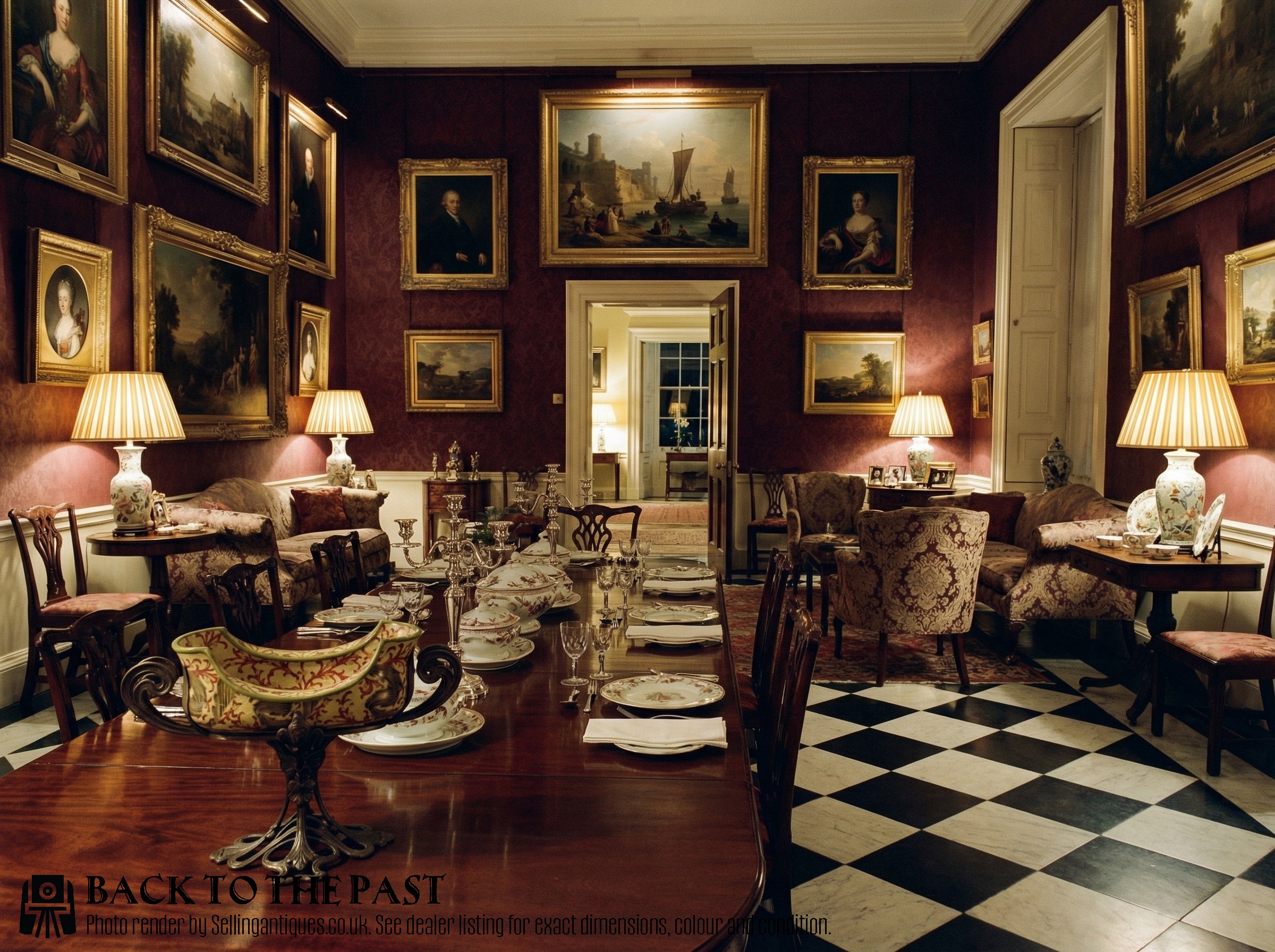
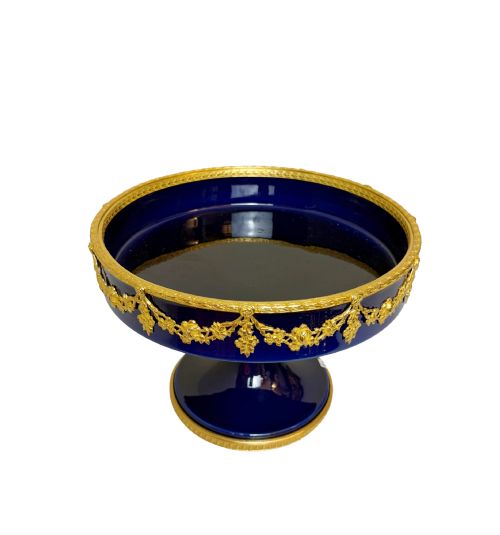
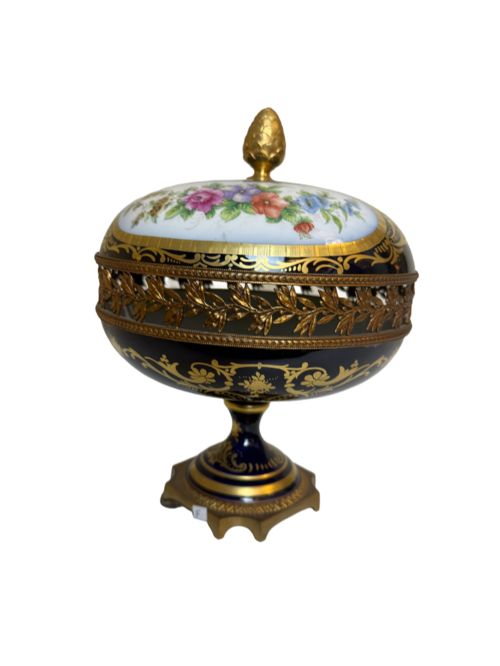
Antique Edwardian Quality Porcelain and Brass Centrepiece, 1910
Priced at £595 from London City Antiques
Early Georgian silver baskets were raised by hand from a single sheet. The piercing was then cut out using hand saws.
Later cast bronze elements require a mould. The metal is poured in, cooled, and chased by hand to sharpen the details.
Glass components changed from heavy lead crystal to thinner blown shapes with crimped edges as tastes shifted.
"Sprawling silver branches can often be rearranged. You can alter the height and spread depending on the size of the gathering."
"Sweetmeat baskets were sometimes passed around by hand before being slotted back onto the main stand."
"Coloured glass versions act as light catchers. They scatter bright reflections across a white tablecloth during daylight dining."
Based on almost 25 years of Sellingantiques UK antique market data, Antique Centrepieces appeared 2265 times (out of 1,100,000 antiques) which gives it a rarity score of 64/100.
This score measures scarcity within the Sellingantiques archive only and is not a survey of the entire antiques market, so these statistics may not be indicative of the general availability of Antique Centrepieces elsewhere.
Use a dry or barely damp soft cloth on the glass. Liquid glass cleaners seep under the metal gallery rims and ruin the silvered backing of the mirror plate.
If the metal frame is tarnished, apply polish to a cloth away from the piece. Rub it on carefully and buff it off before it dries into the crevices.
Silversmiths can easily fix loose branches. They gently reshape the sockets or sleeves so the arms grip tightly again.
Don't try bending them yourself. The metal hardens over time and will snap if forced without annealing first.
Original sets left the workshop matching in pattern and colour. Small variations in size and weight happen because the glass was blown and cut by hand.
If one bowl has a different cutting pattern or a thicker rim, it is usually a later replacement.
A plateau solves this problem well. They lie flat against the wood and reflect the ceiling lights without getting in the way of conversation.
Many have matching low urns or bowls that sit on the mirror. A low bronze or ceramic jardinière also works nicely if you prefer flowers to candles.
Please note: This Antique Centrepieces guide and its associated pricing data are provided for general informational purposes only. It does not constitute formal financial, investment, or appraisal advice and should not be relied upon as the sole basis for any commercial activity, purchasing, or sales decisions. Sellingantiques.co.uk accepts no liability for any actions taken in reliance on this information. Always consult with a qualified professional or independent appraiser.
