
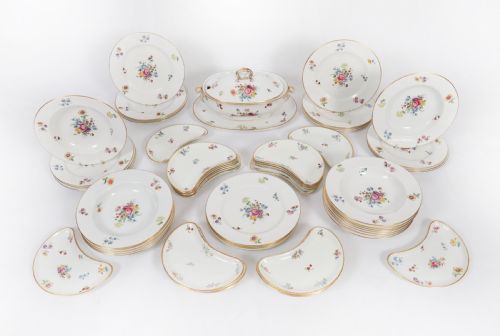



A 2026 Guide by Sellingantiques
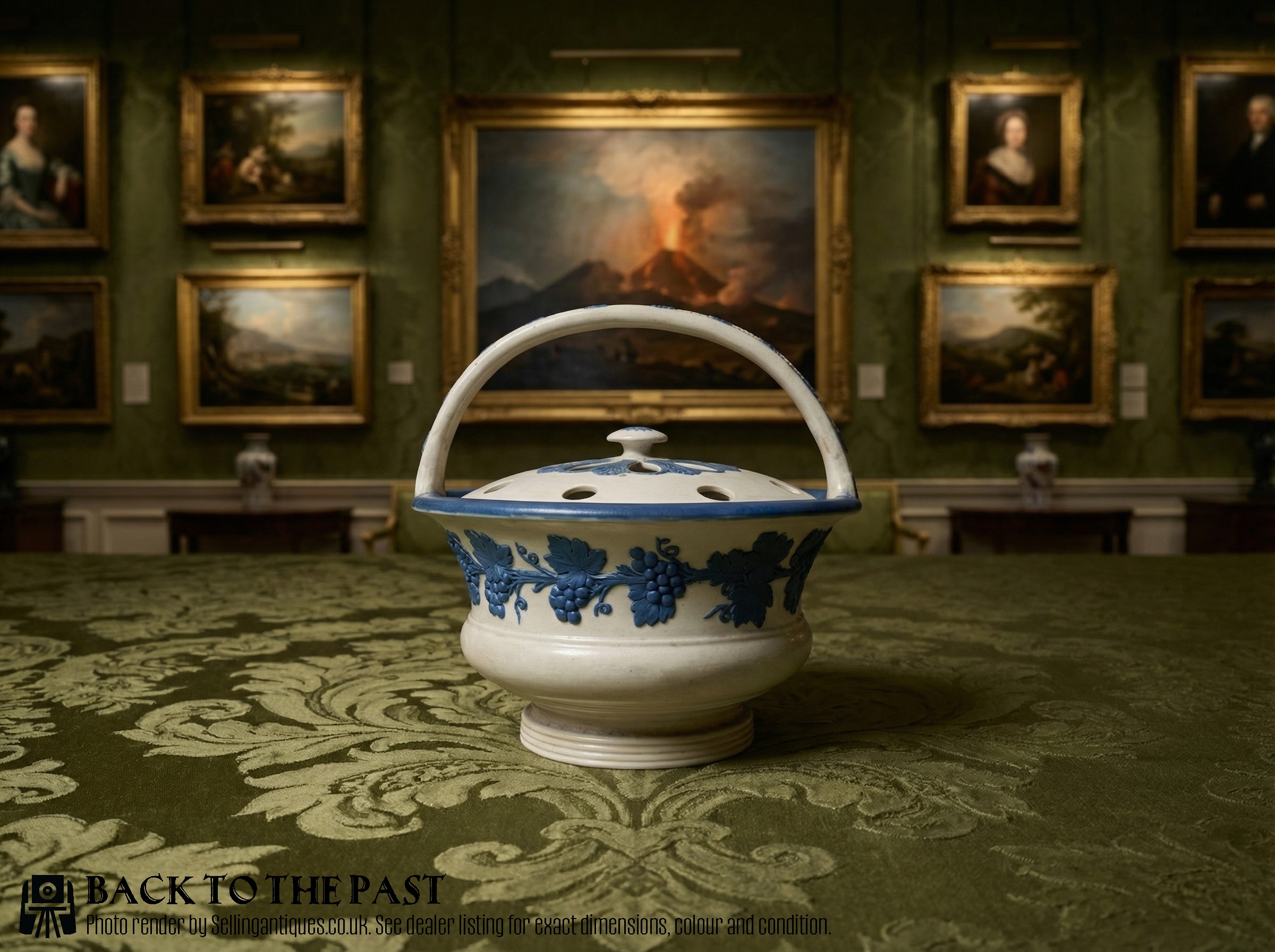
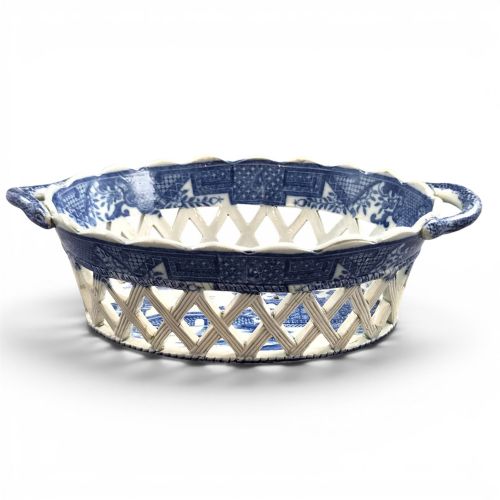
Beautiful Rare Spode Sprig Ware Stoneware Pot Pourri Basket C1790, 1800
Priced at £120 from Lee Sherman Antiques
Josiah Spode established his Stoke-on-Trent pottery business in around 1770.
Early production relied heavily on standard creamware and pearlware formulas before the factory shifted its focus towards developing complex ceramic bodies for a luxury market.
The introduction of bone china in the late eighteenth century transformed the English ceramic industry forever by providing a stark white body.
Look for the transition to the Copeland and Garrett partnership. This shift marks the factory output from 1833 onwards.
Underglaze blue transfer printing became a massive commercial success across Britain.
Josiah Spode I refined the underglaze blue transfer printing process on earthenware to a high commercial standard during the 1780s.
His son Josiah Spode II developed the bone china formula that competitors subsequently adopted across the Staffordshire potteries.
William Copeland managed the crucial London retail side. His family eventually took over the entire manufacturing operation.
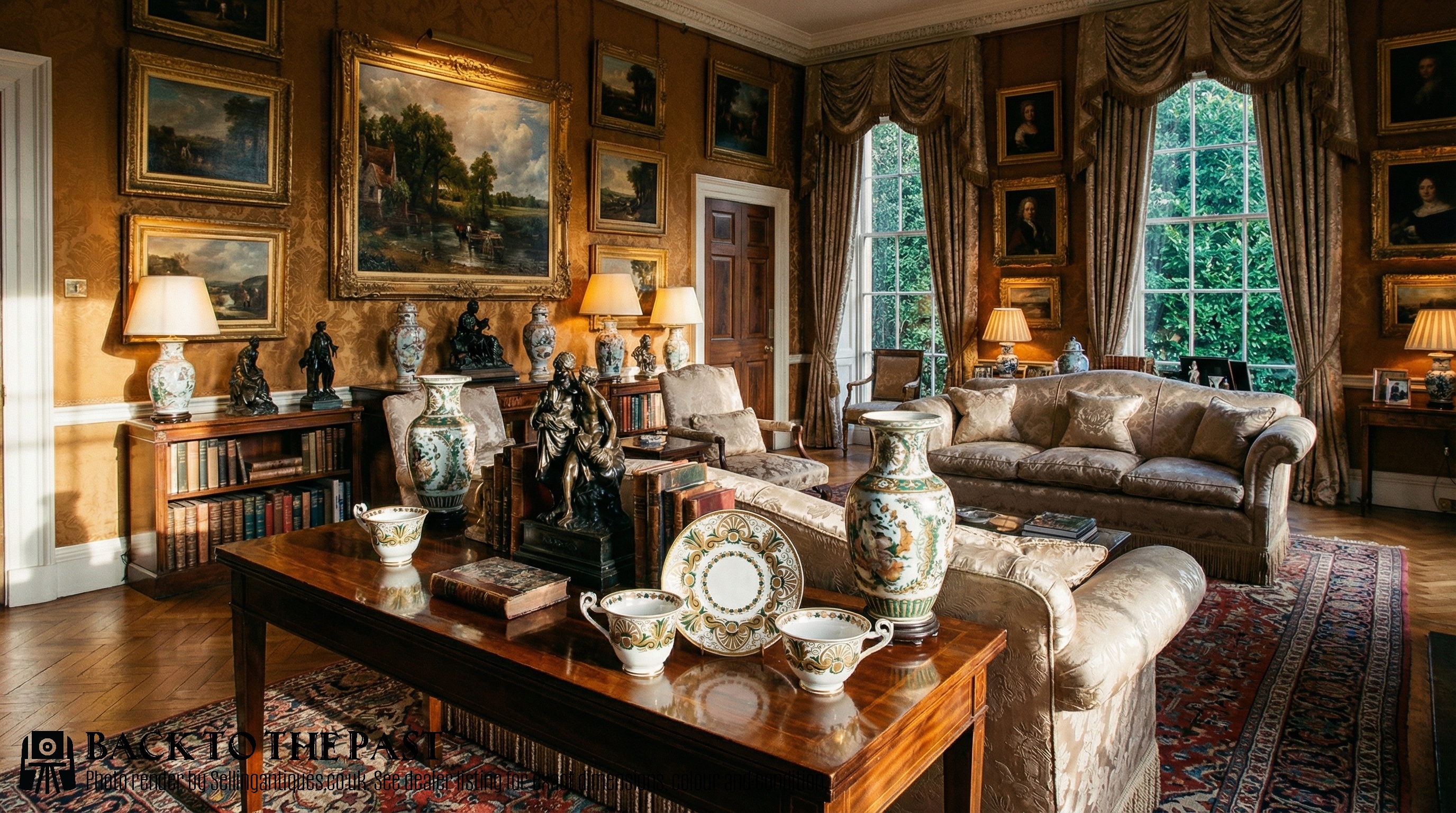
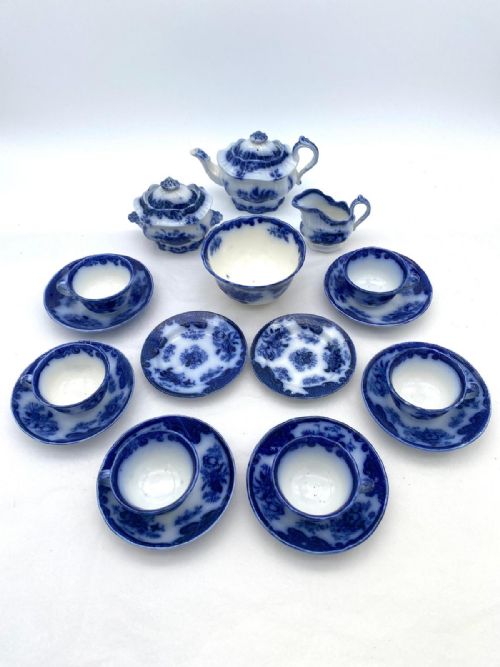
Early 19th Century Spode Cabinet Trio, Rare, Circa 1825, Regency
Priced at £595 from Robert Belcher Antiques
The 2026 retail price guide for Antique Spode is drawn from a proprietary archive of over 1.1 million retail prices indexed by Sellingantiques since 2003. This guide relies exclusively on their own internal data; no external sources or auction records are used.
Analysing nearly 25 years of UK antique market history alongside current retail values, the data indicates that typical UK retail prices for Antique Spode range between £100 and £900. Entry-level prices generally fall under £100 and premium examples upwards of £900.
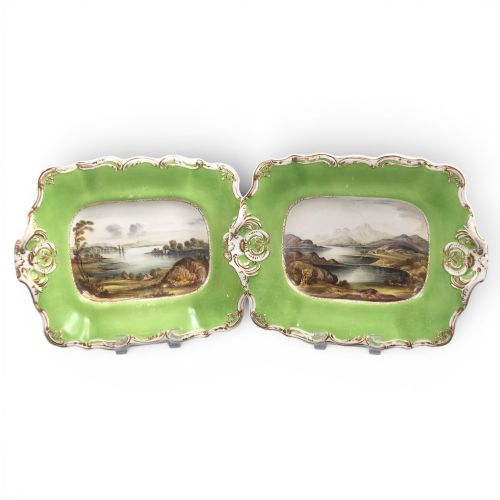
Intricate transfer-printed borders often frame a central topographical or romantic landscape scene on early earthenwares.
Hand-painted botanical studies usually feature accurate botanical naming on the reverse of dessert service plates.
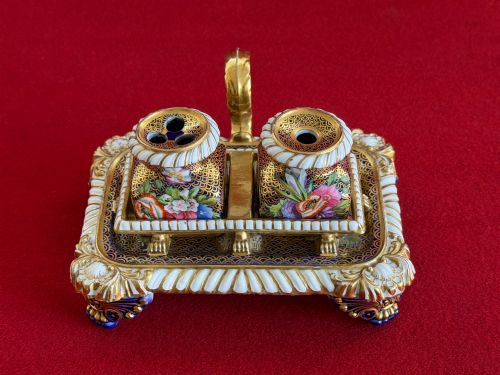
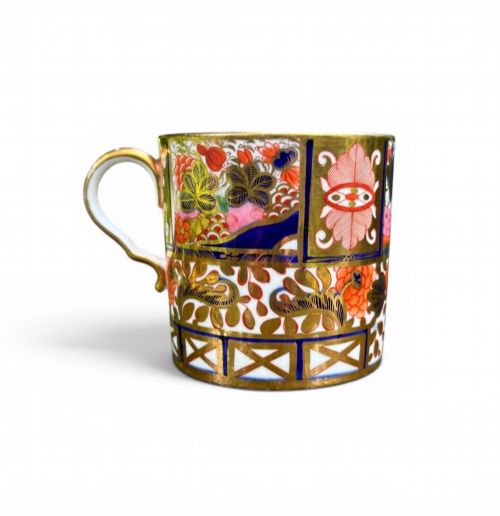
Rich gilding highlights the rims and handles of early nineteenth-century teacups.
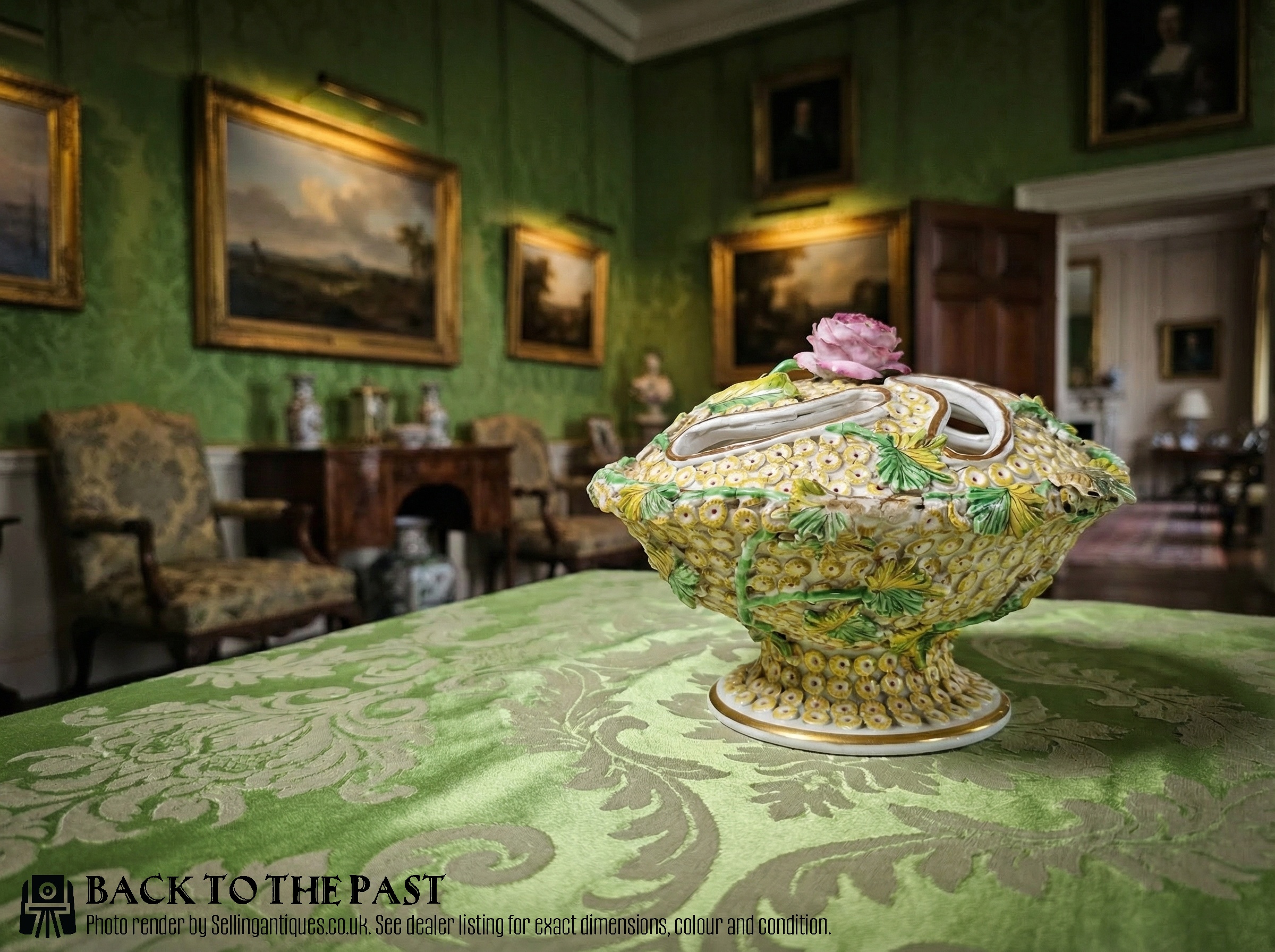
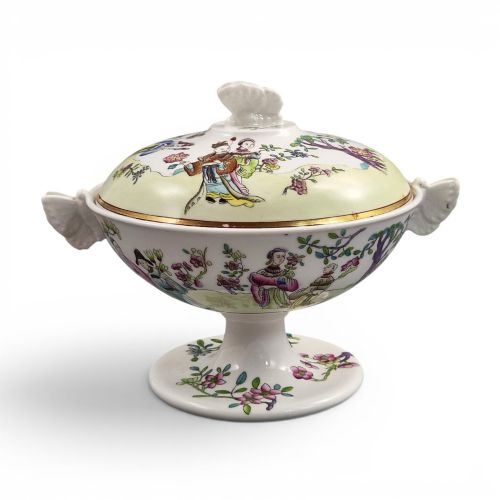
Rare Spode Flower-encrusted Potpourri Bowl & Cover C1830, 19th Century
Priced at £80 from Lee Sherman Antiques
Skilled engravers cut complex patterns into flat copper plates before transferring the wet ink design to thin tissue paper.
Pressing pliable clay into plaster moulds formed hollow shapes like soup tureens and teapot spouts.
Feel the underside of a cup for subtle lathe marks. These horizontal lines remain from the final trimming process before firing.
"The factory supplied replacement pieces for imported Chinese export services. They matched the original hand-painted designs well for wealthy clients."
"Many original copper engraving plates survive today in factory archives and still yield crisp test prints centuries later."
"Botanical designs routinely copied illustrations straight from contemporary horticultural magazines with exact painted accuracy."
Based on almost 25 years of Sellingantiques UK antique market data, Antique Spode appeared 704 times (out of 1,100,000 antiques) which gives it a rarity score of 87/100.
This score measures scarcity within the Sellingantiques archive only and is not a survey of the entire antiques market, so these statistics may not be indicative of the general availability of Antique Spode elsewhere.
Impressed or blind marks were standard factory practice for tracking output and identifying the clay body. Workers stamped the soft clay using metal or ceramic dies prior to the first biscuit firing.
These marks are often difficult to read under a thick glaze. You need to angle the base under a strong light source to cast shadows into the stamped letters.
The harsh alkaline detergents and high heat of modern dishwashers will strip away any overglaze enamels and gilding. Even underglaze blue printed patterns risk damage if the protective glaze has developed microscopic cracks over the decades. The turbulence also causes items to knock together.
Wash them by hand in warm soapy water. Lay a folded tea towel in the bottom of the sink to prevent chipping the footrims against the hard metal basin. Drain them on a wooden rack and dry with a soft cloth.
The famous story of escaping lovers turning into birds is a marketing invention. English potters created the tale to help sell transfer-printed wares featuring pseudo-Chinese landscapes.
Spode introduced several early versions of these Chinese-style landscapes. They drew elements from imported export porcelain and combined them to suit British domestic tastes.
Those brown marks occur when moisture seeps into the porous earthenware body through tiny cracks in the glaze. The staining is structural.
Leave the dish as it is. Bleaching involves harsh chemicals that weaken the ceramic body further.
Please note: This Antique Spode guide and its associated pricing data are provided for general informational purposes only. It does not constitute formal financial, investment, or appraisal advice and should not be relied upon as the sole basis for any commercial activity, purchasing, or sales decisions. Sellingantiques.co.uk accepts no liability for any actions taken in reliance on this information. Always consult with a qualified professional or independent appraiser.
