





A 2026 Guide by Sellingantiques
Bronze and plaster examples became common household items during the nineteenth century.
Grand Tour travellers often brought back classical relief copies. These small souvenirs helped popularise antique wall plaques across Europe.
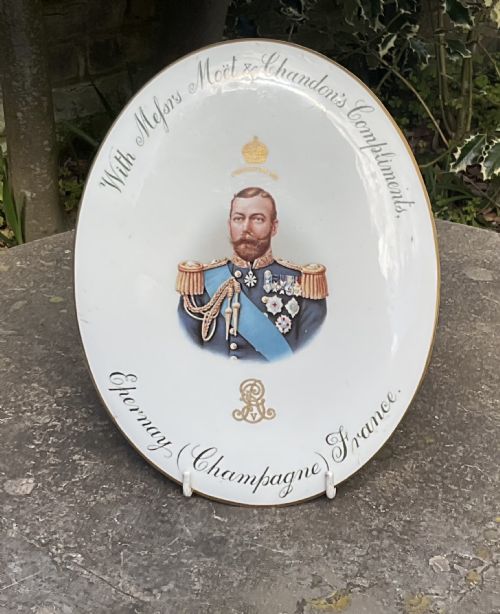
Commemorating military battles or major royal events drove significant production.
Look for shifting subjects. Religious scenes dominate earlier periods, while secular or political themes take over later on.
Elkington & Co produced high-quality electrotyped antique wall plaques during the Victorian era. They stamped their finer pieces on the edge.
The Coalbrookdale foundry cast iron plaques, mostly relying on classical patterns.
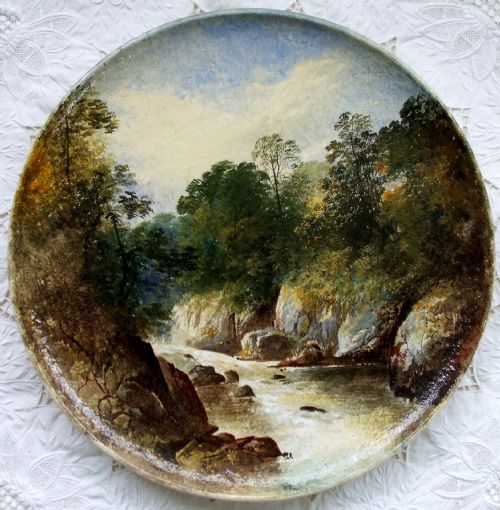
Regional potteries often pushed out unmarked ceramic versions for local markets.
The 2026 retail price guide for Antique Wall Plaques is drawn from a proprietary archive of over 1.1 million retail prices indexed by Sellingantiques since 2003. This guide relies exclusively on their own internal data; no external sources or auction records are used.
Analysing nearly 25 years of UK antique market history alongside current retail values, the data indicates that typical UK retail prices for Antique Wall Plaques range between £300 and £2,400. Entry-level prices generally fall under £300 and premium examples upwards of £2,400.
Suspension rings are usually integrated directly into the back casting.
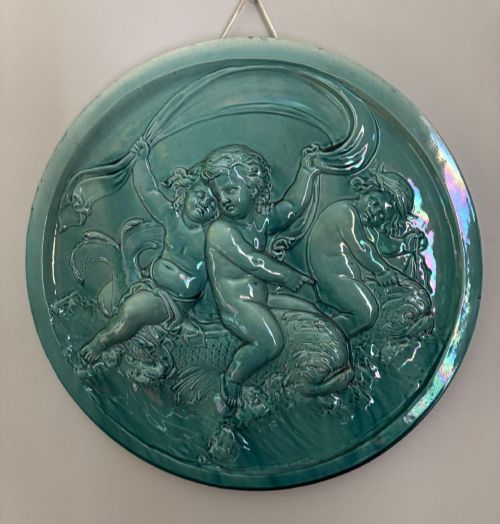
Deep relief carving creates structural shadows when hung near a light source.
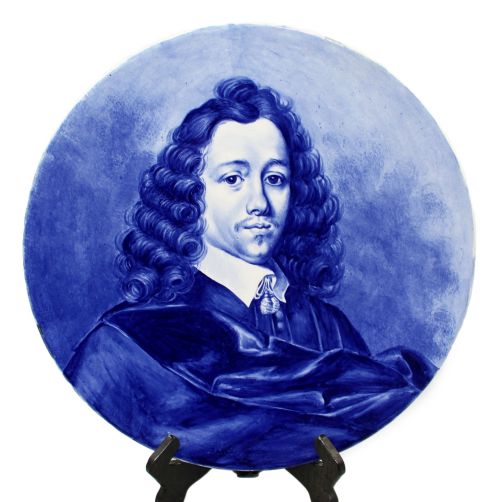
Profile portraits remain the most standard format for commemorative issues.
Sand casting required creating a wooden master pattern first. The master was pressed into fine sand to form the void.
Chasing cleaned up rough metal edges. A skilled worker used small punches to sharpen details straight out of the mould.
Plaster of Paris was poured into gelatine moulds. This method allowed undercut sections that rigid moulds would break.
"Many surviving plaster casts retain traces of original wax finishes. These coatings protected the porous surface from damp walls."
"Foundries kept popular master patterns active for decades. They swapped out minor details to suit new events or monarchs."
"Sometimes the back reveals fingerprints. Modellers pressing wet clay into moulds left these marks behind."
Based on almost 25 years of Sellingantiques UK antique market data, Antique Wall Plaques appeared 1083 times (out of 1,100,000 antiques) which gives it a rarity score of 81/100.
This score measures scarcity within the Sellingantiques archive only and is not a survey of the entire antiques market, so these statistics may not be indicative of the general availability of Antique Wall Plaques elsewhere.
You need heavy-duty wall anchors rated for solid metal. Most bronze plaques have cast-in loops or keyhole slots on the reverse.
Never trust old wire or string. Replace any existing suspension wire with modern braided steel wire before hanging.
The dark finish is often intentional. Carvers used dark stains or ebonising techniques to make oak or fruitwood look more formal.
Just dust it with a soft brush. If you apply water or harsh cleaners, the original patina will lift off and leave a patchy surface.
Electrotyping uses an electric current to deposit copper inside a mould.
Foundries usually backed these thin shells with lead for rigidity.
Plaster absorbs moisture from the air. Older houses with solid walls often transfer dampness directly into the back of unprotected plaster castings.
Keep it away from fresh plaster or humid areas. You might want to seal the back with a breathable varnish to stop further powdering.
Please note: This Antique Wall Plaques guide and its associated pricing data are provided for general informational purposes only. It does not constitute formal financial, investment, or appraisal advice and should not be relied upon as the sole basis for any commercial activity, purchasing, or sales decisions. Sellingantiques.co.uk accepts no liability for any actions taken in reliance on this information. Always consult with a qualified professional or independent appraiser.
