

A 2026 Guide by Sellingantiques
Large estates needed serious infrastructure to feed the household. Antique prep tables emerged as the central workstation for cooks.
Factory-like Victorian kitchens. They required vast flat spaces for processing meat and preparing pastry on a daily basis.
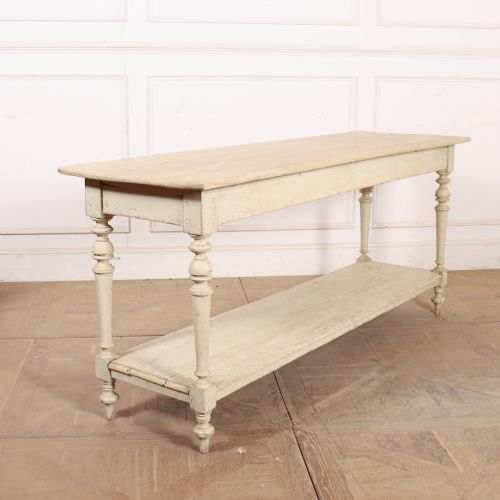
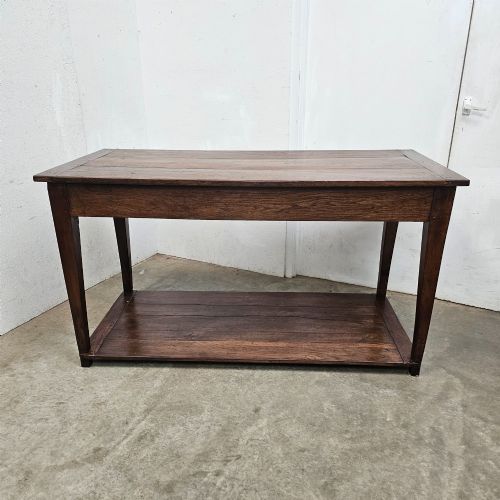
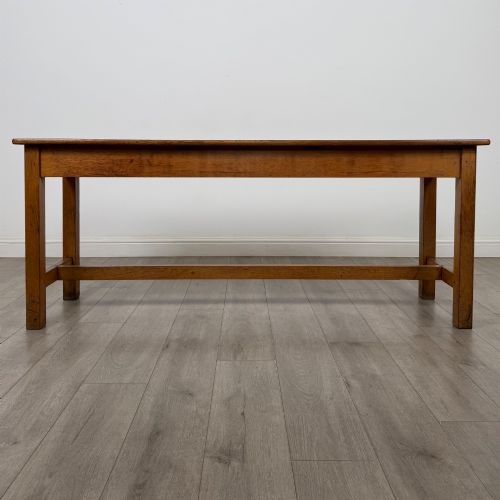
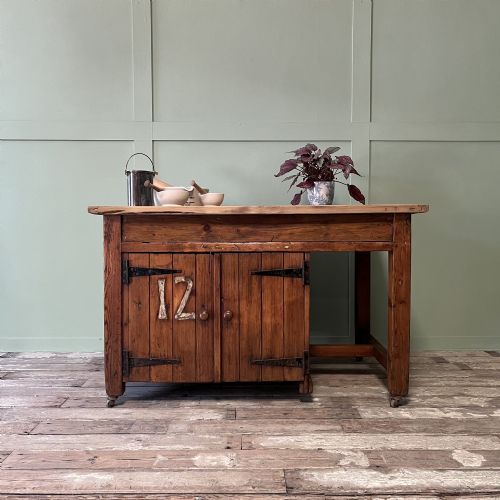
Look for regional differences. French baker's tables often had slatted undertiers, while English country house versions were typically enclosed.
Butchers and hotel kitchens adopted these robust designs as urban populations grew.
Documented makers rarely signed antique prep tables. These were utilitarian objects built by local estate carpenters or provincial joiners.
French provincial workshops produced distinct variations. You often see them incorporating a flour bin directly beneath a hinged top.
Estate records sometimes name the builder. The local wheelwright or carpenter would supply the main house with heavy kitchen furniture.
The 2026 retail price guide for Antique Prep Tables is drawn from a proprietary archive of over 1.1 million retail prices indexed by Sellingantiques since 2003. This guide relies exclusively on their own internal data; no external sources or auction records are used.
Analysing nearly 25 years of UK antique market history alongside current retail values, the data indicates that typical UK retail prices for Antique Prep Tables range between £800 and £3,500. Entry-level prices generally fall under £800 and premium examples upwards of £3,500.
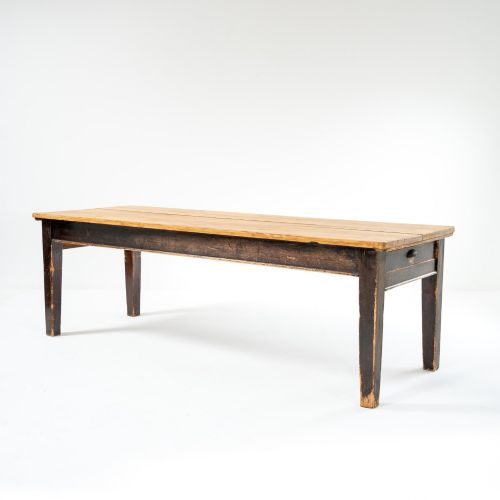
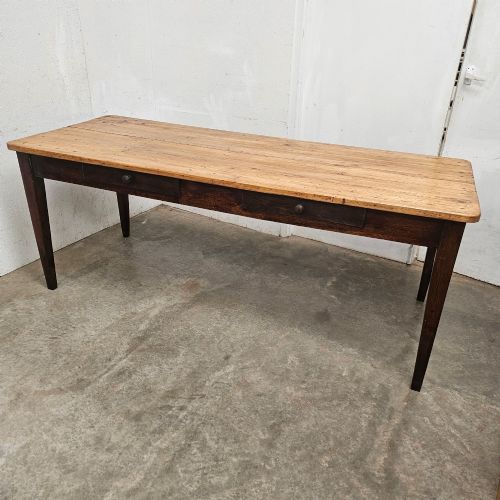
Massive thickness characterises the work surface. Tops were built to be scrubbed daily with sand and water over decades.
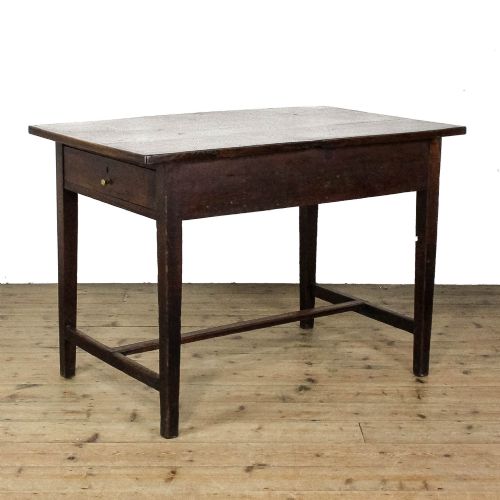
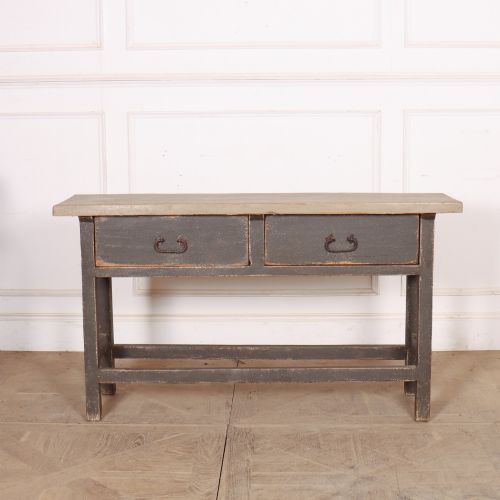
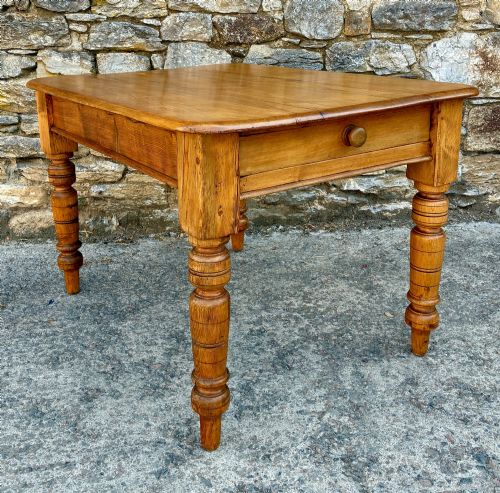
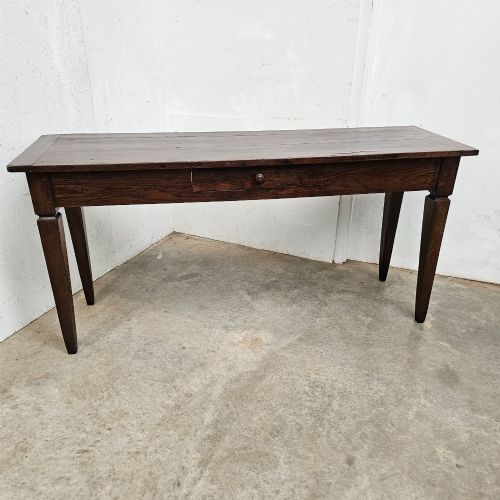
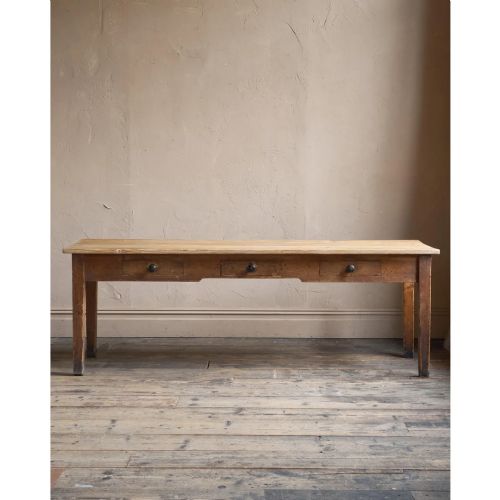
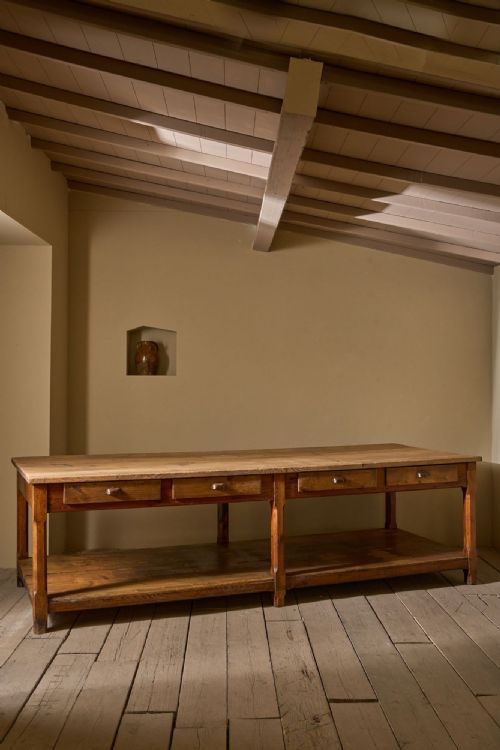
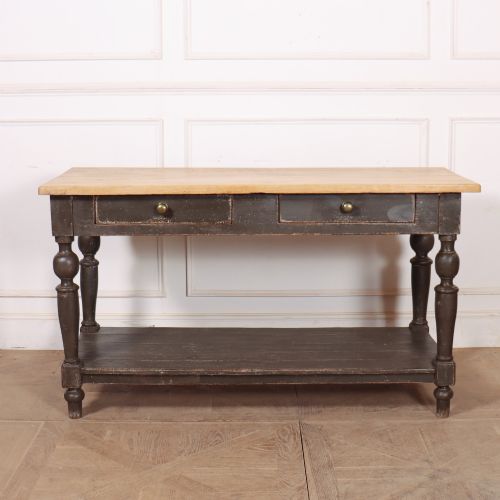
Cooks needed deep drawers to store large knives, rolling pins, and heavy brass utensils right at the workstation.
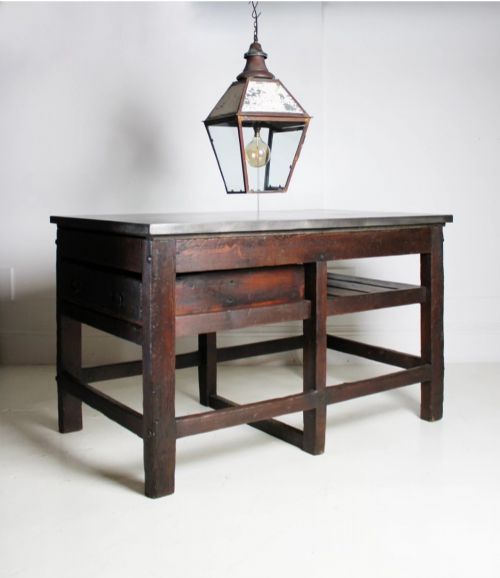
Examine the base. Many feature a slatted lower shelf designed to hold heavy copper pots and let air circulate.
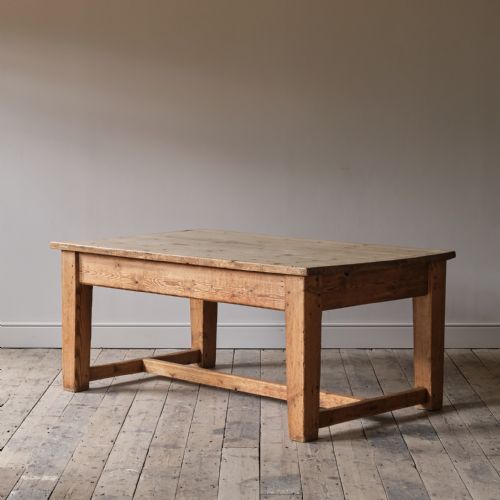
Early iterations relied on pegged construction. Wooden dowels pull the mortise and tenon joints tight without needing expensive iron nails.
Lathes made it faster to produce stout, turned legs in the nineteenth century than squaring off heavy baulks of timber.
Industrialisation brought changes to the hardware. Hand-forged hinges and nails gave way to machine-cut screws in later commercial production.
"Scrubbing actually hardened the wood over time. The alkaline soap and sand mixture created a durable surface well suited for food preparation."
"Some were designed to be freestanding in the centre of the room. This allowed multiple staff members to work around the same station simultaneously."
"Slots cut directly into the surface turn up sometimes. These were purpose-built knife drops, keeping blades safely out of the way but instantly accessible."
Based on almost 25 years of Sellingantiques UK antique market data, Antique Prep Tables appeared 342 times (out of 1,100,000 antiques) which gives it a rarity score of 93/100.
This score measures scarcity within the Sellingantiques archive only and is not a survey of the entire antiques market, so these statistics may not be indicative of the general availability of Antique Prep Tables elsewhere.
Most traditional tops were left completely bare. They were scrubbed with sand and water, which bleached the wood and kept it hygienic for food preparation.
If you want to seal it for modern kitchen use, a food-safe mineral oil or natural beeswax works well. It will darken the wood slightly, changing that classic pale look to a richer tone.
Altering the original legs changes the proportions and stance of the piece. Cooks originally dealt with uneven flagstones by placing small wooden shims under the feet.
A better modern solution is to fit adjustable screw-in glides hidden under the base of the legs. This stops the rocking without removing historic timber.
If the table is already uncomfortably high, trimming is an option, but it is rarely reversible.
Yes. These bases were built to hold significant weight. A thick marble slab for rolling pastry is a traditional addition.
Just ensure the carcase joints are tight before adding the stone.
Sanding away the working history removes the character that defines an antique prep table. Those cuts from cleavers and burns from hot pans are the evidence of its working life.
Aggressive sanding will also thin the boards, which might already be worn down from decades of historical scrubbing. A thorough scrub with a stiff brush and soap is usually all it needs.
Please note: This Antique Prep Tables guide and its associated pricing data are provided for general informational purposes only. It does not constitute formal financial, investment, or appraisal advice and should not be relied upon as the sole basis for any commercial activity, purchasing, or sales decisions. Sellingantiques.co.uk accepts no liability for any actions taken in reliance on this information. Always consult with a qualified professional or independent appraiser.
