


A 2026 Guide by Sellingantiques
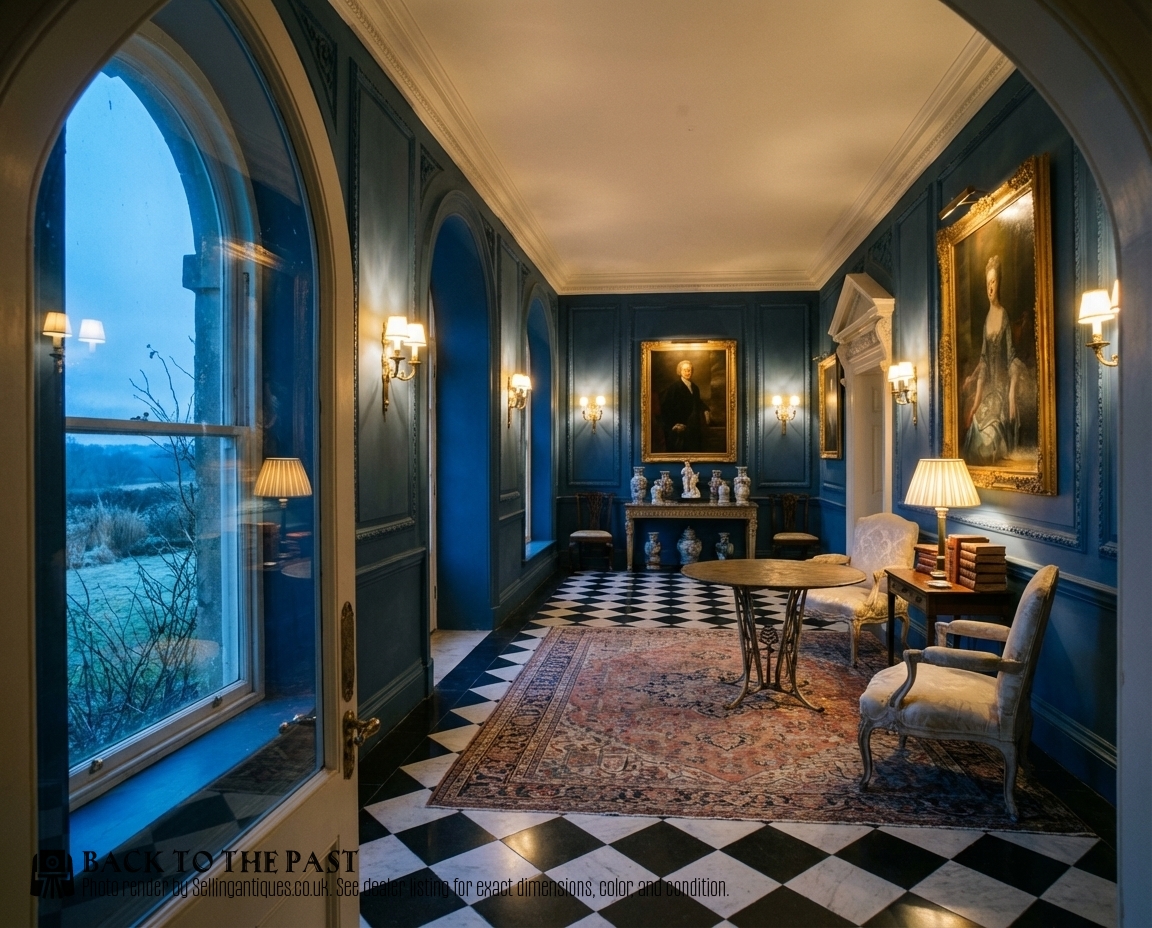
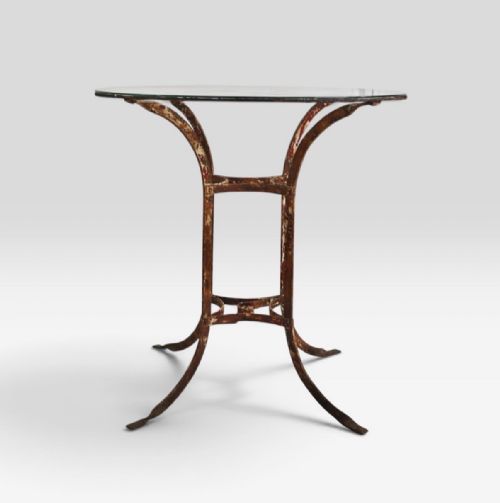
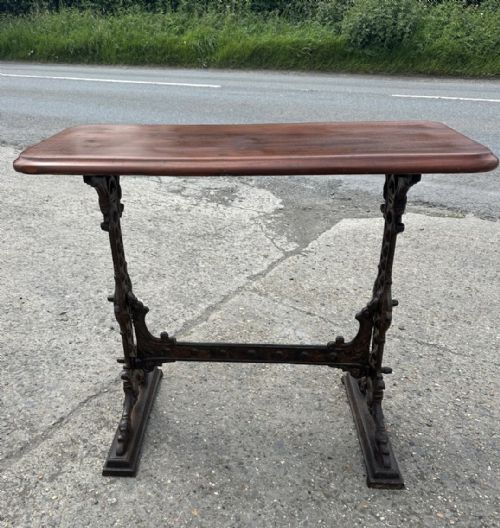
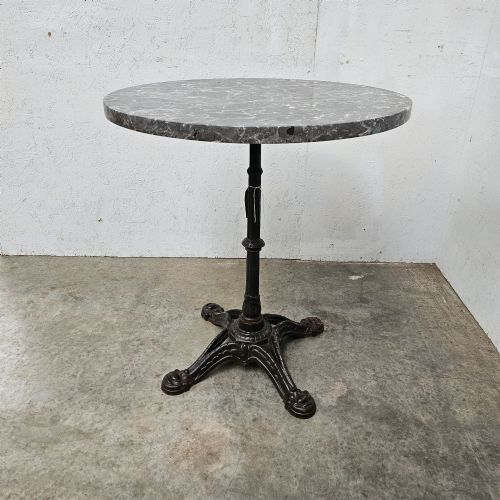
Early 20th Century French Iron , Brass & Copper Table, 1920
Priced at £1,850 from Youlls Antiques
French legislation relaxed licensing laws in the late nineteenth century. Thousands of small cafes opened across Paris shortly after.
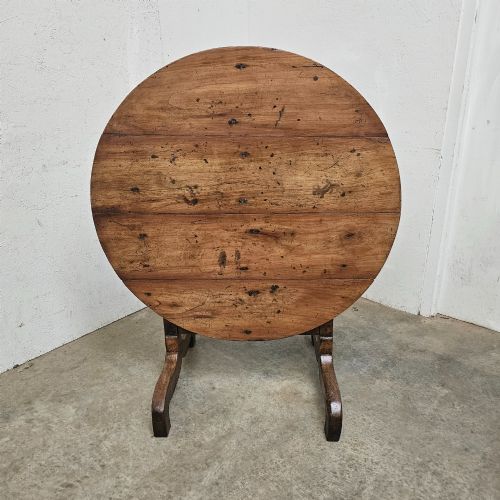
Pavements required furniture that didn't block pedestrians. Antique bistro tables offered a practical solution for crowded outdoor spaces.
Waiters needed to clear terraces quickly at closing time. Many bases incorporated folding mechanisms for easy stacking.
Early twentieth-century laws taxed establishments by the number of tables inside. Owners shifted seating outdoors to avoid the levy.
Thonet produced countless wooden versions from the mid-nineteenth century. They used bent beechwood to form lightweight, durable bases.
Tolix began making sheet metal tables in the 1920s. Xavier Pauchard designed these to accompany his galvanised cafe chairs.
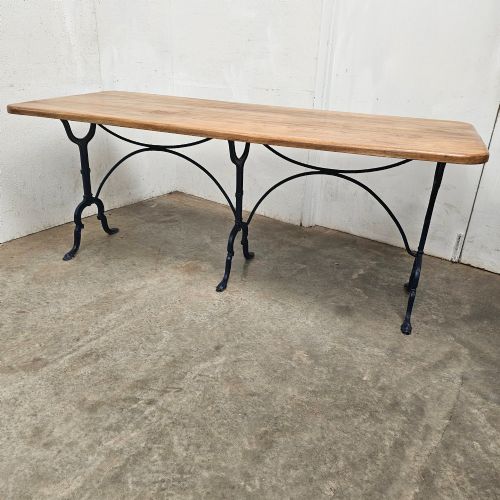
Foundries across provincial France cast heavy iron legs. Most lack maker marks, simply bearing regional registry numbers on the underside.
The 2026 retail price guide for Antique Bistro Tables is drawn from a proprietary archive of over 1.1 million retail prices indexed by Sellingantiques since 2003. This guide relies exclusively on their own internal data; no external sources or auction records are used.
Analysing nearly 25 years of UK antique market history alongside current retail values, the data indicates that typical UK retail prices for Antique Bistro Tables range between £500 and £1,500. Entry-level prices generally fall under £500 and premium examples upwards of £1,500.
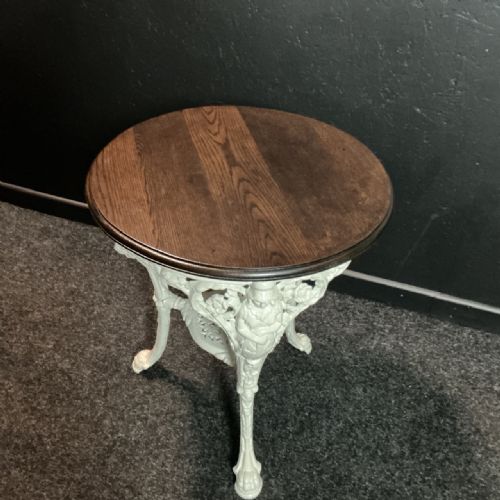
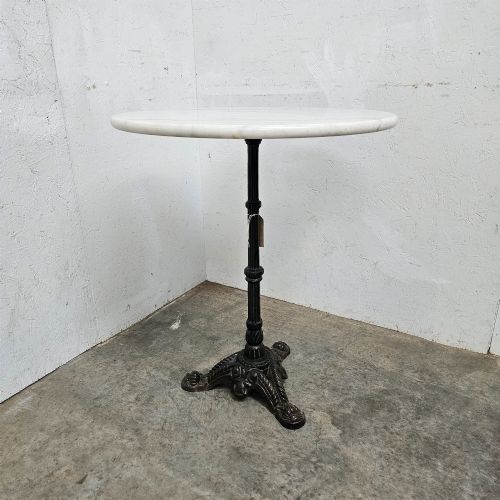
Three legs sit better on uneven cobblestones than four. A tripod base remains stable without wobbling.
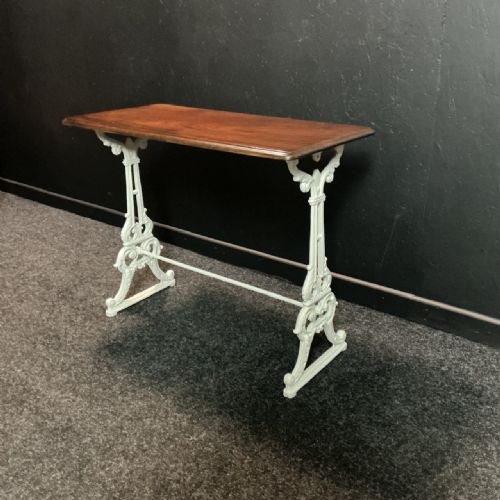
Pierced cast metal bases shed rainwater quickly. Open patterns also kept the overall weight manageable for cafe staff.
Central stems often taper upwards. This shape gives customers room for their knees underneath a narrow top.
Early cast bases require heavy bolts to join the legs to the stem. These fixings often rust solid over time.
Manufacturers later switched to tubular steel. Welding replaced bolts, creating a lighter frame that survived rough handling better.
Enamel tops appeared in the early twentieth century. Fired glass over steel provided a cheap, colourful alternative to carved marble.
"Many iron bases include a small ring near the feet. Diners looped their dog leashes through these while eating."
"The heavy weight deterred opportunistic thieves. Patrons could leave their drinks unattended without worrying the table would disappear."
"You can sometimes find the original cafe name cast into the central stem. Foundries offered this bespoke service for large orders."
Based on almost 25 years of Sellingantiques UK antique market data, Antique Bistro Tables appeared 334 times (out of 1,100,000 antiques) which gives it a rarity score of 94/100.
This score measures scarcity within the Sellingantiques archive only and is not a survey of the entire antiques market, so these statistics may not be indicative of the general availability of Antique Bistro Tables elsewhere.
Most cast iron bases will survive winter weather fine. The paint might flake faster, but it isn't going to rust through quickly.
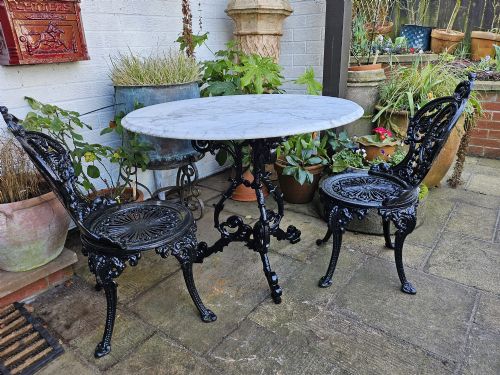
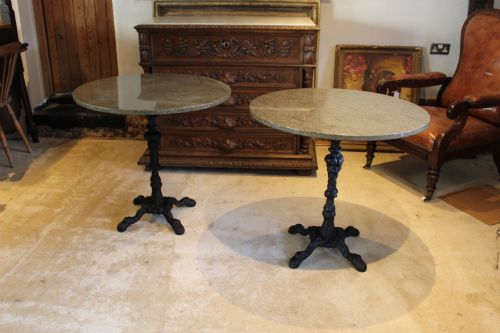
Marble tops are different. Water can seep into natural fissures and expand when it freezes. It is safer to bring stone tops into a shed or cover them during heavy frosts.
A tripod base is exactly what you need for uneven ground. Geometry dictates that three points naturally find a stable plane.
Four-legged tables will rock on cobblestones unless you wedge something under a foot. French cafe owners knew this, which is why almost all early pavement furniture uses a three-legged design.
Avoid harsh modern bathroom cleaners. Acidic sprays etch the surface and remove the natural finish of the stone.
Warm water and a mild dish soap work best for daily wiping. If the marble has deep wine stains, a poultice of baking soda and water left overnight often lifts the worst marks.
Over time, the core material under a zinc or brass top shrinks. This leaves a gap where the metal rim used to sit tight against the surface.
Some restorers gently tap the rim down with a soft mallet. You have to work slowly around the whole edge to avoid crimping the metal.
Often, it is better to leave it alone. The gap rarely affects how the piece functions, and tapping old metal risks snapping the pins holding it in place.
Please note: This Antique Bistro Tables guide and its associated pricing data are provided for general informational purposes only. It does not constitute formal financial, investment, or appraisal advice and should not be relied upon as the sole basis for any commercial activity, purchasing, or sales decisions. Sellingantiques.co.uk accepts no liability for any actions taken in reliance on this information. Always consult with a qualified professional or independent appraiser.
