



A 2026 Guide by Sellingantiques
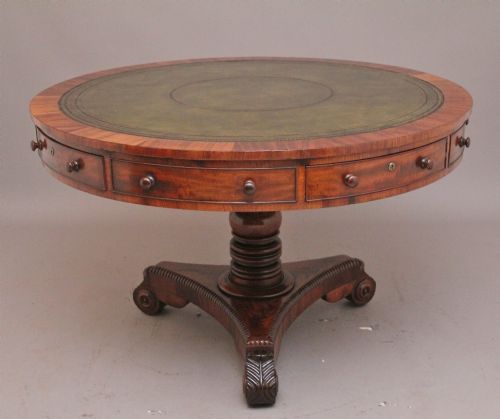
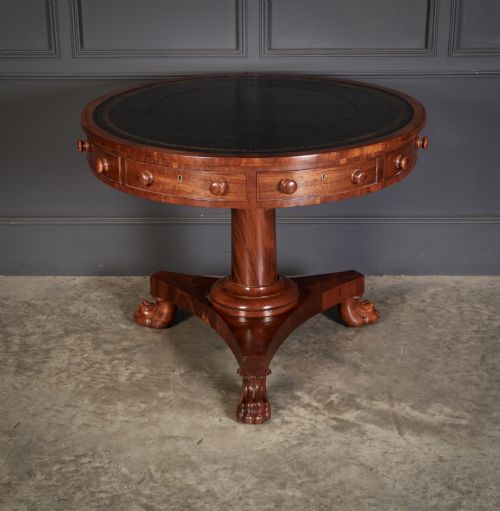
George III Mahogany Estate Rent Table, Writing Table or Desk, Circa 1775, Georgian
Priced at £3,500 from Surrey Antiques by Gary J Hall
Developed in the eighteenth century to help landowners manage large agricultural estates.
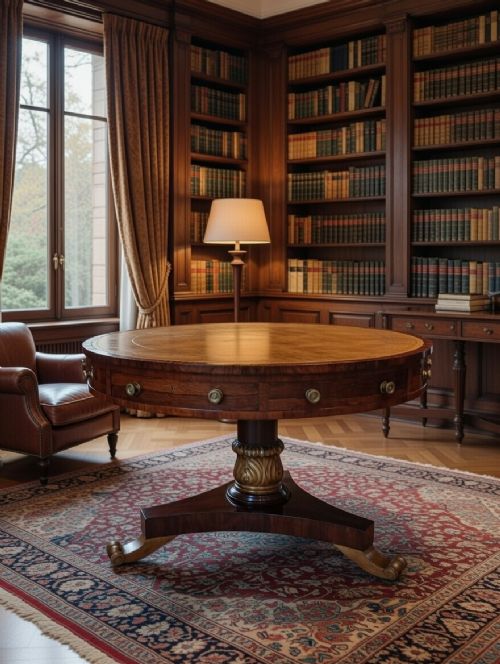
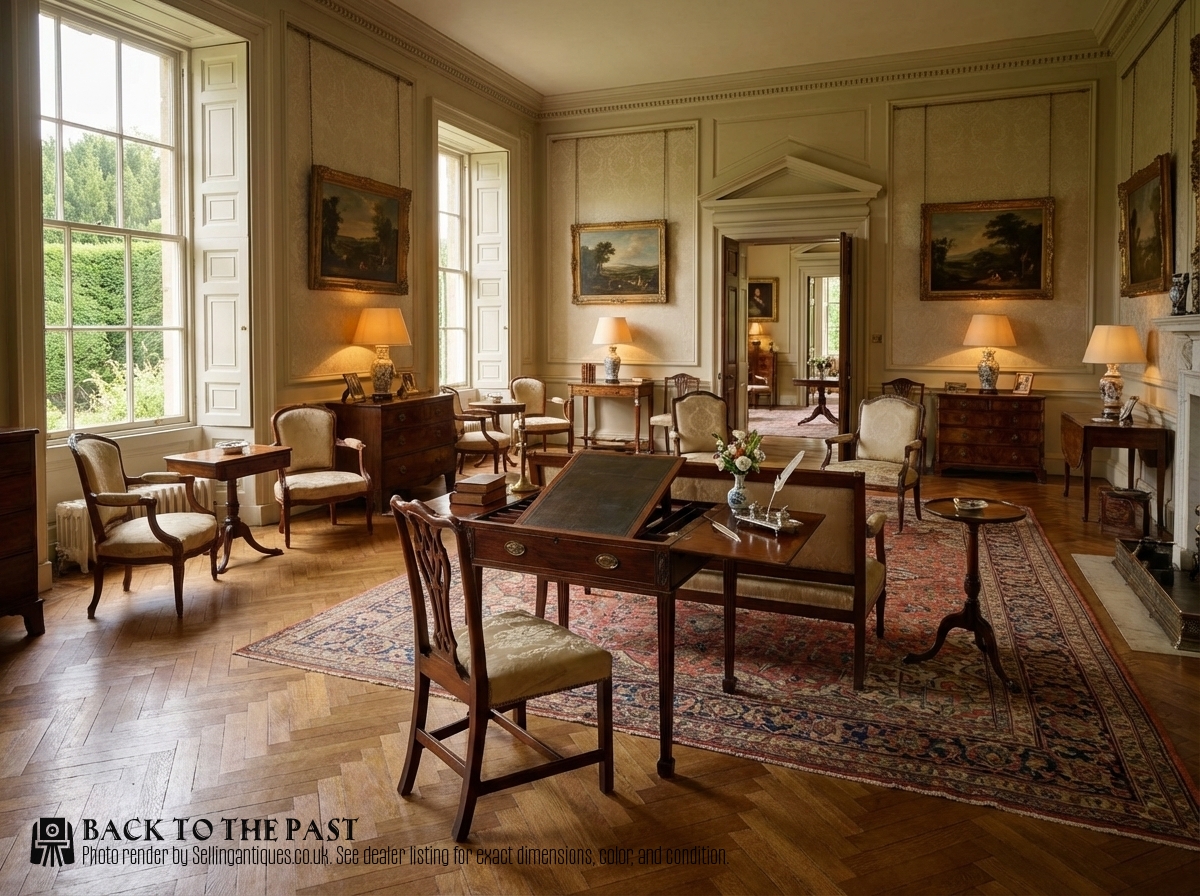
Antique rent tables stood in libraries or working estate offices rather than main reception rooms.
A practical solution for handling cash and ledgers when tenant farmers arrived to pay quarterly dues.
Look for painted lettering on the drawer fronts marking the alphabet to sort paperwork.
Demand dropped during the nineteenth century as banking systems improved.
Gillows of Lancaster produced several heavy mahogany variations for estate offices in the late eighteenth century.
Provincial cabinet makers built the majority of antique rent tables for local squires without stamping their work.
The 2026 retail price guide for Antique Rent Tables is drawn from a proprietary archive of over 1.1 million retail prices indexed by Sellingantiques since 2003. This guide relies exclusively on their own internal data; no external sources or auction records are used.
Analysing nearly 25 years of UK antique market history alongside current retail values, the data indicates that typical UK retail prices for Antique Rent Tables range between £2,300 and £7,900. Entry-level prices generally fall under £2,300 and premium examples upwards of £7,900.
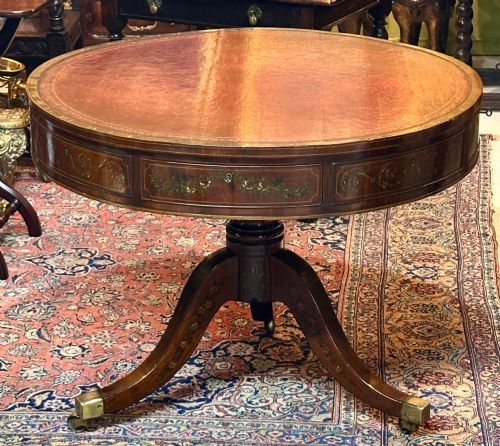
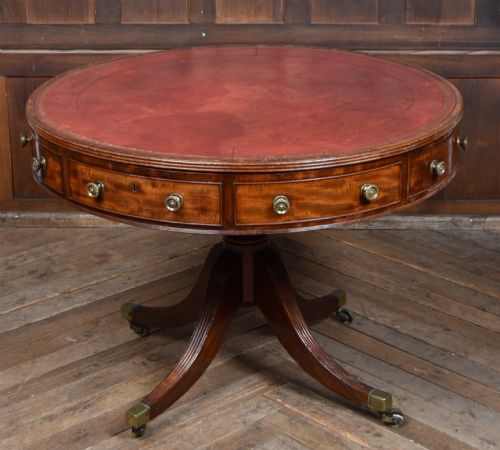
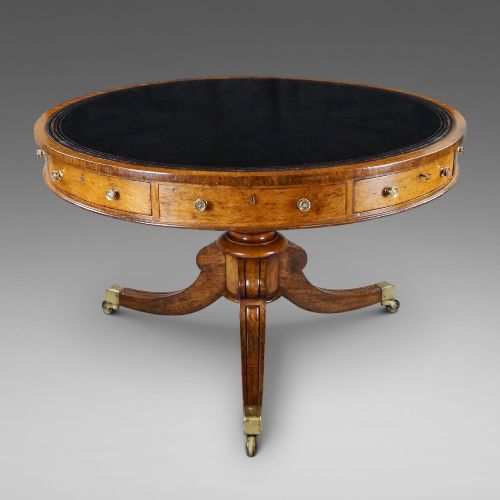
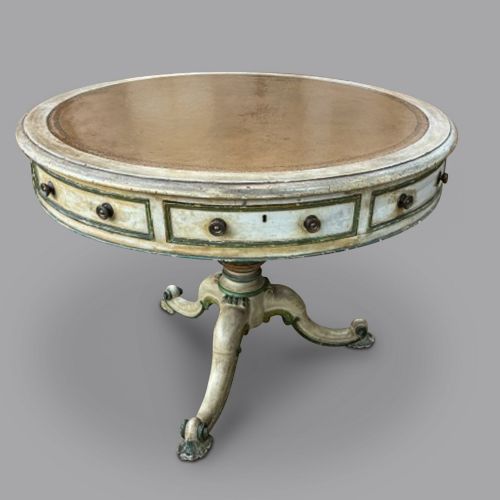
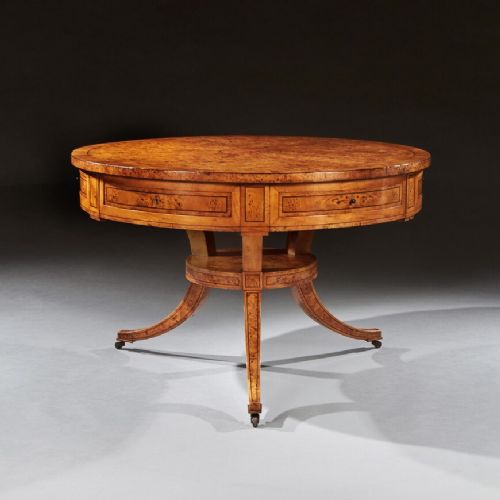
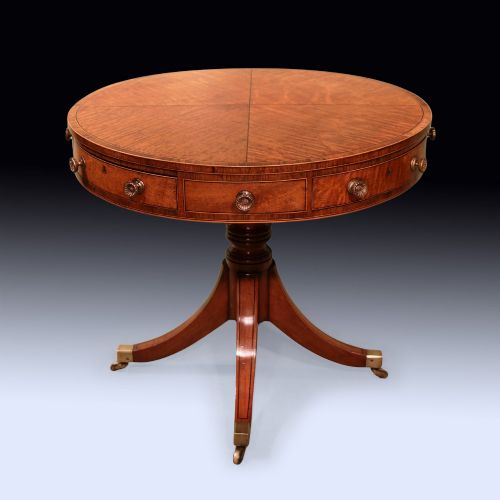
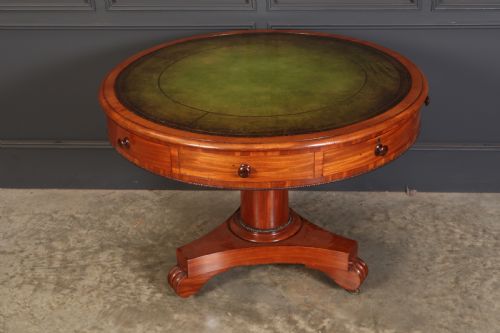
Frieze drawers run all the way around the top edge.
Some examples feature a lockable central well for securing coins and bank notes.
The whole top often revolves on the base, letting a seated clerk pull any drawer towards them.
Building a revolving top required a heavy iron spindle or a wide wooden collar joint.
Hand-cut dovetails secure the numerous wedge-shaped drawers. These pull out on runners set into the internal framing.
Later antique rent tables often use thicker veneers laid over mahogany groundwork.
"Alphabetical filing on the drawer fronts sometimes skips characters like J or U, following older sorting systems."
"Many have secret mechanisms where a single key turn secures all the radial drawers at once."
"The hollow central pedestal frequently hides a separate cabinet space accessed by a concealed door."
Based on almost 25 years of Sellingantiques UK antique market data, Antique Rent Tables appeared 105 times (out of 1,100,000 antiques) which gives it a rarity score of 98/100.
This score measures scarcity within the Sellingantiques archive only and is not a survey of the entire antiques market, so these statistics may not be indicative of the general availability of Antique Rent Tables elsewhere.
Estate clerks assigned a drawer to each letter. When tenant farmers arrived to pay their lease, the clerk opened the matching drawer to pull out their specific paperwork.
Since the whole top rotates, the clerk stayed seated and spun the table to reach the correct letter.
Leather writing surfaces took heavy wear from coins, ledgers, and ink spills. Most estate tables required replacement leather several times during their working life.
A fresh hide is standard maintenance. Dealers routinely commission binders to lay new tooled leather in various colours when the old surface becomes too torn to use.
Dropping coins into the central slot feeds them down into the main pedestal. This column acts as a vault.
To retrieve the cash, the steward unlocked a small, heavy door built into the base of the pedestal itself.
Drum tops have a deep frieze to hold the drawers. This limits legroom underneath, meaning your knees might hit the wood before you can pull a chair close.
They were designed for leaning over ledgers, not sitting at a keyboard. You might find a standard antique pedestal desk more comfortable for daily office work.
Please note: This Antique Rent Tables guide and its associated pricing data are provided for general informational purposes only. It does not constitute formal financial, investment, or appraisal advice and should not be relied upon as the sole basis for any commercial activity, purchasing, or sales decisions. Sellingantiques.co.uk accepts no liability for any actions taken in reliance on this information. Always consult with a qualified professional or independent appraiser.
