

A 2026 Guide by Sellingantiques
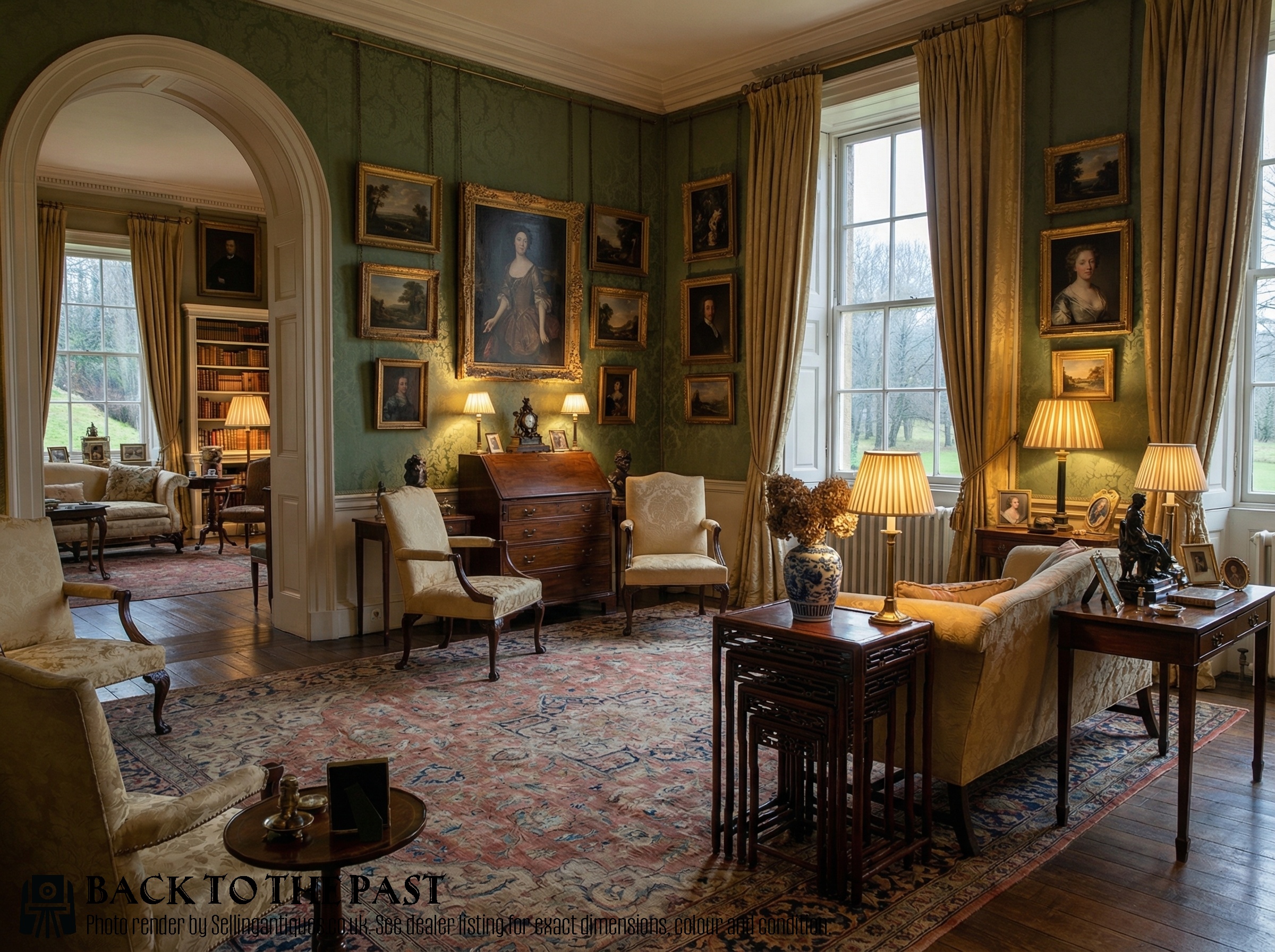
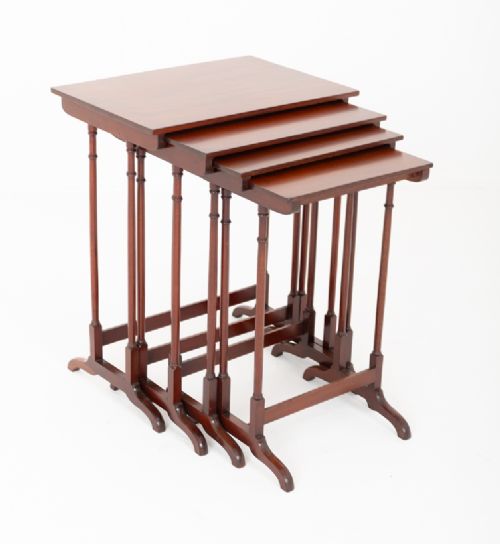
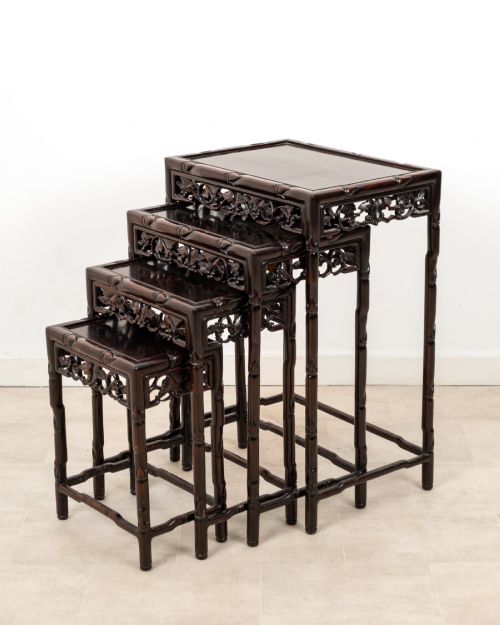
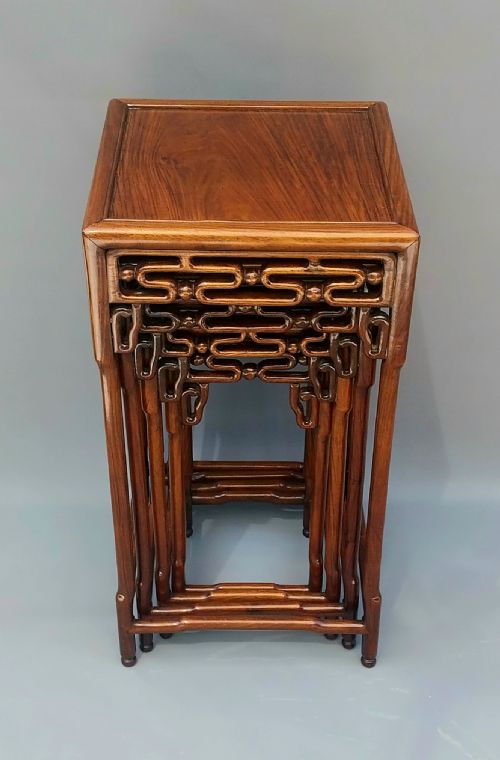
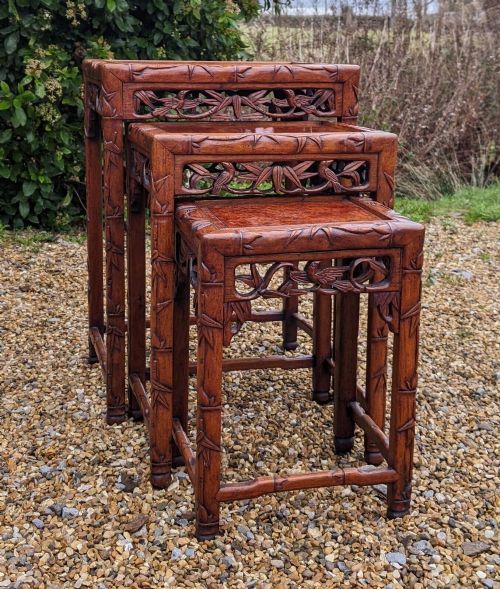
Fabulous Nest of Four Chinese Rosewood Tables, Victorian
Priced at £385 from Eclectic Antiques
Thomas Sheraton first documented these around 1800, calling them quartetto tables because they often came in sets of four.
Look at how they spread through Georgian homes as tea drinking required temporary surfaces.
An antique nest of tables quickly became a staple in Victorian households.
Later periods saw a drop to three tables rather than four, saving space in smaller Edwardian rooms.
Gillows of Lancaster produced hundreds of these in rosewood during the early nineteenth century.
Try finding the stamped marks from makers like Edwards & Roberts on late Victorian sets.
French cabinetmaker Émile Gallé crafted intricate marquetry versions during the Art Nouveau period.
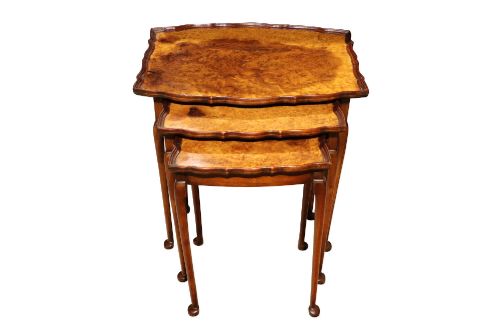
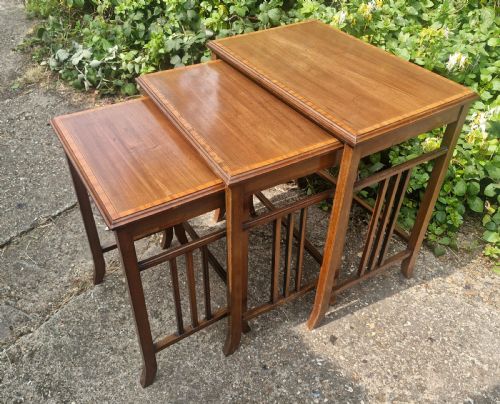
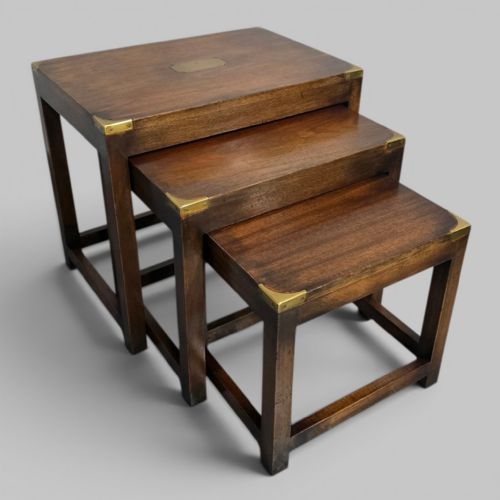
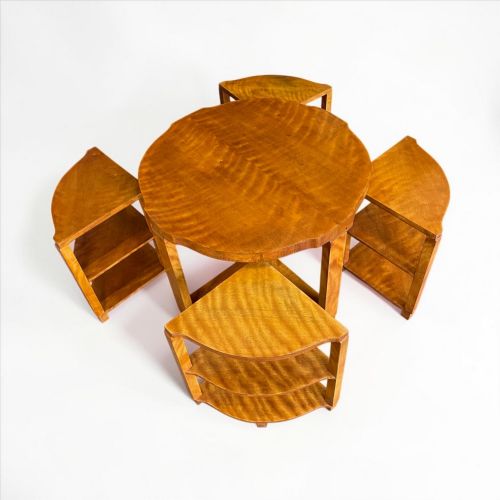
Antique Oak Nest of 3 Tables., 1920
Priced at £210 from Antiquus
The 2026 retail price guide for Antique Nest Of Tables is drawn from a proprietary archive of over 1.1 million retail prices indexed by Sellingantiques since 2003. This guide relies exclusively on their own internal data; no external sources or auction records are used.
Analysing nearly 25 years of UK antique market history alongside current retail values, the data indicates that typical UK retail prices for Antique Nest Of Tables range between £400 and £1,700. Entry-level prices generally fall under £400 and premium examples upwards of £1,700.
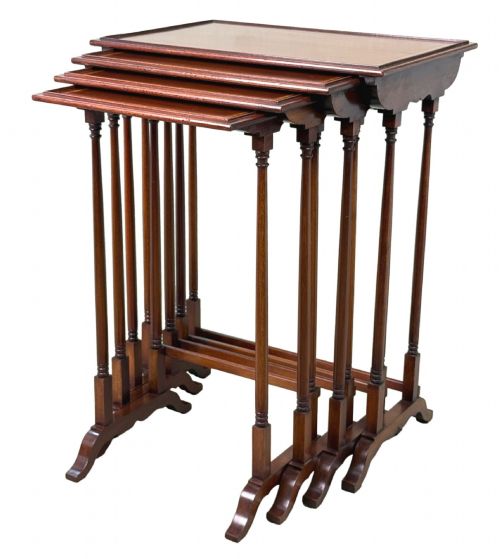
Graduated sizing remains the defining trait of the category.
Each smaller unit rests on runners fitted under the top of the next size up.
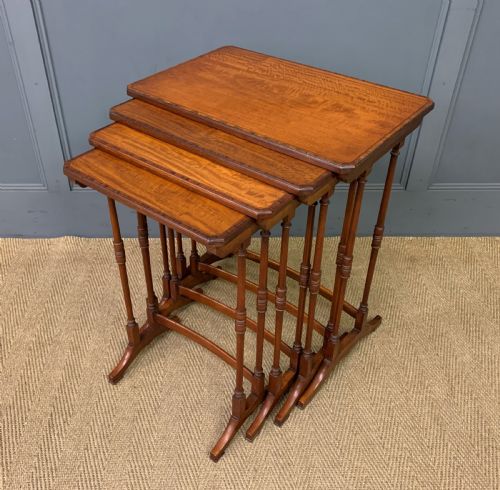
Spindle-turned legs. Makers favoured these lighter supports to keep the overall weight down.
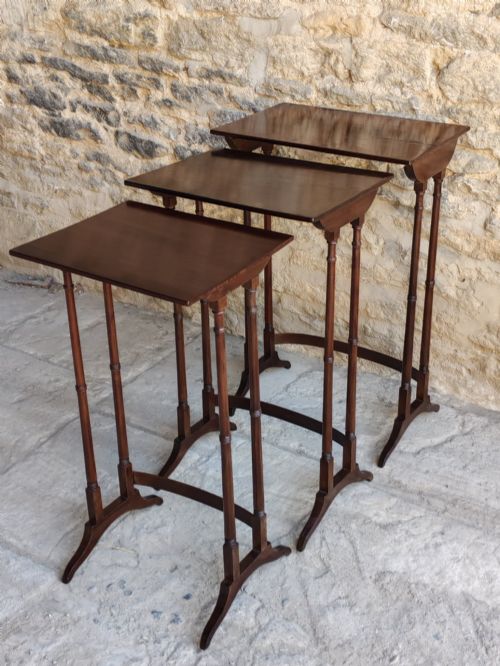
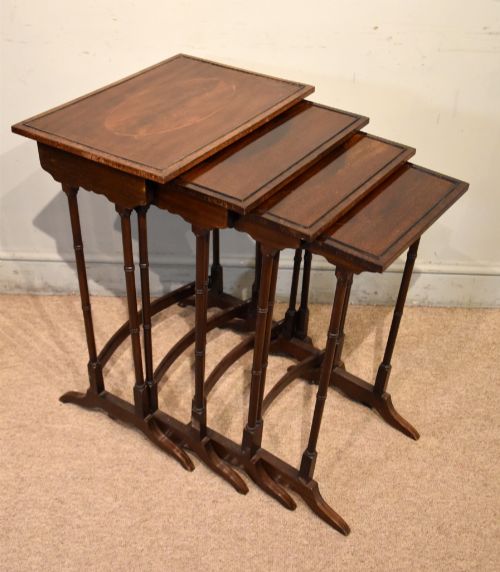
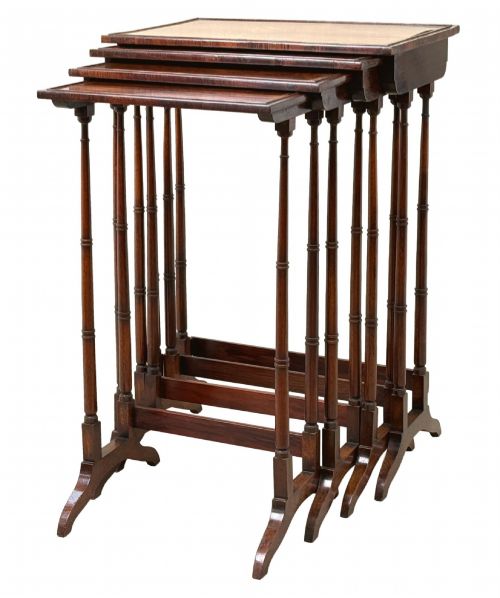
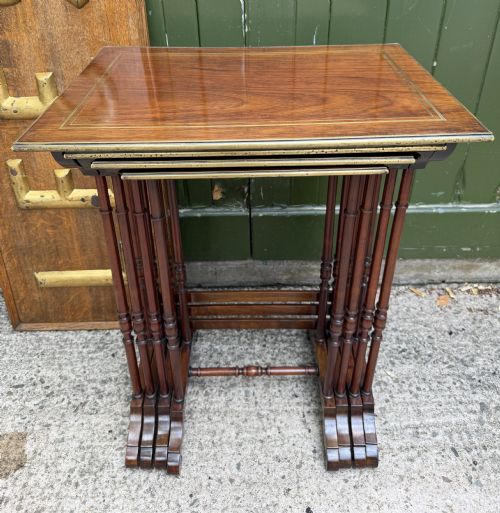
Georgian Rosewood Nest of Three Tables.
, 19th Century
Priced at £675 from Stalham Antique Gallery
Early Georgian construction relied on fine dovetails to join the aprons to the slender legs.
Look closely at the transition to mass production, where dowel joints replaced those hand-cut connections.
Edwardian cabinetmakers often applied string inlay to disguise simpler machine-cut joinery.
"Many sets were originally designed to double as chess or backgammon boards on the top tier."
"An antique nest of tables was considered an essential bridal gift in late nineteenth-century London."
"The smallest piece often served specifically as a dedicated stand for a silver teapot."
Based on almost 25 years of Sellingantiques UK antique market data, Antique Nest Of Tables appeared 3011 times (out of 1,100,000 antiques) which gives it a rarity score of 55/100.
This score measures scarcity within the Sellingantiques archive only and is not a survey of the entire antiques market, so these statistics may not be indicative of the general availability of Antique Nest Of Tables elsewhere.
Glue joints dry out over the decades. You need to knock the joint apart with a soft mallet.
Scrape away the old hide glue before applying fresh adhesive and clamping it tight. Injecting glue into a loose gap won't hold.
Incomplete sets turn up often. They were separated when households divided estates or pieces simply broke.
Many people still use a group of three from an original quartetto set without noticing the gap. The runners under the lowest table will just sit empty.
Yes, but think twice before you do.
Harsh chemical strippers damage the thin veneers and dissolve the delicate cross-banding used on period pieces.
Humidity causes the wooden runners to swell and grip the table below. This happens more often with pine secondary woods that absorb moisture readily in damp rooms.
Rubbing a simple beeswax candle along the sliding contact points usually helps. Check the tracks for splinters if the wax fails to work.
Please note: This Antique Nest Of Tables guide and its associated pricing data are provided for general informational purposes only. It does not constitute formal financial, investment, or appraisal advice and should not be relied upon as the sole basis for any commercial activity, purchasing, or sales decisions. Sellingantiques.co.uk accepts no liability for any actions taken in reliance on this information. Always consult with a qualified professional or independent appraiser.
