

Antique Screens
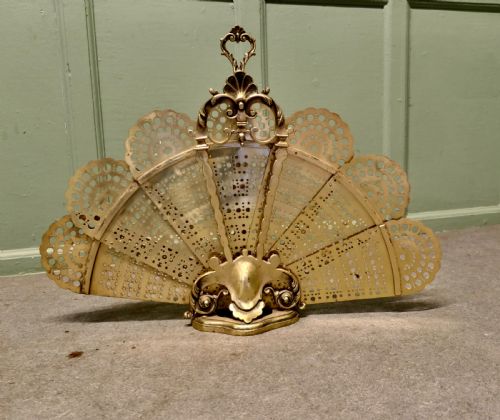
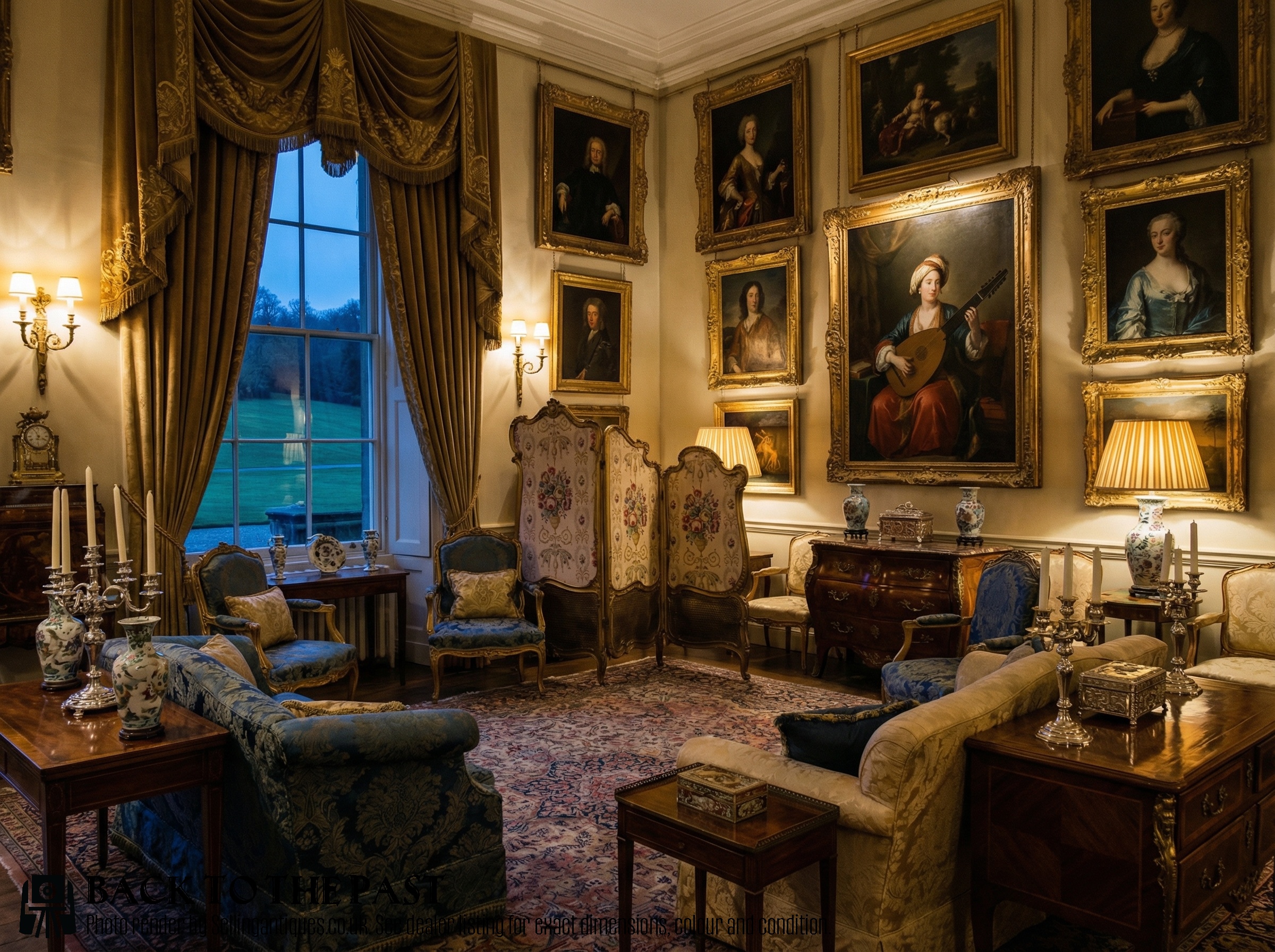
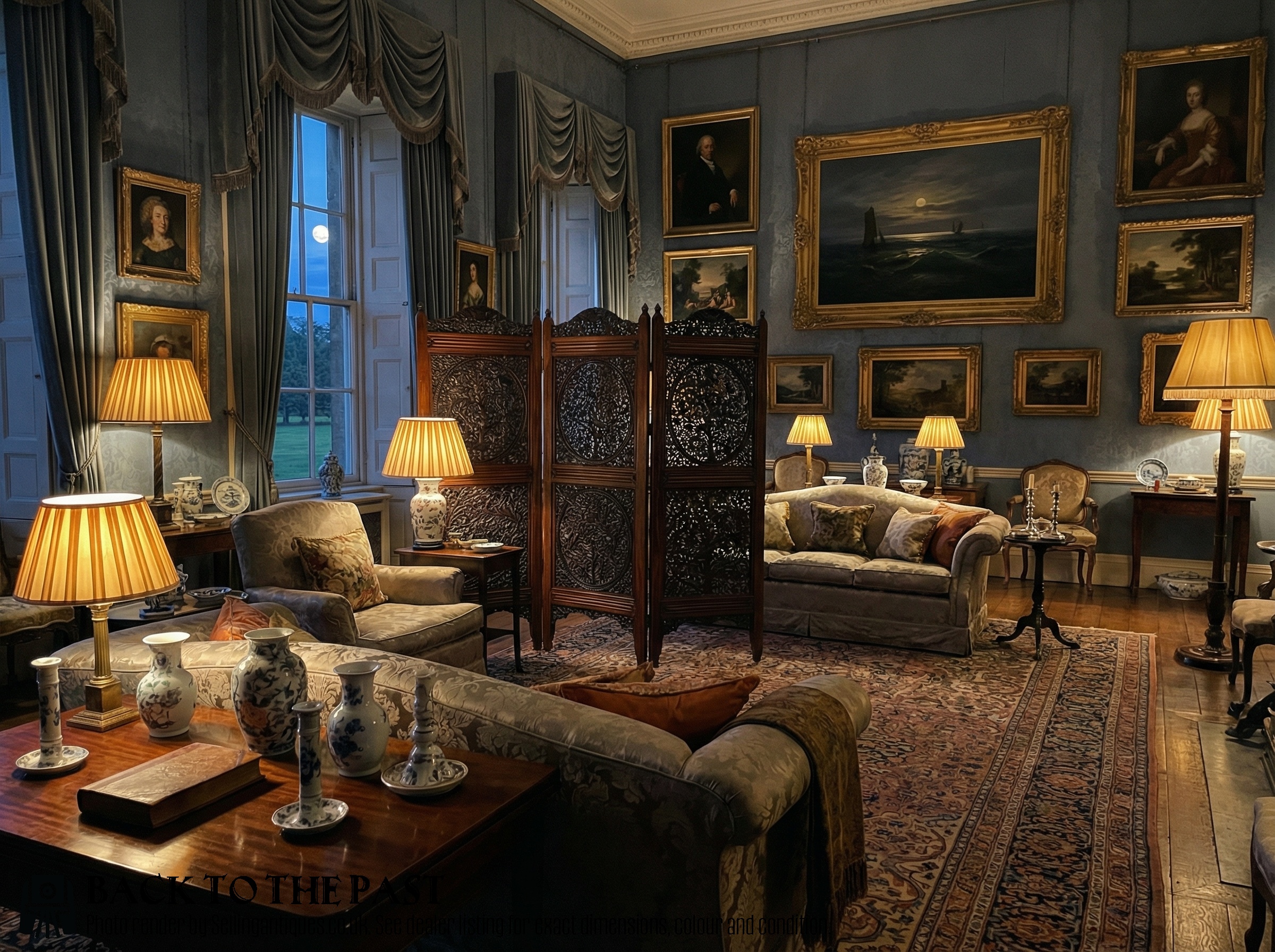
Screens were the furniture of a draughty, fire-lit house: a hinged folding frame to block a draught or divide a room, or a small panel on a pole to keep the hearth off a seated face.
What Are Antique Screens?
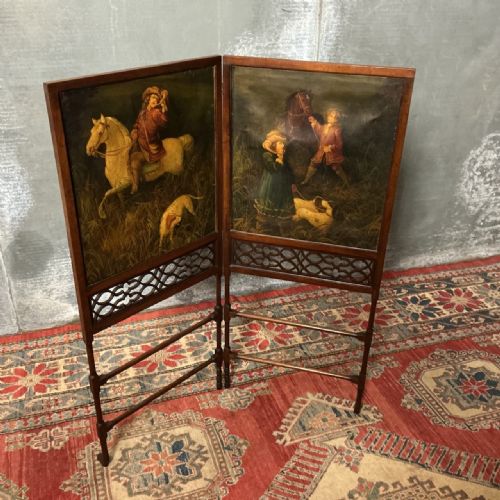
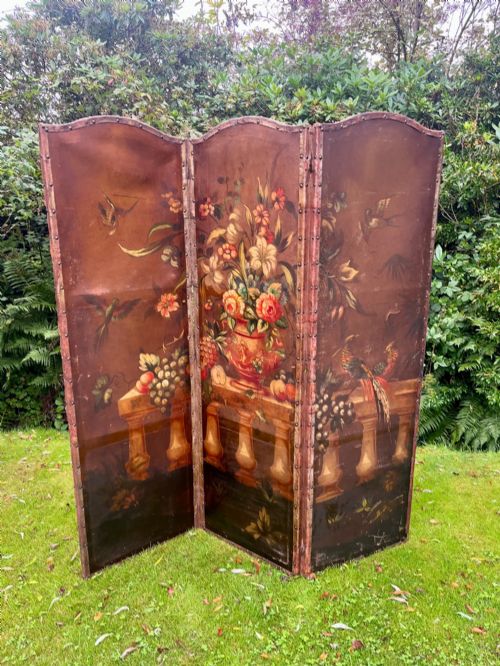
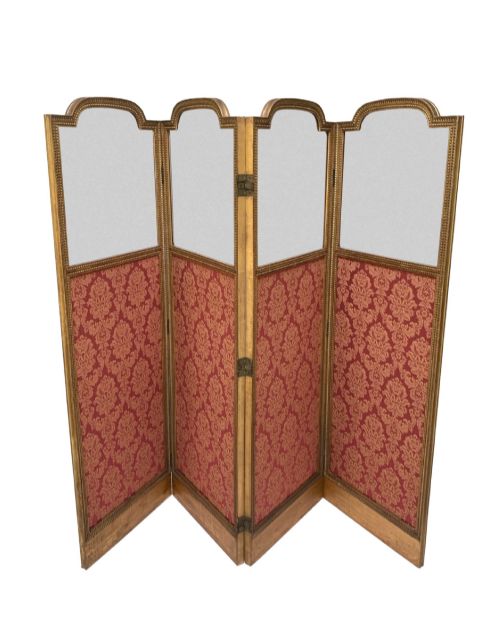
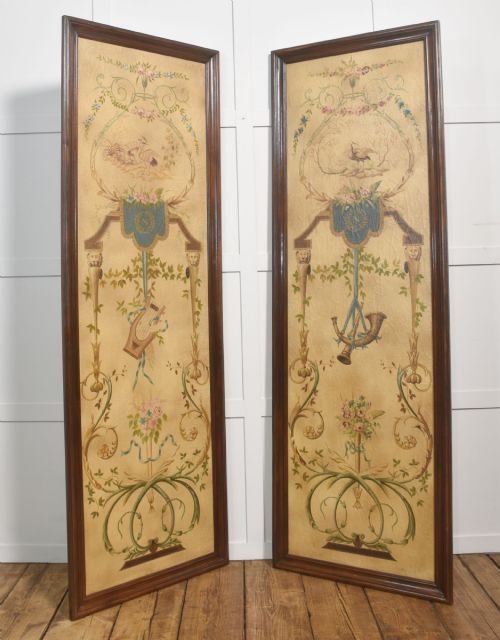
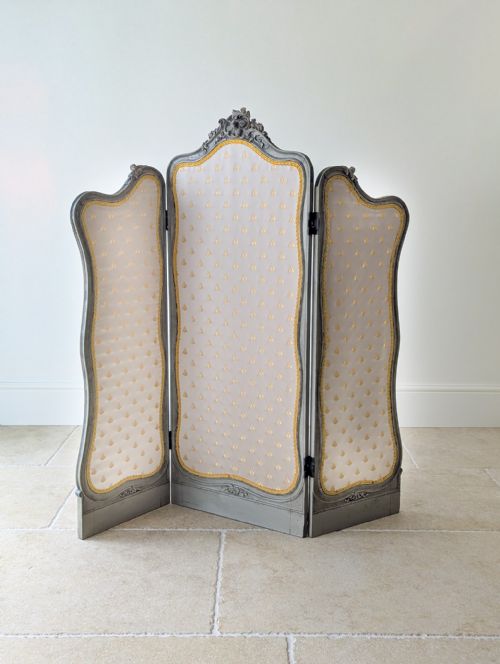
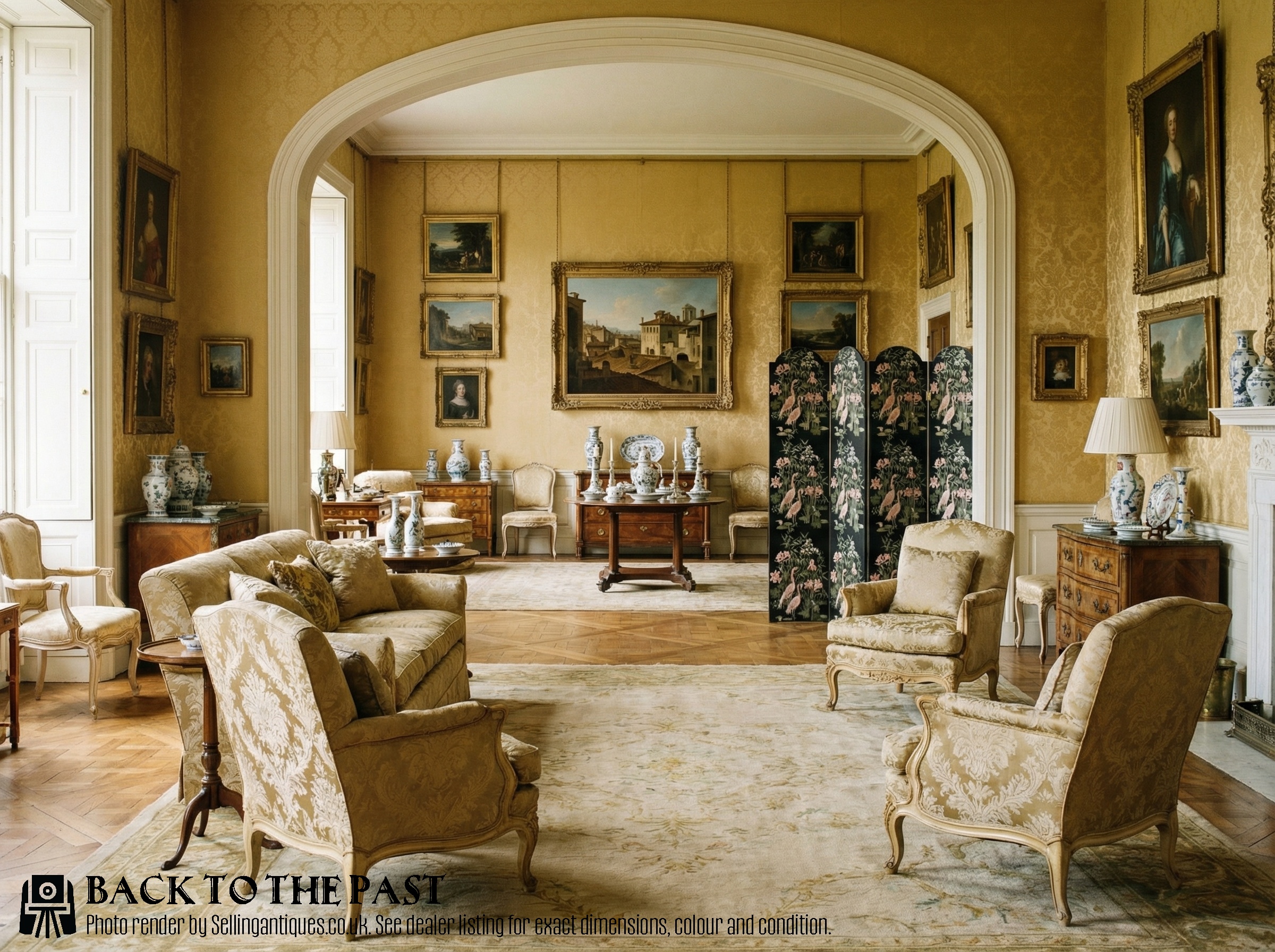
Two forms dominate. The first is the hinged folding screen, described in titles by its number of leaves, with four and three the usual counts and examples running from two-fold up to eight-fold. Frames are mahogany, oak, rosewood, walnut, giltwood or bamboo; fillings are painted or embossed leather, needlework, silk, decoupage, glazed panels or upholstered fabric.
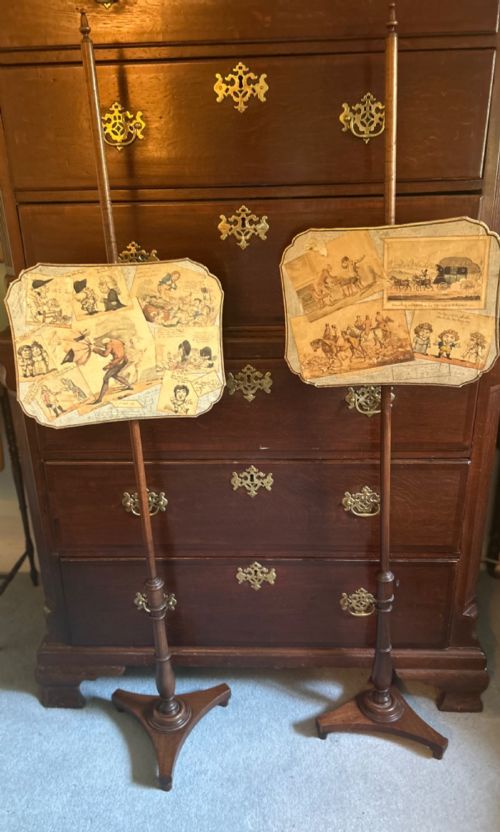
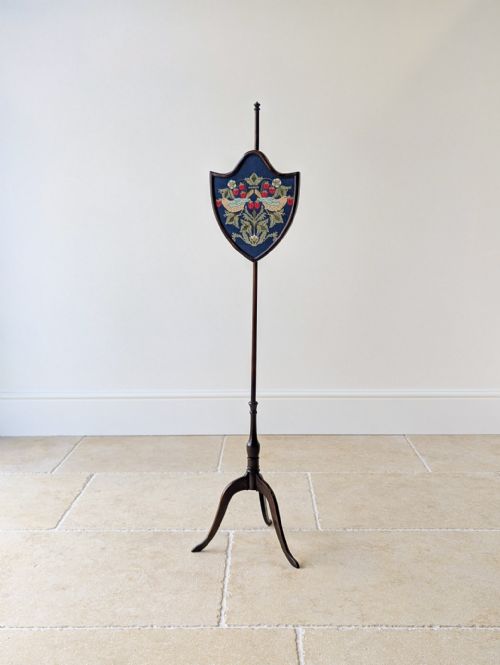
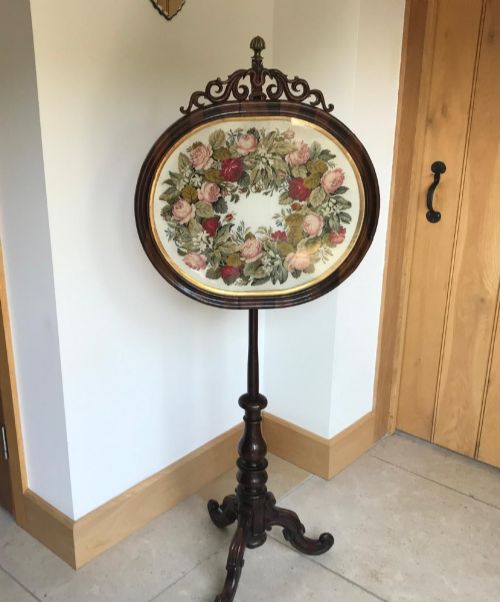
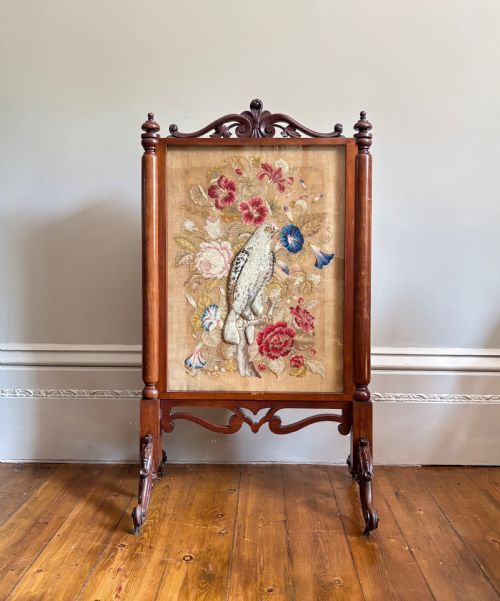
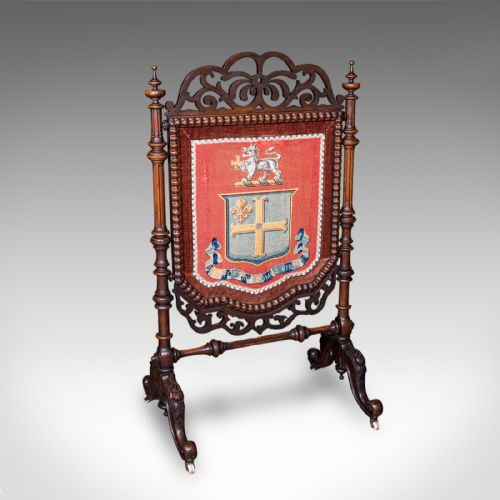
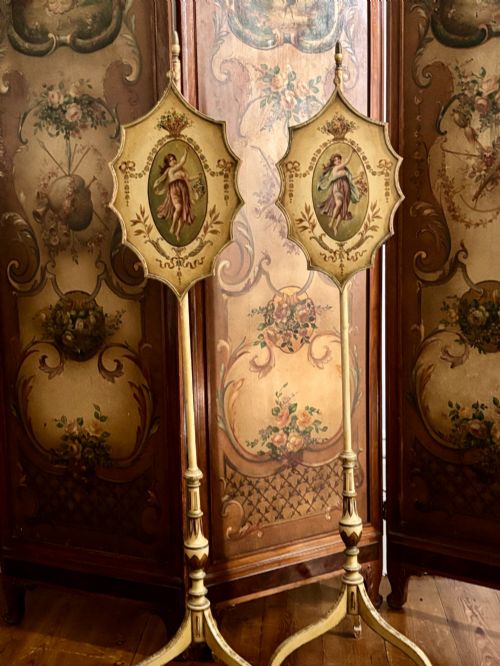
The second is the pole screen: a small adjustable shield or oval panel sliding on an upright over a tripod or platform base, made to shield a seated face from the fire. Mahogany and rosewood are the common timbers, the panels usually embroidered or needlepointed, and this is the form most often offered in pairs.
Dealers name folding screens as much by job as by shape. "Room divider" appears in around one title in eight, "dressing" in around one in eleven, and dressing, vanity, boudoir and privacy screens are all the same three-fold, fabric-panelled idea under different words. East Asian work is a steady presence too: Chinese and Japanese lacquer, coromandel eight-folds, byobu, silk panels, and European chinoiserie made in the Chinese taste rather than in China.
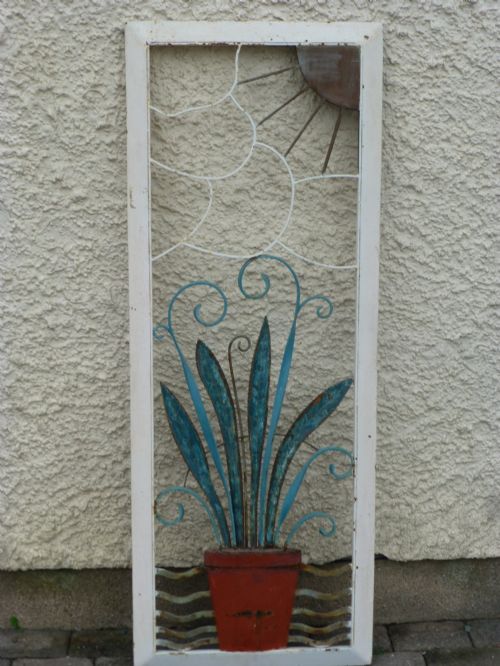
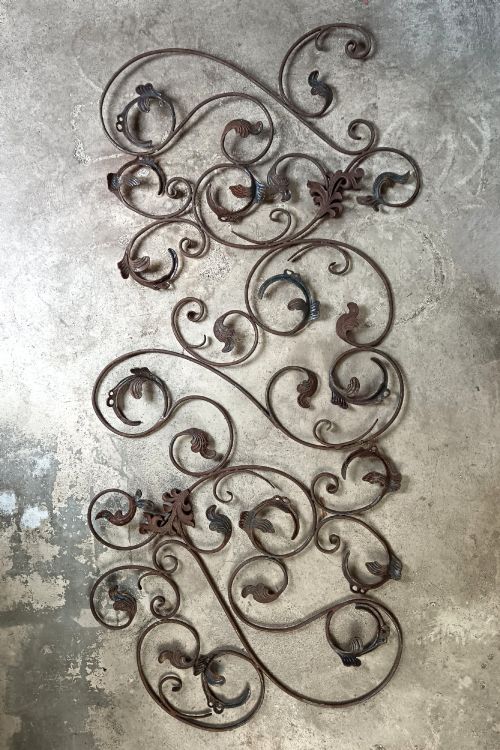
Dating leans on period words. Of 679 listings on Sellingantiques, 326 carry a clean year spanning 1750 to 1950, but "19th Century" alone accounts for 154, with Victorian and Regency doing similar duty. Decade clusters run from the 1880s to the 1930s. A visible minority under the heading are panel-form things rather than domestic screens: carved panels, rood-screen fragments, shutters, iron panels, dummy boards and small table screens.
Where The Range Splits
Material and technique in the panel do most of the work. Hand-painted and embossed leather, worked lacquer, tapestry and stitched textile sit at the top; plain upholstery, printed paper and pasted scrap sit at the bottom. Scrapwork and decoupage are an English speciality in this archive, sometimes double-sided, and several were sold as photographers' props.
Size and leaf count follow the same line. Six- and eight-fold screens, and those flagged large or full height, occupy the upper end, with eight-fold Chinese coromandel and export lacquer at the very top and a Japanese four-fold textile screen the highest-priced thing recorded. Two-fold and dwarf draught screens sit low.
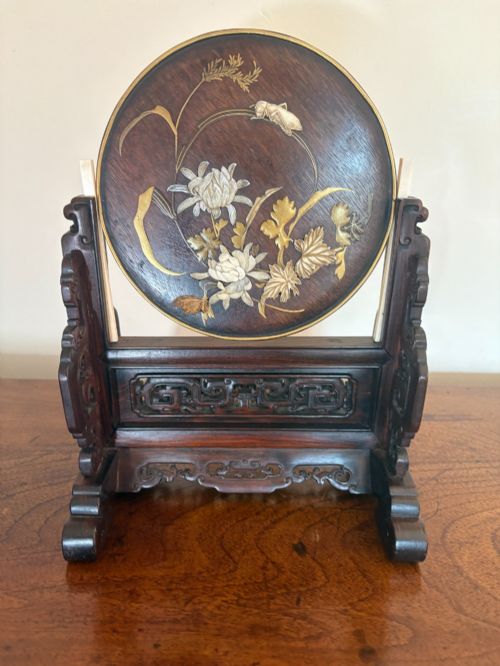
Frames count separately from fillings: carving and gilding push a screen upward, and carved giltwood three-folds recur through the upper half. Named workshop traditions do the same, Shibayama and coromandel among them, and Shibayama table screens reach far higher than their size suggests. Matched pairs sit above singles, which is where pole screens gain.
Retail Price Guide 2026
Typical UK retail prices for screens, calculated from the Sellingantiques database of over a million retail prices indexed since 2003. This retail price guide relies exclusively on Sellingantiques data; no external sources or auction records are used, so the figures do not describe the wider market.
Dated screens on Sellingantiques run from 1750 to 1950, though nearly half the archive rests on period words instead of a year.
The Antique Screens Glossary
- Fold, leaf, panel
- The hinged sections of a folding screen. "Four fold" and "four panel" describe the same screen counted two different ways.
- Pole screen
- A small panel sliding on an upright pole over a tripod or platform base, made to shield a seated face from the fire. Commonly mahogany or rosewood.
- Room divider
- How dealers describe a full-height folding screen used to partition space, in around one title in eight.
- Dressing, modesty or vanity screen
- A folding screen for privacy while dressing, often three-fold and fabric-panelled. Boudoir and privacy turn up as alternatives.
- Coromandel lacquer
- Incised and coloured Chinese lacquer, seen on the eight-fold screens at the top of the range.
- Shibayama
- Japanese inlay of shell and mixed materials, found on miniature table screens and on full-height room dividers alike.
Frequently Asked Questions
What is a pole screen used for?
It shields a seated face from the heat and light of an open fire. The panel slides up and down an upright pole set into a tripod or platform base, so the height can be set to whoever is sitting there.
Listings on Sellingantiques run heavily to mahogany and rosewood, with embroidered or needlepointed panels. Pole screens are the form most often offered as a pair.
How many leaves do folding screens usually have?
Four and three are the counts that appear most often in titles, with four ahead. The full spread runs from two-fold dwarf draught screens up to eight-fold Chinese lacquer.
Nearly half of everything in the category is described by its number of folds, so the leaf count is often the first thing in the title.
Are Chinese and Japanese screens common in this category?
They are a steady branch, around one in eight of the archive and a larger share of what's currently listed. Chinese titles outnumber Japanese, and lacquer runs through both.
The forms include coromandel eight-fold screens, byobu, silk-panelled folds and small Shibayama table screens.
Chinoiserie is a separate thing: European decoration in the Chinese taste, not work made in China.
What is a scrapwork screen?
A folding screen with panels covered in pasted printed scraps and then varnished. Decoupage is the other word dealers use for it.
It's an English speciality in this archive, sometimes double-sided or reversible so both faces are decorated. These sit toward the lower end of the range.
Why do some listings under this heading not look like screens?
The heading takes in panel-form pieces alongside domestic screens. Carved panels, rood-screen fragments, shutters, wrought-iron architectural panels and lifesize dummy boards all appear.
They're a visible minority. Folding screens and pole screens make up the bulk of what turns up.
How old are most antique screens on the market?
The dated field spans 1750 to 1950. Decade clusters run from the 1880s through the 1930s, and Edwardian is a common label.
Nearly half the dated entries rest on period words rather than years, with "19th Century" the single largest group. Eighteenth-century and earlier pieces exist, including Edo-period byobu and two dated before 1700, but they're scarce.