


Antique Butlers Trays
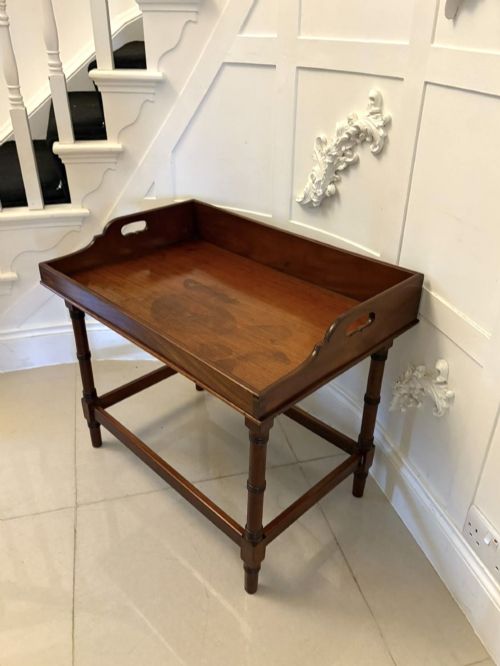
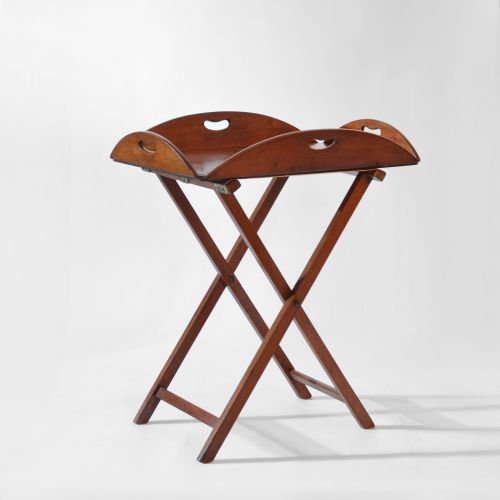
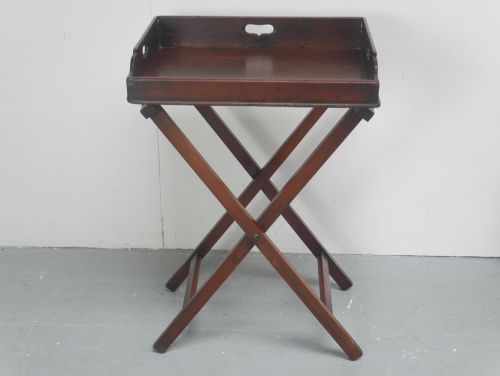
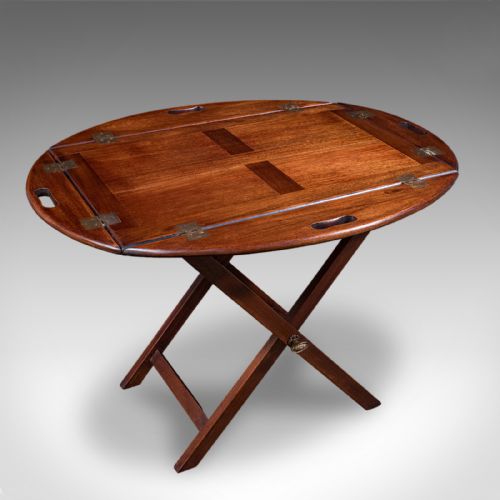
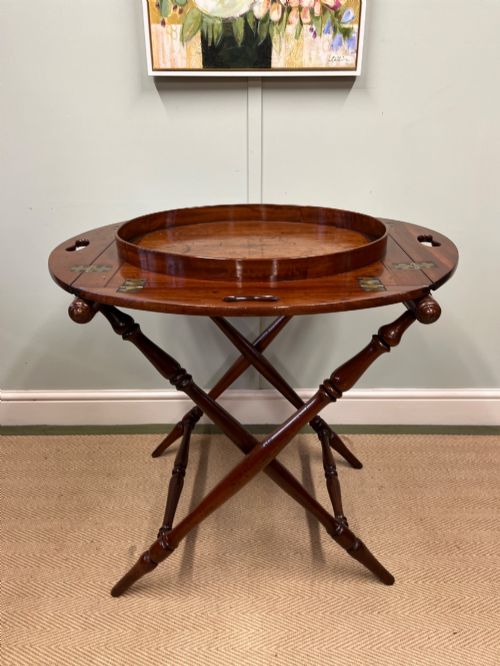
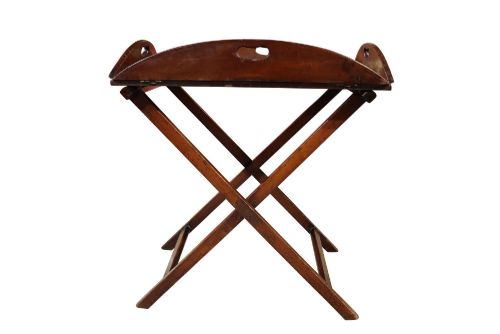
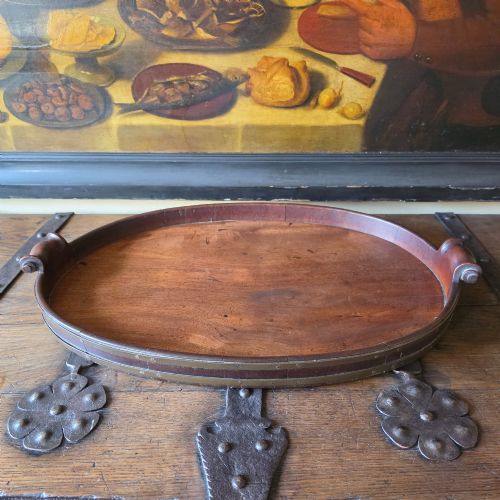
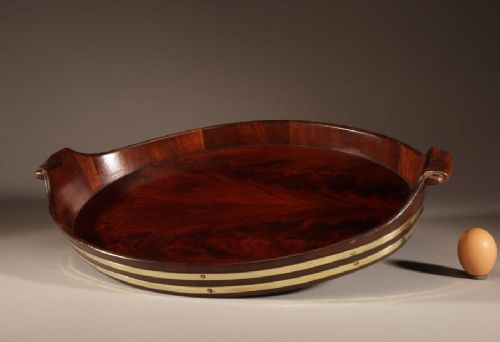
A butler's tray is a large flat serving tray with cut-out handles and a raised rim, usually paired with a folding stand so it could be set down as an instant side table.
Antique Butlers Trays
The form was made from the 18th century onward for carrying glasses, decanters and tableware between dining room and drawing room. The matching folding frame did the rest of the work: the tray dropped onto it and became a table. Production carried on through the 19th and early 20th centuries, and the type is now commonly used as a low occasional or coffee table.
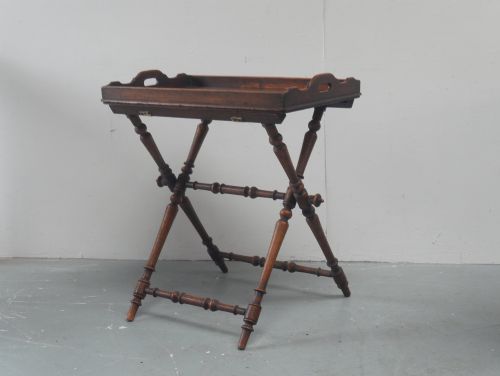
The version you'll meet most often on Sellingantiques is timber, and mahogany runs through more than half the titles in the category. Just over half the listings name a stand, so trays sold on their own and trays sold with a frame are both normal. Titles are frank about which frame it is, distinguishing original stands from later, associated and modern ones, alongside X stands, ring-turned stands, and low or high stands.
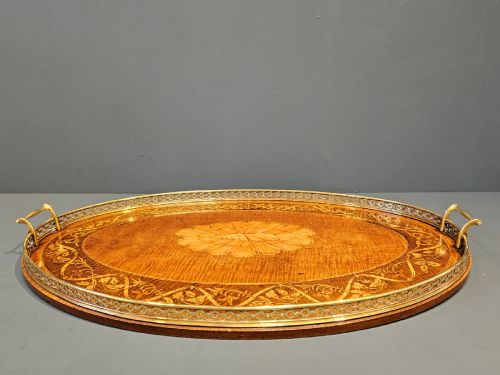
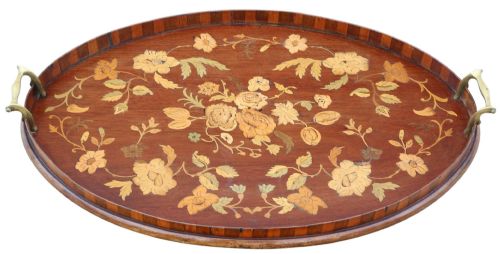
Beyond mahogany, oak accounts for a decent run of titles, with walnut behind it, and the archive throws up pine, satinwood, rosewood, burr yew, fruitwood, macassar ebony, satin birch and Oriental teak once or twice each. A visible minority have drop or hinged sides on brass hinges that fall flat, and oval shapes turn up throughout. A smaller group of listings sell the tray outright as a coffee, lamp or serving table.
Dating is broad rather than researched. The dealer date field runs from 1750 to 1930, with under a third of listings carrying a clean year and the rest given an era. "19th Century" is the single biggest bucket, followed by Georgian, Victorian and 18th Century, and George III appears in a good many titles. Read those labels as shorthand for a span.
What Moves The Price
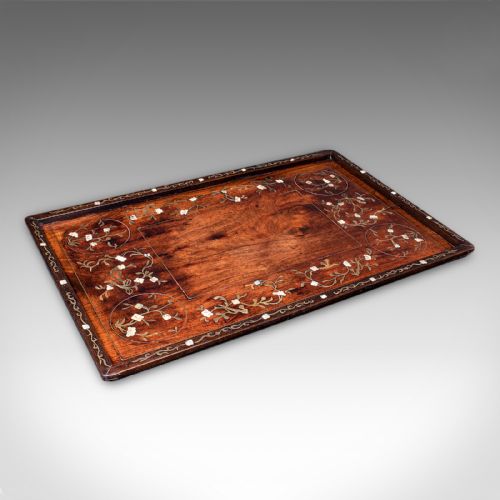
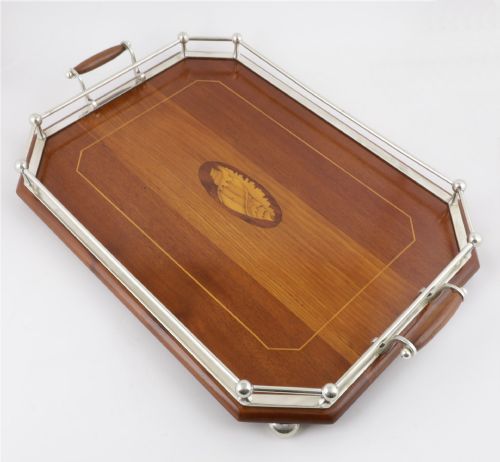
Timber sets the floor. Mahogany dominates the whole range top to bottom, but plain oak and pine examples cluster low, while rosewood, satinwood, walnut and burr yew appear towards the upper end. Decoration lifts things from there: inlay, marquetry, carving, satinwood stringing and chinoiserie work all sit above the plain rectangular tray.
The stand matters as much as the tray. Titles claiming an original stand sit above those admitting a later, associated or modern frame, and several George III trays are offered openly on modern frames. Claimed date works the same way, with 18th-century and George III attributions sitting above Edwardian and c.1900 examples.
Form is the third lever. Oval trays with hinged drop-down sides are the recurring luxury shape and sit well above the middle of the range, and outsized examples do the same. Pairs come up occasionally, two mahogany trays or a pair of rosewood folding ones, and they sit at the very top.
Antique Butlers Trays Retail Price Guide 2026
Typical UK retail prices for butlers trays, calculated from the Sellingantiques database of over a million retail prices indexed since 2003. This retail price guide relies exclusively on Sellingantiques data; no external sources or auction records are used, so the figures do not describe the wider market.
Butler's trays have been listed on Sellingantiques since 2008, with over 300 through the archive since then.
The Antique Butlers Trays Glossary
- Gallery
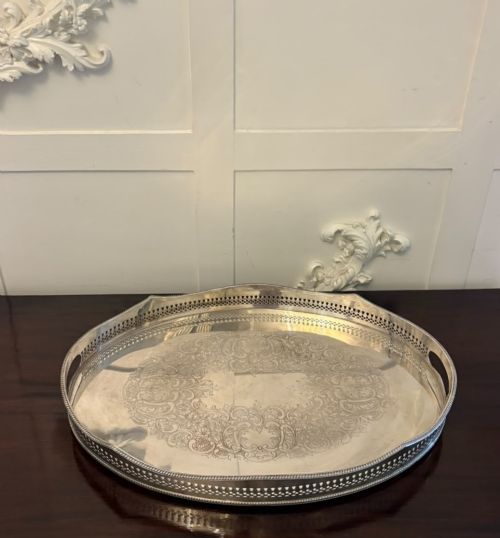
- The raised rim running round the tray top, sometimes pierced or scalloped, sometimes plain.
- Folding stand
- The collapsing X-frame or turned frame the tray sits on. Titles also name X stands, ring-turned stands, and low or high stands.
- Original stand
- A dealer's claim that tray and frame have been together from the start. Titles set it against "later", "associated" and "modern stand".
- Drop sides
- Tray sides on brass hinges that fall flat, so the tray reads as an open platter. Often paired with an oval top.
- Brass bound
- Edges or corners reinforced with brass strip, a note that runs alongside the campaign-style listings.
- Metamorphic
- Used for a tray that converts, and turning up in the category on inlaid Edwardian examples.
Antique Butlers Trays: Frequently Asked Questions
How many butlers trays come up each year?
Around 47 are listed on Sellingantiques in a year, and 126 separate dealers have handled one.
That spread tells you something. It's a form dealers pick up in general stock rather than a specialism, so it arrives from all directions rather than a handful of sources.
Do they always come with a stand?
No. Just over half the listings name a stand, so trays sold on their own are ordinary rather than odd.
Where a stand is present, titles usually say what kind: X stand, ring-turned, folding, low or high. They also say whether it's thought original.
What wood are they usually made from?
Mahogany accounts for more than half the titles in the category, and it's the wood most listings describe.
Oak comes next, with walnut behind it. Pine, satinwood, rosewood, burr yew, fruitwood, macassar ebony, satin birch and Oriental teak each appear only once or twice across the whole archive.
Are non-timber trays sold under this heading?
Yes, a small group. Silver and Sheffield plate turn up in a handful of titles, most of them in current stock rather than the older archive.
Papier-mâché appears in only nine titles, black and decorated, and the chinoiserie examples among them sit near the top of the range. Marquetry and inlaid tea trays also appear under the same heading.
Can a butlers tray be used as a coffee table?
It's the common modern use, and dealers list them that way. Around thirty titles say table, with a smaller run naming a coffee table or lamp table.
The stand does the work. Set the tray on its frame and it stands at side-table height, which is what the original design was for.
What's the earliest date given for these?
The dealer date field runs from 1750 at the earliest to 1930 at the latest.
Only 152 of 481 listings carry a clean year. The rest give an era, and "19th Century" is by far the biggest of those buckets, ahead of Georgian, Victorian and 18th Century.