
Antique Doors
Mostly door furniture rather than doors: weighted brass and cast-iron doorstops, knockers, knobs, letter plates and bell pulls, alongside a smaller group of salvaged timber and glazed door leaves.
What Are Antique Doors?
The heading says doors, but the written record is dominated by metal fittings. Brass appears in over four in ten titles, iron and cast iron in a good many more. Whole door leaves, in timber or glass, account for roughly one title in twelve.
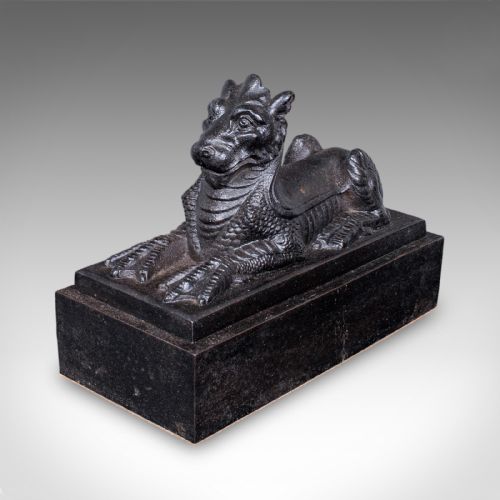
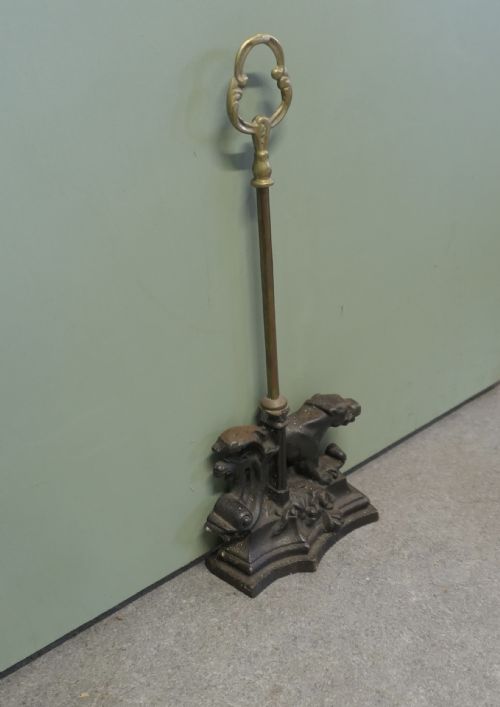
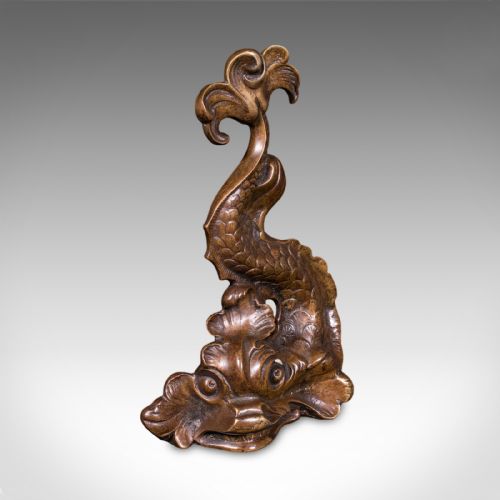
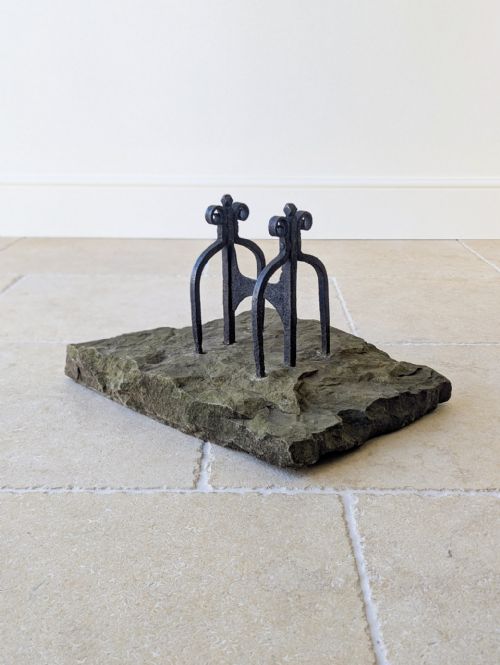
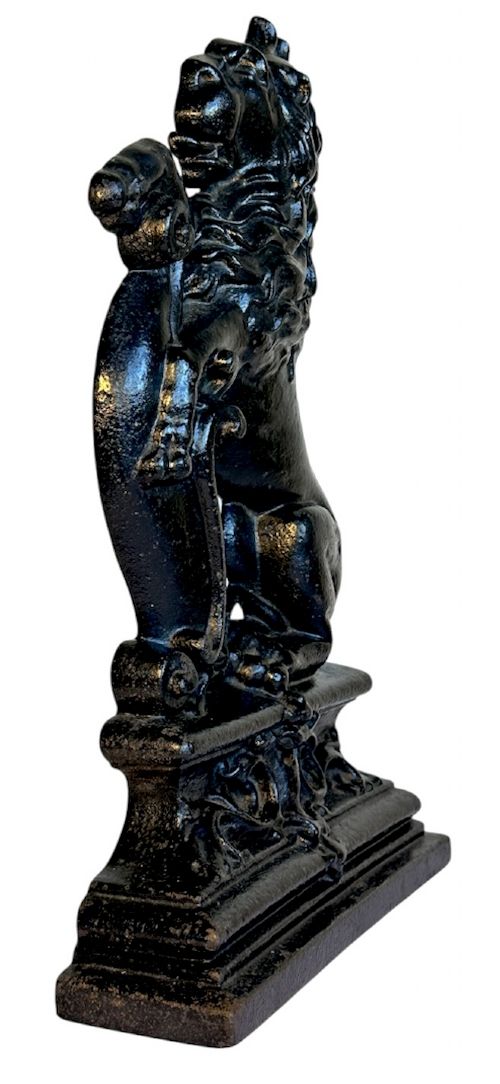
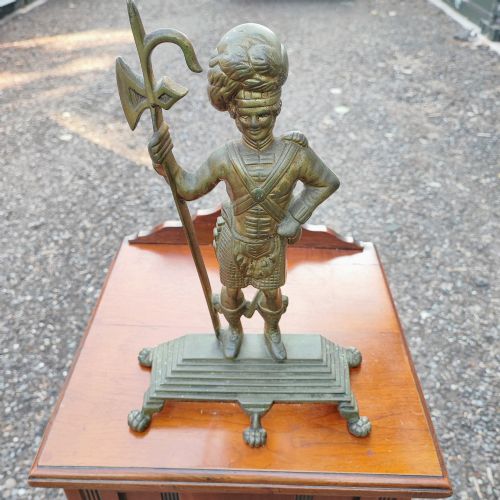
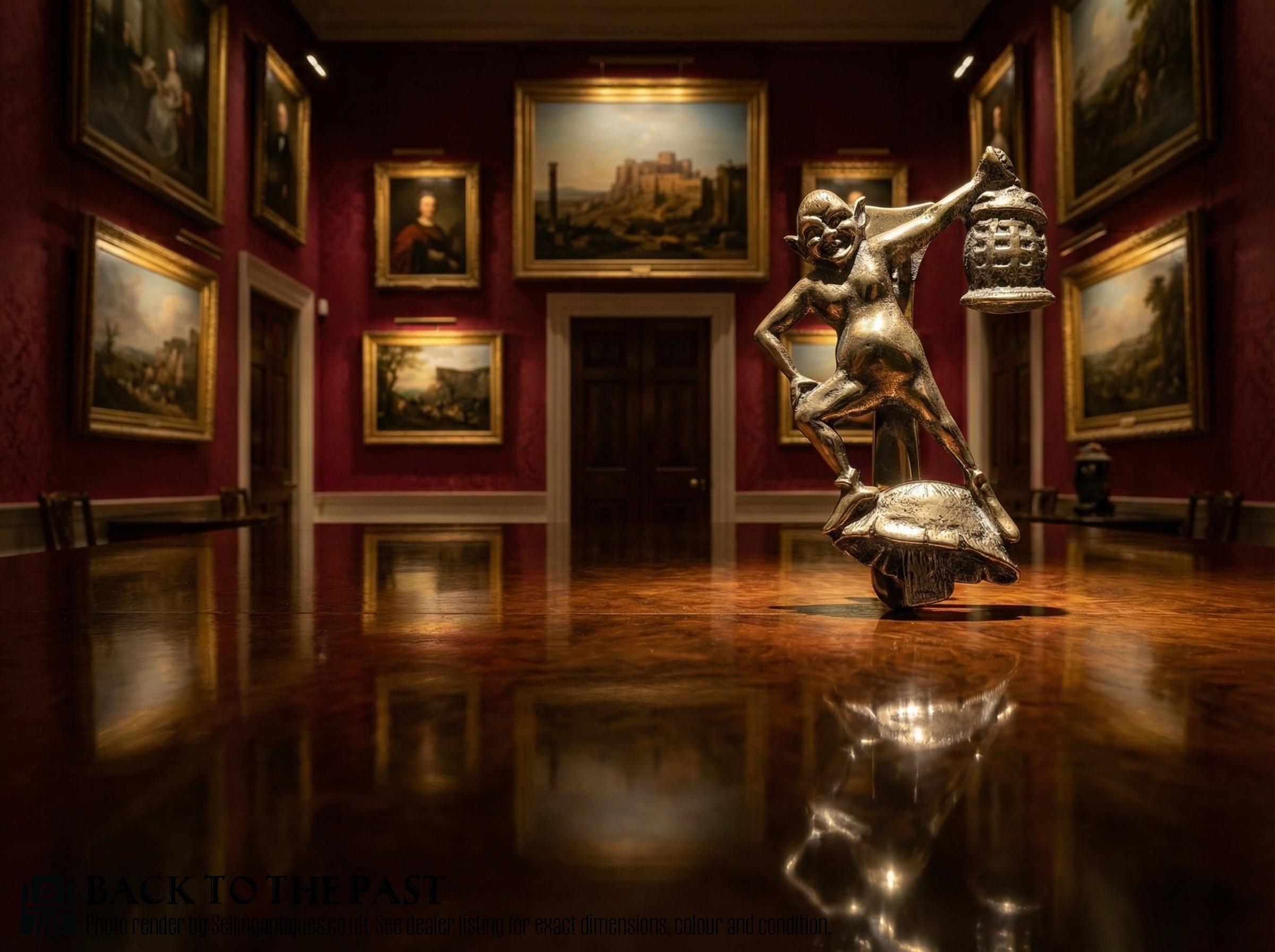
The single largest block is the doorstop, also sold as a door stop or a door porter, and all three names often appear in one title. These are hollow cast bodies loaded with lead, brass on a cast-iron base being the recurring build, and Victorian being the period that turns up most. Figural subjects carry the group: lions above all, with lion's paw bases, stags, fox heads, Punch and Judy, cherubs, wheatsheaves and dolphins.
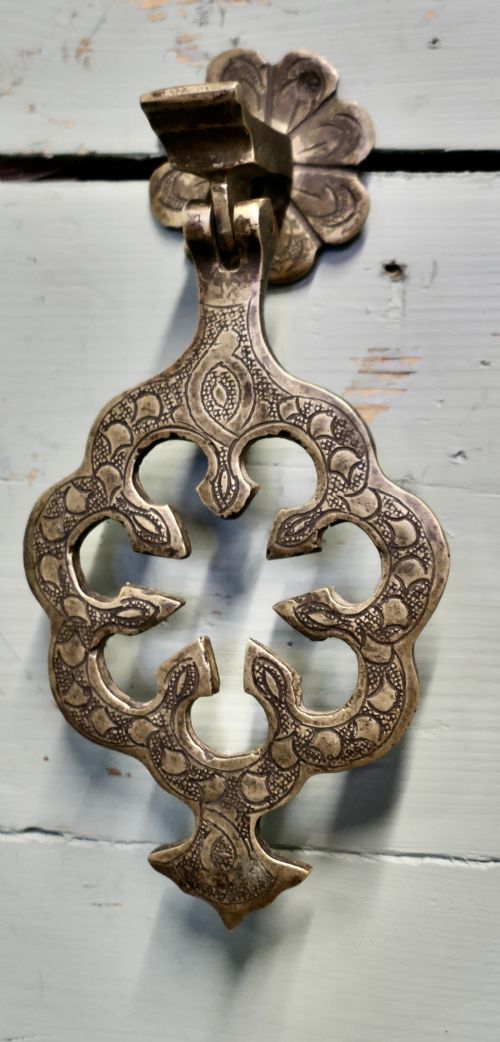
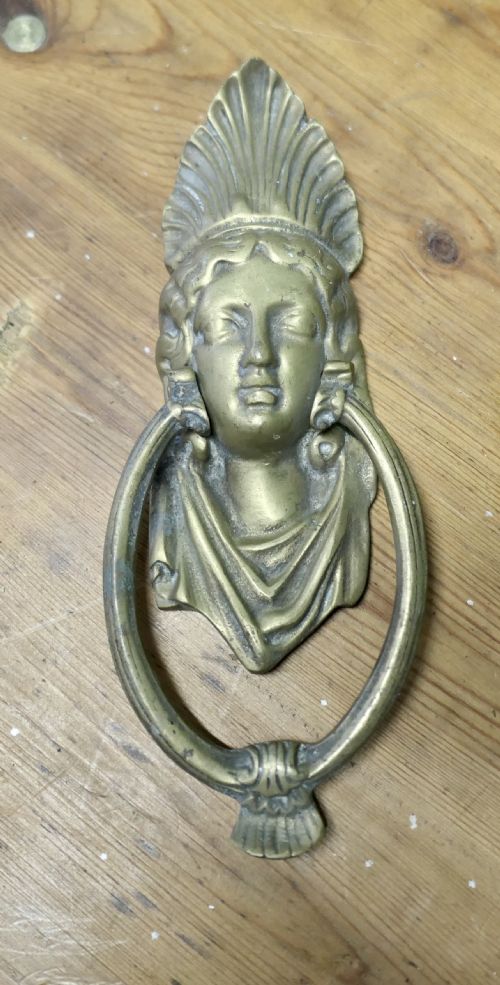
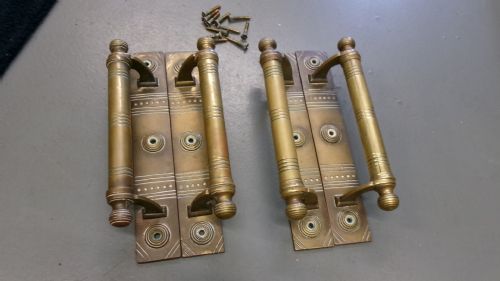
Knockers make up about one listing in ten, in brass, bronze and cast iron, with lion masks, hands, dolphins, Green Man, Gothic, sea serpent and sphinx forms. Knobs, handles, pulls, finger plates and escutcheons together account for around a fifth, commonly offered in pairs and sometimes in sets of six or twelve. Cast and pressed ironmongery of this sort belongs to the age of mass metal founding from the later 18th century on.
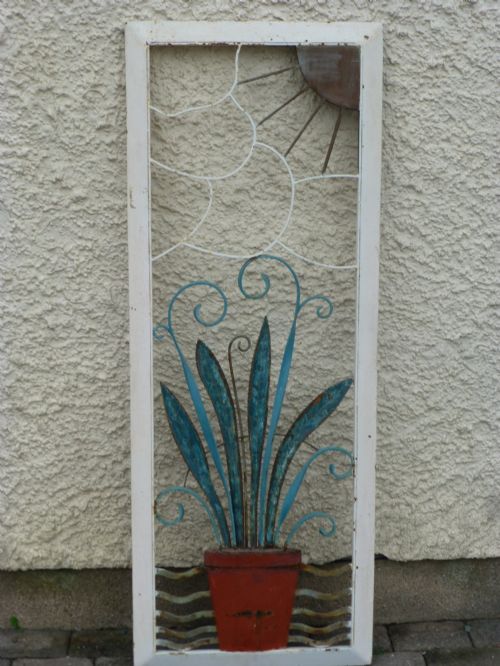
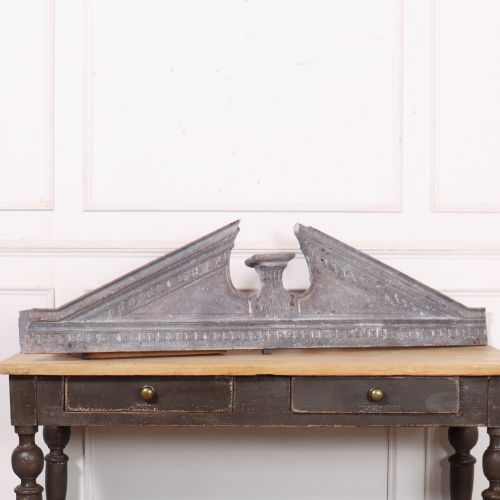
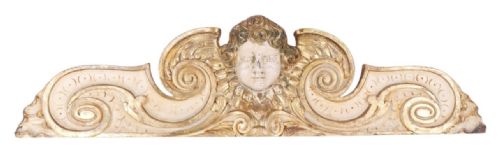
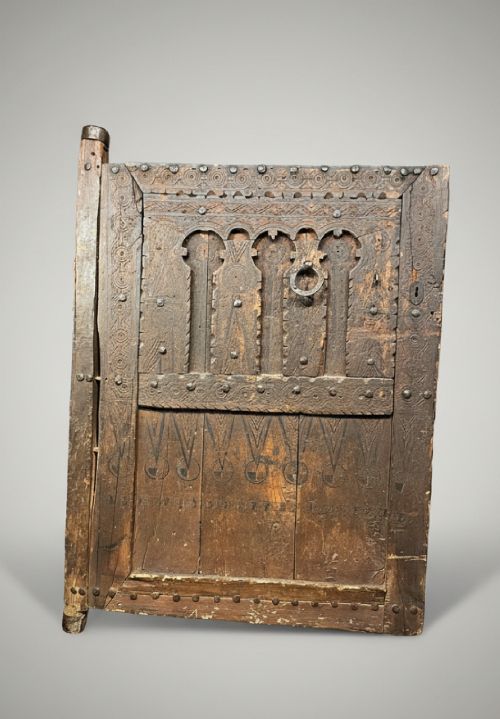
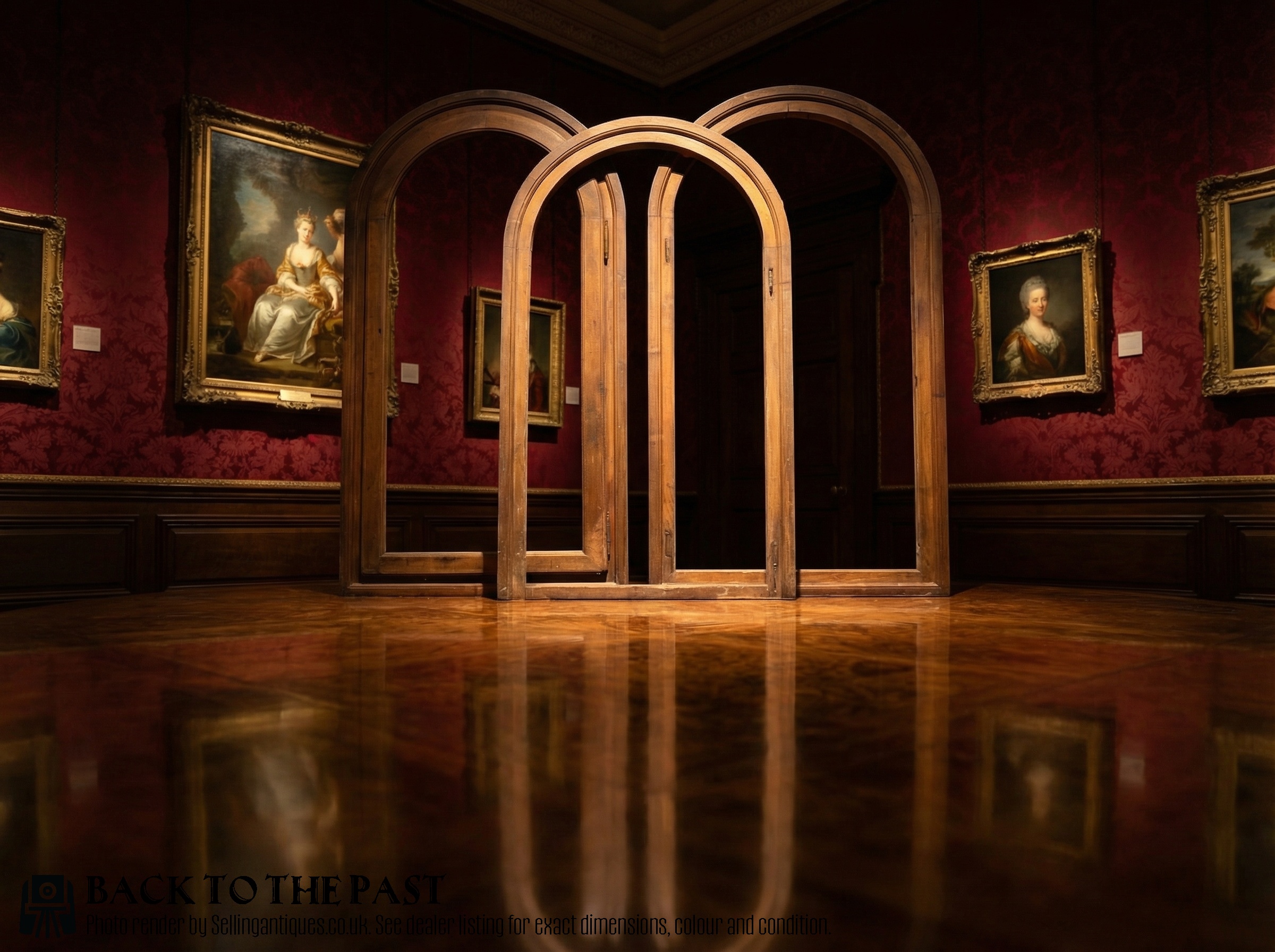
The doors themselves reach the market because buildings are altered or pulled down. Oak plank, studded and ledge-and-brace doors, church and chapel doors, armoire doors, carved panels and overdoor pediments sit on one side; front, internal and vestibule doors glazed with leaded, stained, etched or hand-painted glass, mostly from 1900 to the 1920s, sit on the other. French chateau doors are sold in pairs and in sets of three, four or five as a single lot.
Where The Range Splits
Subject does most of the work at the doorstop end. A titled figure - lion rampant, stag, fox head, Punch and Mrs Punch, a putto, a dolphin, a Green Man, a knight, a ploughman, a Border Collie - sits well above a plain 19th-century brass stop with nothing to name. None of these subjects is scarce; lions in particular recur throughout, so it's the modelling and the naming rather than the novelty that lifts them.
Number and size then separate the rest. Pairs run through the category, and matched pairs of stops, sets of six, eight or twelve pairs of knobs and sets of twelve finger plates all sit above their single equivalents. Scale works the same way, from a 14-inch knocker up to chapel doors of 10ft by 6ft and a pair of bronze entrance doors, with sets of chateau doors at the top of the range.
A founder's name or a registration number on a fitting counts for something, and titles cite model numbers as well as makers. On door leaves, the divide is glazing: plain oak and pine sit below leaves with leaded, stained, etched or hand-painted glass, which take the upper part of that group.
Retail Price Guide 2026
Typical UK retail prices for doors, calculated from the Sellingantiques database of over a million retail prices indexed since 2003. This retail price guide relies exclusively on Sellingantiques data; no external sources or auction records are used, so the figures do not describe the wider market.
William Tonks & Sons is the name that turns up from the most dealers on Sellingantiques in this category.
William Tonks & Sons·Kenrick & Sons
The Antique Doors Glossary
- Door porter
- A weighted stop for holding a door open, used interchangeably with doorstop across the category.
- Weighted or lead filled
- A hollow cast body loaded with lead so it holds against a door. Titles say weighted, or original lead weight.
- Rim lock
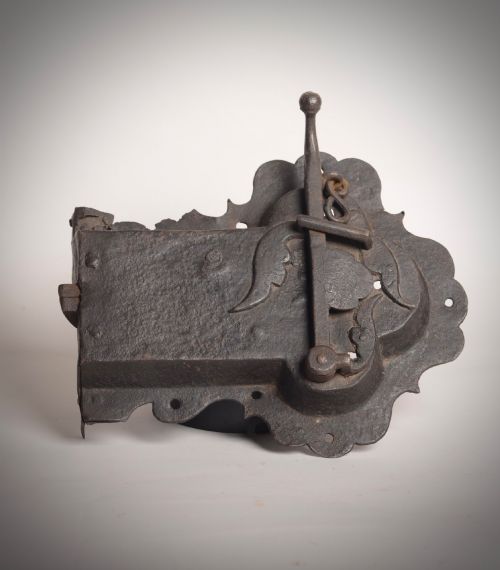
- A lock box mounted on the face of a door rather than let into it. Knobs sold as rim-lock door knobs are sized for one.
- Escutcheon
- The plate or surround for a keyhole. Beehive escutcheons turn up as pairs.
- Ledge and brace
- A door built of vertical boards held by horizontal ledges with a diagonal brace. Also described as a plank door.
- Leaded light
- Glazing of small panes held in lead cames, common on front, internal and vestibule doors of the early 1900s.
Frequently Asked Questions
Why are there so few actual doors in this category?
Fittings outnumber whole doors several times over. Doorstops alone make up roughly a third of listings, and knockers, knobs, handles, pulls, plates and bells take a good deal of the rest.
Door leaves account for around one title in twelve. They come to market as salvage, when a building is altered or demolished.
What is a door porter?
The same thing as a doorstop. A cast body, usually brass or iron, loaded with lead so it holds a door open.
Dealers use door stop, doorstop and door porter interchangeably, often within a single title. One Scottish entry is listed as a door keeper.
Which figural doorstops turn up most?
Lions, by a wide margin, along with lion's paw bases. Stags, fox heads, cherubs, wheatsheaves and dolphins recur too.
Beyond those, the subjects run to a small menagerie: spaniel, Border Collie, Boston terrier, mallard, sheep, swan, dragon and snake head. Characters include Mr Punch and Mrs Punch, Lord Nelson, the Duke of Wellington and an Irish leprechaun.
How old are most pieces in this category?
The dated field runs from 1640 to 1940, though only about a third of listings carry a clean year. Victorian and the looser 19th Century together account for close to half the archive.
Twentieth-century material is substantial, clustering around glazed doors and later cast stops. Georgian and Regency entries are modest, and 17th-century material appears as a handful of oak doors, panels and locks.
Are chateau doors sold singly?
Usually in multiples. Pairs are standard, and sets of three, four or five French doors appear as single lots.
That is where the top of the range sits, along with other architectural scale: a pair of early Victorian pine chapel doors measured at 10ft by 6ft, a 4ft Chinese painted cart door, a pair of 5ft Toraja Sulawesi tribal doors.
What materials besides brass and iron appear?
Bronze on knockers and entrance doors, oak and pine on leaves, and leaded, stained, etched or hand-painted glass on glazed panels.
Smaller fittings widen it further. Cornish serpentine, Blue John, marble, plaster, ebony, porcelain and cut and amber glass all show up as doorstops or knobs.