


Antique Stands
Supporting furniture made to hold one thing well: sticks and umbrellas by the front door, a plant pot, a tea tray, a sheet of music.
What Are Antique Stands?
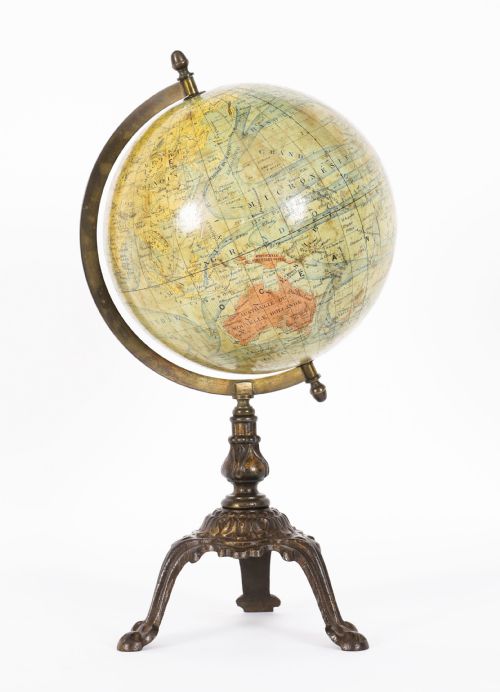
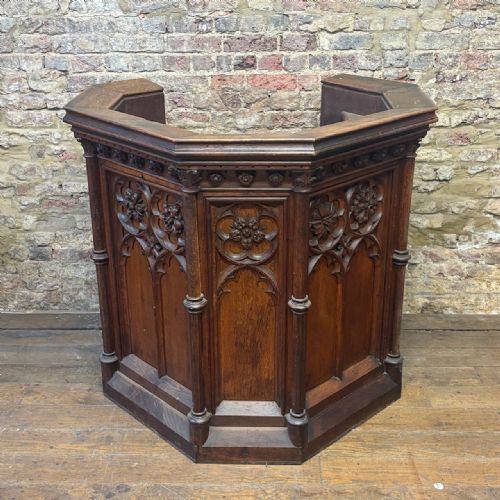
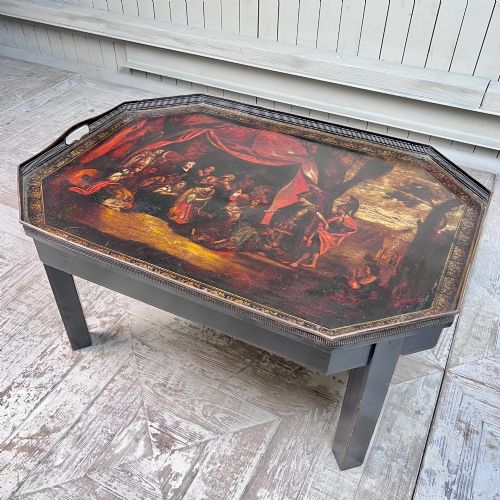
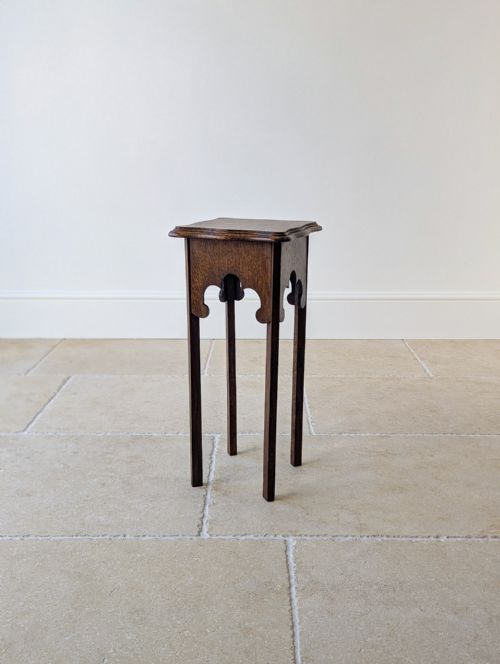
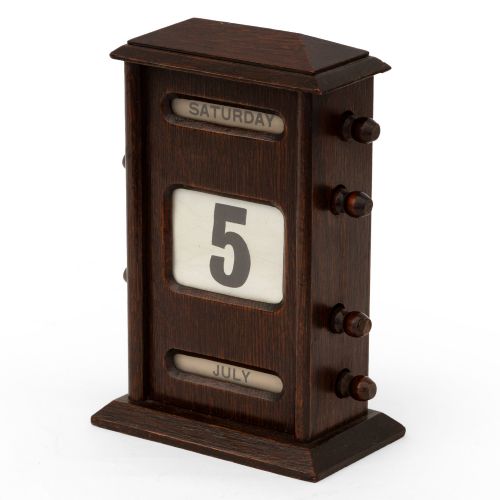
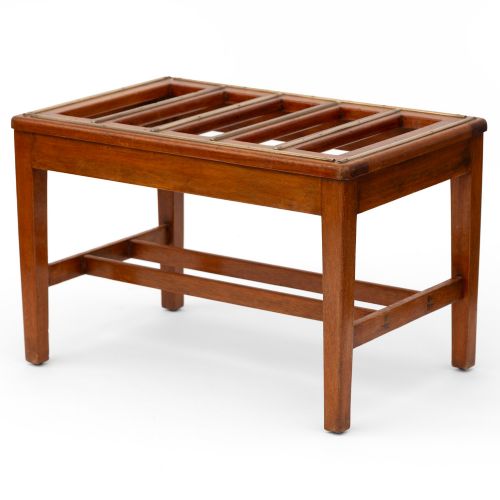
The heading covers free-standing and table-top supports rather than one object. Hall stick and umbrella stands, plant and jardinière stands, butler's trays on folding frames, luggage and towel racks, cake and tray stands, music and reading stands, torchères and pedestals all sit under it, along with a tail of globes, gongs and taxidermy that happen to come on a stand.
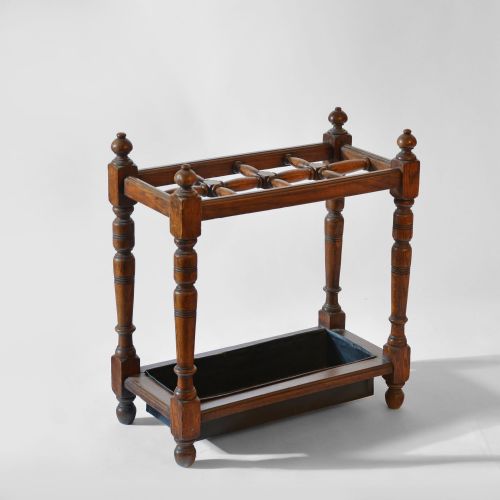
The hall stick and umbrella stand is the largest single form. "Stick" appears in 819 titles and "umbrella" in 566. Construction runs three ways: a brass-framed body on a cast-iron base, an all-cast-iron pillar, or a turned or coopered column in oak or mahogany. Corner and demi-lune plans recur, made to stand flat against a hall wall.
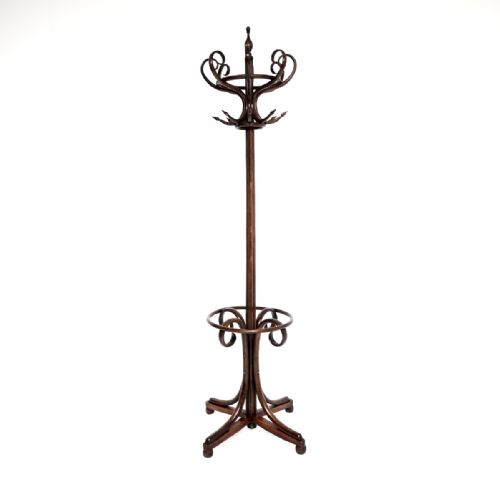
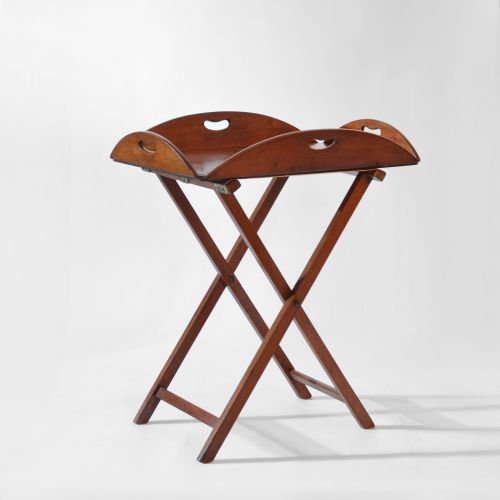
Behind that come plant, jardinière and pedestal stands, then butler's trays on X-frame stands, then luggage, coat and hat stands including bentwood, then music, reading and desk stands. Mahogany is the defining timber at 936 titles, with oak and walnut well behind, and cast iron the signature metal of the hall.
Dates supplied by dealers run 1750 to 1960, though the commonest period label is the broad "19th Century" rather than a year. Where decades are given they cluster from the 1880s to the 1930s. Victorian and Edwardian dominate the title words; Georgian and Regency pieces turn up throughout but in smaller numbers.
Where The Range Widens
Material sets the floor and the ceiling. Painted iron, plain brass and slatted softwood sit at the bottom; cast iron and turned mahogany fill the middle; figured rosewood, satinwood, kingwood and walnut, marble and ormolu mounts sit at the top. Decoration moves a piece the same way, with carving in 228 titles, inlay in 125 and painted work in 98.
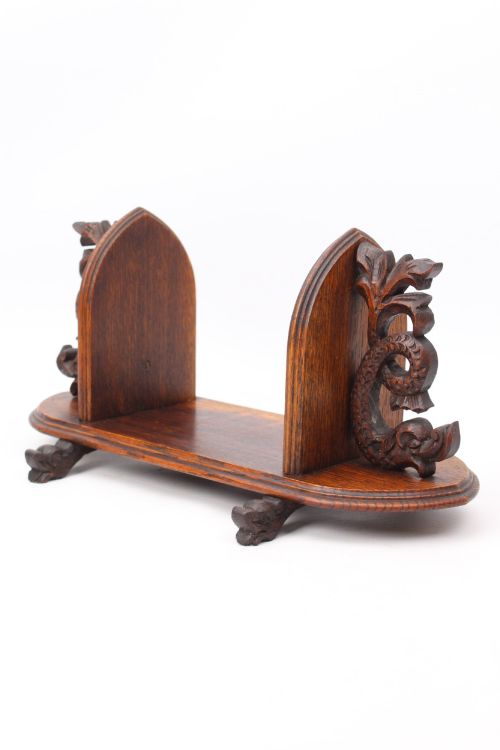
A name lifts a stand above its anonymous equivalent. A marked casting or an attributed firm reads differently from the hundreds of listings that simply say Victorian cast iron stick stand. Black Forest carving does similar work as a novelty: bears, owls and a chamois head, with a carved bear hall stick stand sitting high in the range.
Then scale and number. Large, country-house-sized oak and coopered stands sit well above small table-top and watch stands, and pairs push upward, though pairs cluster in plant stands, torchères and pedestals. Hall stands are almost always singletons.
Retail Price Guide 2026
Typical UK retail prices for stands, calculated from the Sellingantiques database of over a million retail prices indexed since 2003. This retail price guide relies exclusively on Sellingantiques data; no external sources or auction records are used, so the figures do not describe the wider market.
19th Century is the period label used most on Sellingantiques for stands, with Victorian next and the 1900s third.
James Shoolbred·Gillows·Thonet·Coalbrookdale·William Tonks & Sons
The Antique Stands Glossary
- Stick stand
- Floor stand for walking sticks and umbrellas, usually with a drip tray or pan. The commonest form under this heading.
- Demi-lune
- Semi-circular in plan, so the flat back sits against a hall wall. Also written half-round in titles.
- Butler's tray on stand
- A detachable tray, often with drop or hinged sides, sitting on a folding X-frame stand. Mahogany examples are frequent.
- Coopered
- Built from staves bound with hoops or brass bands, barrel-fashion. Recurs in oak umbrella and jardinière stands.
- Torchère
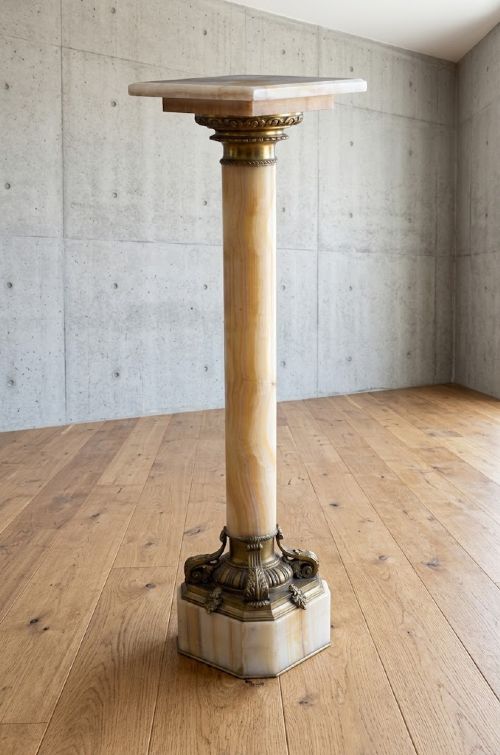
- Tall slender pedestal stand, originally made to carry a light, and described alongside plant stands throughout this archive.
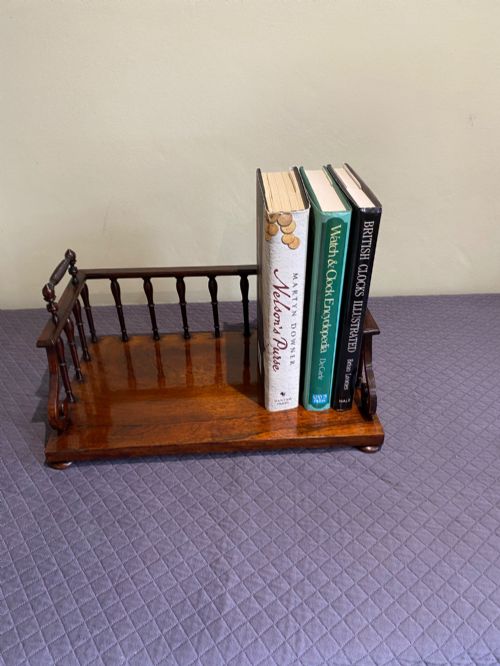
- Canterbury
- Low partitioned rack for music, folios or magazines, with the sections divided by upright slats.
Frequently Asked Questions
What kind of stand turns up most often?
The hall stick and umbrella stand. "Stick" appears in 819 titles and "umbrella" in 566, and the two are often paired in a single title.
Bodies are brass on a cast-iron base, cast iron throughout, or turned or coopered oak and mahogany. Corner and demi-lune plans recur.
Which woods and metals dominate?
Mahogany leads by a distance, named in 936 titles, nearly one in five. Oak follows at 529 and walnut at 179.
On the metal side, brass appears in 598 titles and iron in 374, of which 274 specify cast iron. Cast iron is the signature material of the hall stand.
Marble turns up mainly on pedestals and jardinière stands.
How old are these usually?
Dealer-supplied dates run from 1750 to 1960, with 2,109 listings carrying a clean year. The single most common period label is the broad "19th Century", on 1,010 listings.
Where decades are given they cluster between the 1880s and the 1930s. Eighteenth-century pieces exist, including George III butler's trays and urn stands, but they are a small minority.
Are stands sold as pairs?
Pairs account for 295 titles. They gather in plant stands, torchères and pedestals rather than in hall furniture.
Hall stick and umbrella stands are almost always singletons.
Do named makers appear on stands?
A handful recur. Gillows and James Shoolbred each turn up with five dealers, Thonet with four, and Coalbrookdale and William Tonks & Sons with three apiece.
Coalbrookdale appears on stick and umbrella stands, including one pierced for thirty-six umbrellas. Bentwood stands can carry a stamp. Elsewhere the name comes only as an attribution, against hundreds of unattributed listings.
What unusual things appear under this heading?
Black Forest carving is a recurring novelty: bears, owls, a chamois head. Chinese and East Asian hardwood stands are a persistent minority, with "chinese" in 170 titles, including marble-inset plant stands and small display stands.
Off-piste entries surface now and then, among them a 17th-century carved oak stand, a suit of armour on a stand, and library globes at the top of the range.