
Antique Bags
Two quite different things share this heading: hand-woven tribal bags from Persia and Central Asia, made to carry salt, bedding and tent poles, and Western leather travelling bags built for the railway age.
Antique Bags
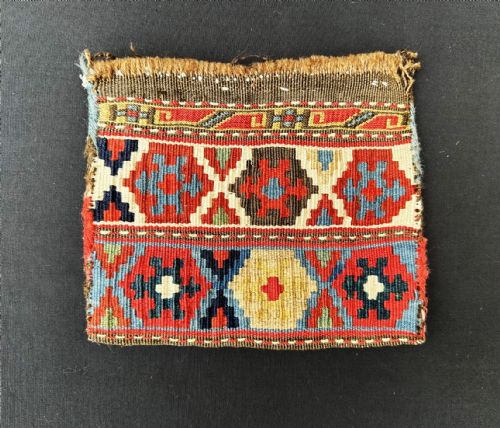
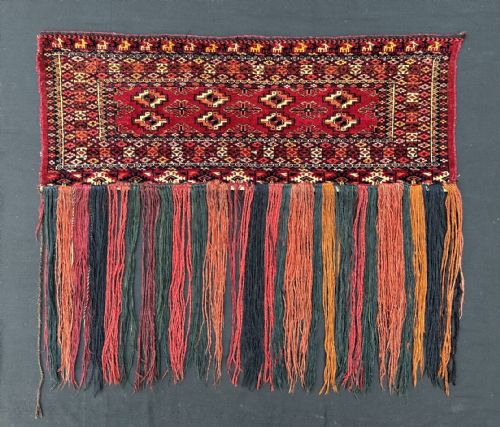
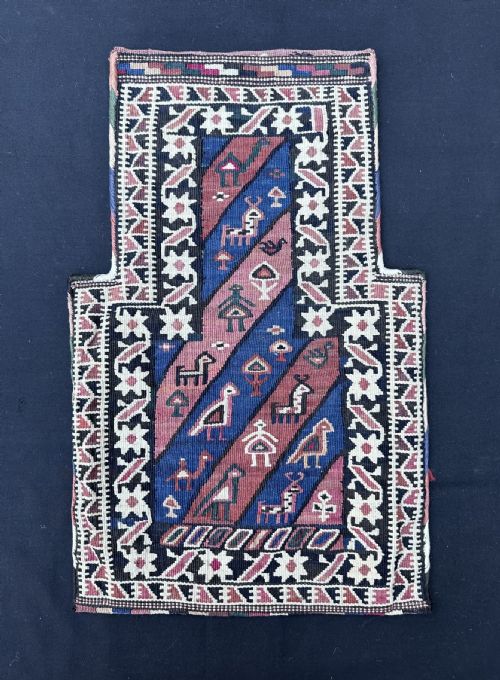
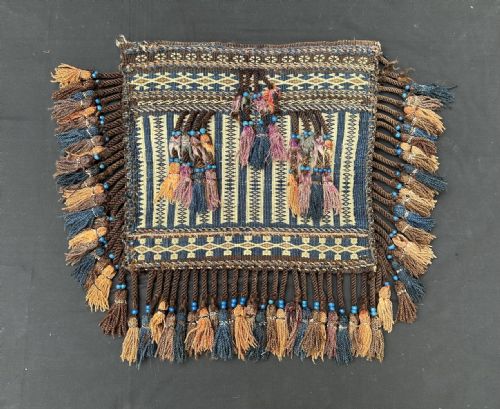
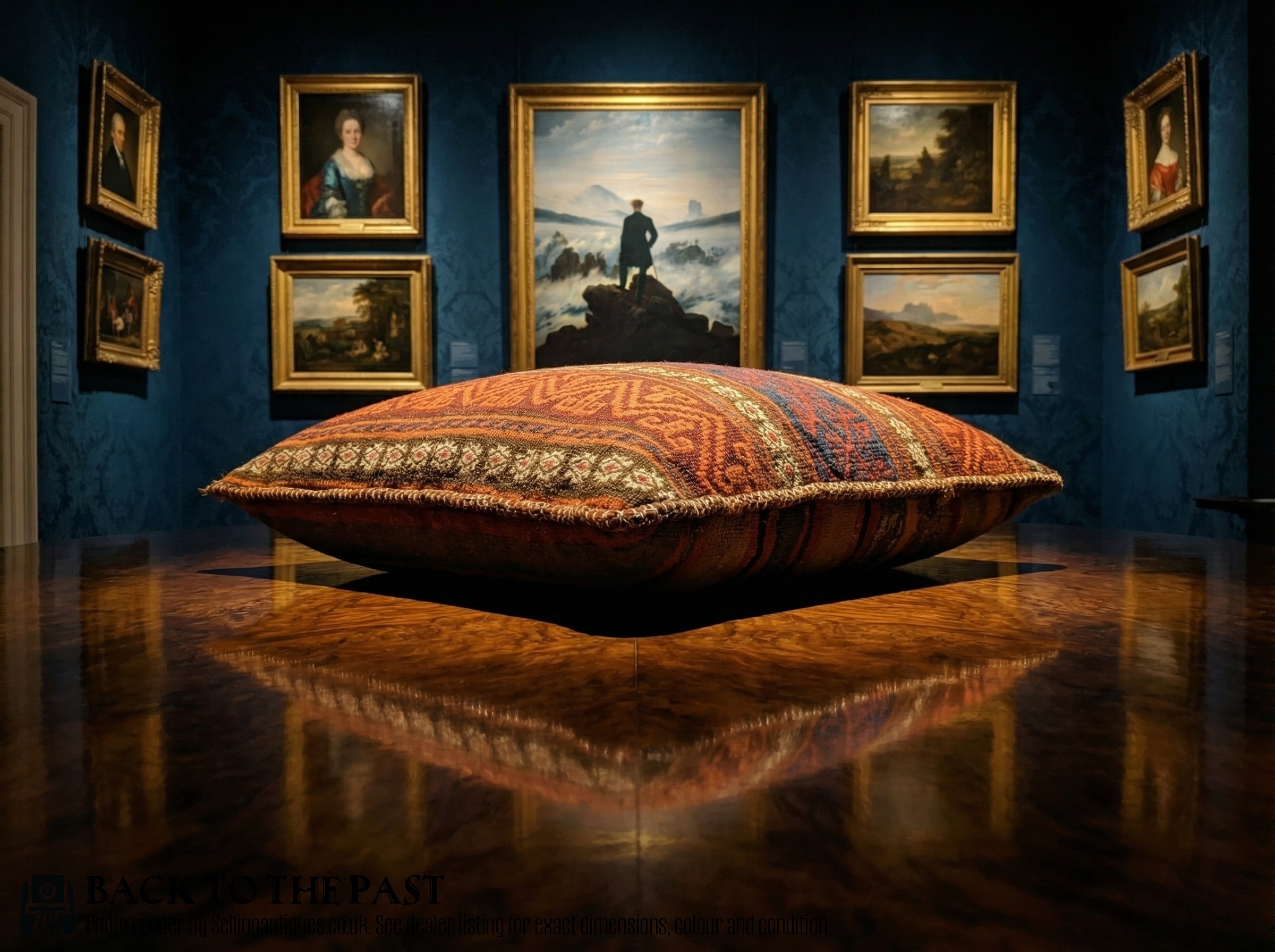
The woven half dominates. Nomadic and tribal weavers of Persia, the Caucasus, Central Asia and Afghanistan made bags as household kit: saddlebags, salt bags, small vanity bags, storage and tent-pole bags. Persia is named in fifteen of the titles on Sellingantiques, and the group names run to Qashqa'i, Afshar, Baluch, Jaf Kurd, Luri, Bakhtiari, Shahsevan, Turkmen and Khamseh.
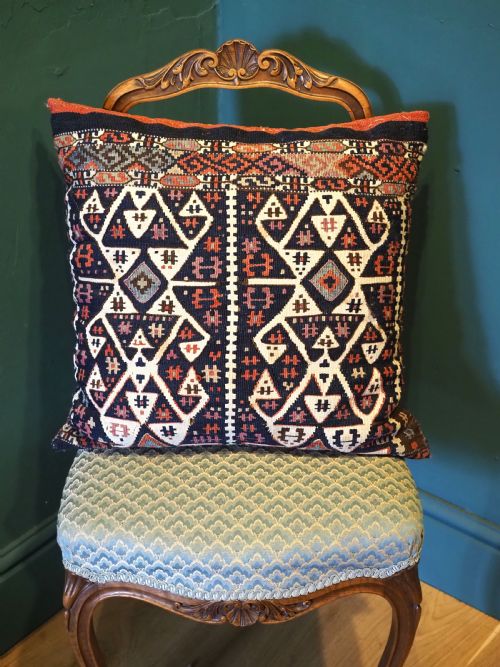
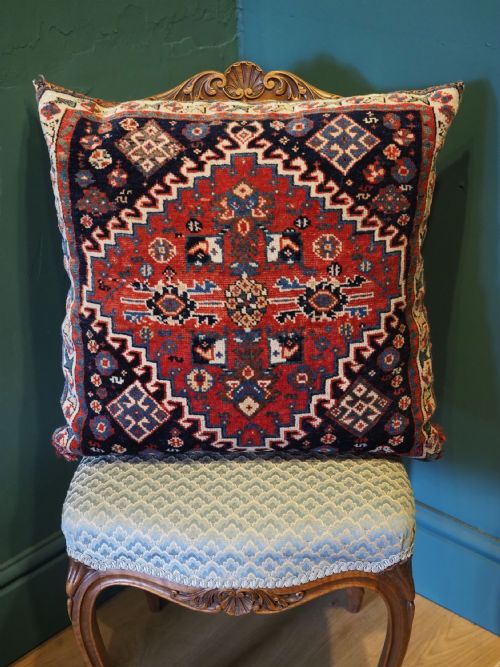
The thing you're most likely to meet is a bag face: the decorated front panel, cut from its plain back and sold flat. Twenty-three titles use the word. Many are then made up as cushions, and cushion appears in seventeen, at sizes like 45 x 45cm and 50 x 50cm. Where measurements are quoted the pieces are small.
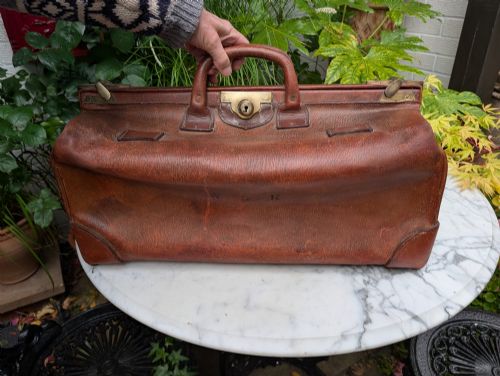
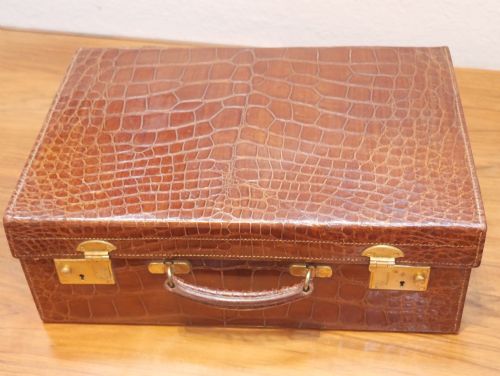
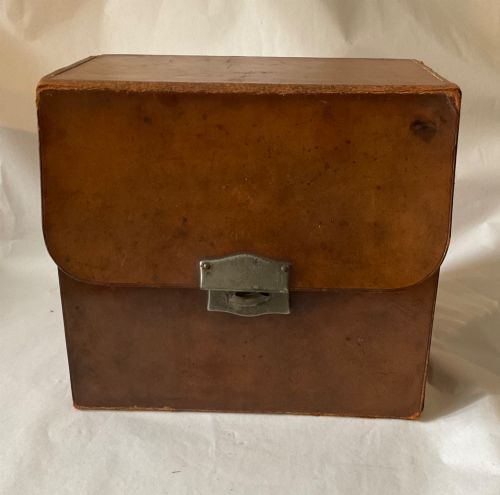
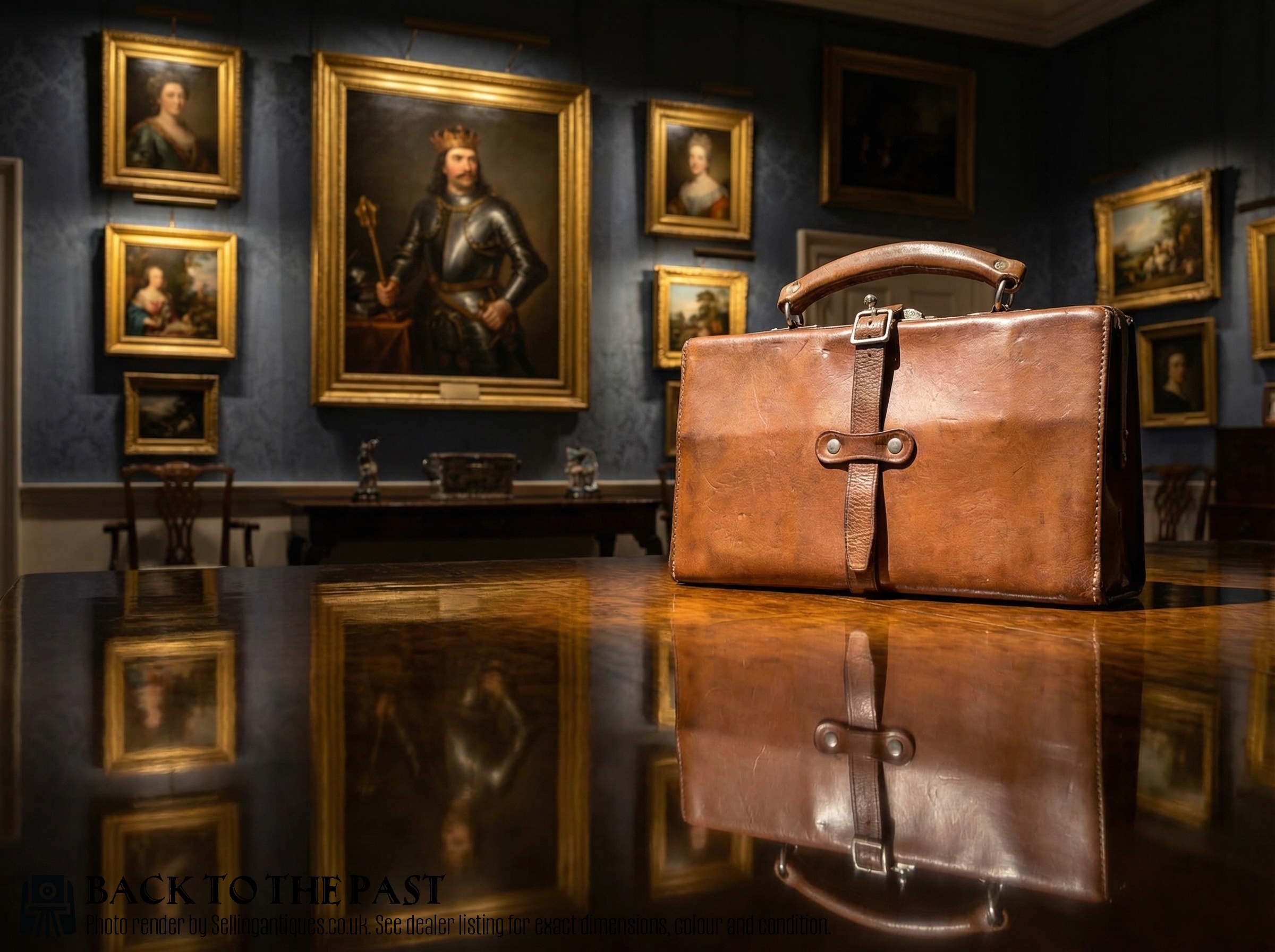
The leather side is led by the Gladstone bag, sixteen titles, usually described simply as leather and sometimes fitted or lockable. Around it sit holdalls, weekend cases, suitcases, portmanteaux and trunk cases, plus a persistent tail of working bags: post bags, a night safe bag, railway bags, a cricket kit bag, doctor's and veterinary cases.
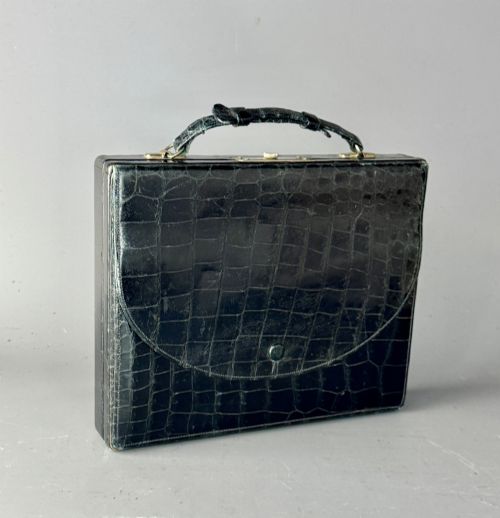
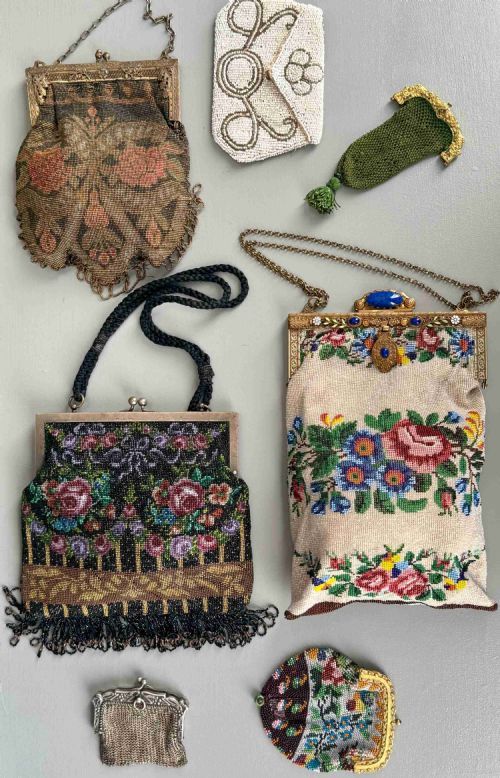
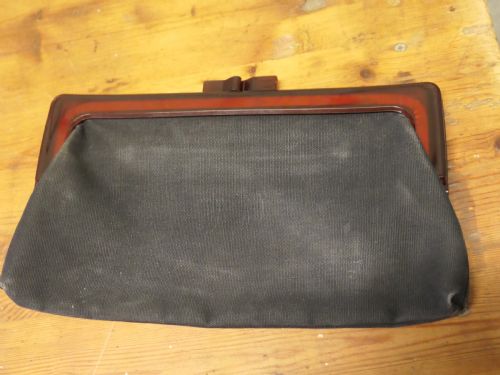
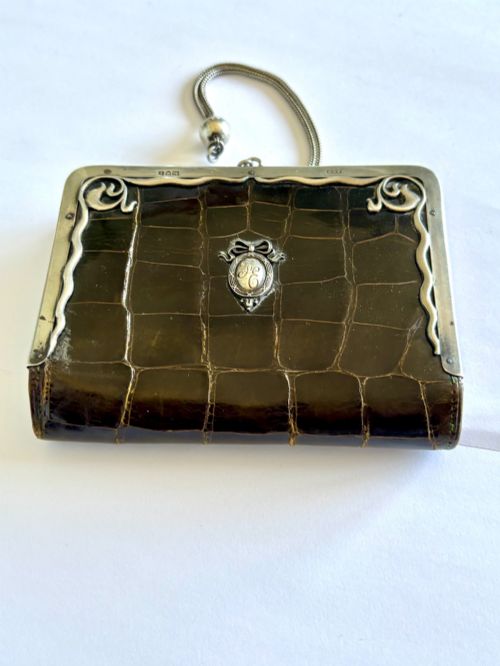
Dating runs 1850 to 1960, with the bulk either side of 1900. Dealers of tribal weavings round to circa 1900 or circa 1880 rather than a precise year, so the woven pieces cluster on those figures. A smaller run of ladies' evening, clutch and Art Deco handbags brings in beadwork, silk, suede, Bakelite, Lucite and crocodile.
Where Value Sits
Completeness separates the range on the woven side. Titles that specify a plain weave back, or a mafrash offered complete, sit high; a bare bag face spreads all the way down. The back was the undecorated part, so its survival gets said out loud when it's there.
Attribution does the rest of the work. The upper range carries precise chains of tribe and region, Qashqa'i Confederacy, Kashkuli Bozorg Tayefeh, Fars Province, or Kordi Tribes of Darreh Gaz, Quchan Region, Khorassan. The bottom is an untethered Antique Tribal Bag Face Cushion Hand Woven. Size counts too: large appears in eleven titles, and of large size recurs on the highest-priced weavings. Saddlebags noted as one of a pair, or offered with the pair, sit above singles.
Leather goods sort differently. A shop, railway or institutional association lifts a bag above a plain one, and Gladstones carry the most occupational baggage in the archive, doctor's, dentist's and railway director's examples, several with fitted interiors, wallets, or locks and keys.
Antique Bags Retail Price Guide 2026
Typical UK retail prices for bags, calculated from the Sellingantiques database of over a million retail prices indexed since 2003. This retail price guide relies exclusively on Sellingantiques data; no external sources or auction records are used, so the figures do not describe the wider market.
Dates on Sellingantiques run from 1850 to 1960: the oldest a nineteenth-century leather post bag, the latest a coated-canvas suit carrier.
The Antique Bags Glossary
- Bag face
- The decorated front panel of a woven bag, separated from its plain back and sold flat. Twenty-three titles use the word, and many of those panels are then mounted as cushions.
- Gladstone
- A hinged leather travelling bag opening into two equal compartments. Sixteen titles name one, and some are described as fitted or lockable.
- Khorjin
- A double saddlebag: two woven panels joined by a bridge. Listings often offer one half of a khorjin rather than the whole thing.
- Chanteh
- A small personal or vanity bag, the smallest of the woven forms in this category. One Afshar example is given as 22 x 30cm.
- Mafrash
- A large four-sided cargo or bedding bag, sometimes offered complete rather than as a single panel.
- Ok bash
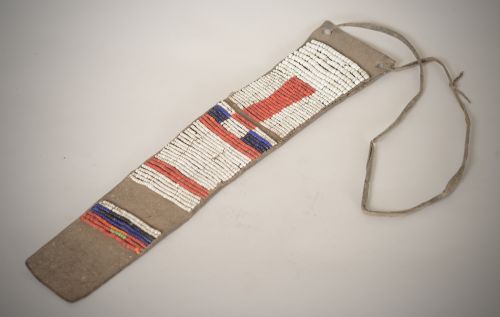
- Turkmen tent-pole bag, a tapering woven cover. Also written uk bash, and among the Central Asian forms that turn up only once or twice.
Antique Bags: Frequently Asked Questions
Why are so many sold as cushions?
A bag face is a flat decorated panel, roughly square once cut from its plain back, so it takes to a cushion cover with no reshaping. Seventeen titles mention a cushion, and thirteen pair the words face and cushion.
The cushion format is heavier in current stock than in what has already sold, and the quoted sizes are consistent: 45 x 45cm and 50 x 50cm.
What is a salt bag?
A narrow-necked woven bag made for carrying salt, the shape designed so the contents stayed put. Eight titles name one.
They sit alongside saddlebags, bedding bags and tent-pole covers as functional equipment woven by nomadic households rather than for sale.
How old are these bags?
The dated field runs 1850 to 1960. The bulk sits either side of 1900, with the 1900s, 1920s and 1930s the fullest decades and a smaller group in the 1880s and 1890s.
Some carry a period label instead of a year: nineteenth century, Edwardian or Victorian. Weavings in particular are rounded to circa 1900 or circa 1880, which is a convention rather than a precise date.
The earliest thing dated is a nineteenth-century leather post bag; the latest a coated-canvas suit carrier of 1960.
Which regions do the woven bags come from?
The origins read like a gazetteer of Persia and its neighbours: Fars, Kerman, Khorassan, Kurdistan, Luristan, the Chahar Mahal, Azerbaijan, the Trans-Caspian steppes, the Merv Oasis and south-west Afghanistan.
The Central Asian origins are the thinnest on the ground. Turkmen tent-pole bags, a Teke kap from the Merv Oasis and a double-sided silk ikat purse from Uzbekistan each appear only once or twice.
Do designer handbags appear in this category?
Not as a population. Labelled fashion pieces show up only as isolated one-offs in individual titles, so there's no run of them to speak of.
The ladies' bags that do recur are evening, clutch and Art Deco examples, about one in ten listings, in beadwork, silk, suede, Bakelite, Lucite and reptile skins.
How often do these come up for sale?
About thirteen a year come to market on Sellingantiques, and forty-nine different dealers have listed one. Most dealers who handle a bag handle a single example and move on.
The heading also shelters a few things that aren't bags at all, a set of powder flasks, a sewing work table, a Chinese stone seal, because a bag is named somewhere in the title. A travelling inkwell made as a miniature Gladstone turns up too.