
Antique Games
Boxed games for the parlour and the billiard room: fitted compendia, chess sets and boards, and the single-game oddities that kept Victorian and Edwardian evenings occupied.
Antique Games
Mostly a wooden box or a board with pieces. Of 342 listings on Sellingantiques, 121 titles use the word "game", 52 say "compendium", 46 "box", 40 "board" and 38 "chess", so what you are looking at is usually apparatus for table play rather than a single object of amusement.
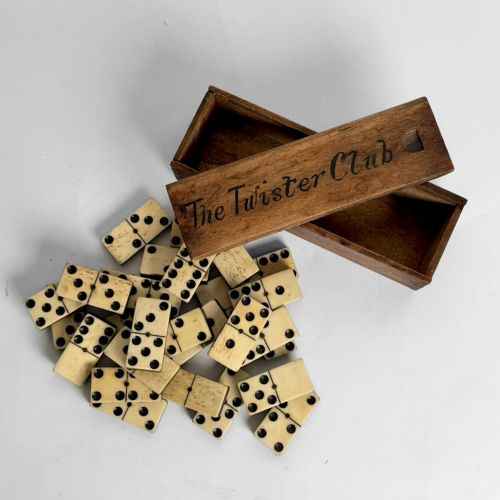
The fitted games compendium leads the category. It is a wooden case, compartmented or trayed, carrying chess, draughts, dominoes and backgammon together, and often cards and dice. Case woods split fairly cleanly: oak in 25 titles, mahogany in 21, walnut in 14. Sixteen titles pair the games with a tantalus, a decanter stand and games cabinet in one, and that hybrid recurs often enough to count as its own sub-type.
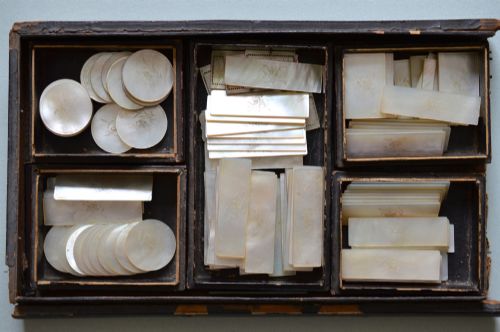
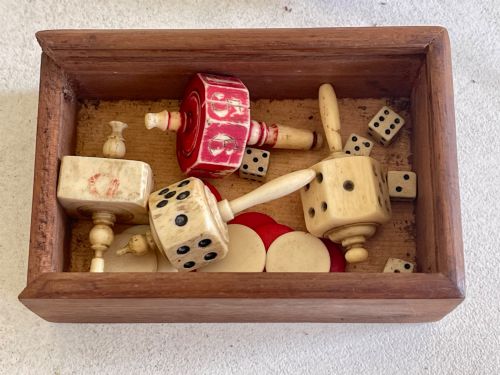
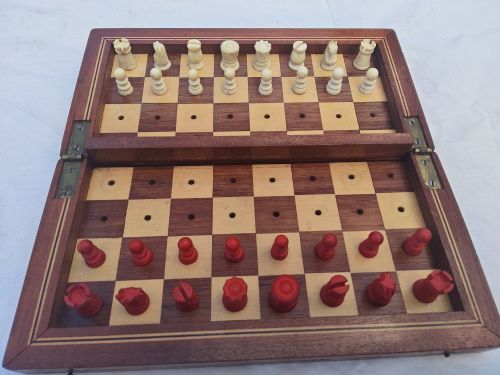
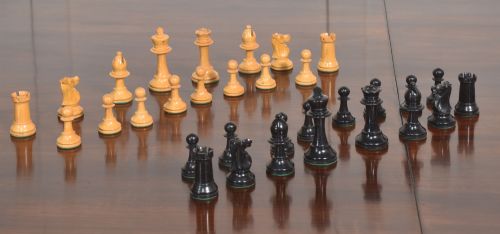
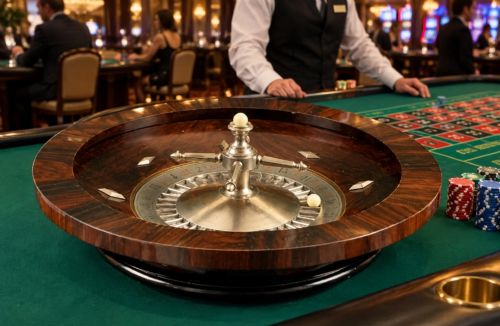
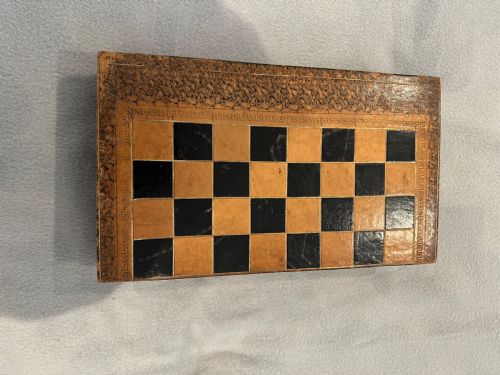
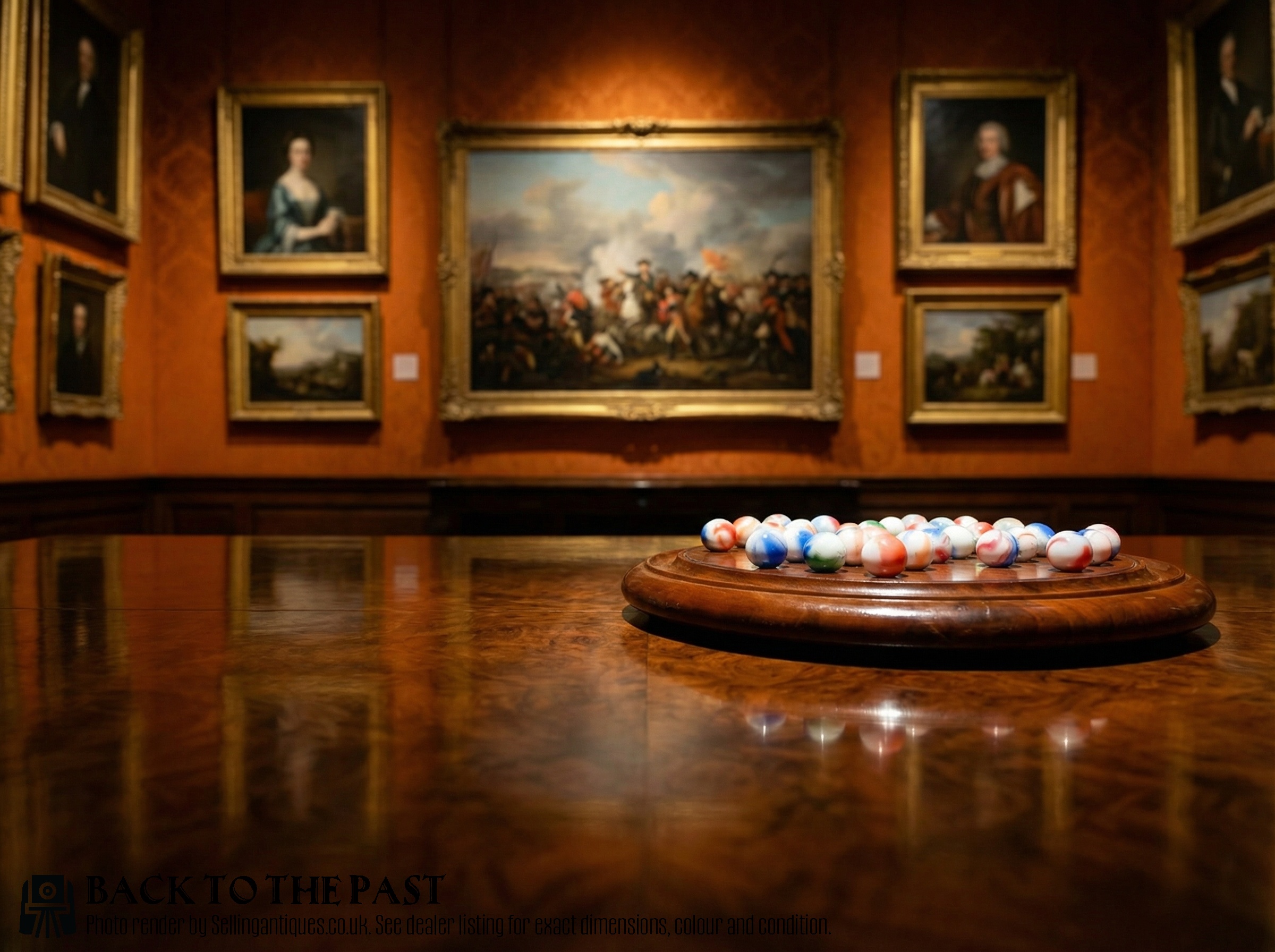
Chess sets and boards form the next seam, about one in eight listings and stronger in current stock than in the archive, with folding boards and Staunton-pattern men in boxwood. Then come the single-game pieces: Pope Joan staking wheels, solitaire boards with their marbles, travelling roulette, backgammon and sets of counters. A smaller run of treen amusements, chiefly the ball-and-cup bilboquet, turns up throughout.
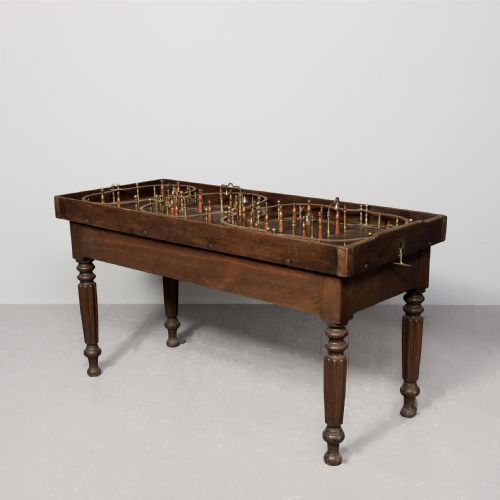
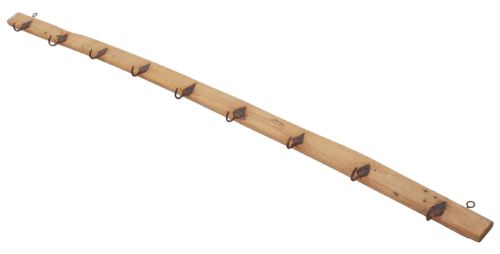
Two things to know about the heading. Billiard and snooker fittings such as scoreboards sit here, and so does a sizeable minority of sporting "game" items that share the word rather than the pastime: game hooks, game racks, game bird panels and game-park tapestries. On dating, the dealer-entered years run 1800 to 1960, with "19th Century" the largest single bucket at 106 listings and a large Edwardian and twentieth-century presence behind it.
What Sets Them Apart
Contents decide most of it. A compendium whose interior is still fitted to what it was meant to hold sits at the top of the range, and titles that say "complete", "fitted" or "with original contents" are a small minority: 10, 8 and 8 respectively. A case that has lost its trays and pieces is a box, and it reads as one.
Then the timber. Oak, mahogany and walnut carry the bulk of the cases, and figured or exotic woods lift a piece above them: burr walnut, coromandel and rosewood appear only among the higher-priced samples. The same logic runs down to plain pine and beech at the other end.
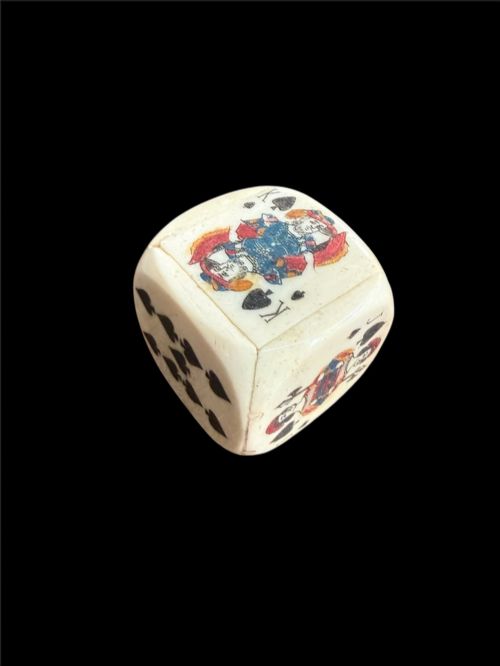
Breadth and pattern do the rest. A case carrying several games ranks above a single-purpose board, and the tantalus-and-games combinations cluster well up the range. With chessmen, a named pattern in boxwood and ebony, or a weighted set, stands apart from generic turned pieces; bone appears in 13 titles as a material for men and counters.
Antique Games Retail Price Guide 2026
Typical UK retail prices for games, calculated from the Sellingantiques database of over a million retail prices indexed since 2003. This retail price guide relies exclusively on Sellingantiques data; no external sources or auction records are used, so the figures do not describe the wider market.
Pope Joan appears twelve times on Sellingantiques, always as a revolving staking wheel or board, making it the best-represented named card game in the category.

The Antique Games Glossary
- Compendium
- A single fitted case holding several games, typically chess, draughts, dominoes, backgammon and cards. It names 52 of the titles in the category.
- Fitted
- The interior is compartmented or trayed to the contents it was built for, rather than being a plain open box.
- Tantalus
- A lockable decanter stand. Sixteen titles combine one with a games box, giving a drinks-and-games cabinet in a single case.
- Staunton
- The standard chessman pattern, named in 8 titles and usually cut in boxwood against ebony or ebonised wood.
- Bilboquet
- A ball-and-cup game on a turned handle. Ten titles use the word, the largest part of the treen seam.
- Pope Joan
- A card game played on a revolving staking wheel or board. Twelve titles carry it, making it the best-represented named card game here.
Antique Games: Frequently Asked Questions
What is in a games compendium?
The recurring contents are chess, draughts, dominoes and backgammon, with cards, dice and counters alongside them. The case is compartmented or trayed to suit.
How much survives varies. Only a small number of listings describe a set as complete or fitted, so a compendium can arrive as a full outfit or as a case with part of its contents.
Which woods were used for the cases?
Oak leads at 25 titles, followed by mahogany at 21 and walnut at 14. Those three account for the bulk of what comes to market.
Burr walnut, coromandel and rosewood turn up among the higher-priced examples, and plainer pine and beech sit at the other end of the range.
How old are most of these?
Dealer-entered dates run from 1800 to 1960. "19th Century" is the largest single bucket, with Victorian and Regency tags and decade labels such as the 1870s, 1880s and 1890s behind it.
The twentieth century is well represented too, with a substantial run of 1900s, 1910s, 1920s and Edwardian entries. A large share of the category is Edwardian or later.
Why do shooting items appear under games?
The word is doing double duty. Game hooks, game racks, game bird panels, taxidermy trophies and game-park tapestries all share the term with the parlour pastimes.
They form a visible minority of listings and are rising in current stock, so both meanings sit under the one heading.
What chess sets turn up in this category?
Chess appears in 38 titles, with 11 specifying a chess board and 8 the Staunton pattern. Boxwood is the named material in 8, usually paired with ebony or an ebonised dark side.
Folding boards recur, and bone is recorded in 13 titles across men and counters. Chess is stronger in live stock than it is in the archive.
How often do games come up for sale?
About 38 pieces reach the market a year on Sellingantiques.
Supply is scattered rather than concentrated: 110 different dealers have listed in the category, close to one dealer for every three listings. The unusual things surface once and not again, among them a Maori mu torere board and a knurr and spell lawn game.