
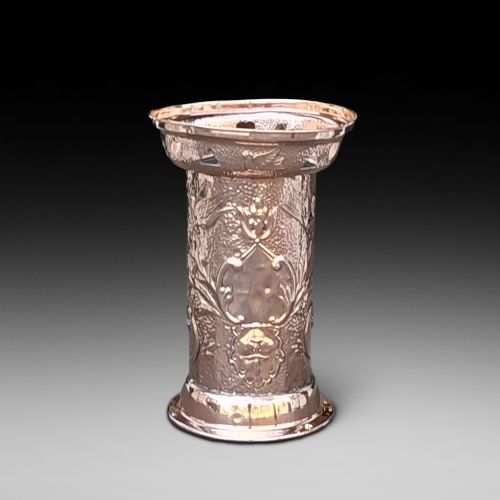
Antique Walking Sticks
A shaft of malacca, ebony, bamboo or blackthorn topped with a silver, horn or carved handle, carried as dress accessory rather than support, and sold here alongside the sword sticks and hall stands that grew up with it.
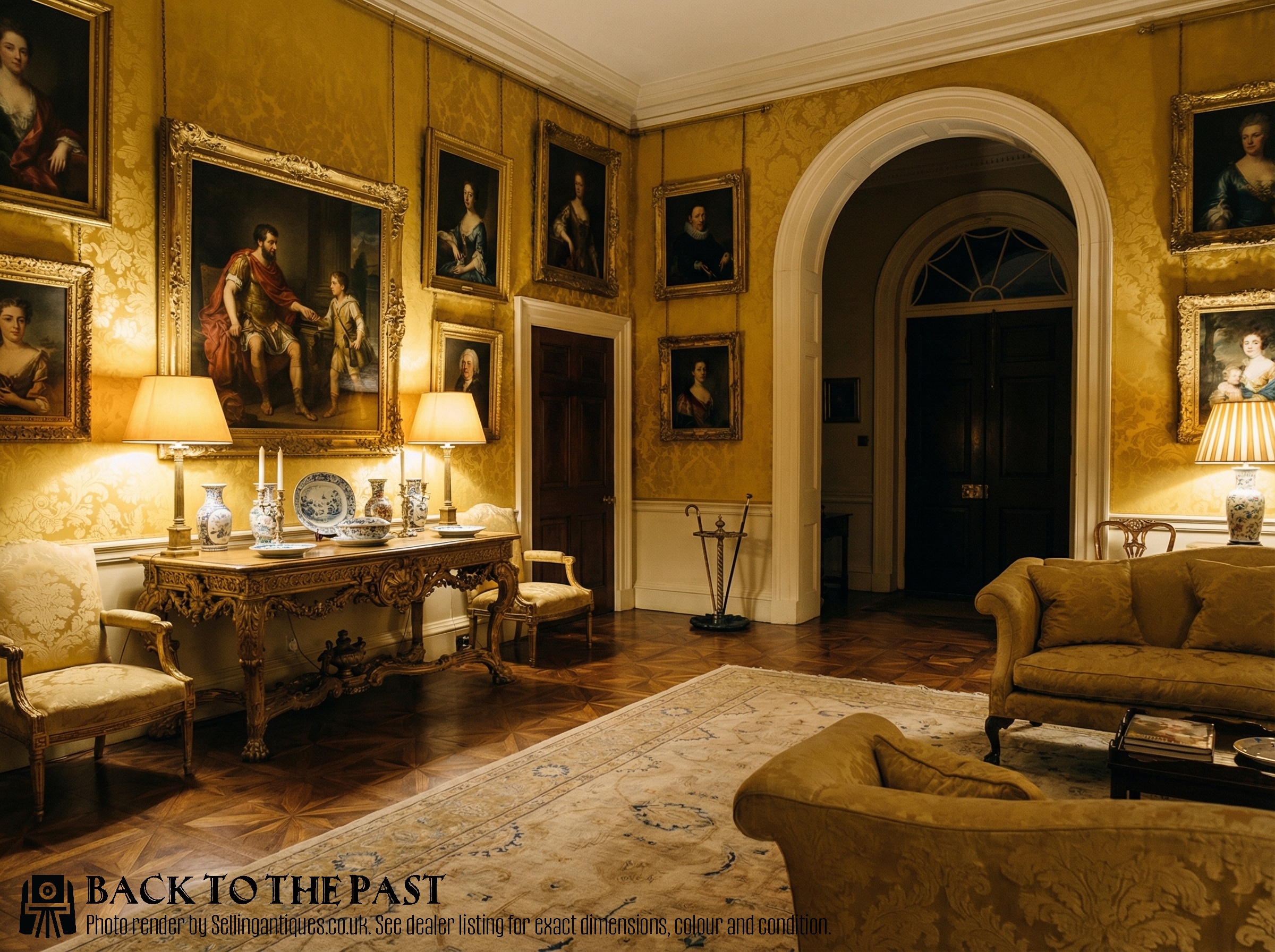
What You're Looking At
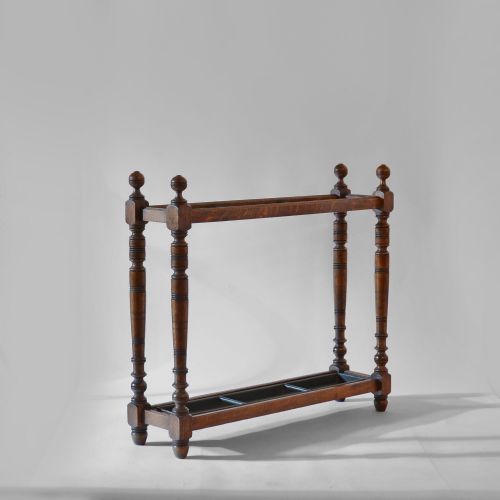
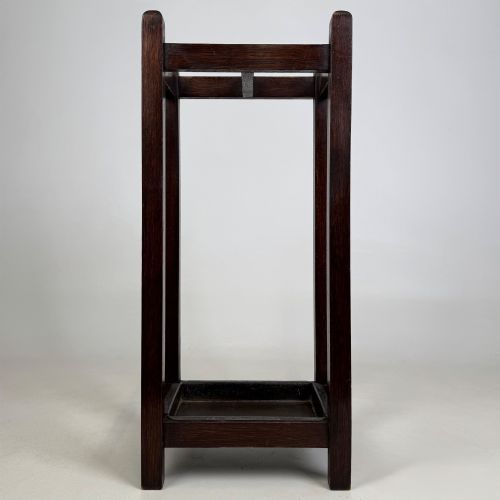
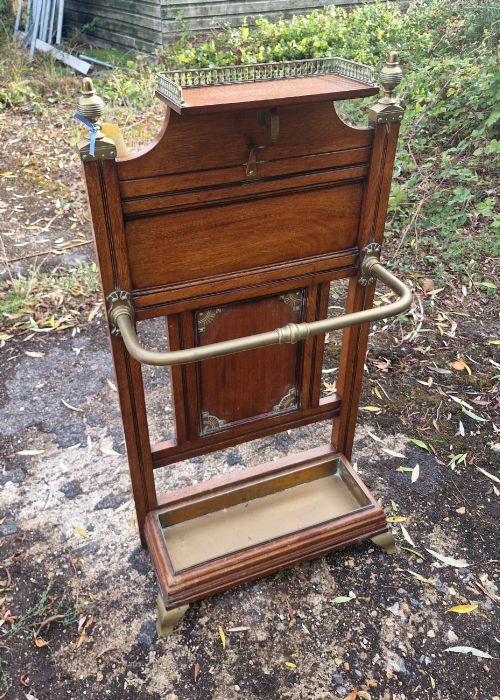
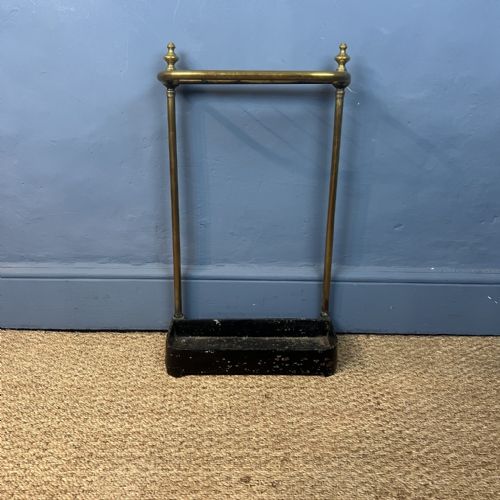
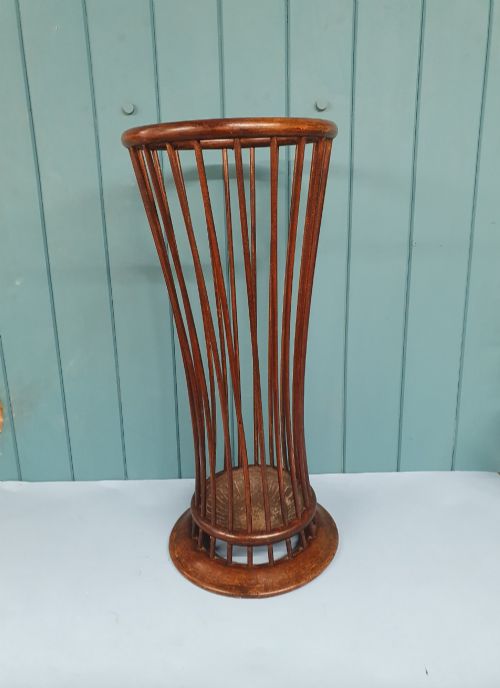
Three different things sit under this heading. The sticks and canes themselves, sword sticks whose shaft hides a blade, and the cast iron, brass or oak stands made to hold sticks and umbrellas in an entrance hall. Across 696 listings on Sellingantiques, 243 titles say "cane", 181 say "sword" and 124 say "stand", so all three turn up side by side.
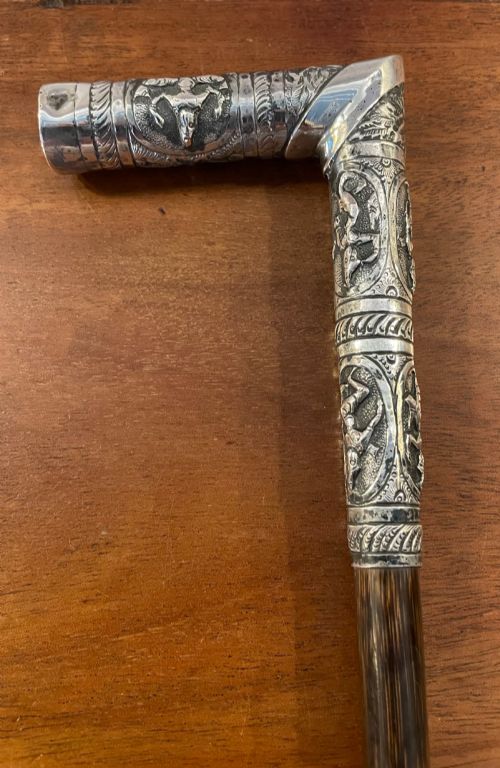
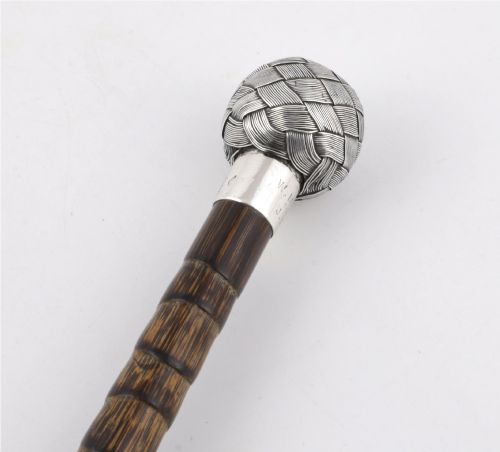
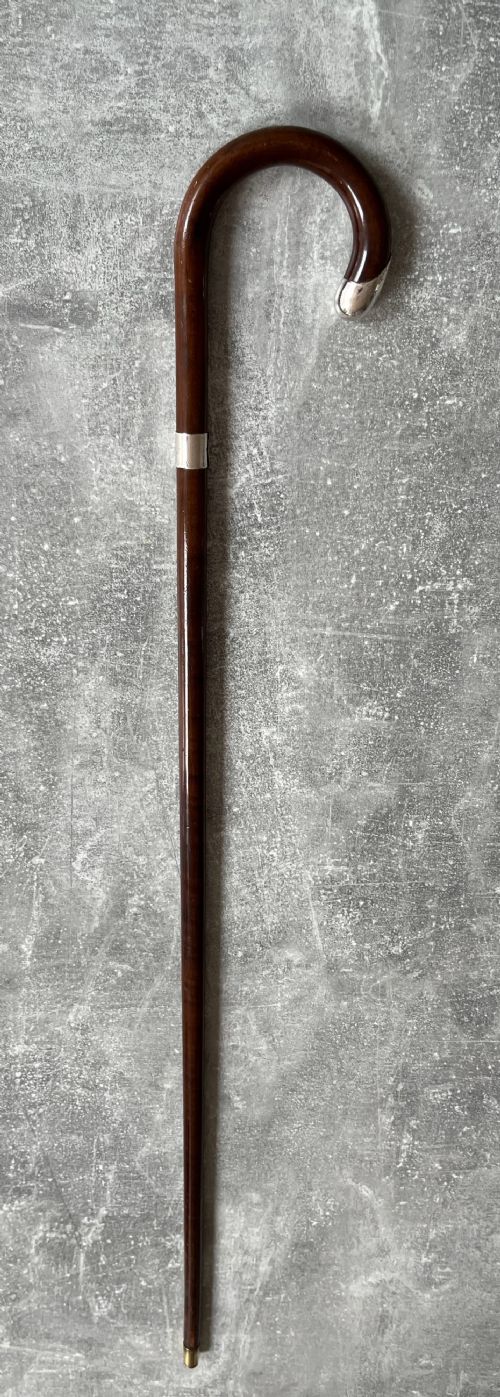
The form you'll meet most is a gentleman's cane with a silver-mounted or silver-topped handle on a hardwood shaft. Silver appears in 256 titles, more than any other word. Malacca is named 49 times, ebonised or solid ebony 40, bamboo 27. Where a length is stated it sits close to 90-94cm, or about 36 inches.
The walking stick moved from a practical staff to a dress accessory for men and women in the 17th and 18th centuries, and by the 19th was made in quantity with mounted handles, sometimes concealing a blade or a gadget. Purpose-made hall stands belong to that same domestic fashion.
Dating leans on period labels as much as years: "19th Century" is the single largest entry at 166 listings, then Victorian and Edwardian. Where clean years are given they cluster through the 1880s, 1890s, 1900s and 1920s. A turned ivory and silver malacca cane dated 1698 and two other 17th-century pieces are the oldest things recorded; anything before about 1850 is unusual.

Top And Bottom
Metal decides a great deal. Titles naming sterling silver, 9ct or 18ct gold pommels and gold collars, with an assay town and date behind them, sit well above those that say only silver plated. With no maker name reaching three dealers across the whole category, hallmark towns and dates do the identifying instead: London, Birmingham, one Exeter 1848 among them.
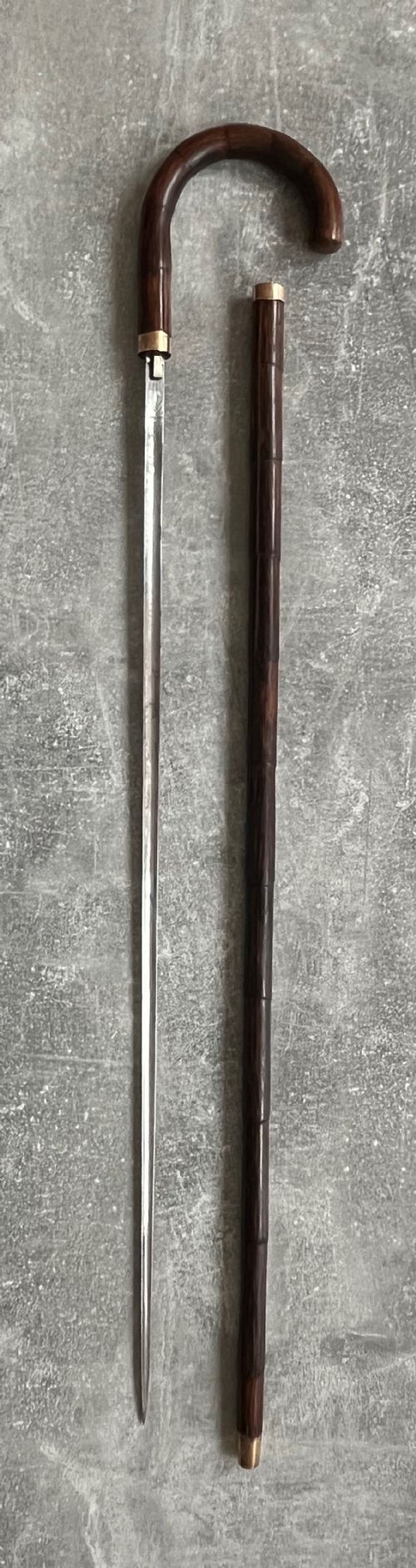
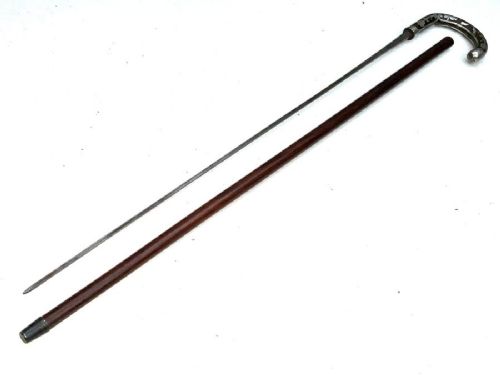
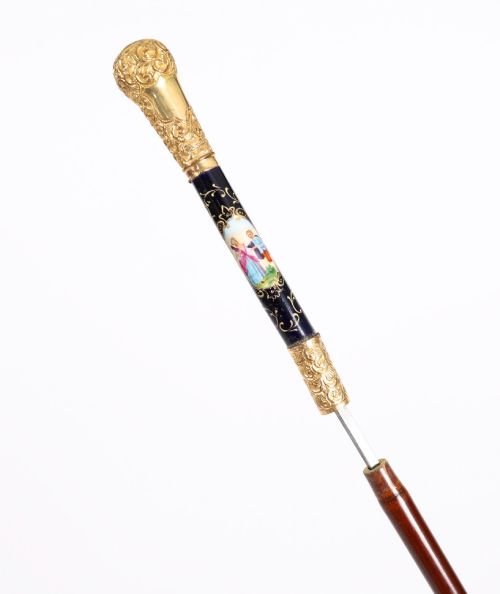
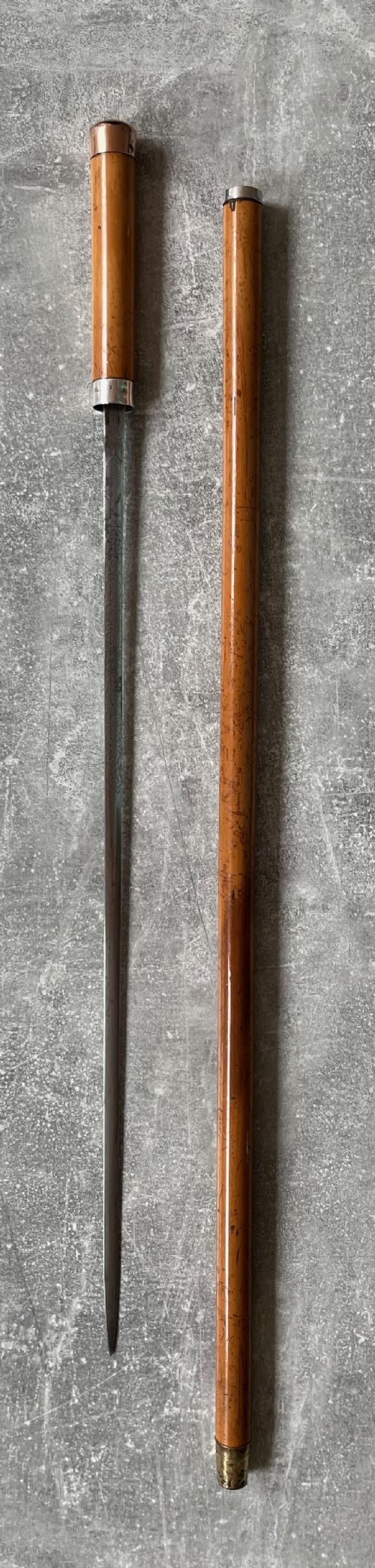
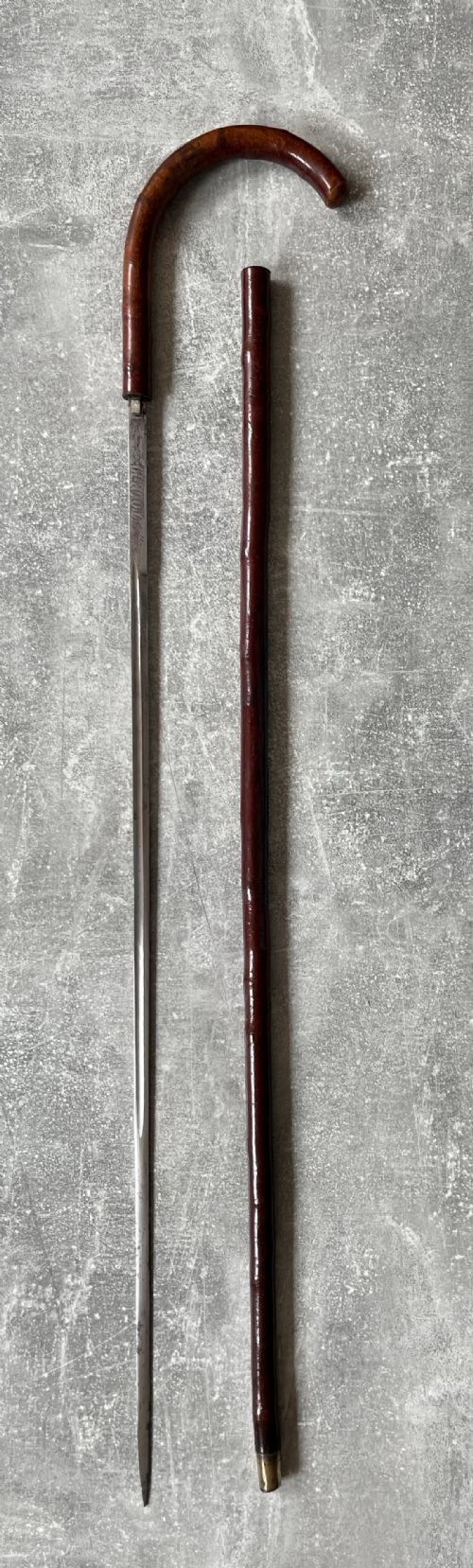
A blade lifts a stick into its own band, and a named or decorated blade lifts it again. Toledo and Wilkinson blades, double-edged blades and button releases sit at the higher end of the sword sticks. The same logic runs through handles: turned ivory, jade, amethyst, agate, rock crystal, Sevres porcelain, tortoiseshell and carved animal heads occupy the upper range, plain wood and horn the lower.
Concealed mechanisms are the other route up. Watch and opera canes, three-draw telescopes, corkscrews, flute sticks, nut crackers and an automaton monkey head with an opening mouth recur near the top. Among stands, cast iron and brass span the middle, while the large multi-division hall racks with twelve, twenty-four or thirty-six divisions, and figural cast iron, are the highest-priced things in the category.
Retail Price Guide 2026
Typical UK retail prices for walking sticks, calculated from the Sellingantiques database of over a million retail prices indexed since 2003. This retail price guide relies exclusively on Sellingantiques data; no external sources or auction records are used, so the figures do not describe the wider market.
Most sticks on Sellingantiques run about 90 to 94cm. The extremes are a 65cm child's cane and a 103cm silver one.
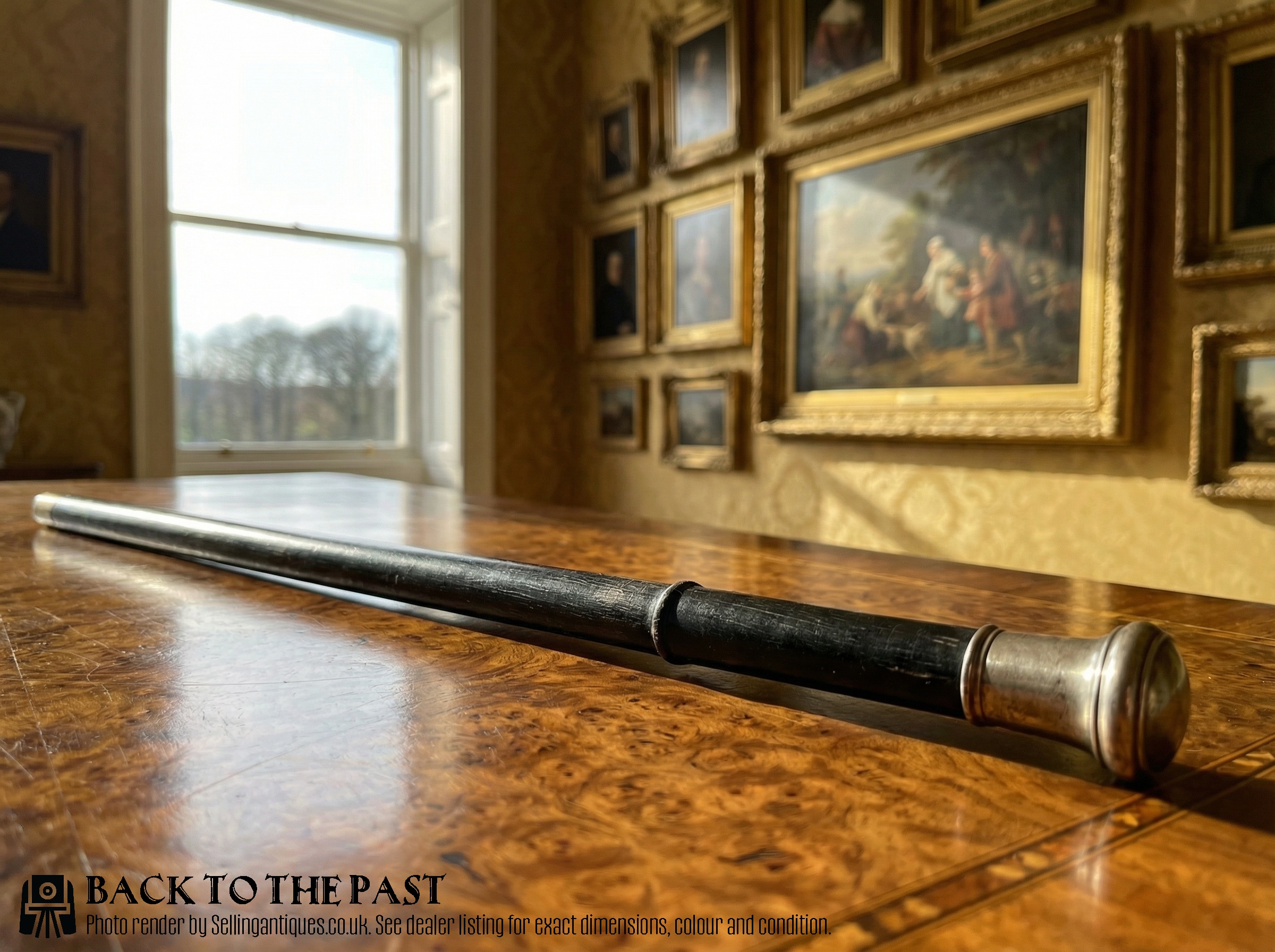
The Antique Walking Sticks Glossary
- Malacca
- A mottled brown rattan shaft, and the single most-named wood in the category, appearing in 49 titles.
- Collar
- A metal band, often hallmarked silver, running round the shaft just below the handle.
- Pommel
- The knob or cap that forms the top of the handle. Fifteen titles use the word, sometimes for gold ones.
- Ebonised
- Wood stained black to imitate ebony. Twenty titles say ebonised or ebonized; others describe solid ebony.
- Sword stick
- A stick whose shaft conceals a blade drawn out from the handle. Irish blackthorn is its signature shaft, in 27 titles.
- Coopered
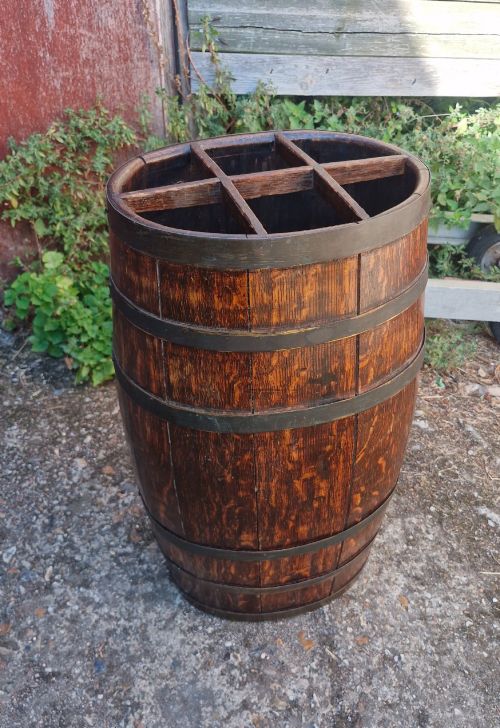
- Built from staves like a barrel, a form that recurs among the oak stick stands, alongside demi-lune and corner shapes.
Frequently Asked Questions
What is a gadget cane?
A stick with a concealed function built into the shaft or handle. The archive holds corkscrews, a three-draw telescope, a timber flute, a nut cracker with carved heads, a petrol cigarette lighter and horse measuring sticks.
They turn up once in a blue moon and are memorable when they do. A watch-and-opera cane and an automaton monkey head with an opening mouth are among the more unusual recorded.
How long is a typical antique walking stick?
Where a length is stated it clusters tightly at roughly 90-94cm, or about 36 inches. Sixteen titles carry 92cm on its own.
The outliers are a 65cm child's cane at one end and a 103cm silver cane at the other.
Which makers should I look for?
No maker or retailer name reaches three dealers across the category, so no firm defines it. The silversmith and retailer names that do appear in titles are single-dealer stock.
Identification runs through hallmarks instead. Assay towns and date letters, with London, Birmingham and Exeter marks among those named, carry the weight a maker's name would elsewhere.
Are stick stands part of this category?
Yes. Stand appears in 124 titles, umbrella in 89, and the two words often run together. Cast iron and brass are the common materials, with oak behind them.
Forms include demi-lune stands made to sit against a wall, corner stands, coopered barrels and multi-division hall racks. The largest things in the archive are stands rather than sticks.
What materials do the handles and shafts use?
Handles run through silver, plate, gold, horn, ivory, bone and carved wood, with dogs, bulldogs, ducks, eagles, monkeys, hares, snakes, a devil's head, a clenched fist and a top hat among the carved subjects.
Shafts go further afield. Shark and marine vertebrae, whalebone and whale tooth, stingray tail and rhinoceros horn all appear, and one stand is made from an elephant foot.
Do these come from outside Britain?
Widely. French is named in 53 titles, and Chinese, Japanese, Indian and Anglo-Indian, Burmese, Russian, Swedish, German, Italian, American, African and Zulu all appear.
Spanish Toledo turns up on sword-stick blades. A Warsaw-marked Judaica dagger stick and a Mesopotamian silver-topped stick are the rarest single origins recorded.