
Antique Statues
Free-standing figural sculpture for houses, gardens, churches and shopfronts, carved or cast in whatever material was to hand, from oak and limestone to spelter, bone and shell.
What Are Antique Statues?
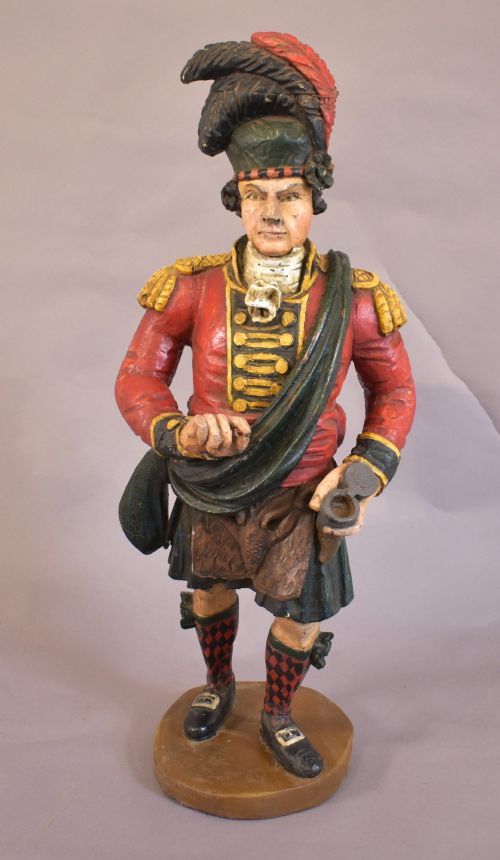
Carving dominates. "Carved" appears in around a quarter of titles on Sellingantiques, "figure" in one in seven, and wood in one in ten. The piece you're most likely to meet is a carved wooden figure, often polychromed or painted, given as 19th century. Pairs are close to a defining feature: nearly a fifth of titles say "pair", and sets of four cherubs, four seasons or four root carvings turn up too.
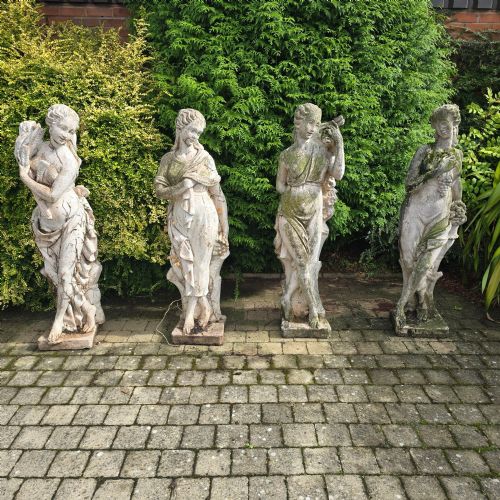
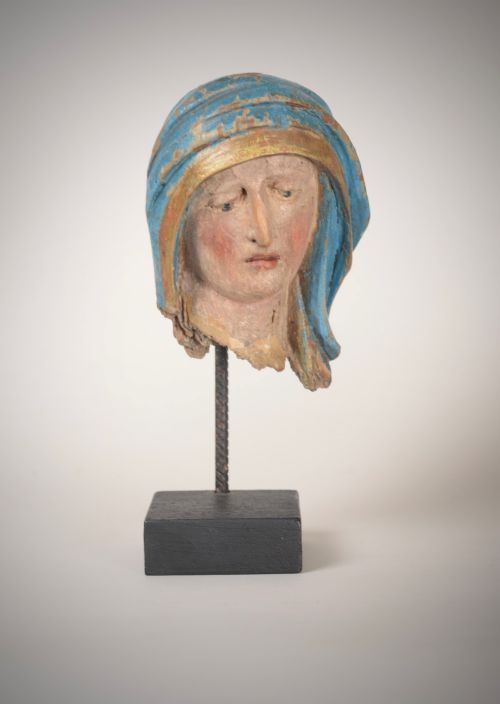
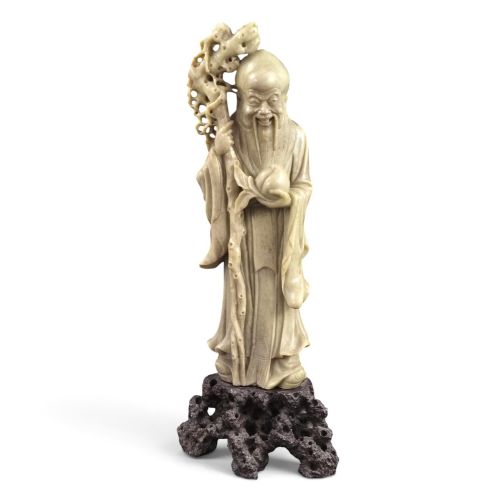
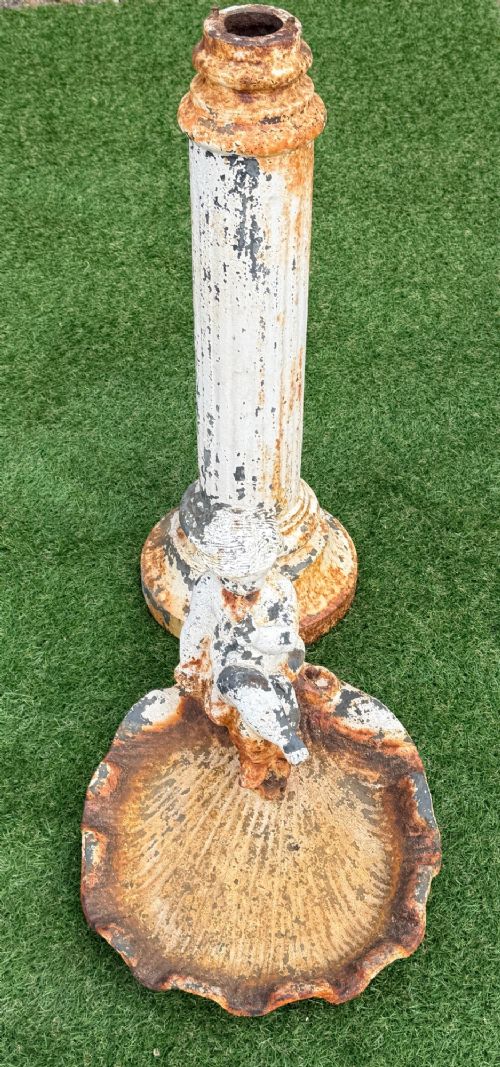
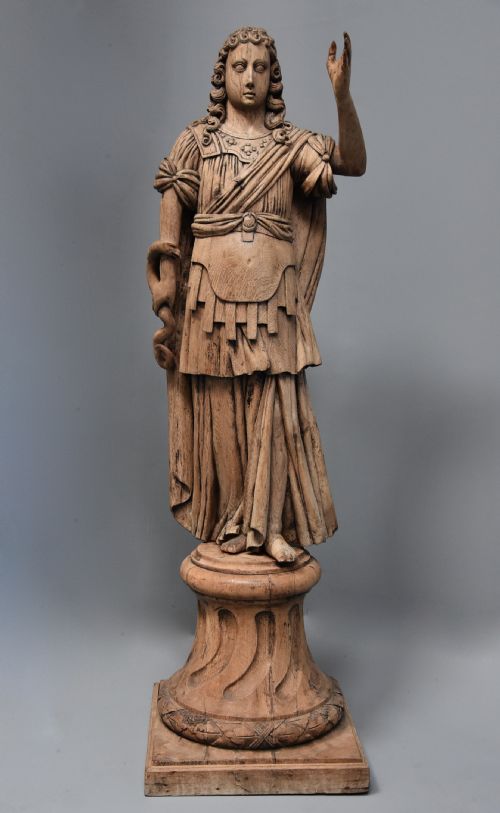
Three strands run alongside each other. Weathered garden and architectural statuary in stone or composition stone accounts for roughly a fifth: lions, cherubs, nudes, busts on plinths, bird baths, a staddle stone, limestone pinnacles. Carved religious and decorative figures make up about a quarter, among them santos, corpus christi figures, putti, saints and Venetian blackamoors, several of them life size. Asian and tribal carvings are another fifth, with Chinese pieces the largest single origin.
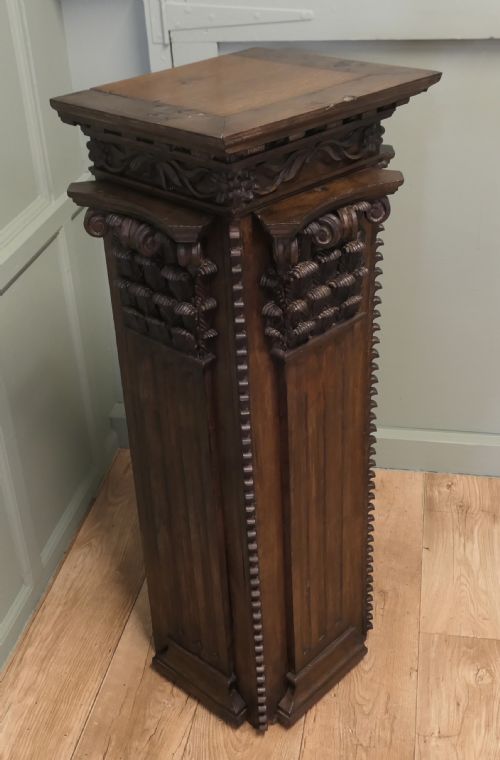
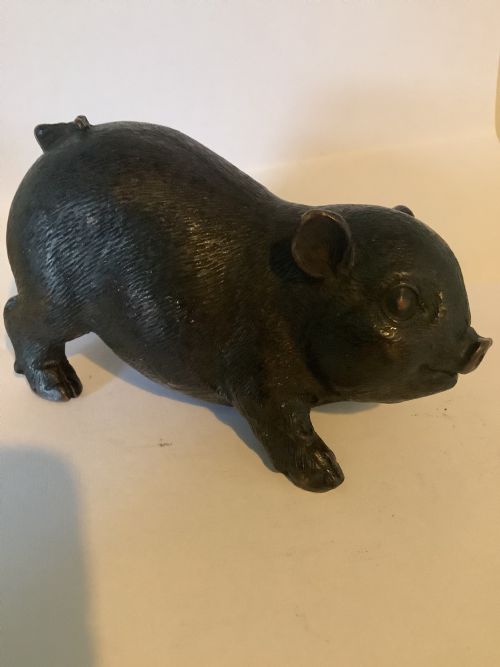
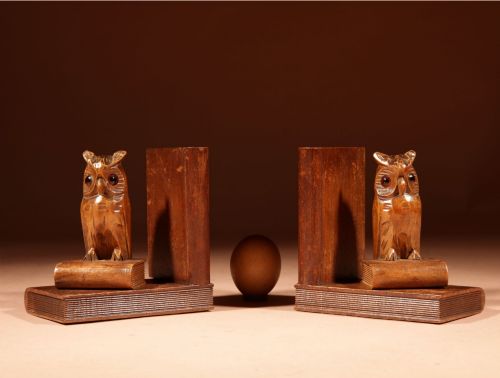
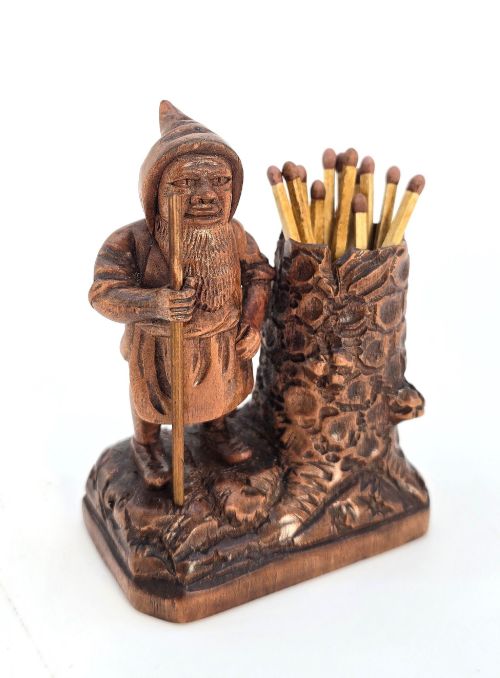
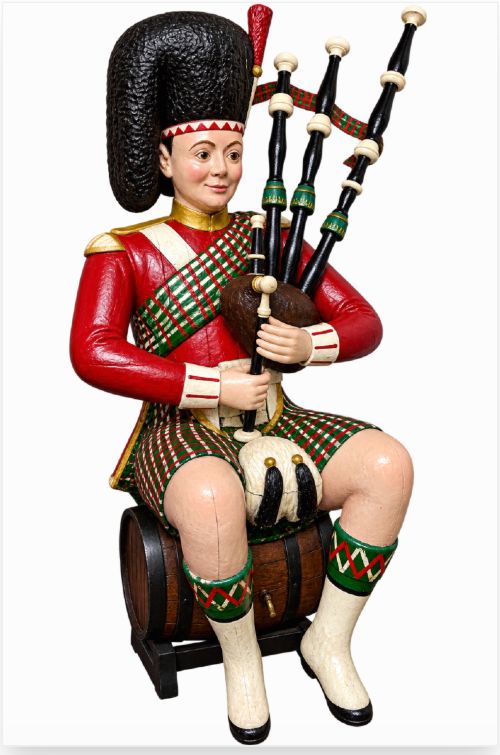
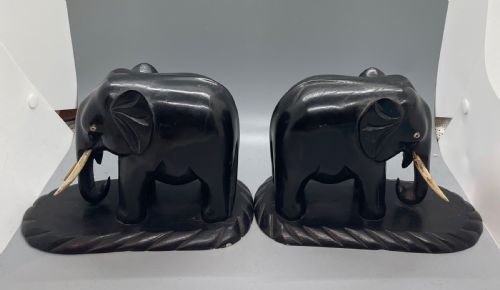
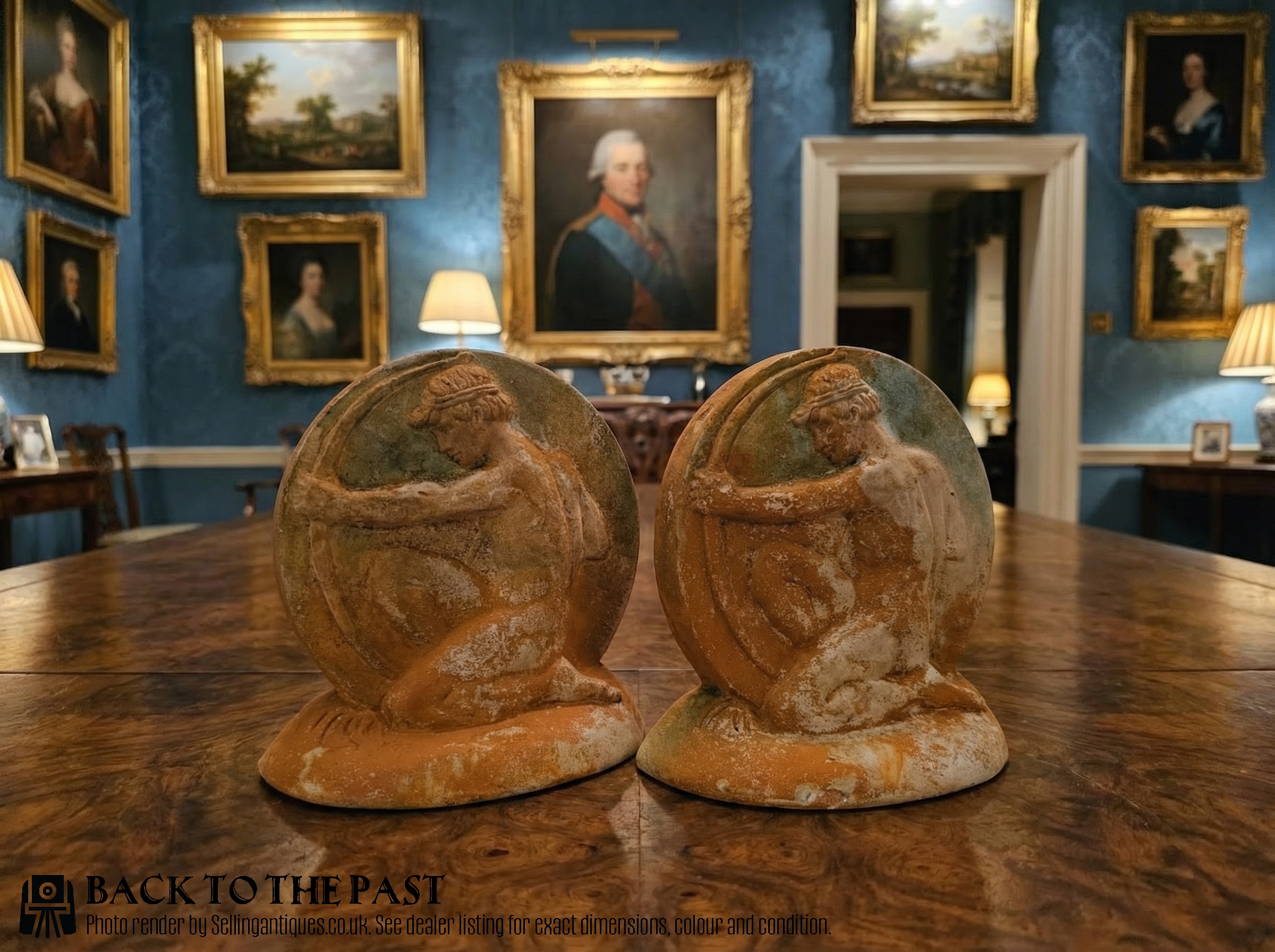
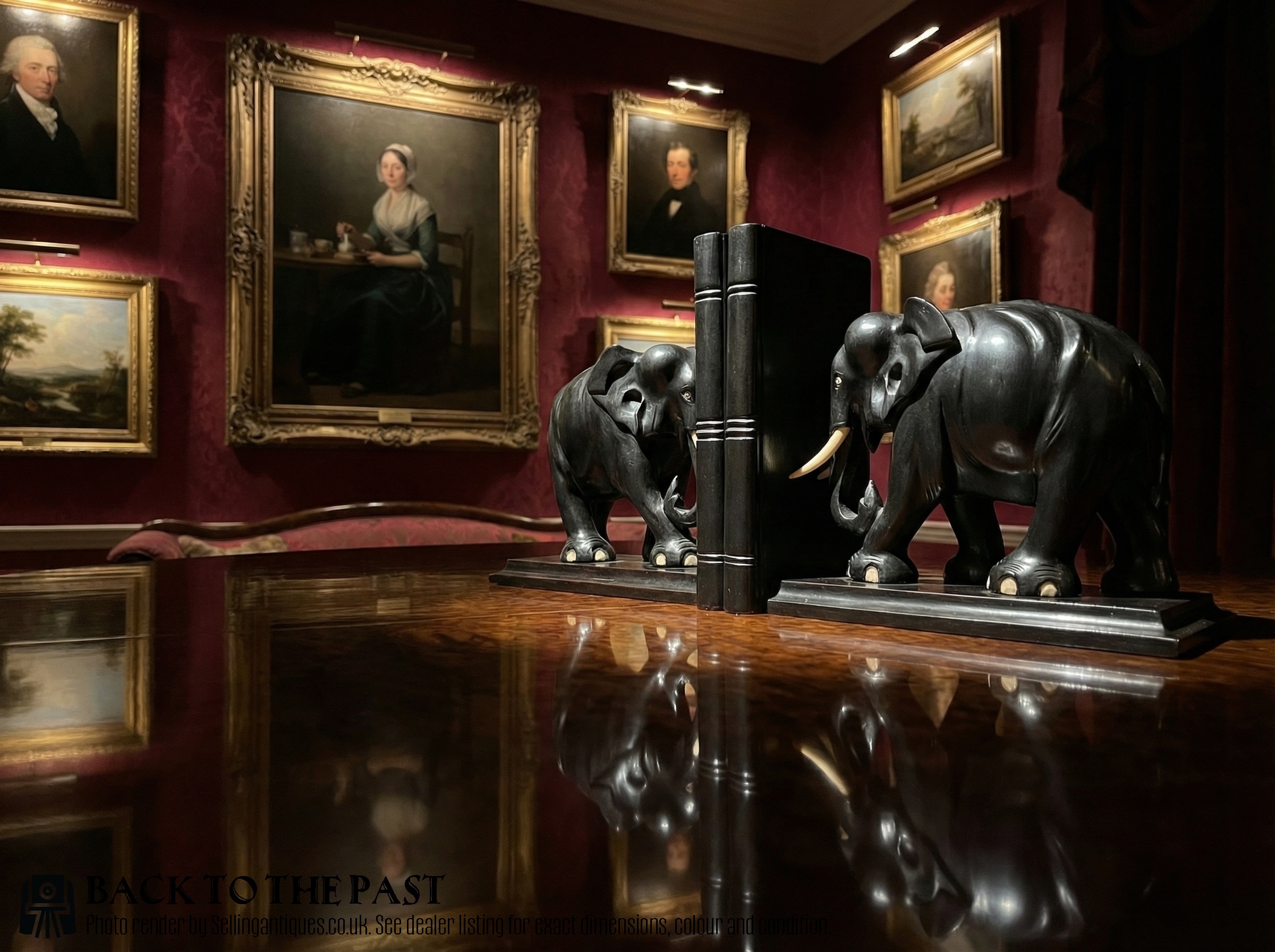
Then there are the small figural objects with a job to do. Bookends appear in a dozen titles, and doorstops, inkwells, match strikers, weather vanes, gongs, advertising figures and butcher's shop pigs sit beside them. Plinths, pedestals and columns with no figure at all are filed in the category as well, which is where a good tenth of it sits.
Dates are mostly brackets rather than years. "19th Century" is the largest bucket by a wide margin, with Victorian, 18th century and 17th century behind it, and decade labels clustering in the 1920s and 1930s. A handful of pieces reach well beyond that range and are filed simply as Before 1700: a 16th century giltwood and polychrome group, a 15th century oak carving, a Sui Dynasty tomb attendant, a Burmese stone carving given as 13th or 14th century.
Where The Range Splits
Scale does most of the work. "Large" appears in one title in seven, "life size" in nine, and the biggest claims anchor the top of the range: a 141cm painted religious statue, a 103cm carved wood figure, a 90cm Tibetan Buddha, monumental Medici lions. Bookends, doorstops and desk figures sit at the other end. Where life size is claimed, the piece is usually carved wood, Continental oak and Italian santos among them.
Method separates the rest. Hand-carved pieces far outnumber cast ones in the titles, and the reconstituted, composite and composition stone pieces cluster low. Surviving decorated surface counts for the same reason: titles specifying original paint, original gilt polychrome or original old paint recur, and polychrome and gilding are worth naming when they've lasted.
Age claimed in the title pushes upward, and pairs push upward with it. The pre-1700 pieces, the Gothic limestone pinnacles and early oak carvings, sit at the very top. A pair of anything reads stronger than a single, and the larger sets stronger again.
Retail Price Guide 2026
Typical UK retail prices for statues, calculated from the Sellingantiques database of over a million retail prices indexed since 2003. This retail price guide relies exclusively on Sellingantiques data; no external sources or auction records are used, so the figures do not describe the wider market.
About 29 statues come to market on Sellingantiques each year, and 117 different dealers have listed one.
The Antique Statues Glossary
- Polychrome
- Decorated in several colours, usually paint over carved wood or plaster. Sixteen titles use the word, and some pair it with "original".
- Reconstituted or composition stone
- Moulded stone aggregate rather than carved solid stone. Common through the garden strand and generally at the lower end.
- Plinth
- The base a statue stands on. Sold with the figure, or entirely on its own, alongside pedestals and columns.
- Santos
- A carved saint figure, typically Continental, and often life size in these listings.
- Corpus christi
- The carved figure of Christ taken from a crucifix and sold on its own.
- Blackamoor
- A standing polychromed figure, usually Venetian, often doing service as a torchère or waiter stand.
Frequently Asked Questions
What material are most antique statues made from?
Carved wood is the largest single strand, and stone, marble, bronze, brass, spelter, plaster and terracotta all appear. Bronze and marble are smaller presences than you might expect, each turning up in only a handful of titles.
The wider list is broader still. Horn, bone, whale vertebrae, seashell, bamboo, papier mâché, leather, ivory, alabaster, granite, onyx and cloisonné all come up across the samples.
How many statues come up for sale each year?
Around twenty-nine reach the market on Sellingantiques in a year, and 117 different dealers have listed one.
That means almost every dealer who handles them handles only one or two. It's a category that arrives in ones and twos rather than from specialists with stock.
Which subject appears most often?
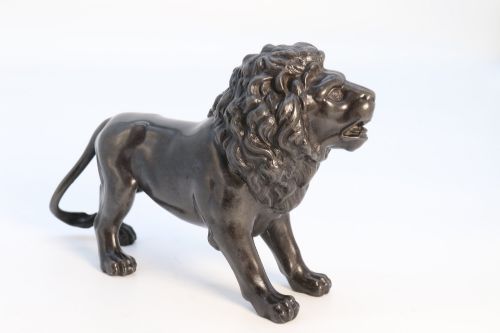
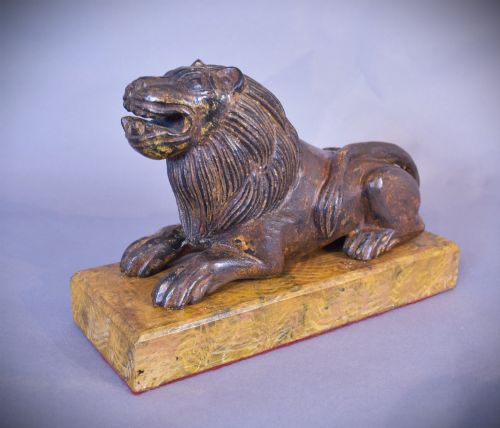
Lions. Between the singular and plural they run to twenty-two titles, more than any other subject in the category, and they appear in stone, marble, pewter, bronze, soapstone and jade.
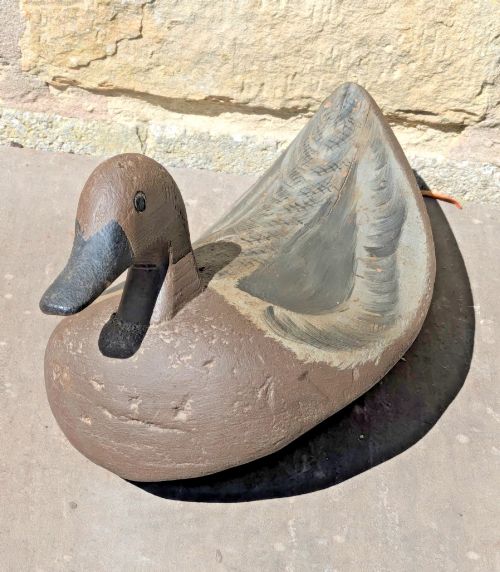
Horses and dogs follow, with elephants, eagles, owls, pigs, tigers and ducks scattered across the samples.
Are antique statues usually sold in pairs?
Pairs are a defining feature rather than a variation. Nearly a fifth of titles say "pair", and lions and figures account for many of them.
Larger sets appear too: four seasons, four cherubs with instruments, four root carvings, five Oceanic stone statues, and one lot of nine Chinese wood carvings.
Do garden statues form a big part of the category?
Roughly a fifth of it. Stone and composition stone garden and architectural pieces include lions, cherubs, nudes, busts on plinths, bird baths, a staddle stone and limestone pinnacles.
Moulded composition and cast stone are products of the industrial period, when moulding turned a statue into an ordinary purchase rather than a commission.
Where do the Asian and tribal carvings come from?
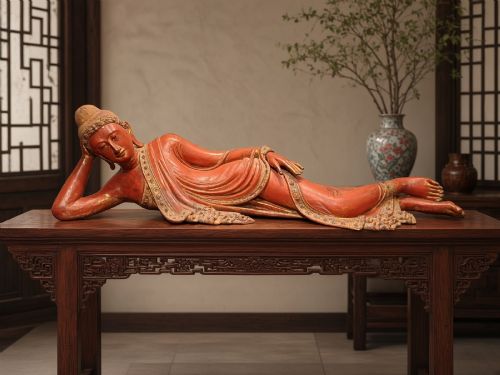
Chinese pieces lead by a distance, carrying about one title in eleven, with Buddha figures a recurring note among them. Japanese okimono, Tibetan, Balinese, Indian and Khmer carvings appear as well.
Some origins show up only once each: Inuit and Native American, Maori and Oceanic, Yoruba, Burmese and Filipino.