


Antique Umbrella Stands
A free-standing hall vessel or frame, made to hold wet umbrellas and walking sticks upright over a tray that catches the drips.
What Are Antique Umbrella Stands?
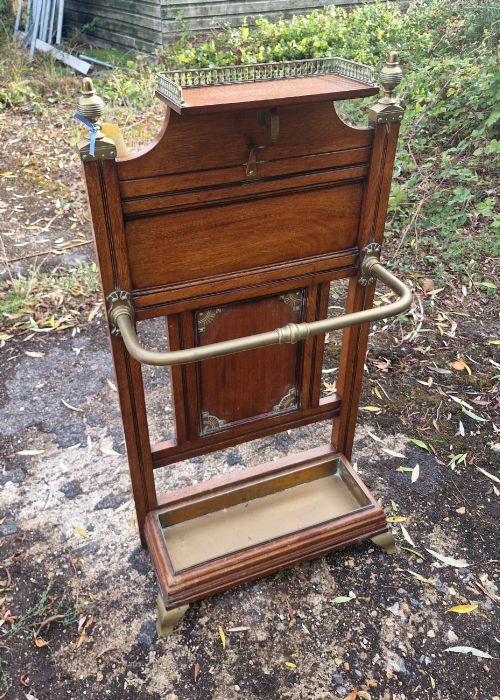
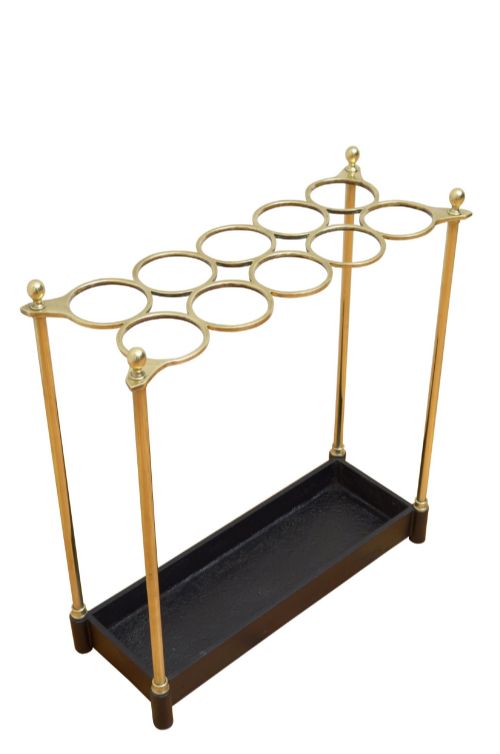
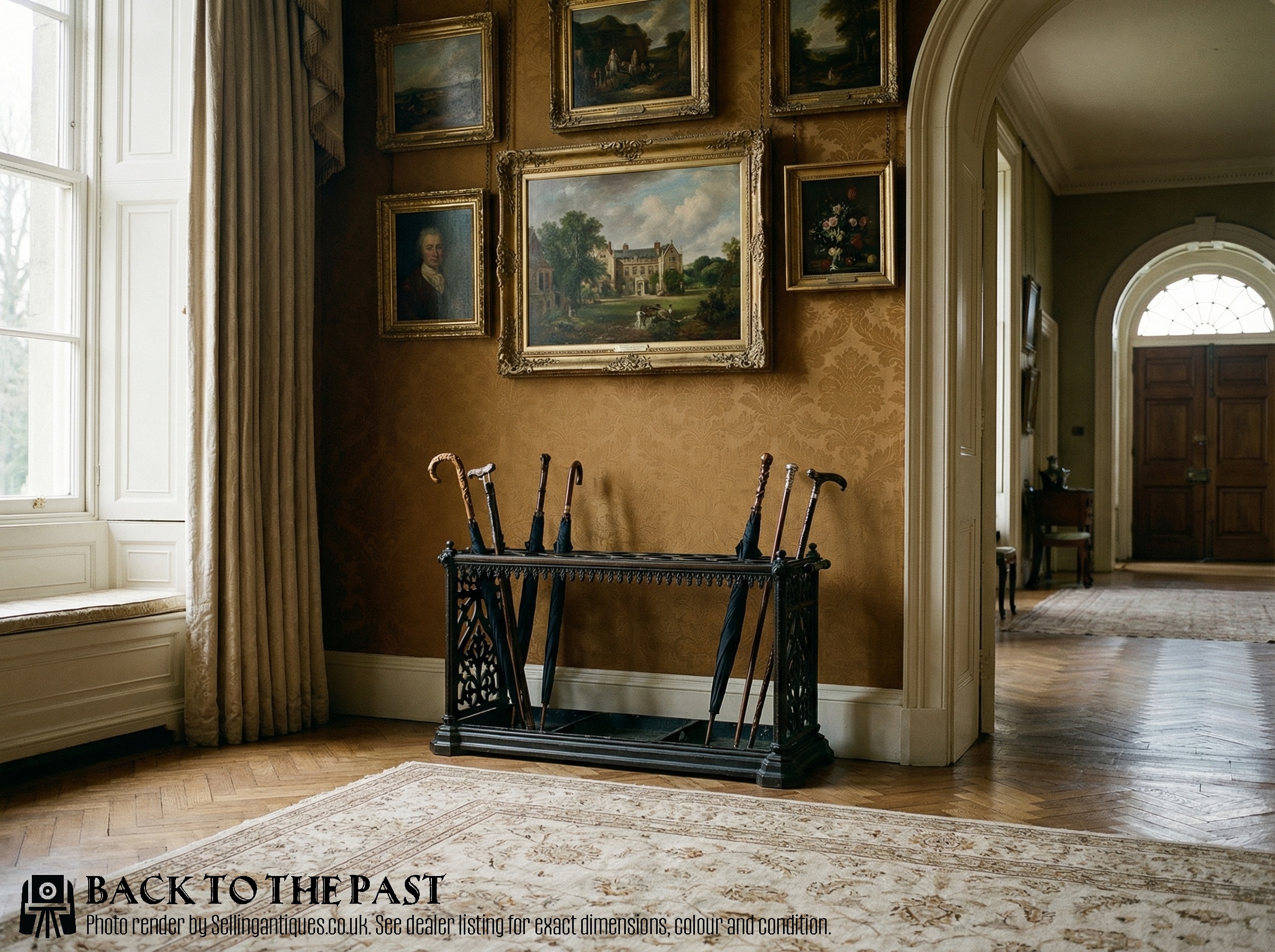
They became a standard hall fitting in the nineteenth century, when mass-produced umbrellas and canes came into everyday middle-class use and entrance halls needed somewhere for wet ones to drain. Divisions or rings to hold the shafts above a removable tray settled early and stayed put.
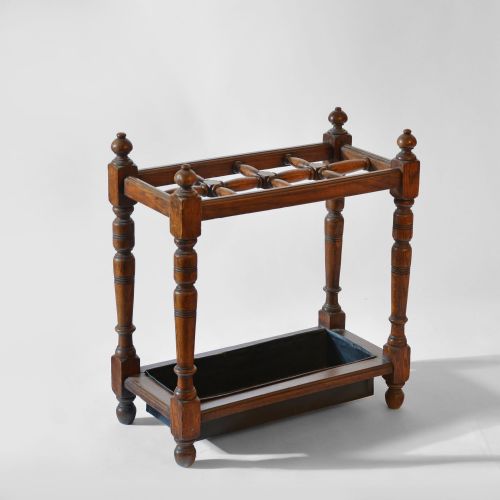
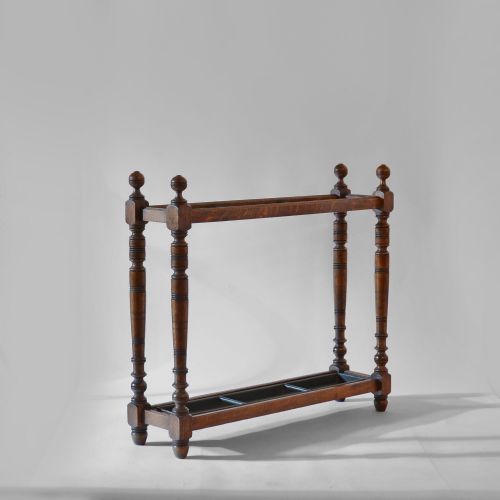
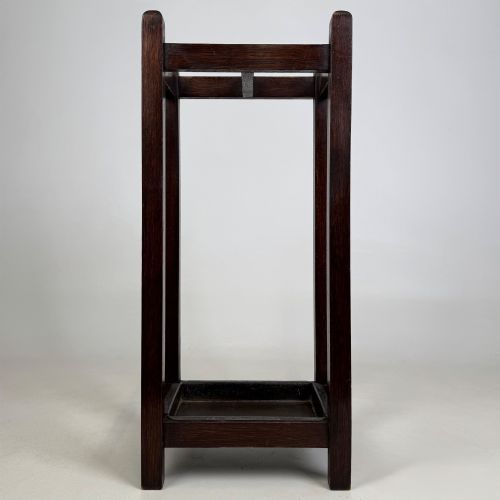
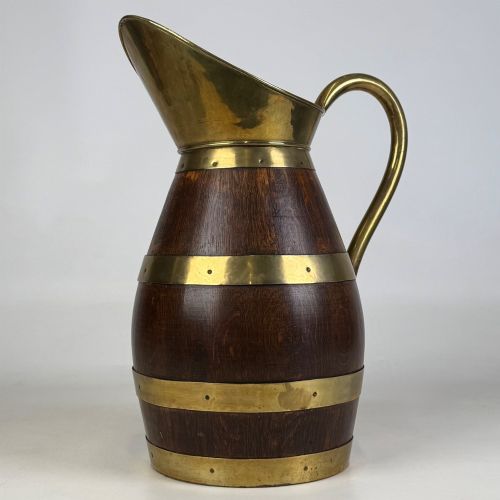
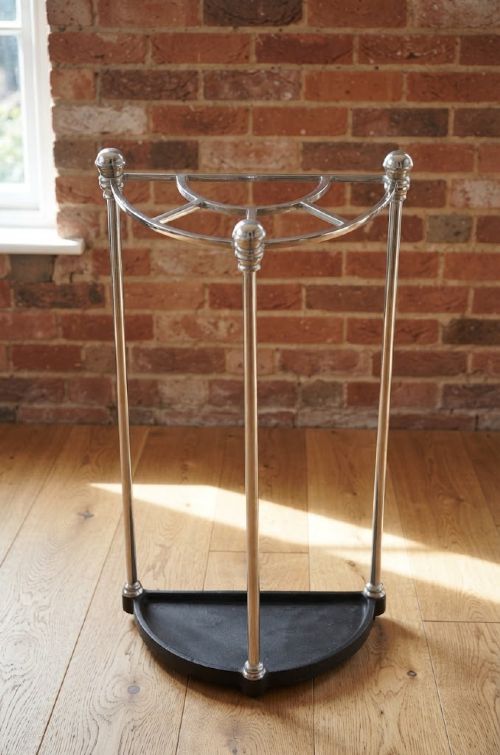
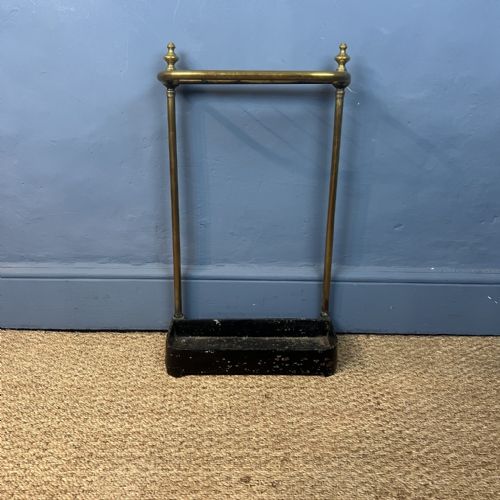
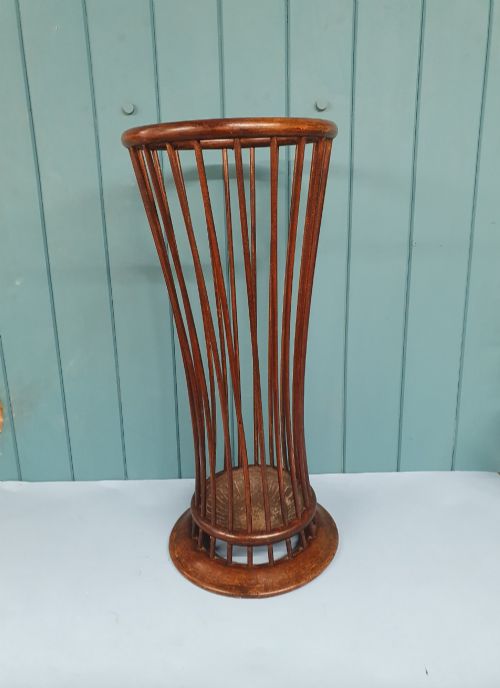
Two physical types dominate the archive. The first is a sectional frame in brass and cast iron, with compartments counted in the titles from four up to twelve and beyond. The second is a turned or coopered timber vessel, usually oak, often with brass or iron bands. Mahogany turns up too.
The commonest thing you'll meet is a Victorian brass-and-cast-iron sectional stand. Victorian appears in 227 of 690 titles and is the largest dated group, with 19th Century close behind, so dating in this category runs by era rather than by year. Anything pre-1830 is thinly represented, and the 1930s onward sit at the edges.
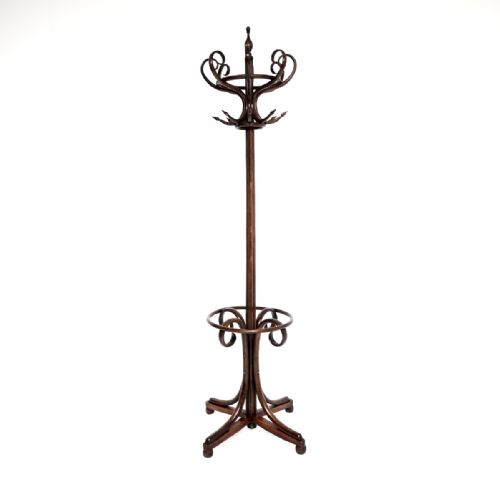
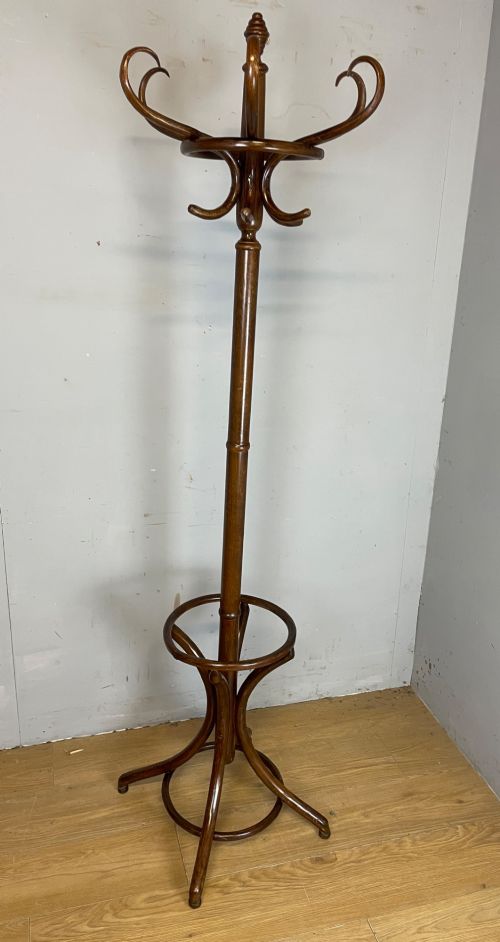
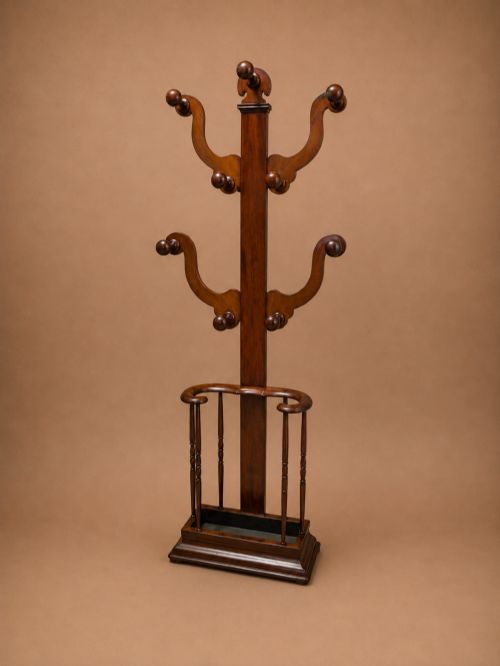
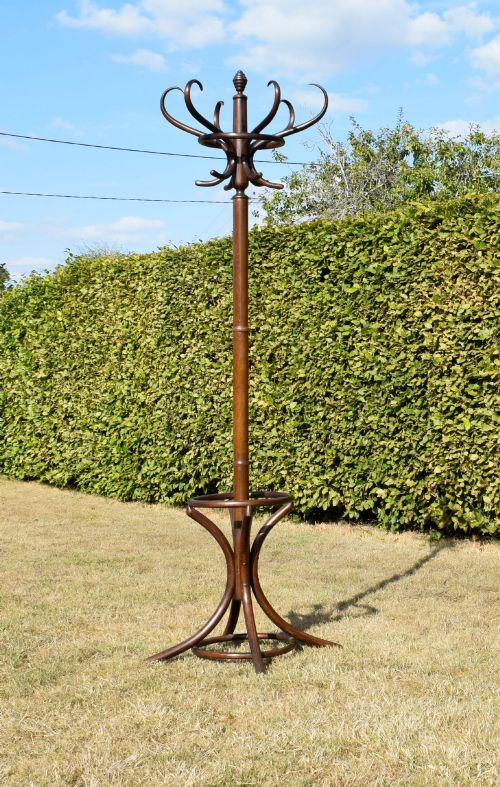
Round the edges of those two types sit cast-iron figural stands with narrative subjects, Arts and Crafts, Art Nouveau and Art Deco pieces, and bentwood or combined hall stands with hooks for hats and coats. The category is really one object under two names: 425 titles say "stick", and most of those say "umbrella" as well.
Where The Range Splits
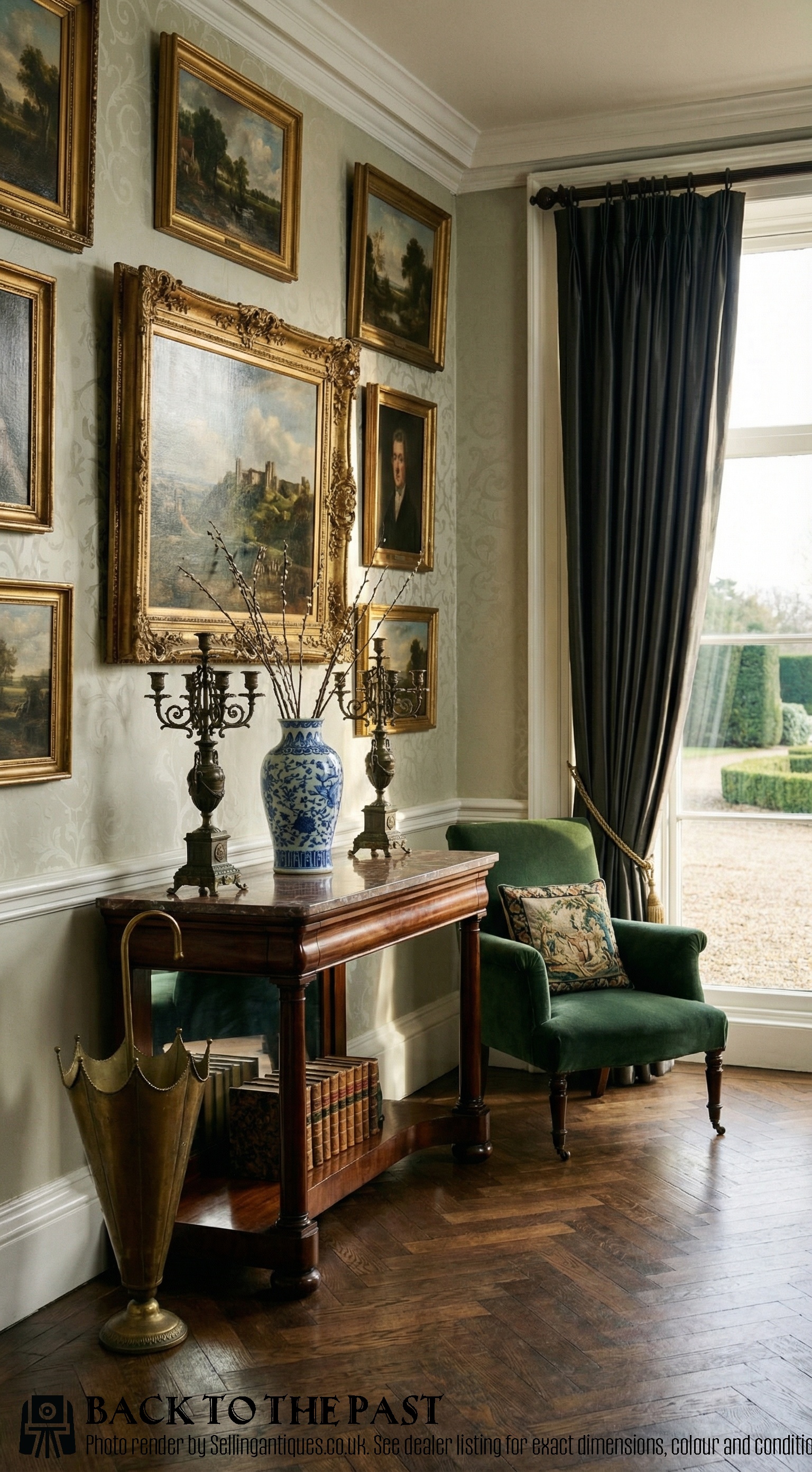
Capacity does a lot of the work. Four- and five-section pieces sit low, while twelve-section frames, a twenty-four-ring cast-iron stand and a thirty-six-hole example climb through the upper end. Scale reads the same way: large and country-house-size stands sit above the small, narrow and neat ones, and the twelve listings offering pairs sit above singles.
In cast iron, the subject matters more than the metal. Plain painted castings fill the middle and the bottom, while pattern-makers' narrative subjects lift a piece clear of them. Hercules and the serpent, Jack and the Beanstalk, Robinson Crusoe, a gun dog, a footballer, a cherub, the fox and grapes and William Wallace all appear in titles.
Carved figural woodwork tops everything. Black Forest carved bear stands appear only a handful of times, and every one sits above the rest of the archive, well clear of plain oak. Below that, solid brass and brass-bound hardwood hold their ground against painted iron and pine, and the survival of the original drip tray is advertised in titles rather than assumed.
Retail Price Guide 2026
Typical UK retail prices for umbrella stands, calculated from the Sellingantiques database of over a million retail prices indexed since 2003. This retail price guide relies exclusively on Sellingantiques data; no external sources or auction records are used, so the figures do not describe the wider market.
About sixty-seven umbrella stands are listed on Sellingantiques each year, and 155 different dealers have handled one.
The Antique Umbrella Stands Glossary
- Stick stand
- The same object as an umbrella stand. The word appears in 425 of 690 titles, usually alongside "umbrella".
- Drip tray
- The removable metal pan in the base that catches water. Listings call it a drip tray, drop tray or original tray.
- Division
- A compartment for one stick or umbrella. Titles count them, from four up to twenty-four and thirty-six.
- Demi-lune
- Half-round in plan, made to stand flat against a wall. Also written "half round" or "half moon" in titles.
- Coopered
- Built from staves like a barrel, usually oak and often with brass or iron bands round it.
- Faux bois
- Cast or carved to imitate branches or bamboo. It appears on a French cast-iron stand in the archive.
Frequently Asked Questions
Is a stick stand the same as an umbrella stand?
Yes. The same object is sold under both names, and 425 of 690 titles on Sellingantiques use the word "stick".
Most of those titles say "umbrella" as well, so the two words tend to travel together rather than describe different things.
What are most of them made from?
Brass and cast iron lead the archive, appearing in hundreds of titles between them, usually as a sectional frame with a tray dropped into the base.
Timber comes next, chiefly oak, either turned as a cylinder or coopered from staves. Mahogany, walnut, pitch pine and copper all appear in smaller numbers.
How old are the ones that come up for sale?
The dated field runs from 1800 to 1960, but Victorian and 19th Century between them cover 316 of the dated listings, so era labels do most of the dating.
Edwardian, 1880s, 1890s, 1900s, 1910s and 1920s pieces all show up in reasonable numbers. Pre-1830 examples are thin on the ground.
Do they always come with the tray?
No. Titles that advertise "original tray", "original metal drip tray" or "with drip tray" use it as a selling point, which tells you the tray isn't taken for granted.
Where it survives, the piece sits higher in the range than a comparable stand without one.
Where were they made?
England accounts for the largest group by named origin, with 65 titles, and France comes next at 32, including cast-iron and grape-hotte examples.
Scottish, Belgian, Italian, Austrian, Scandinavian, Breton, American and Japanese pieces each turn up only once or twice.
Are unusual one-offs common in this category?
They're a thin but persistent thread. Single appearances include a studio pottery stand, a white marble stand, a majolica stand, a Japanese porcelain stand, an antler coat stand, a trench-art stand and a dug-out tree trunk.
Repurposed vessels recur a little more often: leather WW1 cordite and shell carriers, French grape hottes, whisky and water barrels and leather fire buckets, all sold as stick stands.
Around 67 umbrella stands are listed on Sellingantiques in a year, and 155 different dealers have handled one.