




Antique Pianos
A domestic keyboard instrument sounding by hammers striking strings, made in grand and upright form for the drawing room, and listed alongside the stools, stands, shawls and metronomes that grew up around it.
What You're Looking At
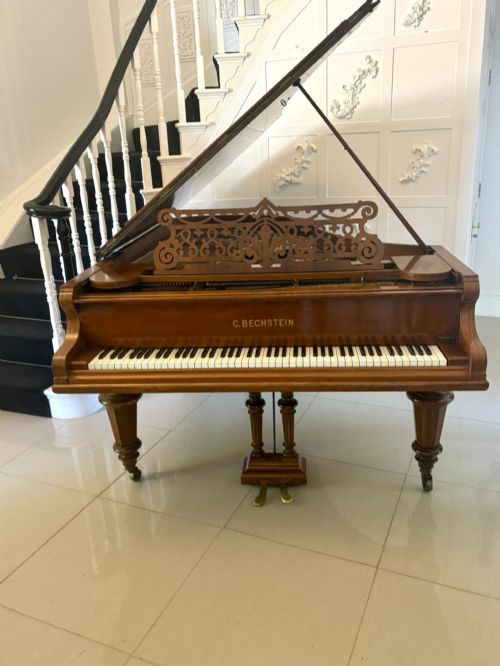
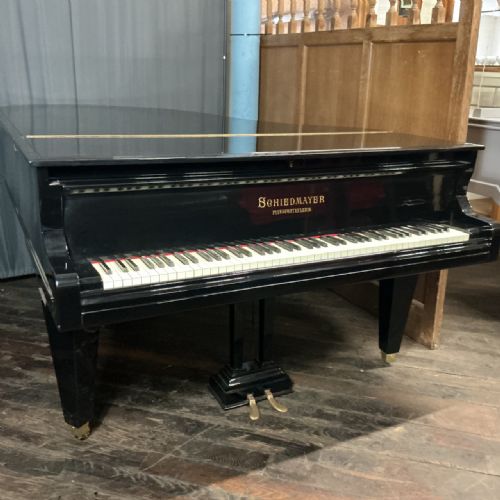
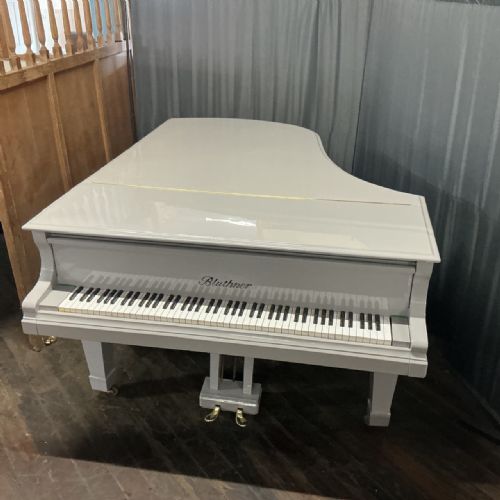
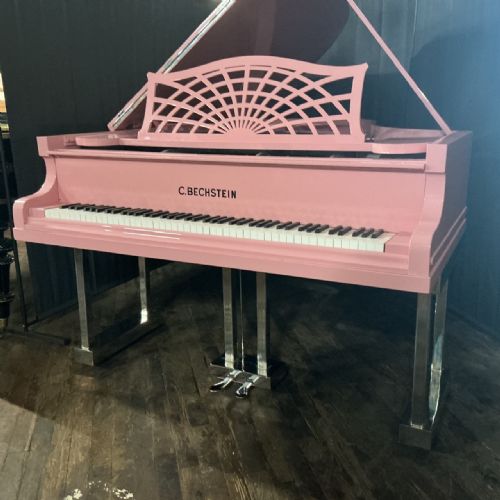
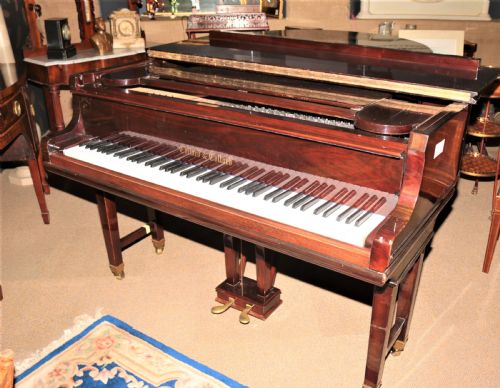
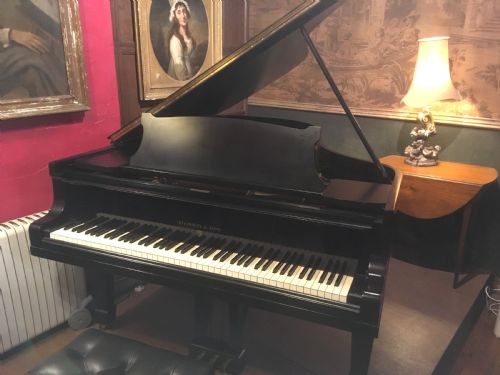
About half the listings in this category are playable instruments: grands, baby and boudoir grands, uprights, a mini piano and a square piano, cased in figured or ebonised woodwork. "Grand" is the one term that recurs across titles, in eleven of thirty-two. Uprights account for another four or five.
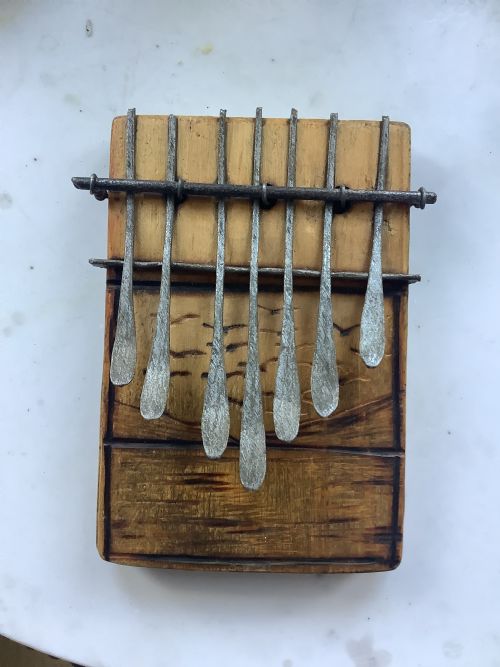
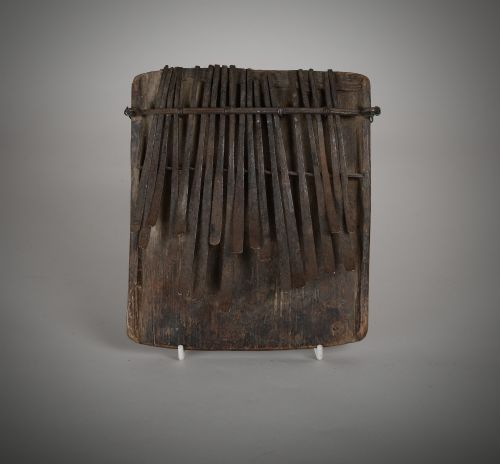
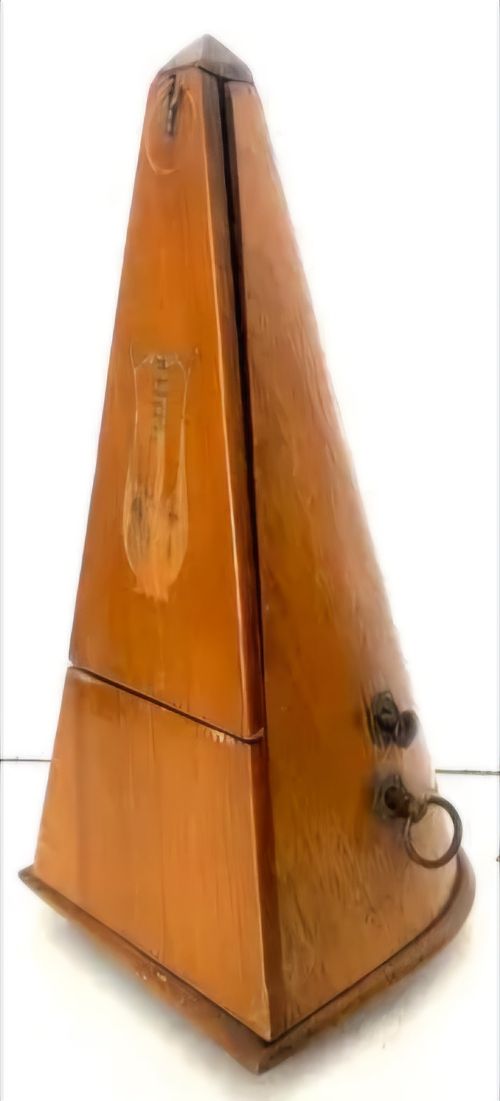
The rest are piano-adjacent. A piano-top music stand, an embroidered silk piano shawl, two metronomes, a Victorian patent music leaf turner, a child's toy piano in a faux bois case, miniature portraits mounted in piano key frames, and a set of carved mahogany caryatid and dolphin legs sold away from their instrument. Two African thumb pianos, or mbira, sit here too.
The piano itself began in early 18th-century Italy, and by the 19th century industrial making had turned the upright and the grand into standard furniture across Europe and America. Cases named in titles run to mahogany, rosewood, burr walnut, kingwood inlay, faux bois and ebonised black.
Dates run from 1850 to 1950, with twenty-two listings carrying a clean year. The 1930s is the largest single decade, so interwar grands and Art Deco cased uprights sit nearer the centre of this category than the Victorian parlour piano does. Eight listings rely on era labels like "19th Century" or "Victorian", which cover a wide stretch.
The Range
The first divide is whether the thing plays. Every listing at the top of the range is a working grand or upright; the bottom is held by key-frame portraits, a toy piano, a shawl, a music stand and a pair of legs. Fragments and accessories are collected for their carving or their needlework, not their sound.
Among instruments, format sets the order. Grands carry the whole upper range, uprights sit below them, and small formats such as a mini piano with its stool sit lower again. A named factory in the title lifts a piano well above one that reads simply "baby grand piano", though every factory named in this archive appears in one dealer's title only, so no firm can be called typical of the category.
Case work does the rest. Burr walnut, marquetry with ormolu mounts, inlaid kingwood and rosewood appear at the top; plain mahogany and ebonised finishes sit lower. A stated model or length helps too, and it is uncommon: only two listings give a size at all, one of them a 6'6" grand.
Retail Price Guide 2026
Typical UK retail prices for pianos, calculated from the Sellingantiques database of over a million retail prices indexed since 2003. This retail price guide relies exclusively on Sellingantiques data; no external sources or auction records are used, so the figures do not describe the wider market.
The 1930s is the decade named most often on Sellingantiques for antique pianos, with the broader 19th century next and the 1910s third.
The Antique Pianos Glossary
- Grand
- Horizontal piano with the strings running away from the keyboard, the case carried on three legs.
- Baby grand
- The shortest grand, built for domestic rooms. Three titles in this category use the term.
- Boudoir grand
- A grand between baby and concert length, named in two listings.
- Square piano
- Early rectangular-cased form standing on legs, one example listed with Edinburgh and London associations.
- Ebonised
- Stained and polished black in imitation of ebony, used here on a baby grand and on one metronome.
- Mbira
- African lamellophone plucked with the thumbs, catalogued under piano and appearing twice.
Frequently Asked Questions
How many pianos come up for sale?
Only about three listings a year reach this category on Sellingantiques, so it is a small archive rather than a deep one.
Twenty-one different dealers have carried something in it, close to a dealer per listing. Nobody stocks pianos in quantity.
Are grands the usual form?
"Grand" appears in eleven of thirty-two titles, including three baby grands and two boudoir grands, and grands hold the whole upper range.
Uprights account for a further four or five titles. The remainder are accessories, fragments and a pair of thumb pianos rather than instruments.
What period do these date from?
The dated field spans 1850 to 1950. The 1930s is the commonest single decade with six listings, ahead of the 1910s and 1920s.
Five listings say only "19th Century" and three only "Victorian", labels that stretch from the 1830s to 1901. One listing carries no date at all.
Why are piano legs listed on their own?
Furniture parts get separated from their instruments and sold for the carving. A set of mahogany winged-caryatid and dolphin piano legs appears in this archive without a piano.
Miniature portraits mounted in piano key frames turn up on the same principle: the piano supplies the frame, and the painting is the object.
Which case timbers are named in listings?
Mahogany, rosewood, burr walnut and inlaid kingwood all appear in titles, along with ebonised black finishes and faux bois, which is painted imitation graining.
Burr walnut, marquetry and ormolu mounts belong to the more decorated cases. Plain mahogany and ebonised work is more everyday.
Do listings give the length of a piano?
Rarely. Only two of the thirty-two state a size, one a 6'6" grand and the other an unmeasured "baby" grand.
Stated models turn up in the same small group of listings, with a Model V and a Model B named. Most titles give neither model nor measurement.