


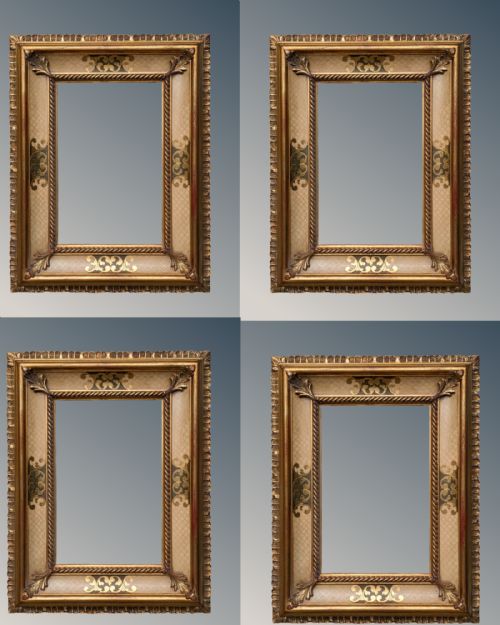

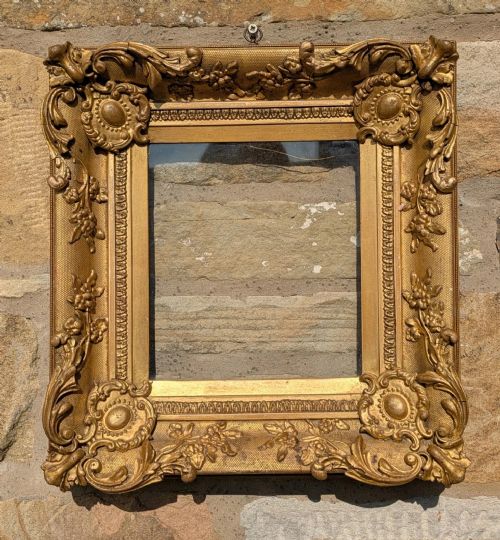
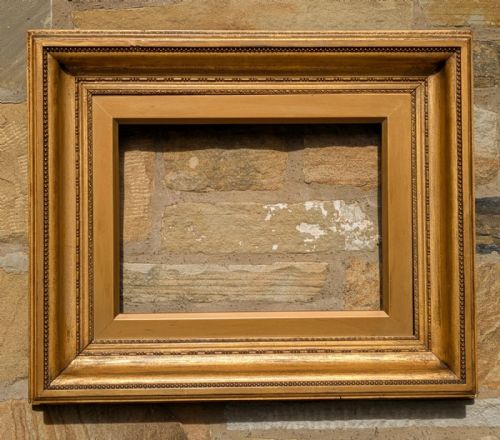


Antique Photo Frames
A small easel-backed frame made to stand a photograph on a desk, mantelpiece or piano, most often in brass.
What They Are
Stand-alone photograph frames followed commercial portrait photography from the mid-19th century, when cartes de visite and cabinet cards created demand for small easel and folding mounts on domestic furniture. The form multiplied through the later Victorian and Edwardian decades, then again between the wars.
The frame you are most likely to meet is a single brass or gilt-brass easel of roughly 1880 to 1910. Brass is named in 60 of the 217 titles in this archive, Victorian brass in 11 and Edwardian brass in 8, and titles describe ring, chain link, wire, ribbon-topped, garland-topped, cast, folding-front and two-door types.
The second block is Art Deco, and the dating profile has two peaks rather than one: 37 listings sit in the 1930s and 33 in the 1900s, with the 1880s, 1890s and 1910s each around twenty. Deco frames are named in chrome, bevelled glass, bakelite, marble, nickel plate and engine-turned silver. French ormolu and gilt bronze form a third strand, roughly a seventh of the archive, with champlev",""]}
Where The Range Splits
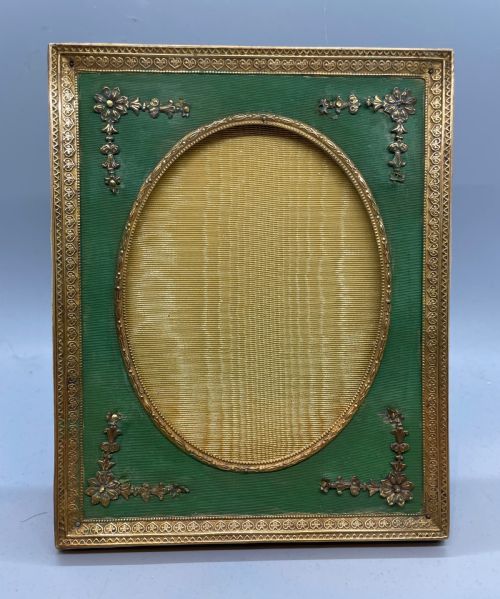
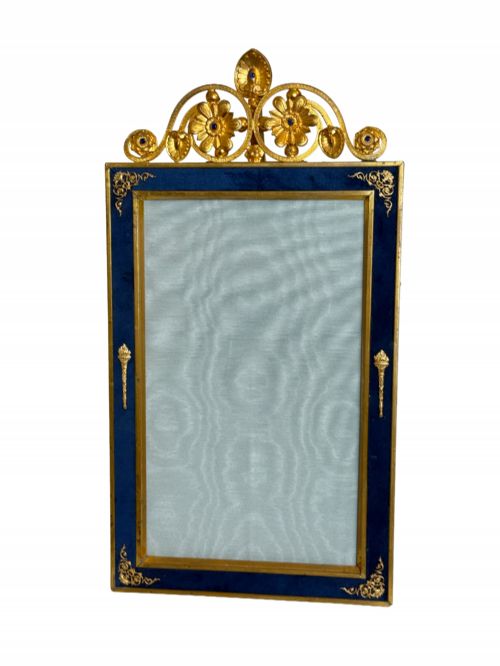
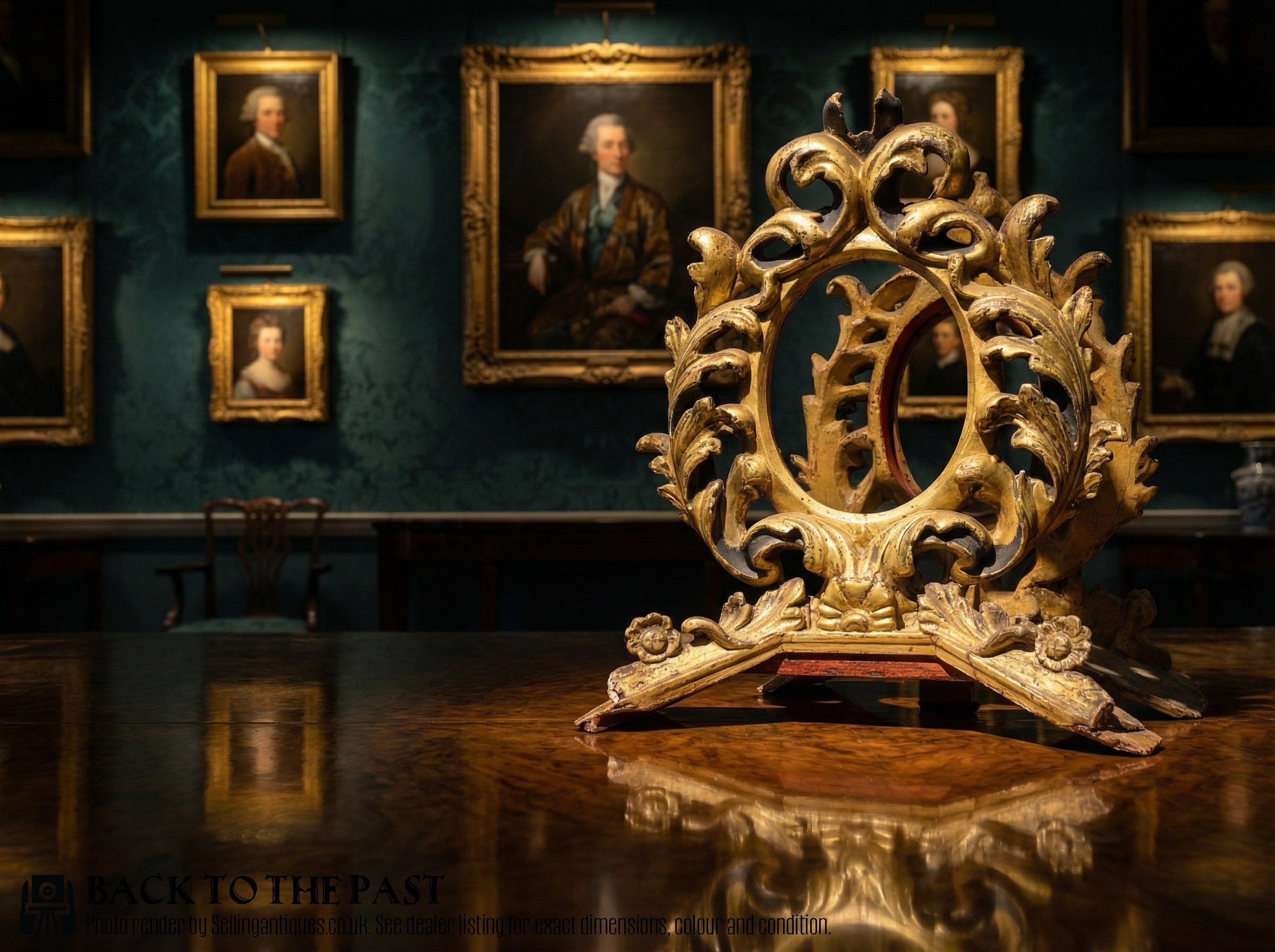
Material sets the shape of the range. Gilt bronze with champlevé enamel, hardstone, paste or micromosaic holds the top, along with Italian carved gilt work. Plain interwar frames, a bakelite frame and gesso-and-wood picture frames sit at the bottom. Between them, plain Victorian brass is the steady middle the category is built on.
Named ornament pushes a frame up hard. Titles carrying cherubs, cupid, Medusa, Napoleonic bees, paste stones or agate and hardstone mounts sit well above the listings that read simply as a Victorian brass photo frame. Scale works the same way: 'large' turns up in 21 titles, and large brass and silver-plated examples sit above their small counterparts.
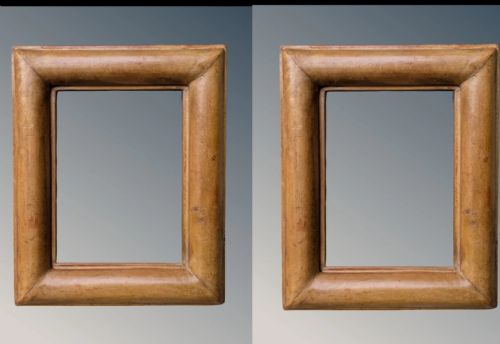
Count the apertures and count the frames. Doubles appear in 13 titles, and multiples run further here than usual, through triples, a tri-photo frame, triptychs and six-fold mounts, all sitting above single-aperture equivalents in the same material. Pairs run to 21 titles, with one collection of three Art Deco frames and one set of four Italian gilt frames. A named source in the title, whether a Rome micromosaic workshop, a Paris silversmith, a London retailer or a German metalware firm, lands in the upper part of the range.
Retail Price Guide 2026
Typical UK retail prices for photo frames, calculated from the Sellingantiques database of over a million retail prices indexed since 2003. This retail price guide relies exclusively on Sellingantiques data; no external sources or auction records are used, so the figures do not describe the wider market.
The most expensive photo frame ever sold on Sellingantiques was a pine needle glass frame, in July 2021.
The Antique Photo Frames Glossary
- Easel frame
- A frame with a hinged strut at the back so it stands on a surface. Titles may say easel or free standing.
- Ormolu
- Gilded bronze or brass, named in 14 titles and concentrated in the French frames.
- Gilt brass
- Brass with a gold finish. Gilt appears in 29 titles, gilded in a further nine.
- Rebate
- The recessed lip at the back that the glass and photograph sit into. One wood frame in the archive is described by its internal rebate at 45 x 65 cm.
- Piqué
- Inlaid silver pinwork set into tortoiseshell, recurring across the tortoiseshell frames.
- Sorrento ware
- Italian inlaid woodwork from the Sorrento area, on two frames in this archive.
Frequently Asked Questions
What material are most antique photo frames?
Brass dominates. It is named in 60 of the 217 titles on Sellingantiques, ahead of gilt, silver, bronze and ormolu.
After brass, the Art Deco group brings in chrome, bakelite, marble, nickel plate and bevelled glass. Tortoiseshell, crocodile and tooled leather form a smaller, steady seam.
Which periods do these frames come from?
The dated field runs from 1870 to 1960, and 151 of the 217 listings carry a clean year.
There are two peaks. The 1930s account for 37 listings and the 1900s for 33, with the 1880s, 1890s and 1910s each around twenty. Later entries dated 1940 and 1960 are framed photographic material rather than frames.
How many come up for sale each year?
Around 22 come to market in a year, and 72 different dealers have listed one.
That spread says something about the category: almost every dealer carries a frame at some point, and nobody specialises in them.
Are pairs and multi-aperture frames common?
Pairs run to 21 titles, alongside one collection of three Art Deco frames and one set of four Italian gilt frames.
Multiple apertures go further here than in most frame categories. Beyond the 13 doubles there are triples, a tri-photo frame, triptychs, and both an Edwardian and a brass six-fold frame.
Why are picture frames listed in this category?
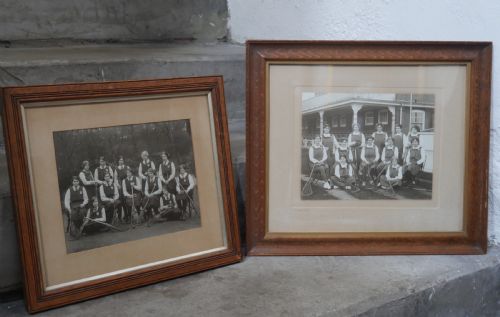
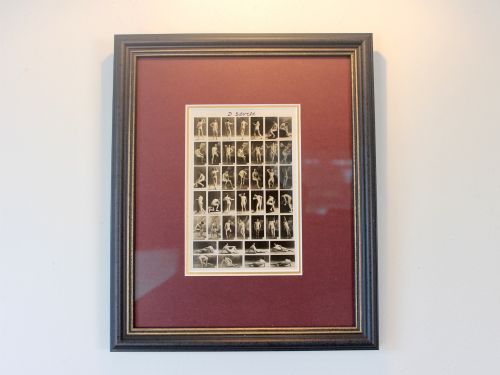
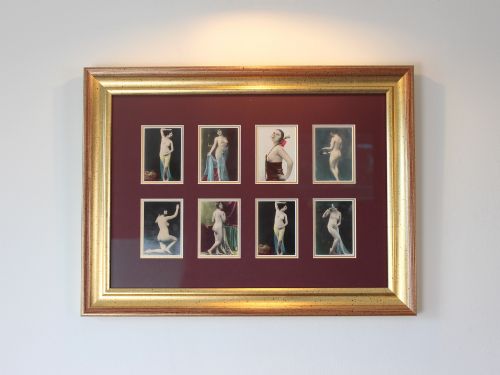
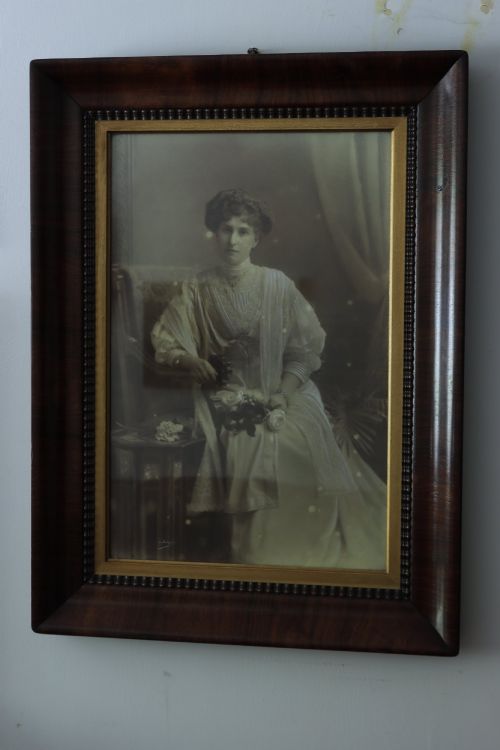
A fifth of the listings are picture frames or framed photographs rather than photograph frames, and that share is rising in current stock.
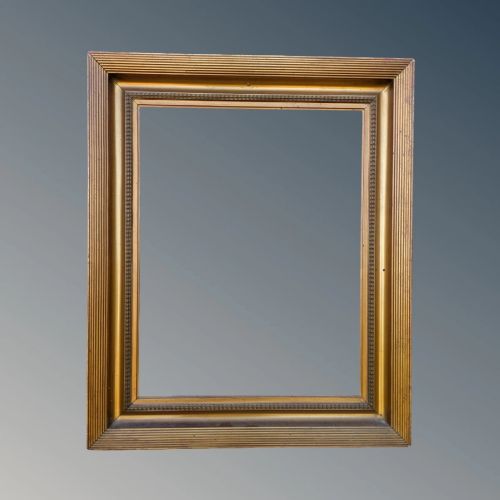
They include gesso and carved wood picture frames, mounted sepia photographs, autochromes and framed studies. The two entries filed as 18th century and the one filed as 17th belong to this group.
What unusual forms turn up?
The odd ones appear once each. A folk-art string frame in an octagram star, a six-fold travelling brass mount holding an 1878 miniature almanac, a carte-de-visite table-top display box frame.
There is also an Art Deco skyscraper frame, a toucan frame, a cold-painted bulldog with a frame attached, and a Venetian glass frame described as very large.
Uncommon origins show the same pattern: Kashmiri walnut, carved Indian ebony, Biedermeier birds-eye maple, and Italian micromosaic, pietra dura and Sorrento ware.