


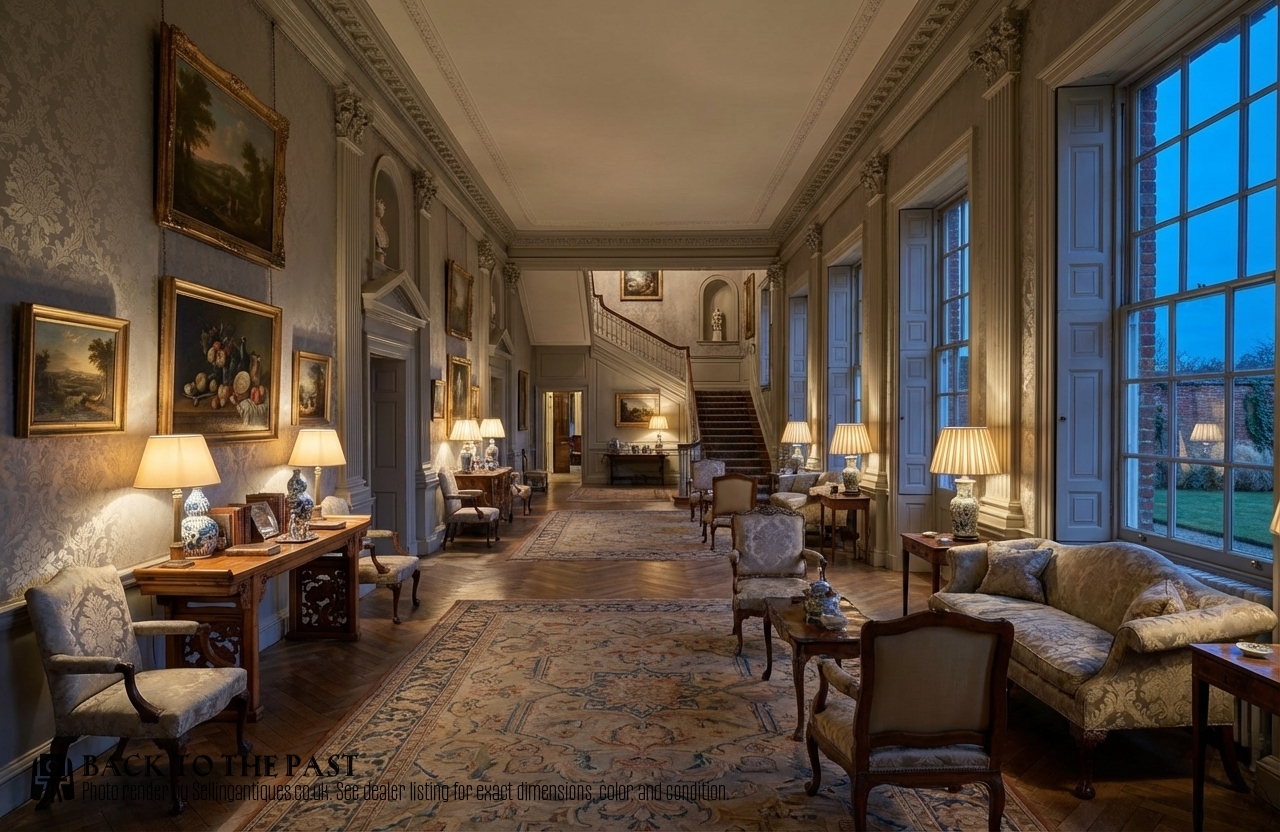
A 2026 Guide by Sellingantiques
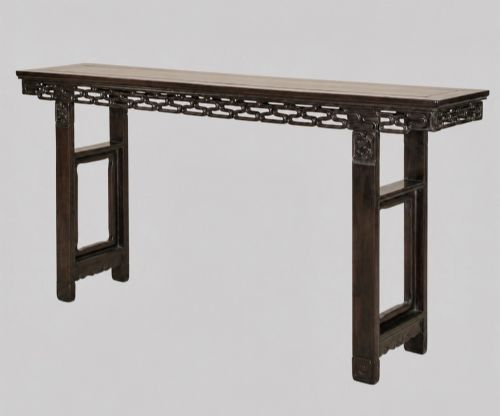
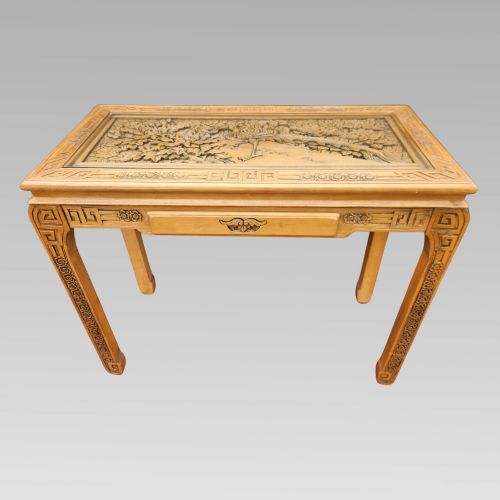
Chinese Altar/ Console Table, 19th Century
Priced at £950 from Sinclairs Antiques and Interiors
Chinese households frequently arranged their reception spaces around these long surfaces.
Most surviving antique altar tables turn up from the late Qing dynasty.
The narrow proportions actually stem from older Ming dynasty painting tables, adapted later for household shrines.
Check the ends. Flanged tips feature heavily in northern regional pieces while southern tables often stay flat.
Individual village carpenters rarely left any signature or maker's mark on their work.
Provincial workshops operating across Shanxi supplied local families using established regional templates rather than custom designs.
Construction proportions followed strict traditional workshop rules instead of encouraging individual artistic flair.
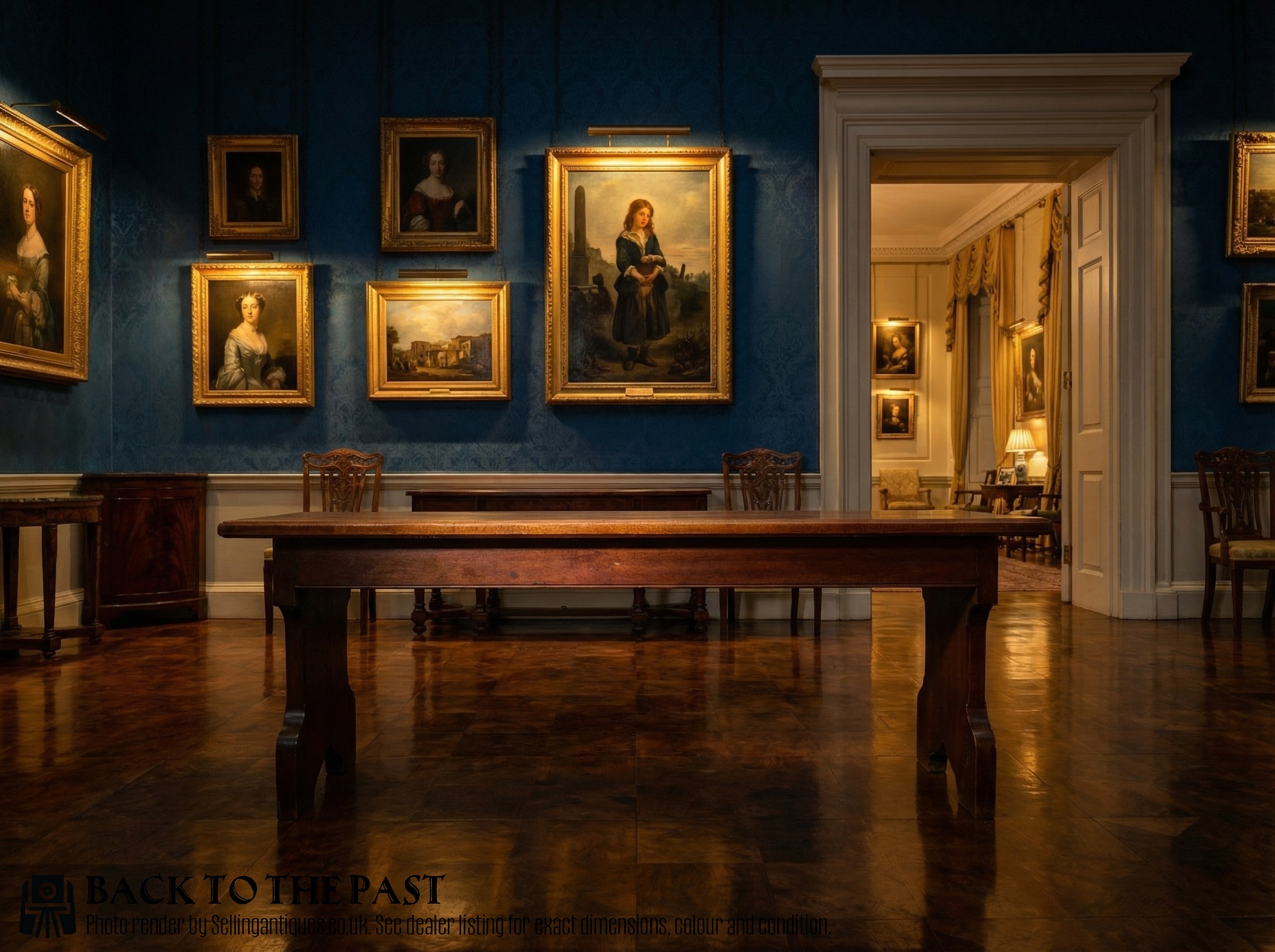
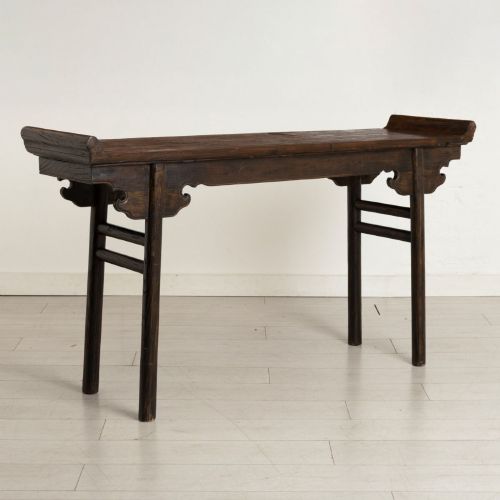
Large Solid Oak Alter or Serving Table, 19th Century
Priced at £1,650 from Tom Scott Antiques
The 2026 retail price guide for Antique Altar Tables is drawn from a proprietary archive of over 1.1 million retail prices indexed by Sellingantiques since 2003. This guide relies exclusively on their own internal data; no external sources or auction records are used.
Analysing nearly 25 years of UK antique market history alongside current retail values, the data indicates that typical UK retail prices for Antique Altar Tables range between £600 and £2,600. Entry-level prices generally fall under £600 and premium examples upwards of £2,600.
Everted flanges sweeping upwards at the ends of the surface.
A floating central board sits inside the main top frame to allow for seasonal wood movement.
Recessed legs sit set back from the corners and often splay outwards towards the base.

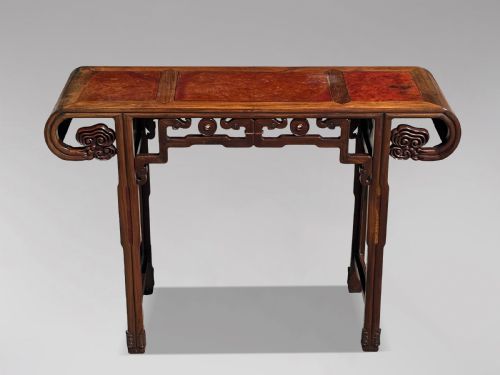
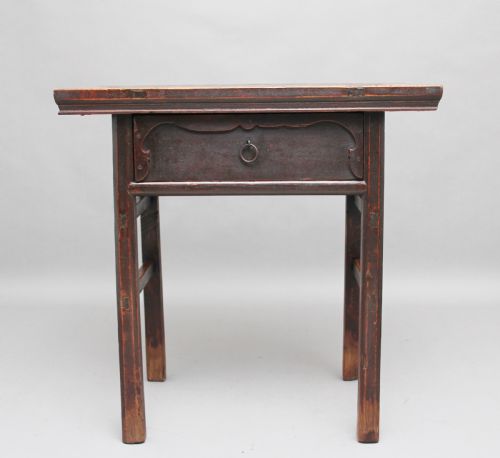
Chinese Altar Table, 19th Century
Priced at £2,245 from Shackladys Antiques
Cabinetmakers concealed complex interlocking joints inside the flush surfaces of the legs and frame.
Mortise and tenon joints hold the heavy timber sections together without using iron nails.
Look closely at the joints. Wooden pegs often lock the hidden tenons firmly into place.
"The dramatic upturned ends trace their shape directly back to the sweeping curves of traditional temple roofs."
"Hidden drawers sometimes sit flush within the front apron to hold matches and ceremonial supplies."
"Households traditionally positioned them facing the main entrance of a room to greet arriving guests."
Based on almost 25 years of Sellingantiques UK antique market data, Antique Altar Tables appeared 352 times (out of 1,100,000 antiques) which gives it a rarity score of 93/100.
This score measures scarcity within the Sellingantiques archive only and is not a survey of the entire antiques market, so these statistics may not be indicative of the general availability of Antique Altar Tables elsewhere.
Metal hardware on these tables tends to be structural rather than just decorative. You will often see brass or iron straps wrapping around the corners of the top frame.
These mounts brace the vulnerable joints where the heavy timbers meet. They help hold the mortise and tenon connections tight as the wood moves over the years.
Many antique altar tables have a thick lacquer or dark stain applied over the primary timber. This finish was traditional in northern Chinese provinces to seal the grain against harsh weather.
Elm is the most common wood hiding under those dark layers. You can sometimes spot the broad grain pattern on the underside of the table where the finish has worn thin.
They take two people to lift safely.
The solid timber frame and thick top panels carry serious weight.
A television rarely causes problems for these surfaces. The frame of an antique altar table is engineered to carry significant weight through the thick legs directly to the floor.
The central floating panel is the only vulnerable part. If you place a very heavy object directly in the middle, the panel might bow. Ensure the weight rests over the thick outer frame sections.
Please note: This Antique Altar Tables guide and its associated pricing data are provided for general informational purposes only. It does not constitute formal financial, investment, or appraisal advice and should not be relied upon as the sole basis for any commercial activity, purchasing, or sales decisions. Sellingantiques.co.uk accepts no liability for any actions taken in reliance on this information. Always consult with a qualified professional or independent appraiser.
