


A 2026 Guide by Sellingantiques
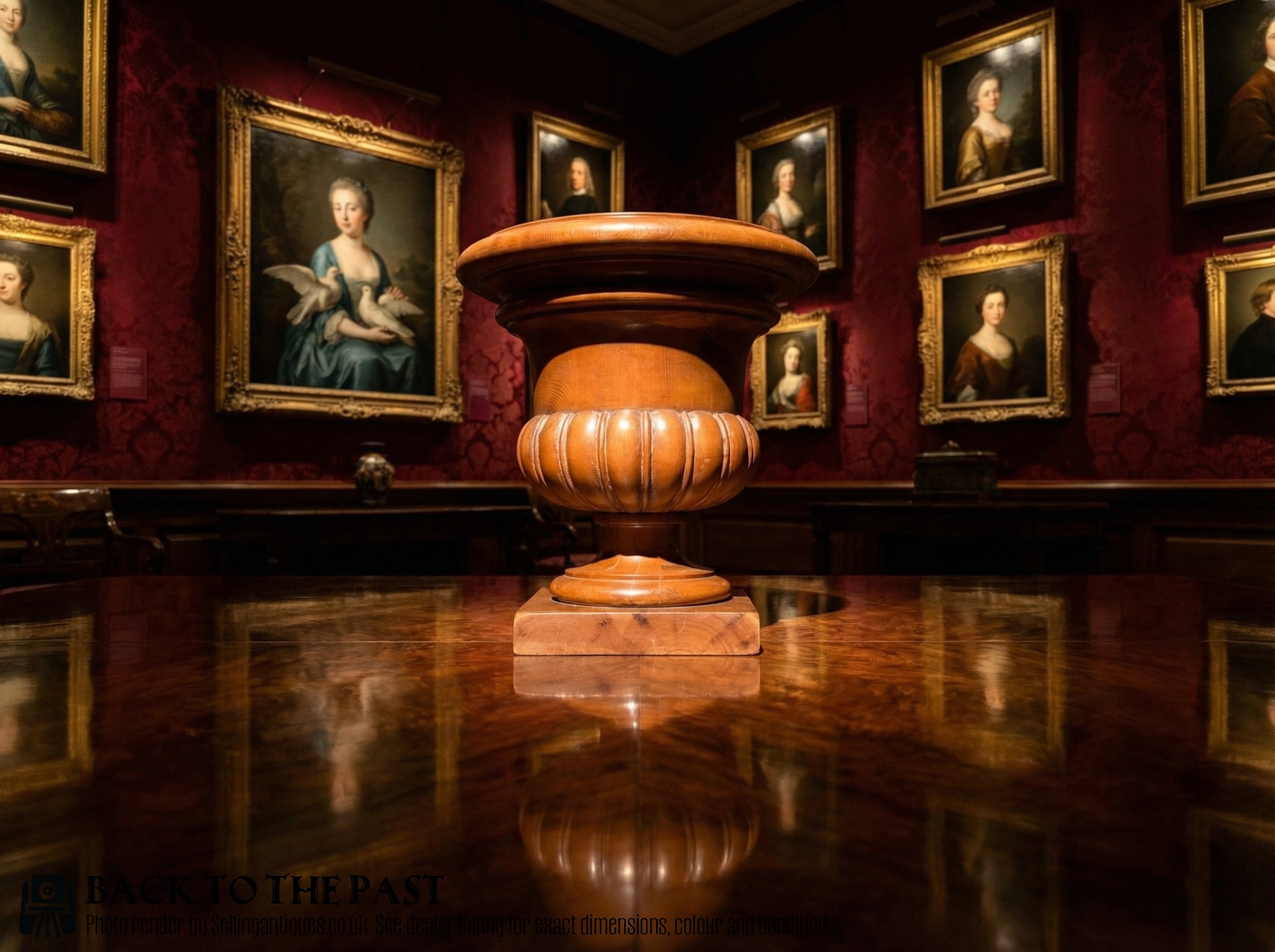
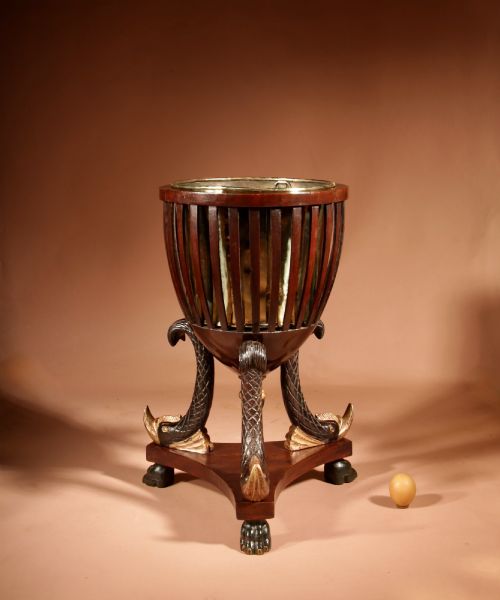
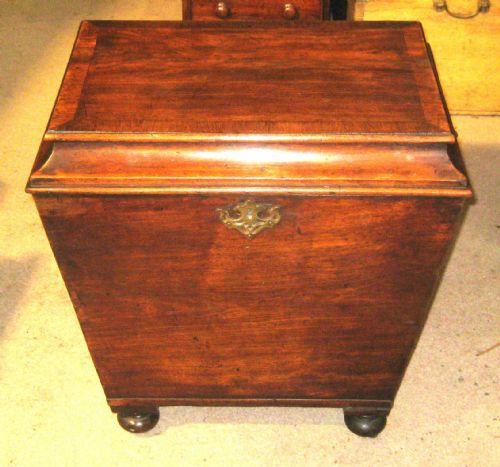
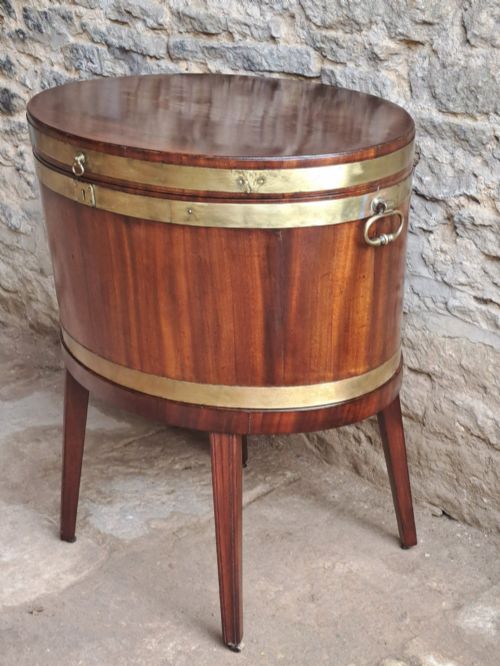
19th Century English Pine Wine Cooler/jardiniere, 19th Century
Priced at £1,380 from Jake Wright Antiques Ltd.
Dining habits shifted in the eighteenth century. Hosts started keeping chilled bottles close to the table rather than relying on servants fetching them from the cellar.
Early antique wine coolers often matched the dining room suite. You see them designed to sit neatly beneath a matching sideboard.
Cellarets and coolers served slightly different roles. The open tubs held ice and water, while lidded versions usually stored dry bottles.
Mahogany became the default choice during the Georgian period. The dense timber handled the damp conditions well.
Look at the evolution of shapes. They moved from simple brass-bound ovals to heavy sarcophagus forms by the Regency period.
Thomas Chippendale supplied high-end mahogany coolers during the mid-eighteenth century. His firm documented several elaborate commissions for grand houses.
Gillows of Lancaster and London made numerous examples between 1770 and 1830. Their sketchbooks show designs ranging from simple ovals to carved sarcophagi.
Paul Storr crafted massive silver and silver-gilt wine coolers during the Regency. His workshop supplied the Royal household with these heavy classical urns.

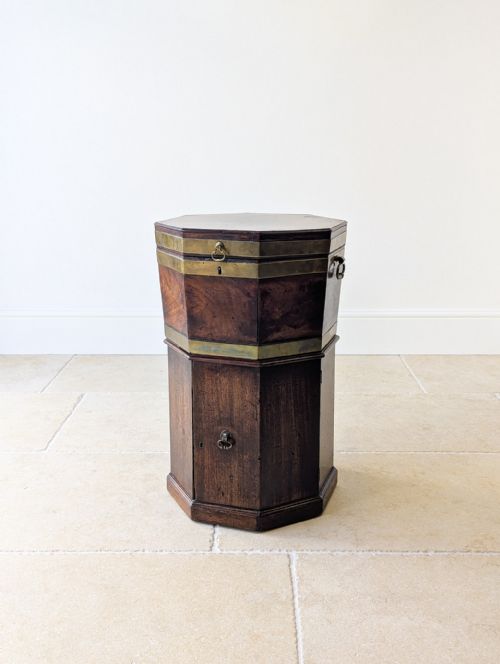
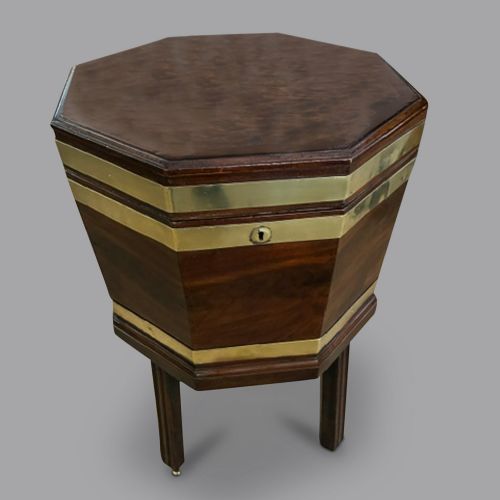
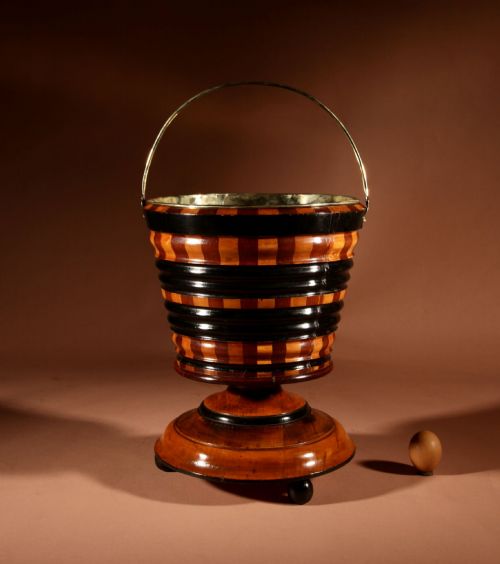
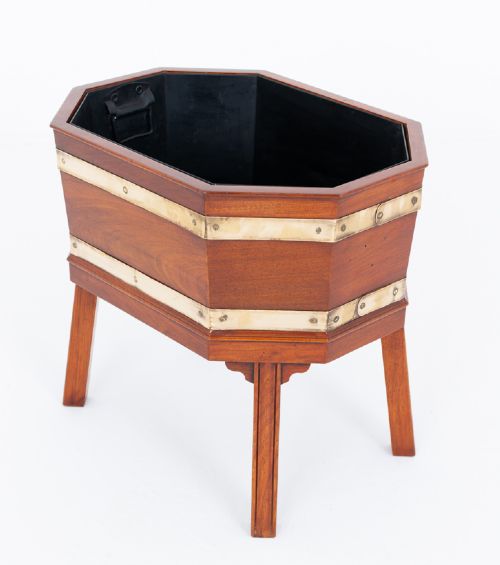
Antique Period Regency Mahogany Cellarette/wine Cooler, Regency
Priced at £2,200 from David Wolfenden Antiques
The 2026 retail price guide for Antique Wine Coolers is drawn from a proprietary archive of over 1.1 million retail prices indexed by Sellingantiques since 2003. This guide relies exclusively on their own internal data; no external sources or auction records are used.
Analysing nearly 25 years of UK antique market history alongside current retail values, the data indicates that typical UK retail prices for Antique Wine Coolers range between £600 and £3,900. Entry-level prices generally fall under £600 and premium examples upwards of £3,900.
Check the base for a drain hole or brass tap. Letting the melted ice out without tipping a heavy tub was essential.
Strong castors often sit at the end of the legs. Servants needed to roll the heavy, water-filled coolers around the dining room.
Lion mask ring handles flank the sides of many Georgian models. They offer a secure grip for lifting the empty piece.

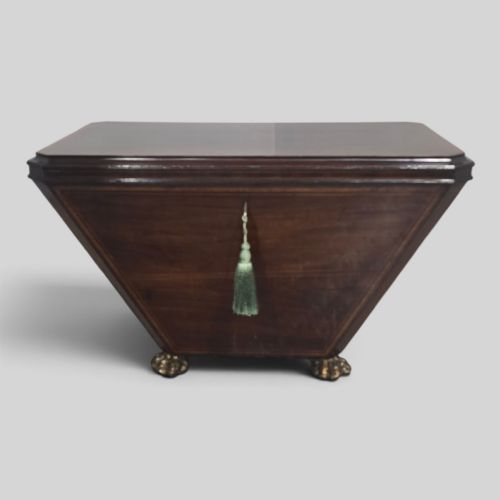
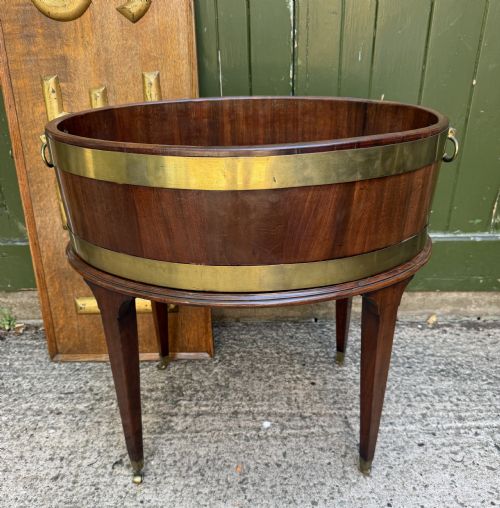
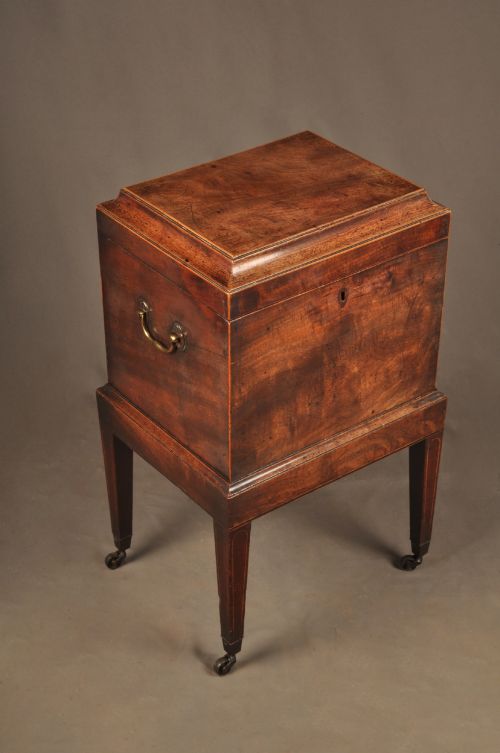
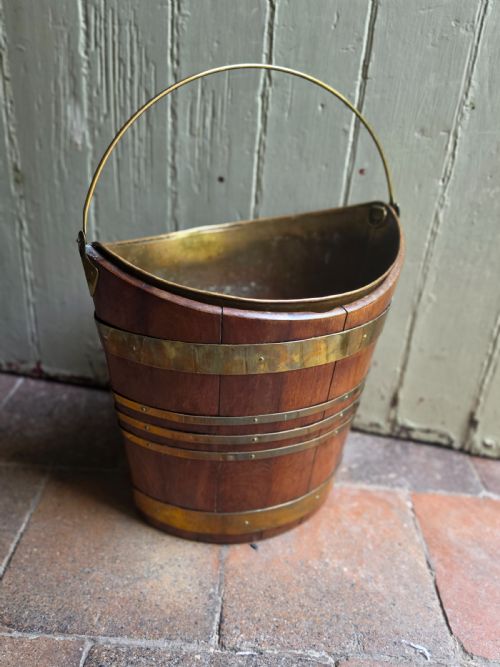
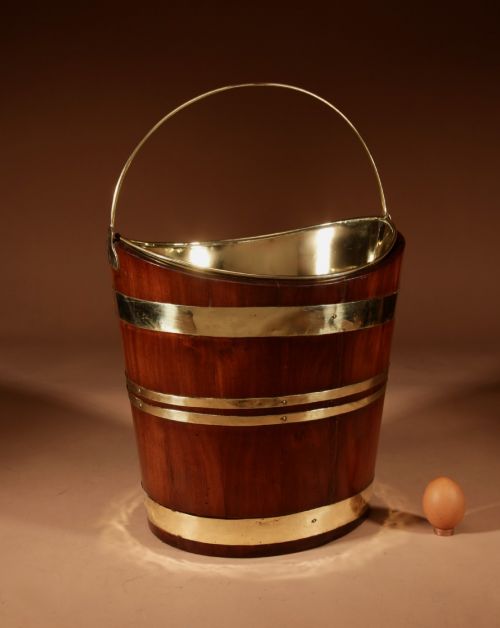
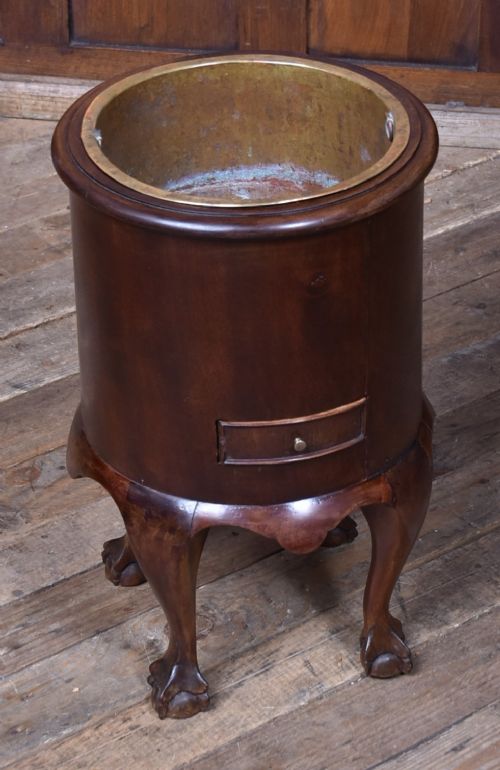
George III Mahogany Wine Cooler, Georgian
Priced at £925 from Sinclairs Antiques and Interiors
Coopers and cabinet makers both made wooden coolers. Staved oval tubs show cooperage, while flat-sided veneered boxes fall to the cabinet maker.
Turn it over to examine the base block. Solid mahogany blocks carved into lion paws took great skill to shape and attach securely.
Metal workers chased and repousséd the silver examples. They pushed the metal from behind to form high-relief grapes and vine leaves.
"Some designs incorporated hidden castors inside the feet. This allowed smooth movement without ruining the classical profile of the carved wood."
"Dining etiquette meant the tub sat directly on the floor. Guests admired the top details rather than looking at the sides."
"Many early versions served a dual purpose as plate warmers. Servants swapped the ice for a hot iron heater before the meal began."
Based on almost 25 years of Sellingantiques UK antique market data, Antique Wine Coolers appeared 1952 times (out of 1,100,000 antiques) which gives it a rarity score of 68/100.
This score measures scarcity within the Sellingantiques archive only and is not a survey of the entire antiques market, so these statistics may not be indicative of the general availability of Antique Wine Coolers elsewhere.
Wipe it with a damp cloth. The lead is soft and scores easily if you use abrasive modern cleaners.
Dry the interior thoroughly. Sitting moisture encourages a white powdery oxidation on the metal surface.
Those gaps are standard shrinkage in coopered examples. The wood staves lose moisture over the centuries and pull away from each other. The brass bands usually hold everything structurally stable.
Filling the gaps often causes problems later. If the wood absorbs moisture from the air and expands, the rigid filler acts like a wedge and forces the joints further apart. Leaving them alone is safer.
Most Georgian examples will. Eighteenth-century wine bottles were quite squat and wide, so the compartments or open tubs tend to have plenty of room for modern champagne shapes.
You might struggle with the specific internal dividers on some later cellarets. Those were sometimes tailored for tall, slender claret bottles. Check the internal grid dimensions first.
Leave it alone. Most antique taps are seized solid after decades of disuse. Forcing the handle usually snaps the brass spindle or shears the housing away from the wood.
If you plan to use it with ice, line the interior with a bespoke plastic tray. You can lift that out to empty the water without relying on the antique plumbing.
Please note: This Antique Wine Coolers guide and its associated pricing data are provided for general informational purposes only. It does not constitute formal financial, investment, or appraisal advice and should not be relied upon as the sole basis for any commercial activity, purchasing, or sales decisions. Sellingantiques.co.uk accepts no liability for any actions taken in reliance on this information. Always consult with a qualified professional or independent appraiser.
