



Antique Kettles
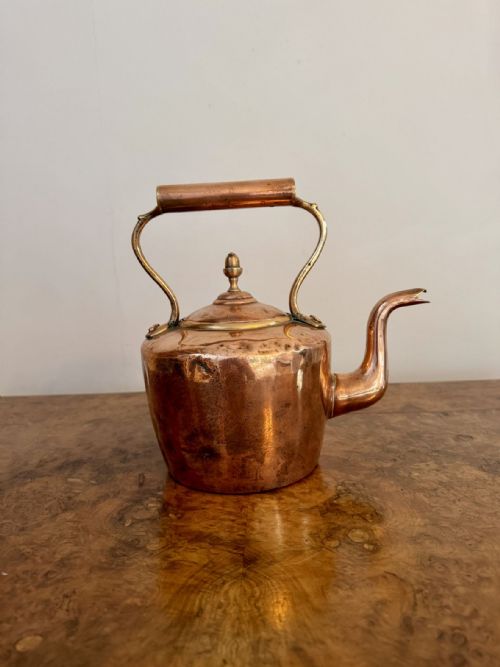
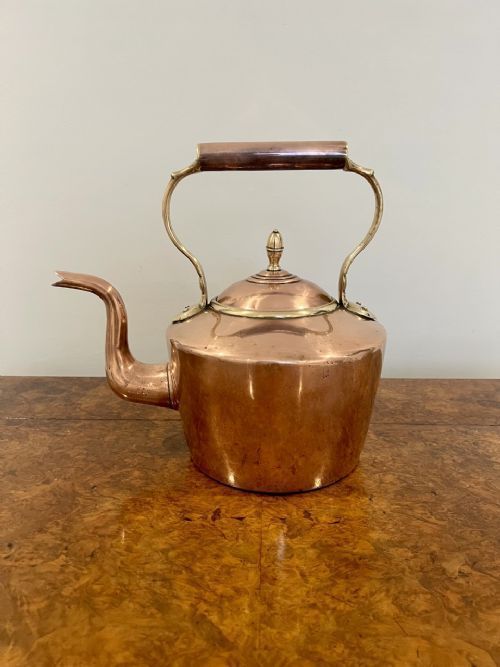
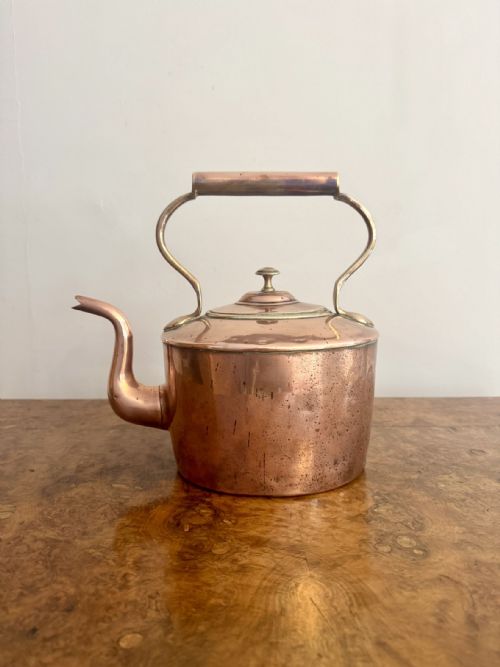
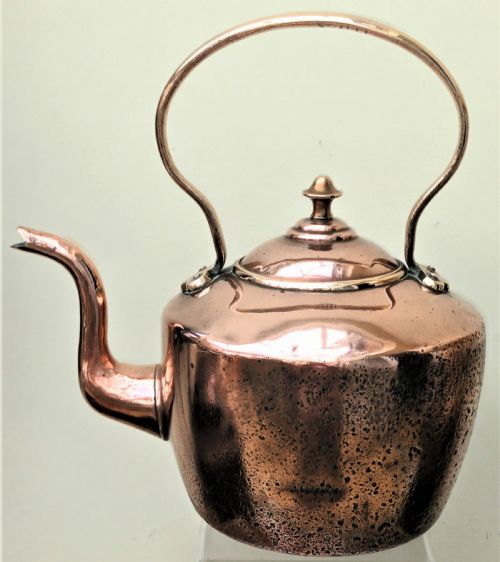
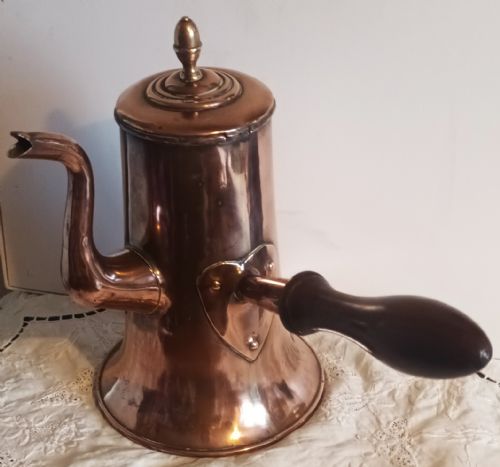
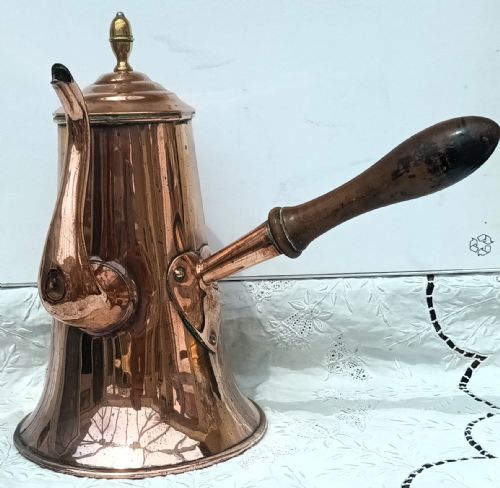
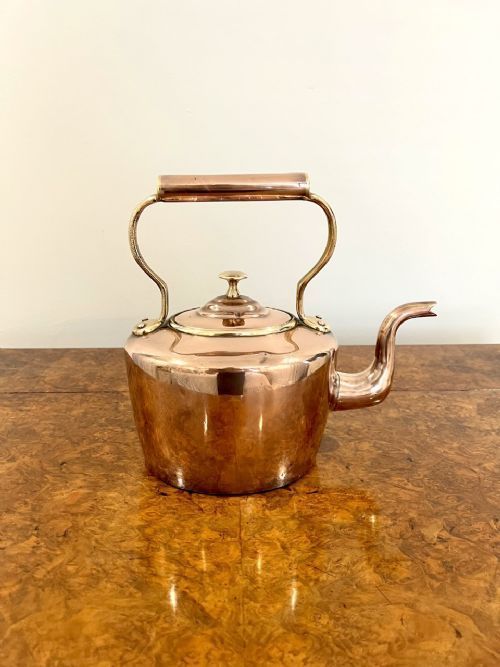
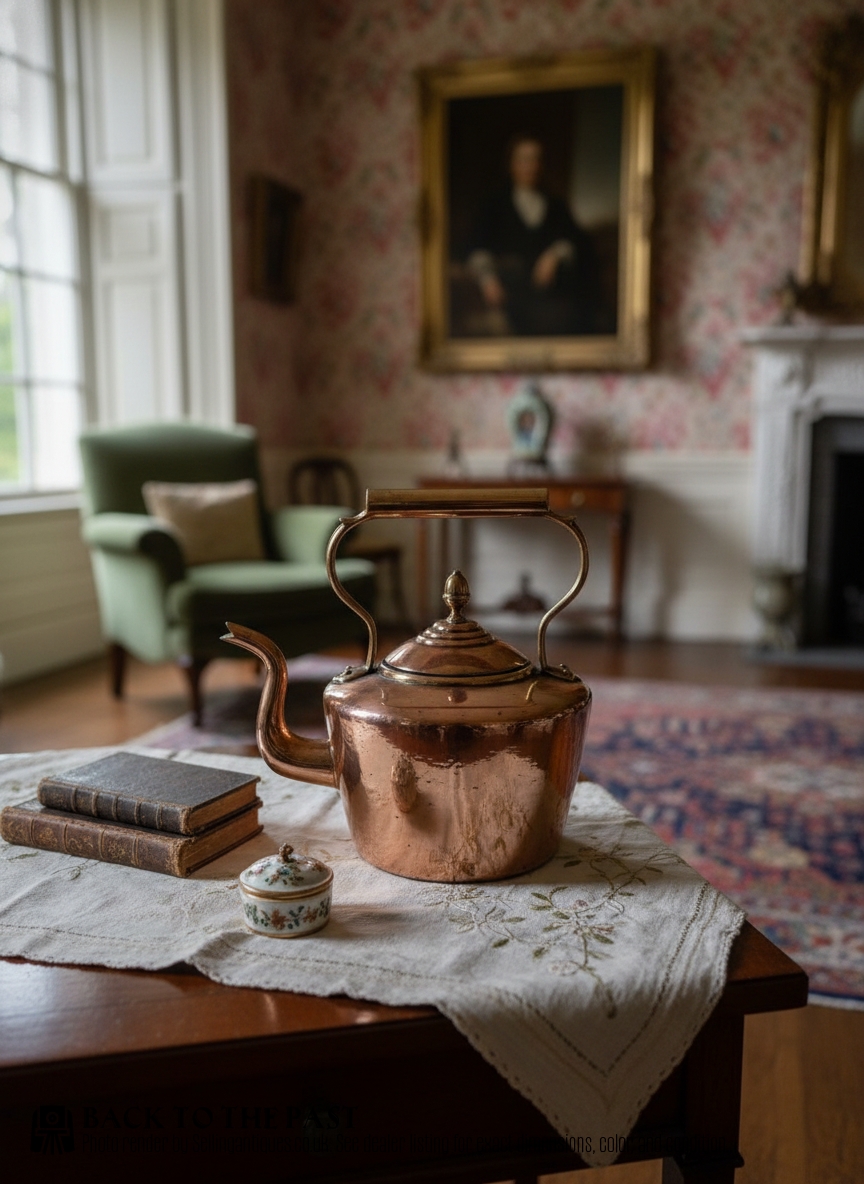
A hand-raised copper pot with a spout, lid and swing handle, made to boil water over a fire or hob.
Antique Kettles
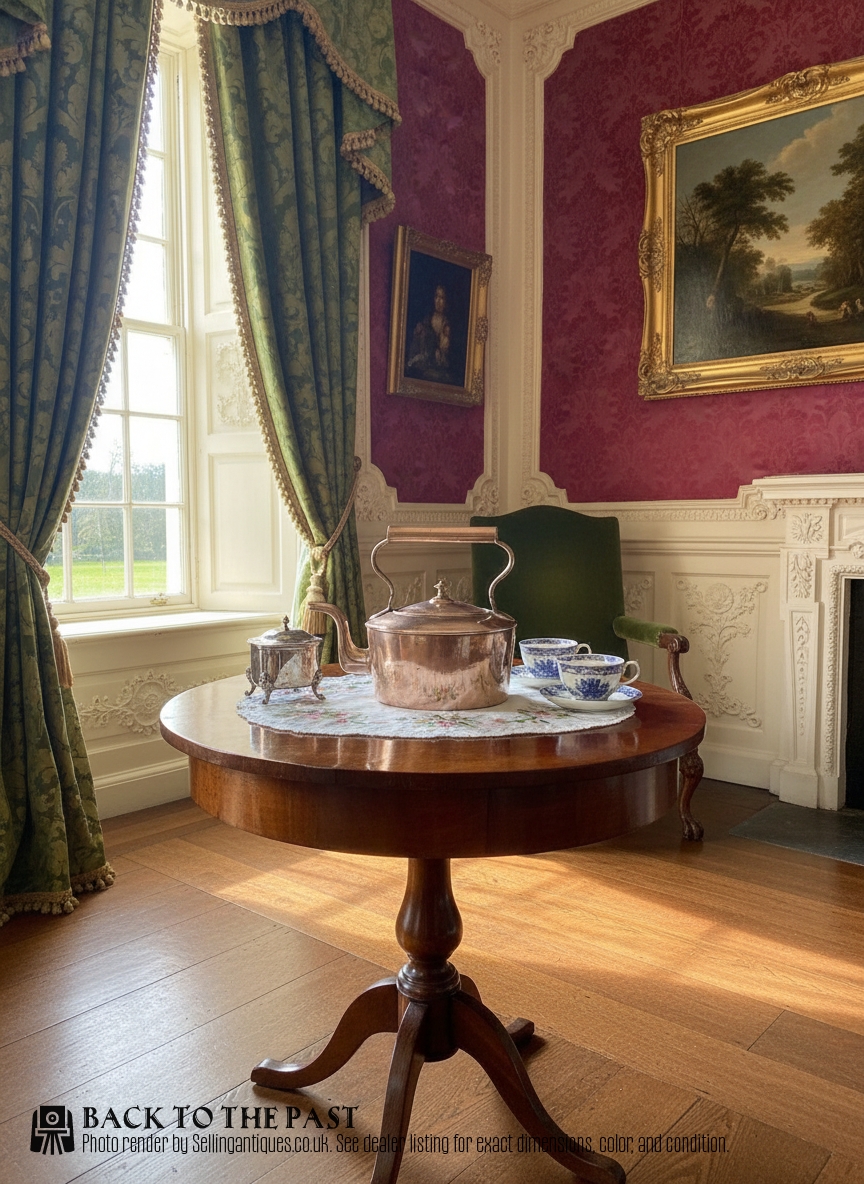
Copper is close to a defining condition of this category. Of 190 titles on Sellingantiques, 154 name copper, against 33 for brass and only a handful for iron, bronze or painted tinware. The form was standard British kitchenware from the eighteenth century, when tea drinking spread and copper and brass were the usual metals for hollowware.
The kettle you are most likely to meet is a plain domestic tea kettle of bulbous or oval form with a swing handle, dated Georgian or Victorian. Titles rarely run longer than "Antique George III Quality Copper Kettle" or "Antique English Victorian Copper Kettle". One long run of near-identical George III entries accounts for most of the 45 titles carrying that reign.
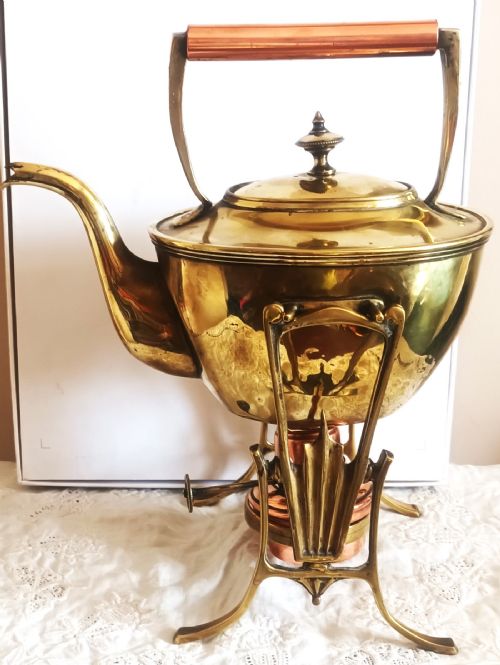
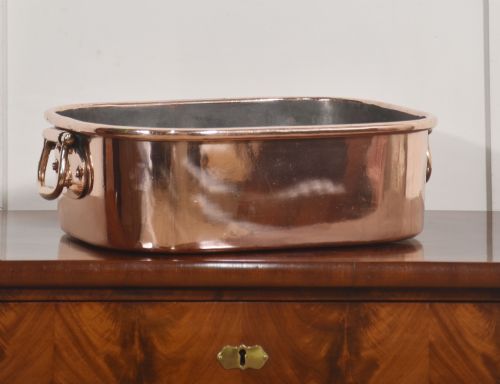
Two other forms turn up steadily. Long oval fish kettles, with a perforated lifting liner for poaching a whole fish, make up 23 titles, and about half of those are now offered for flowers rather than fish. Spirit kettles come with their own burner and stand, for keeping water hot at the table.
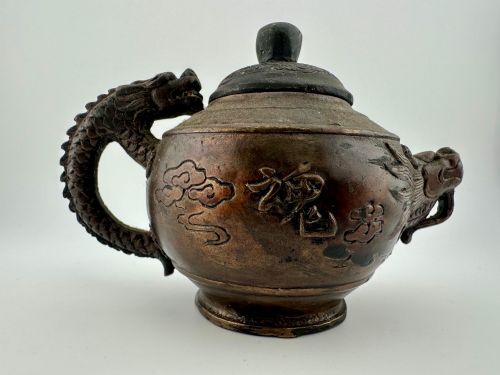
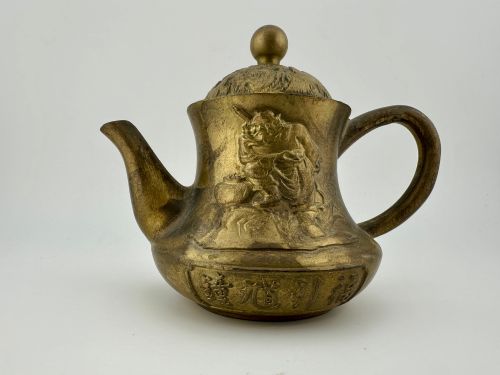
Above those sit the outliers: copper samovars and tea urns, Arts and Crafts pieces, and Dutch, French, North African, Middle Eastern, Indian and Japanese kettles. The dealers' own dating runs 1800 to 1950, though much of it is broad rather than precise, with 41 listings saying only "19th Century".
Where The Range Splits
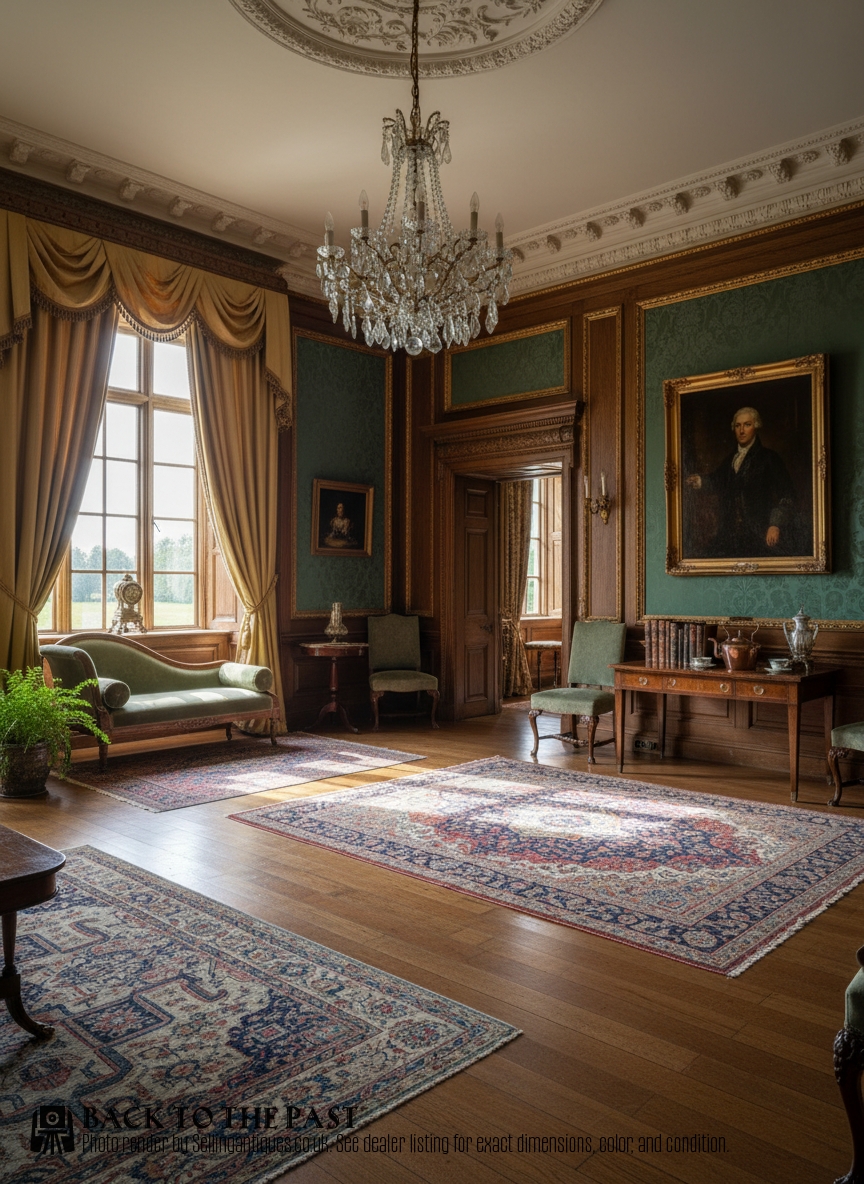
Size does most of the work in the middle of the range. Twenty-six titles reach for "large" and a few for "huge", including a country-house kettle and an "Impressive Huge Georgian" example, and those sit above the plain run. Small is not a penalty in Georgian pieces, where the 17 titles saying small hold the same ground as the large ones.
Form and completeness lift a kettle next. Oval and "unusual" recur through the upper half, and the 18 titles naming a stand tend to flag it as a selling point, with wording like "Complete" or "including Liner" marking the burner or the fish liner as still present. A stamped or attributed name also carries a piece at or above the middle.
Origin sets the ceiling. Dutch, French, North African, Middle Eastern and Indian kettles run through the middle and upper range, and Japanese metalwork takes the top outright: two Edo-period sake kettles with cloisonné lids and a single Kyoto iron tetsubin. The turbot kettle appears only twice in the whole sample, and one of those sits near the top.
Antique Kettles Retail Price Guide 2026
Typical UK retail prices for kettles, calculated from the Sellingantiques database of over a million retail prices indexed since 2003. This retail price guide relies exclusively on Sellingantiques data; no external sources or auction records are used, so the figures do not describe the wider market.
The 1800s is the period label used most on Sellingantiques for kettles, with 19th Century next and Victorian third.
The Antique Kettles Glossary
- Fish kettle
- A long oval kettle with a perforated lifting liner for poaching a whole fish. Twenty-three titles, and about half are offered as planters.
- Spirit kettle
- A kettle supplied with its own stand and spirit burner, so water stays hot at the table. Twelve titles use the term.
- Samovar
- An urn with an internal heating tube for drawing off hot water. Eight titles, some describing the same piece interchangeably as a tea urn.
- Seamed
- Made from sheet copper joined along a visible seam rather than spun or stamped. Dealers use it in titles as a period marker, sometimes as "Dovetail Seams" or "Fishtail Joints".
- Turbot kettle
- The broad, diamond-shaped version of the fish kettle, cut for flat fish. It shows up twice in the sample, spelt both "turbot" and "turbet".
- Trivet
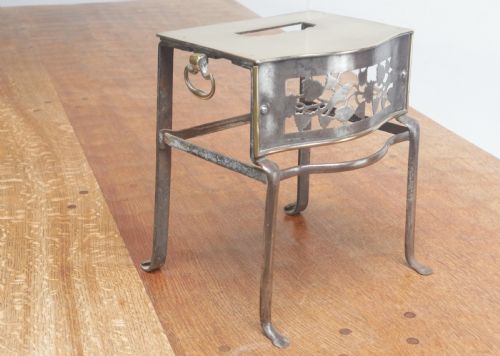
- A footed stand a kettle sits on beside the fire, listed in brass and sometimes as a "kettle stand trivet". The four-legged version is a footman.
Antique Kettles: Frequently Asked Questions
What metal are antique kettles usually made from?
Copper, overwhelmingly. It appears in 154 of the 190 titles on Sellingantiques, with brass a distant second at 33.
Iron, bronze and painted tinware turn up only as single appearances, including one toleware kettle on its stand.
How old are most of these kettles?
The dealers' dating runs from 1800 to 1950, with 99 listings carrying a clean year. Much of it is broad: 41 say only "19th Century", 32 only "Victorian".
A cluster reads as 1800 largely because a run of George III kettles was entered that way, so treat it as early nineteenth century rather than the year itself. A few samples go back further, including a Dutch brass tea kettle given as c.1760-80.
Why are fish kettles sold as planters?
The long oval shape suits a window sill, and dealers have leaned into it. Of the 23 fish kettle titles, about half are offered for flowers rather than fish.
Wording such as "planter", "window cill planter" and "flower display" appears in the titles themselves.
What is a spirit kettle on a stand?
A kettle sold with its own frame and spirit burner underneath, so the water stays hot while it sits on the table. Twelve titles name the spirit element and 18 name a stand.
They come in brass and in copper, sometimes on wrought iron. Dealers flag the burner when it's still with the kettle, using words like "Complete".
Are Japanese kettles part of this category?
They appear rarely and sit at the very top of the range.
The samples hold two Edo-period sake kettles with cloisonné lids and a single Kyoto iron tetsubin, which is a Japanese cast-iron kettle.
How many kettles come up for sale?
Around 22 are listed in a typical year on Sellingantiques.
Fifty-three different dealers have handled one, so most who carry them carry only one or two at a time.