


A 2026 Guide by Sellingantiques
Antique plate racks evolved from simple kitchen scullery fittings used to dry damp crockery near the hearth.
Built-in dressers replaced many freestanding units during the later nineteenth century.
Country estates often commissioned large wall-mounted versions to keep daily pewter services within easy reach of the cooking staff.
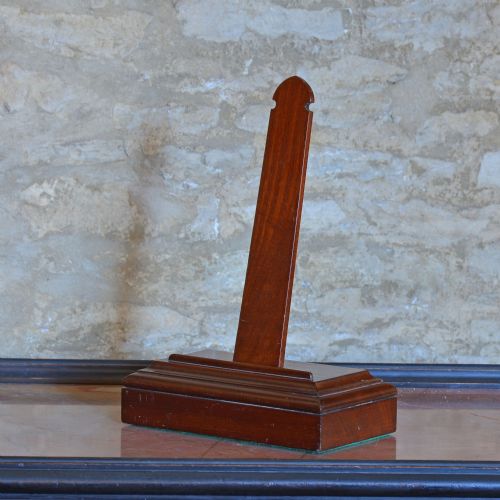
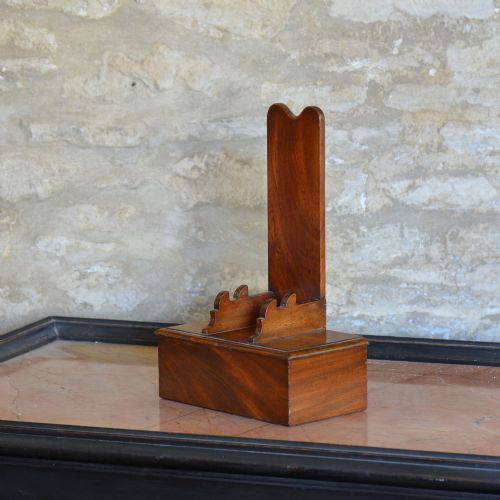
Look for earlier examples designed to sit directly on the floor or a side table rather than hang from structural beams.
Provincial estate carpenters built most antique plate racks to order, sizing them for specific alcoves or dressers.
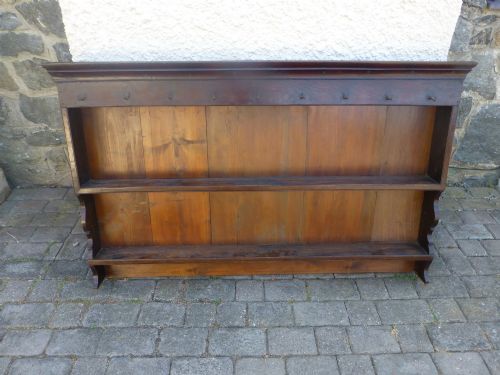
Welsh joiners developed distinct local patterns featuring scalloped friezes and shaped side profiles.
Do not expect a maker stamp. Village craftsmen supplied these basic utility items directly to local farms.
The 2026 retail price guide for Antique Plate Racks is drawn from a proprietary archive of over 1.1 million retail prices indexed by Sellingantiques since 2003. This guide relies exclusively on their own internal data; no external sources or auction records are used.
Analysing nearly 25 years of UK antique market history alongside current retail values, the data indicates that typical UK retail prices for Antique Plate Racks range between £300 and £2,700. Entry-level prices generally fall under £300 and premium examples upwards of £2,700.
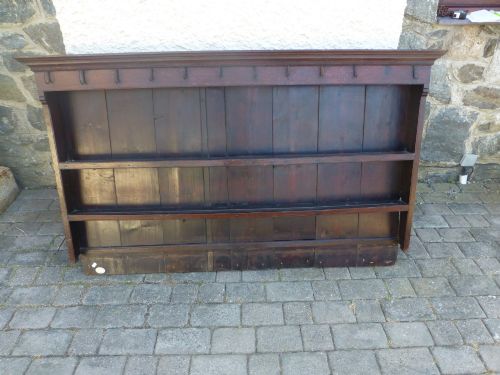
Thick backboards protect the damp kitchen walls from wet dishes.
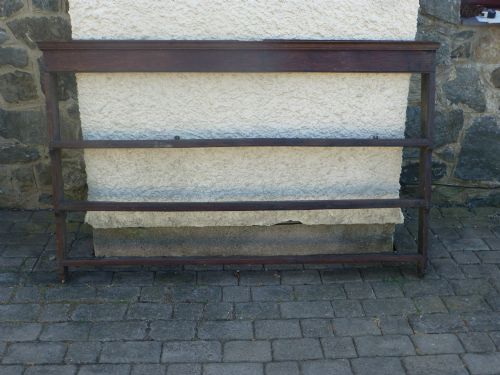
A slatted base allows water to drain away freely from freshly washed plates.
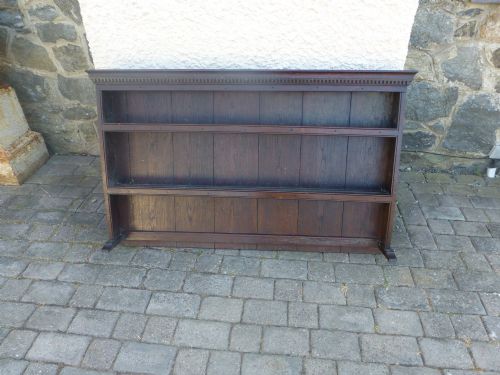
Notice the horizontal retaining bars running across the front. They stop stacked items tumbling out.
Early racks rely on exposed pegged joints and heavy timber sections to bear the sheer weight of stacked ceramics.
Later Victorian production shifted towards thinner machine-cut deal boards held by iron screws.
Run your hand under the shelves to feel the subtle ridges left by a smoothing plane.
"Farmhands used the flat top surfaces to store large copper preserving pans out of the way."
"The open slatted back designs improved air circulation to speed up drying in unheated sculleries."
"Many modular racks were built to sit atop matching pot boards to form a complete kitchen dresser."
Based on almost 25 years of Sellingantiques UK antique market data, Antique Plate Racks appeared 893 times (out of 1,100,000 antiques) which gives it a rarity score of 84/100.
This score measures scarcity within the Sellingantiques archive only and is not a survey of the entire antiques market, so these statistics may not be indicative of the general availability of Antique Plate Racks elsewhere.
Locate the solid timber wall studs first. A rack full of pottery will pull standard plasterboard plugs straight out of the wall.
Most original racks have pre-drilled fixing holes in the thick backboards or upper frieze. Use stout steel screws through these existing points rather than drilling fresh holes in the antique wood.
Start with a mild solution of warm water and a basic household dish soap. Wipe the surfaces down using a damp cloth, working the grain to lift decades of kitchen grease.
Dry the wood immediately with a clean towel to prevent water sitting on the finish.
Once dry, apply a clear beeswax polish with a soft rag. This feeds the dry timber and leaves a protective layer over the original surface.
Often they cannot. Georgian and Victorian plates were generally smaller than the modern dinner service standard.
Check the depth of the slots and the height between shelves. Modern plates sit too high and hit the upper shelf or project too far past the guard rail.
These units spent their working lives in damp sculleries. The original carpenters understood this and chose stable timbers cut to allow for seasonal movement.
Steam will eventually degrade surface waxes and dull the patina. Regular waxing provides a barrier against moisture and keeps the timber supple.
Please note: This Antique Plate Racks guide and its associated pricing data are provided for general informational purposes only. It does not constitute formal financial, investment, or appraisal advice and should not be relied upon as the sole basis for any commercial activity, purchasing, or sales decisions. Sellingantiques.co.uk accepts no liability for any actions taken in reliance on this information. Always consult with a qualified professional or independent appraiser.
