



A 2026 Guide by Sellingantiques
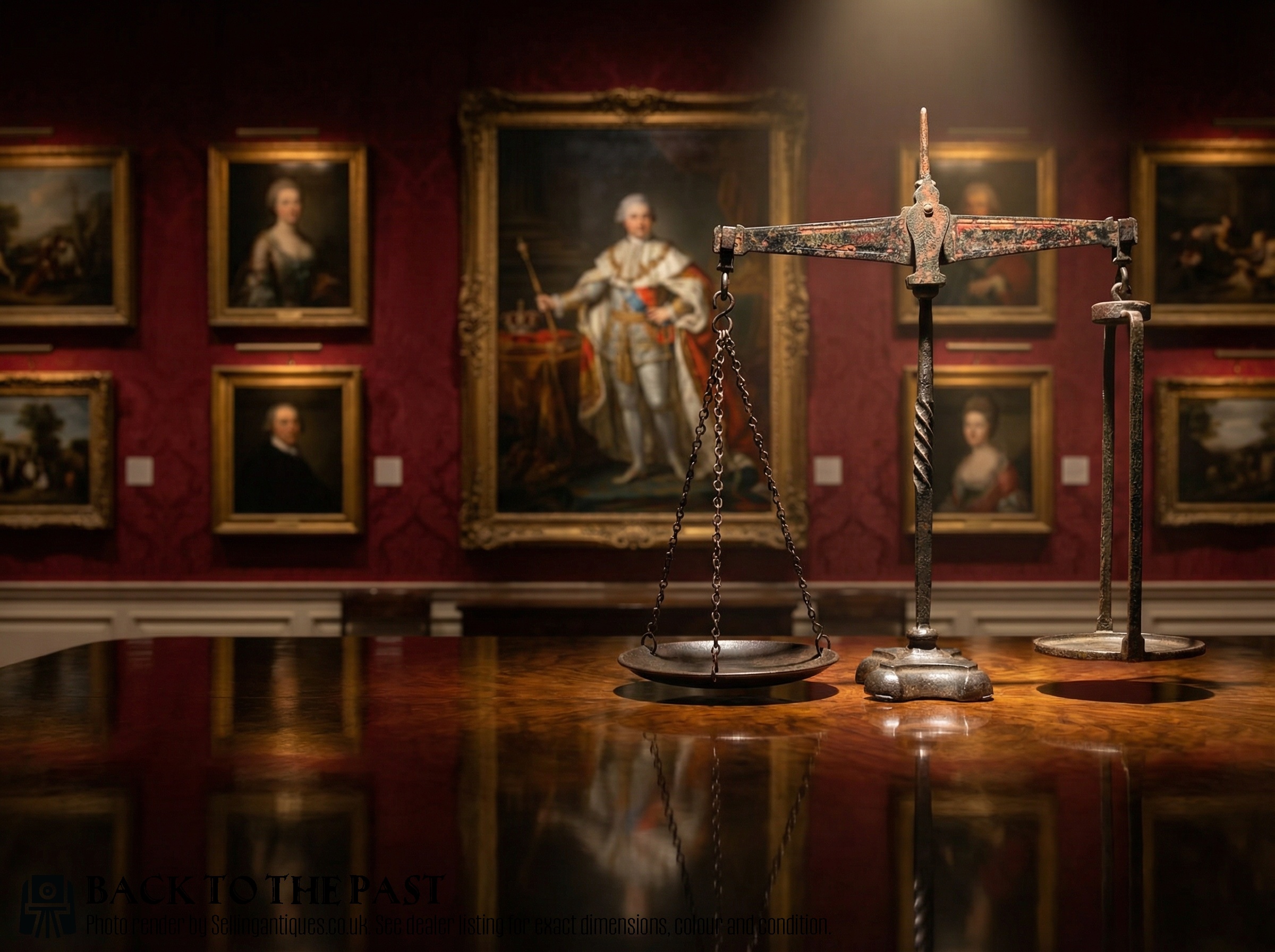
An Original Fairbanks Scales/balance Circa 1870, 19th Century
Priced at £320 from Pareglio & Ayres Antiques Interiors
Early equal-arm beam types changed little across several centuries of commercial use.
Postal reforms in the nineteenth century created a large demand for smaller antique letter scales.
Apothecaries relied on these instruments for dispensing medicines before factory pills took over.
Look at the later spring mechanisms. They offered a quicker reading without needing separate brass weights.
W & T Avery dominated the British trade from the early nineteenth century onwards. They made heavy sack scales and small counter types.
Salter patented their spring balance designs in the mid-nineteenth century. You often find their cast iron dials on kitchen scales.
Regional makers bought in parts from Birmingham and added their own engraved nameplates.
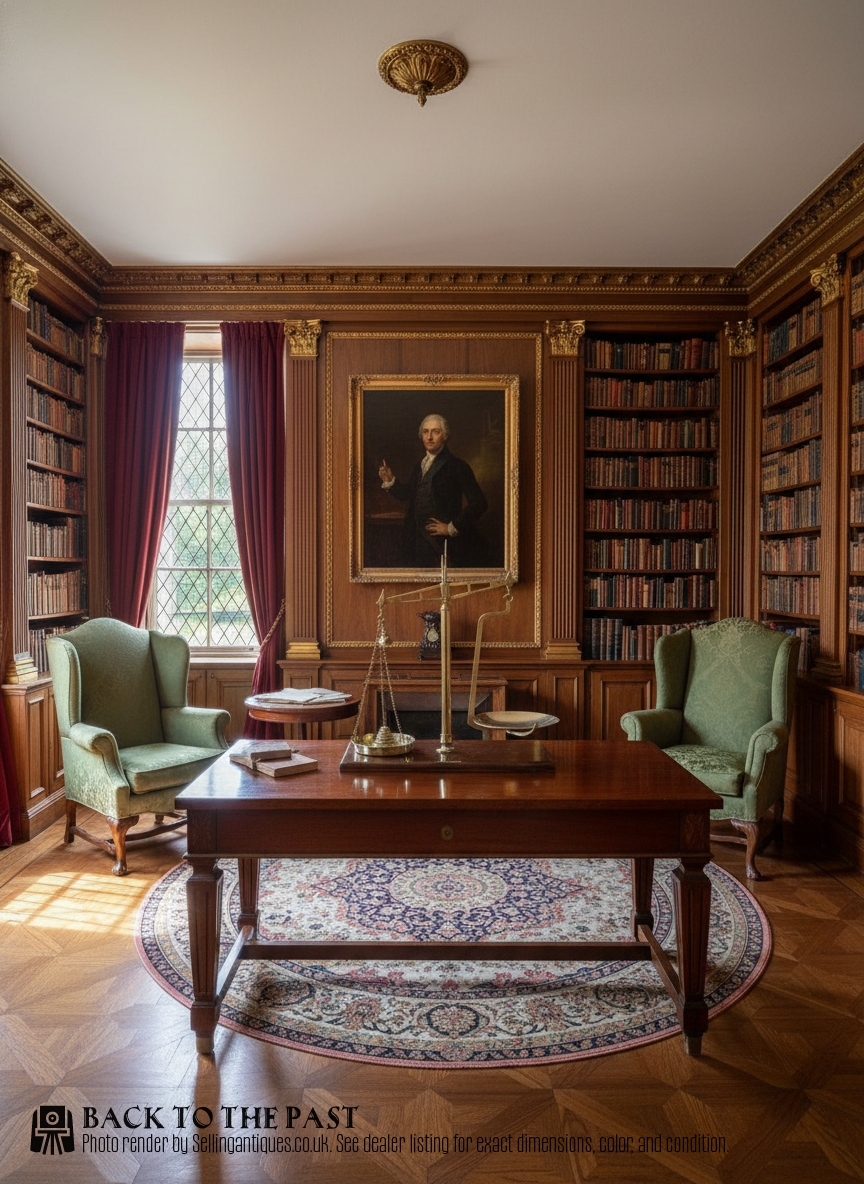
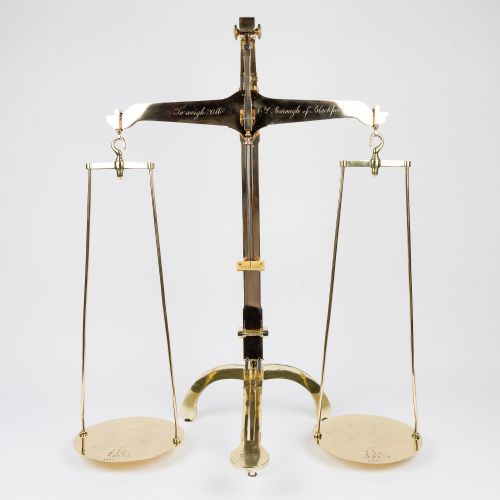
Antique Pair of Brass Scales Bartlett & Sons.
, 1880
Priced at £795 from London City Antiques
The 2026 retail price guide for Antique Scales is drawn from a proprietary archive of over 1.1 million retail prices indexed by Sellingantiques since 2003. This guide relies exclusively on their own internal data; no external sources or auction records are used.
Analysing nearly 25 years of UK antique market history alongside current retail values, the data indicates that typical UK retail prices for Antique Scales range between £400 and £4,800. Entry-level prices generally fall under £400 and premium examples upwards of £4,800.
The central fulcrum is where the action happens. A sharp steel knife-edge pivots on an agate bearing.
Indicator needles point down to a marked scale. Some align with a fixed marker on the main column.
Suspended pans hang from chains or rigid brass arms. This keeps the load level during weighing.

A Large Set of Victorian Postal Scales, Victorian
Priced at £380 from Drennan & Sturrock Ltd
Early makers forged iron beams by hand on an anvil. These show irregular hammer marks and tapered ends.
Casting took over for brass components. Factories poured molten metal into sand moulds to produce uniform arms and bases.
Machine presses punched out flat shapes for the later models. These stamped steel parts appear on twentieth-century types.
"Many late nineteenth-century counter scales feature hidden compartments inside the wooden base. These kept the fractional weights safe."
"Apothecary examples often dismantle flat. The brass assembly breaks down to fit into a shallow mahogany box."
"Some postal varieties have historic postal rates engraved directly onto the brass pan."
Based on almost 25 years of Sellingantiques UK antique market data, Antique Scales appeared 1727 times (out of 1,100,000 antiques) which gives it a rarity score of 71/100.
This score measures scarcity within the Sellingantiques archive only and is not a survey of the entire antiques market, so these statistics may not be indicative of the general availability of Antique Scales elsewhere.
Dusting usually works. A soft dry cloth removes surface dirt without scratching the metal.
If you must clean them, use a gentle wax rather than liquid polish. Abrasives wear away the finish and risk any engraved markings on the pans.
Leave the green verdigris alone if it sits in the deep recesses. It shows age and collectors often prefer an untouched surface.
Wipe the flat parts gently with a dry cloth. Excessive polishing leaves the brass looking modern, which alters the historic character of the piece.
Wood bases just need a quick wipe. A little clear beeswax feeds dry timber well.
That stamp indicates a trading standard. Inspectors checked retail balances to ensure accurate commercial use.
Class B meant they were legal for basic shop counter trades.
Check underneath the pans first. Often a piece of dried wax or dirt gets stuck under one side and throws the beam off balance.
You might also find a small lead plug under the pan. Makers added these to calibrate the scale. Losing one causes a lean.
If the steel knife-edge has worn flat on one side, it needs professional attention. A specialist can re-profile the pivot so it rocks freely again.
Please note: This Antique Scales guide and its associated pricing data are provided for general informational purposes only. It does not constitute formal financial, investment, or appraisal advice and should not be relied upon as the sole basis for any commercial activity, purchasing, or sales decisions. Sellingantiques.co.uk accepts no liability for any actions taken in reliance on this information. Always consult with a qualified professional or independent appraiser.
