


A 2026 Guide by Sellingantiques

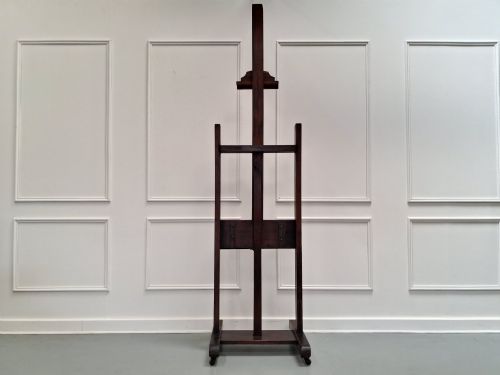
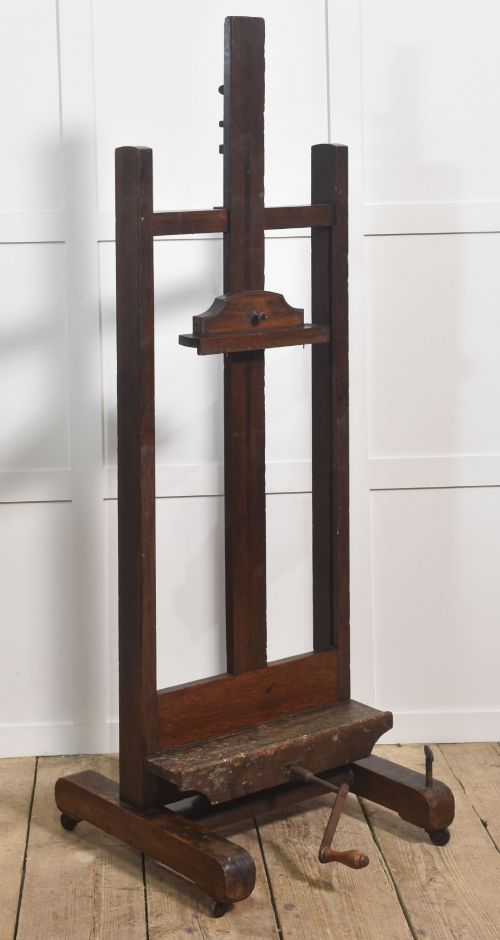
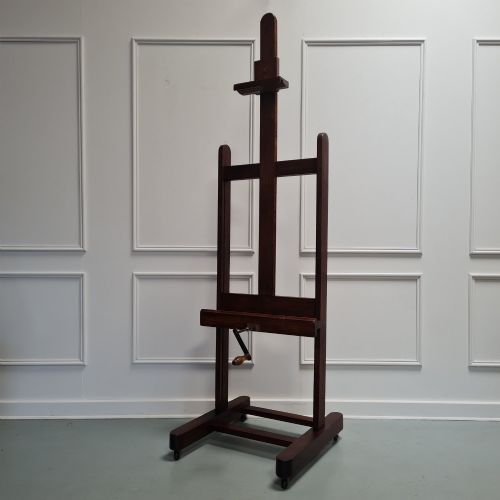
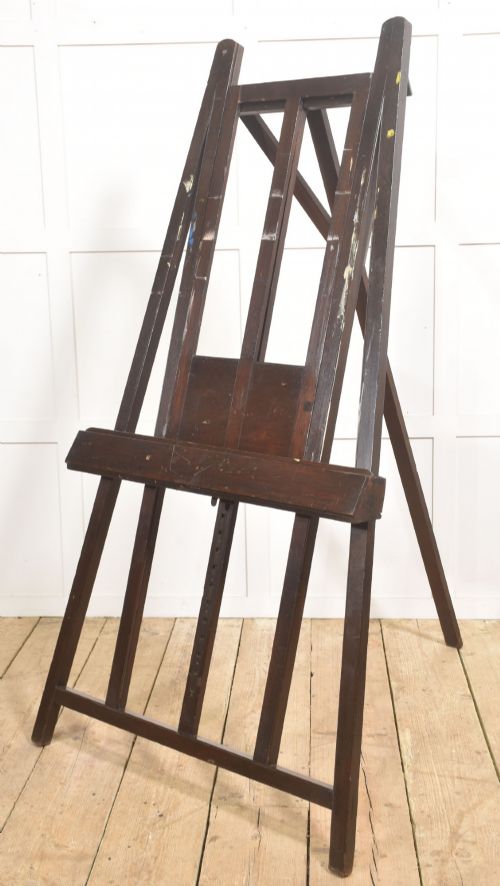
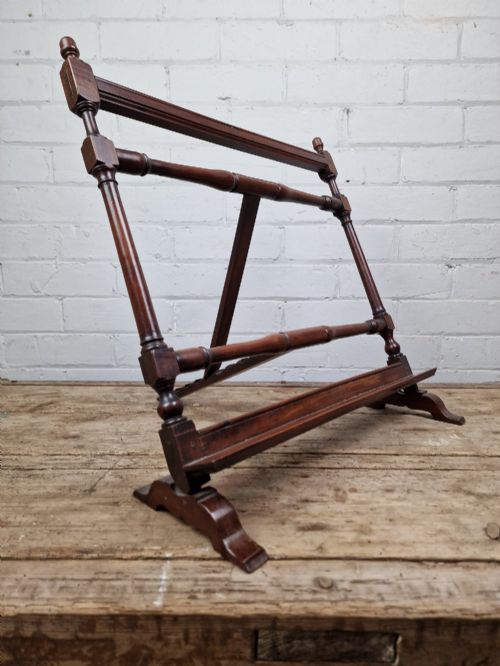
Studio Easel by Windsor and Newton, 19th Century
Priced at £5,850 from Shackladys Antiques
Studio equipment evolved at a rapid pace throughout the nineteenth century.
The rise of oil painting as a middle-class hobby created a vast market for domestic artist supplies.
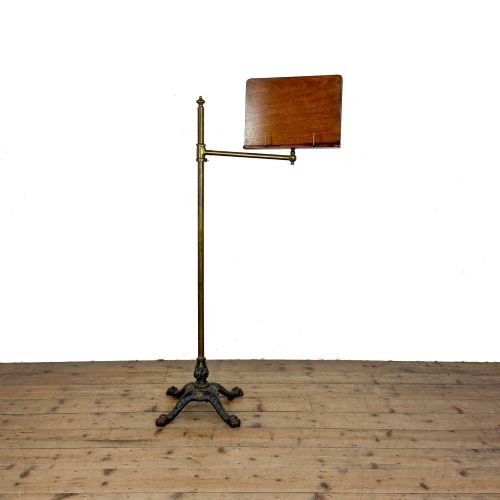
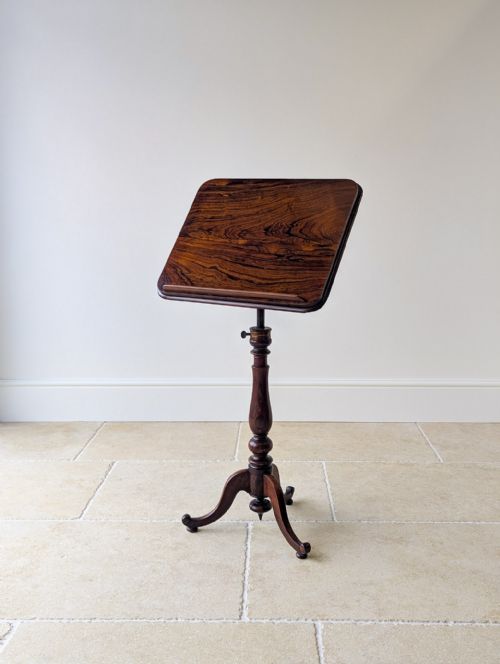
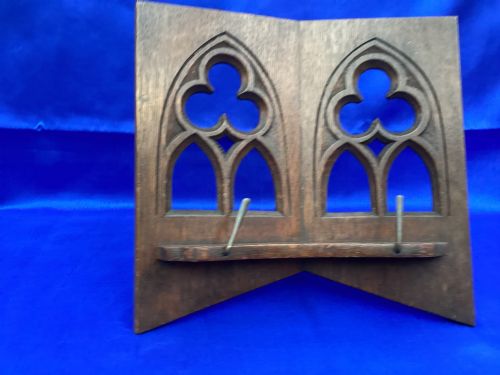
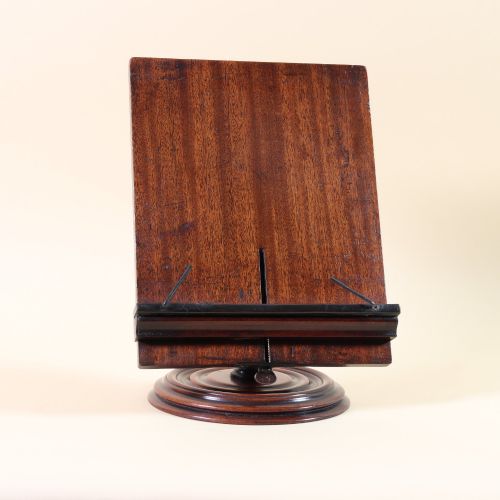
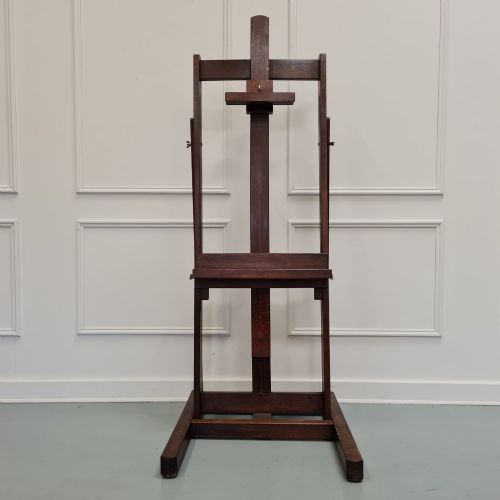
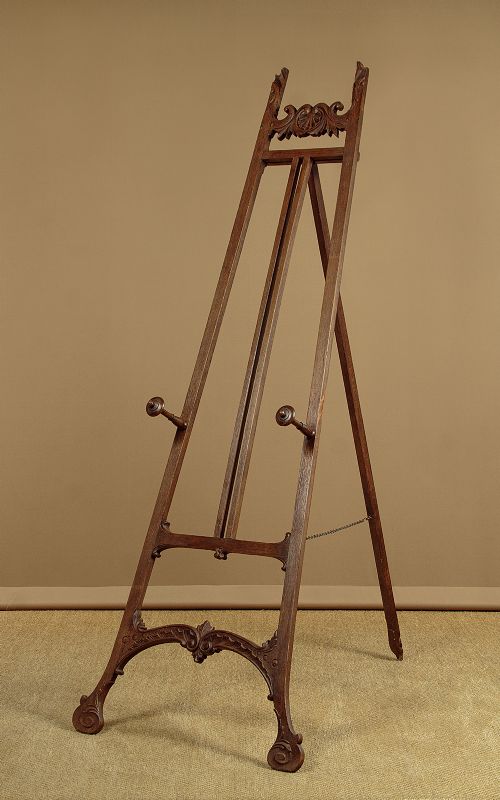
Note the sheer variety of forms. Heavy crank-operated studio models handled massive historical canvases.
Displaying art on an antique easel became a Victorian parlour fashion. Buyers demanded decorative stands matching their furniture rather than functional tools.
Winsor & Newton supplied countless models. Their nineteenth-century catalogues offered everything from simple folding sketching stands to massive geared studio contraptions.
George Rowney & Company produced similar lines. They stamped their name onto the structural crossbars of solid oak and mahogany artist tools.
French makers like Lefranc & Bourgeois exported heavily. Their beechwood sketching frames turn up frequently across Britain and Europe.
The 2026 retail price guide for Antique Easels is drawn from a proprietary archive of over 1.1 million retail prices indexed by Sellingantiques since 2003. This guide relies exclusively on their own internal data; no external sources or auction records are used.
Analysing nearly 25 years of UK antique market history alongside current retail values, the data indicates that typical UK retail prices for Antique Easels range between £300 and £1,700. Entry-level prices generally fall under £300 and premium examples upwards of £1,700.
Check the winding mechanism. Substantial models rely on a hand crank turning a threaded rod to raise the central mast.
Adjustable pegs are standard on A-frame designs. Moving these wooden pins up or down a series of drilled holes alters the resting height.
Many display pieces fold flat. Hinged rear legs swing inward, allowing the whole structure to slide behind a door when not needed.
Early joints rely on stout mortise and tenon construction. Cabinetmakers pinned these connections with wooden dowels to stop heavy frames twisting under load.
Threaded wooden screws appear on eighteenth-century examples. Turners cut thick wooden threads to clamp sliding blocks tight against the central mast.
Cast iron elements gradually replaced complex wood joining on bases. Victorian founders supplied heavy weighted feet equipped with brass castors.
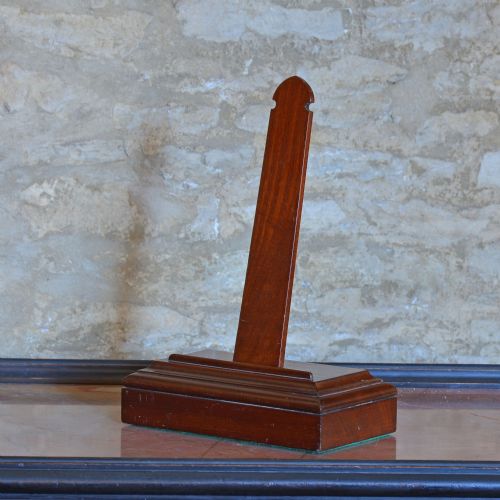
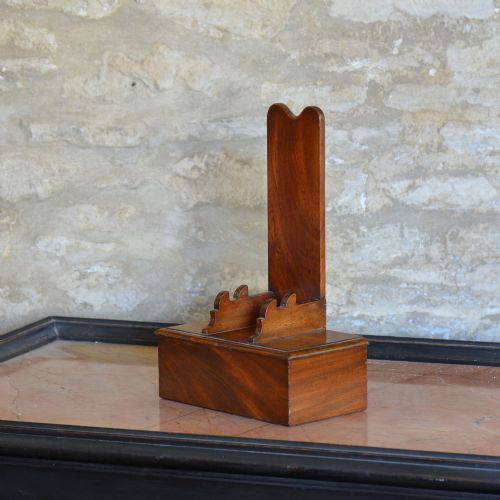
"Miniature versions existed for tabletop display. Families used these small wooden frames to show off cabinet photographs or delicate portrait miniatures."
"Some studio models adapt into draughting tables. The mast tilts back horizontal to provide a flat working surface for architectural drawing."
"Box forms combine storage and support. They fold out to reveal tin-lined compartments for holding wet brushes and mixing palettes."
Based on almost 25 years of Sellingantiques UK antique market data, Antique Easels appeared 1105 times (out of 1,100,000 antiques) which gives it a rarity score of 80/100.
This score measures scarcity within the Sellingantiques archive only and is not a survey of the entire antiques market, so these statistics may not be indicative of the general availability of Antique Easels elsewhere.
A studio easel is a heavy-duty floor-standing frame designed for a permanent workspace. They carry substantial weight and often feature a solid square base or an H-frame construction.
Because they stay in one room, portability isn't a factor. Makers fitted them with heavy winding cranks and sturdy ratchets. These mechanical advantages allow artists to move massive canvases up and down smoothly while painting.
Wood swells over time, especially if the piece was stored in a damp outbuilding or near a window. The timber pegs grip firm against the sides of the drilled holes. Forcing them will snap the pins flush with the leg.
Try applying a small amount of wax around the join and leaving it to penetrate. Gentle tapping with a rubber mallet from the back often breaks the friction seal without damaging the surrounding timber.
If they remain wedged, leaving the piece in a dry room for a few weeks may shrink the wood enough to loosen the joints naturally.
Box easels fold up into a portable wooden briefcase. The legs slide into the main body, while the interior houses partitioned compartments for tubes of paint.
They open out into a freestanding tripod with an integrated palette and canvas support.
The internal cog on the winding mechanism has worn down or lost a tooth. The handle turns, but the metal gear fails to engage properly with the long toothed rack running up the mast.
Sometimes the issue lies with a loose locking pawl. This small catch drops into the gear teeth to prevent the mast from falling backward under its own weight.
A competent metalworker can usually braze a new tooth onto a worn brass cog or tighten the pawl spring. It requires stripping the winding block down to its individual parts.
Please note: This Antique Easels guide and its associated pricing data are provided for general informational purposes only. It does not constitute formal financial, investment, or appraisal advice and should not be relied upon as the sole basis for any commercial activity, purchasing, or sales decisions. Sellingantiques.co.uk accepts no liability for any actions taken in reliance on this information. Always consult with a qualified professional or independent appraiser.
