
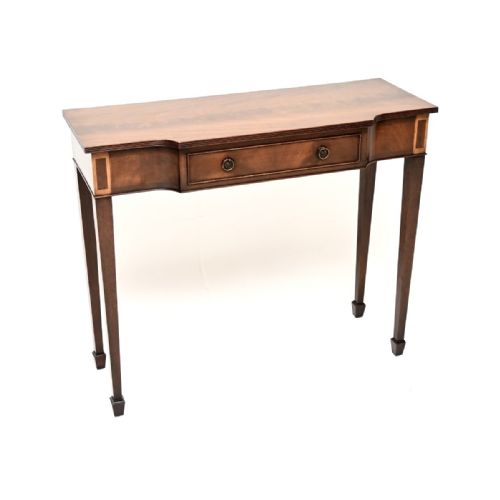
A 2026 Guide by Sellingantiques
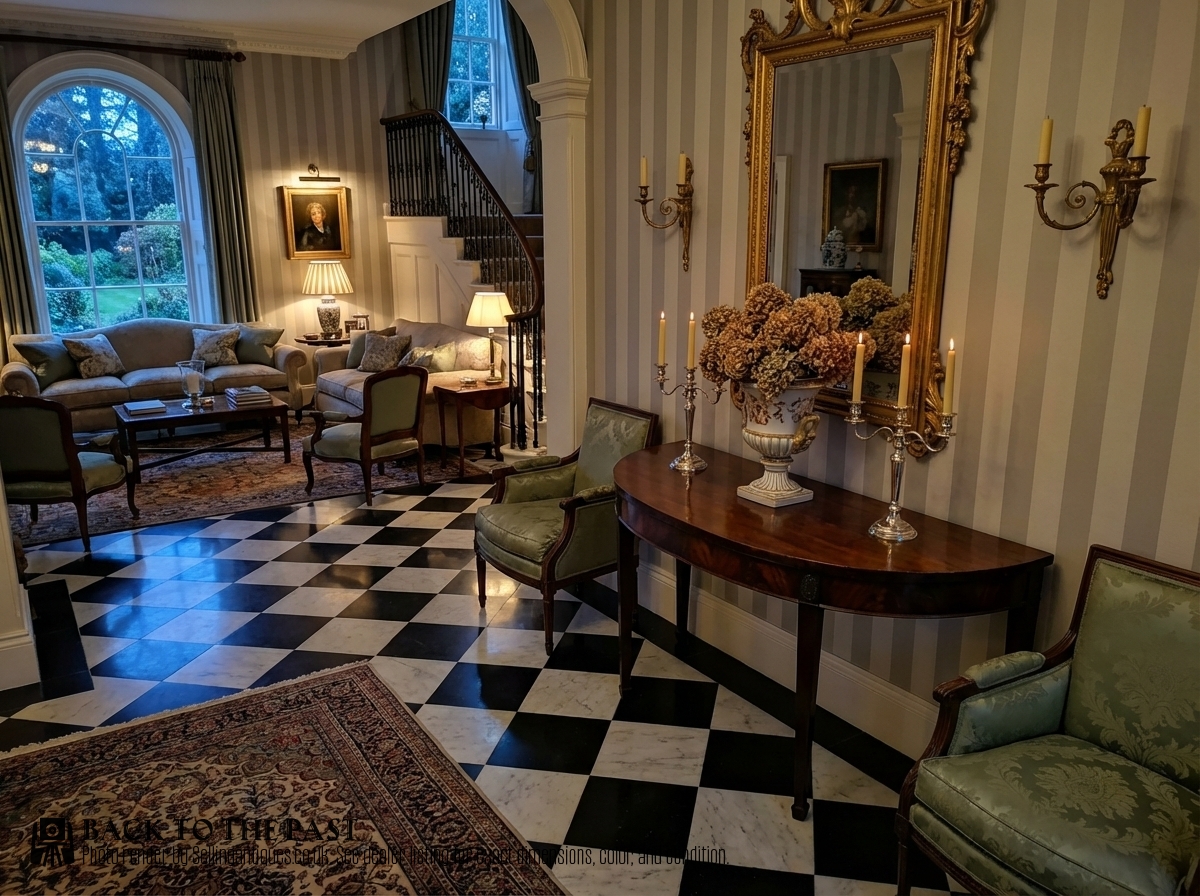
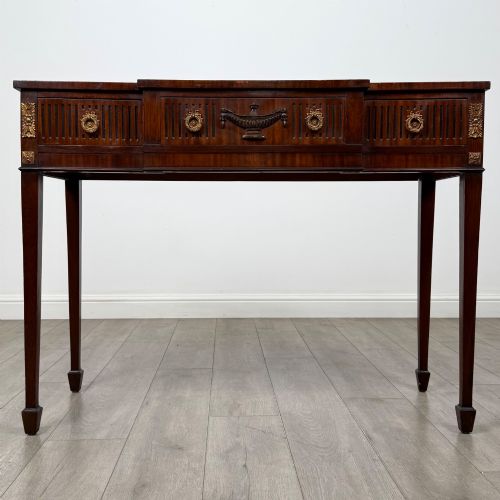
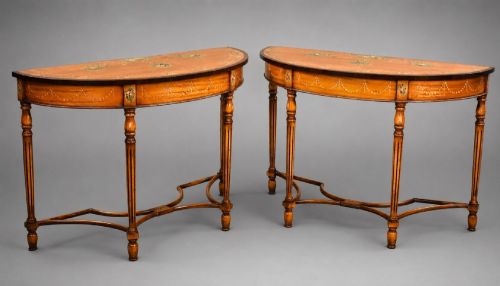
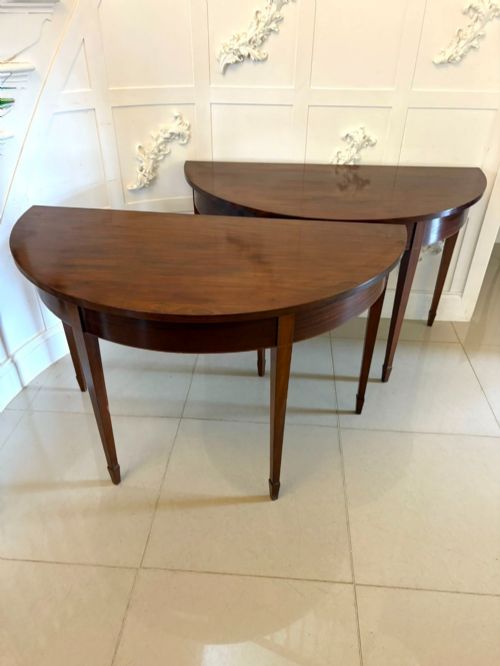
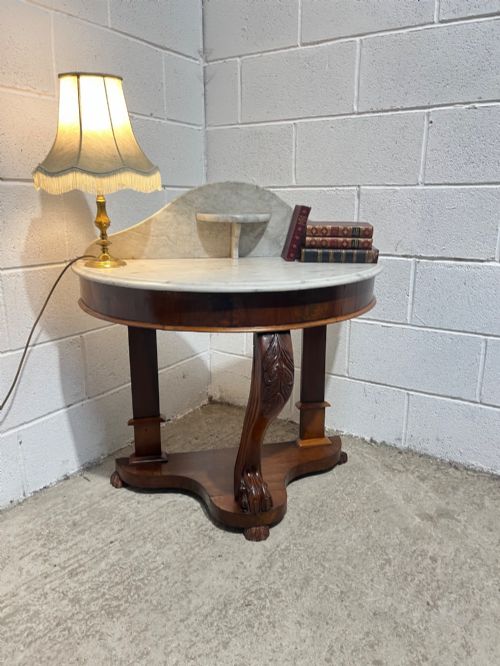
Fine Late C18th George III Period Mahogany Neo-classical Design Elliptical Pier or Side Table in the Manner of Robert Adam , with Reputed Important Provenance., 1750
Priced at £32,000 from M Lees and Sons
European architects introduced them in the late seventeenth century to furnish the awkward spaces between tall sash windows.
Often paired with tall mirrors. The arrangement bounced light back into dark reception rooms during the day.
Look at how eighteenth-century designs evolved. They shifted from heavy Baroque carving to lighter, classical forms.
Wealthy homeowners commissioned these pieces specifically for the primary drawing rooms of large townhouses.
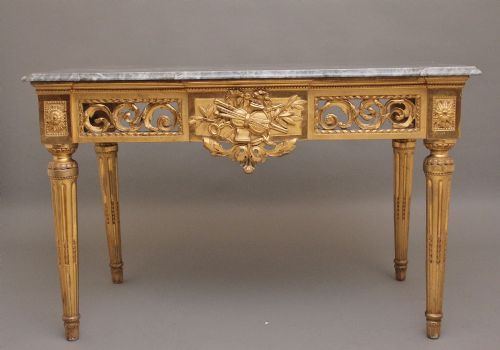
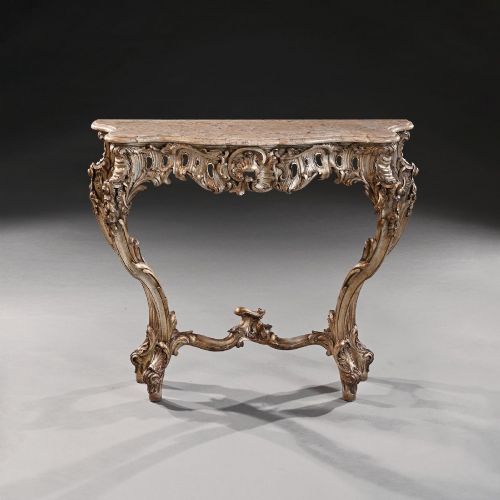
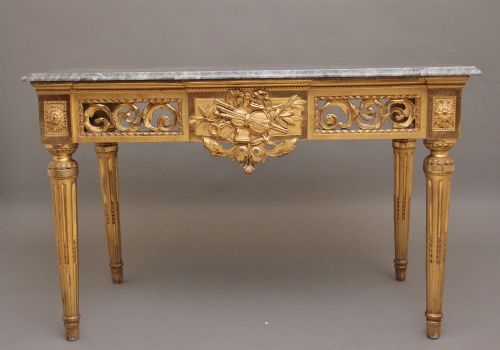
Thomas Chippendale supplied several gilded versions during the mid-eighteenth century. His firm delivered complex carved frames for grand houses.
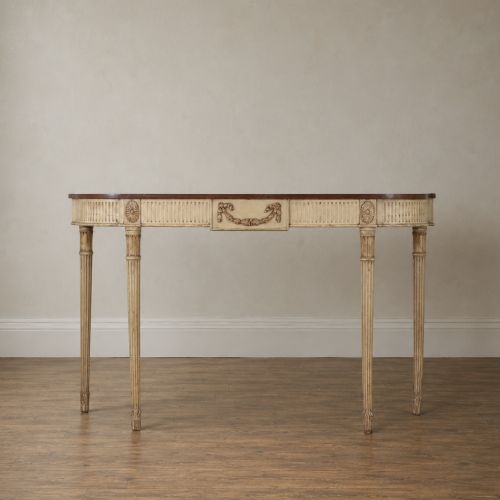
Consider Robert Adam. Cabinet makers working from his strict classical drawings produced bases with straight, tapered legs.
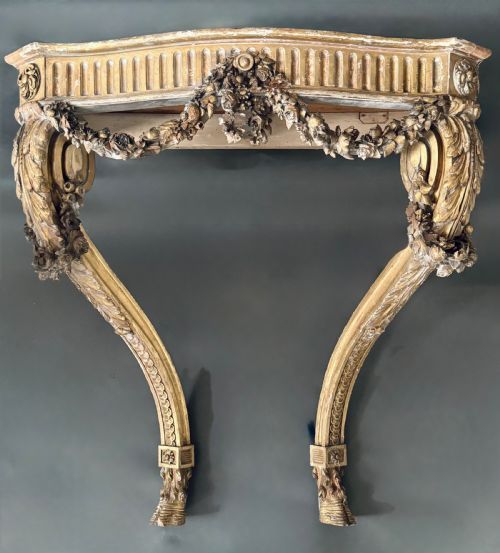
John Linnell. Another documented maker from the same era whose workshop produced elaborate carved examples with intricate swags.

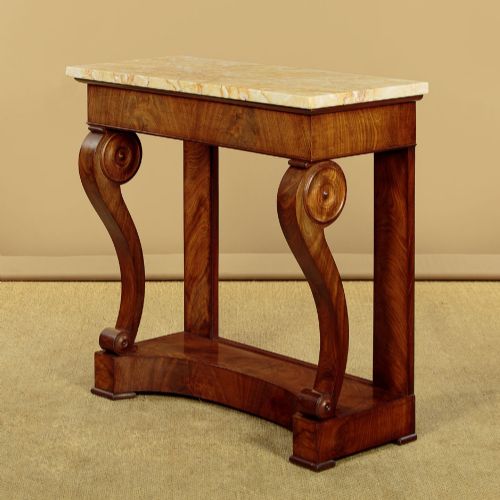
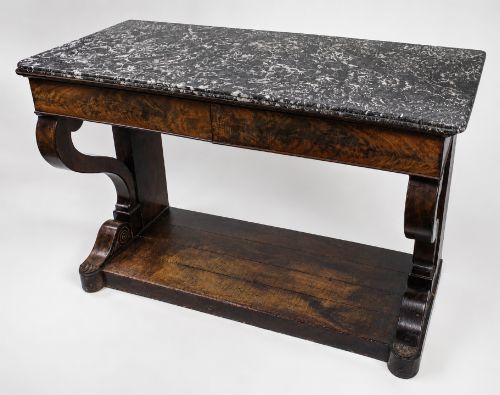
Early C19th French Empire-style Mahogany Console/pier Table, 1800
Priced at £2,200 from M Lees and Sons
The 2026 retail price guide for Antique Pier Tables is drawn from a proprietary archive of over 1.1 million retail prices indexed by Sellingantiques since 2003. This guide relies exclusively on their own internal data; no external sources or auction records are used.
Analysing nearly 25 years of UK antique market history alongside current retail values, the data indicates that typical UK retail prices for Antique Pier Tables range between £1,300 and £9,800. Entry-level prices generally fall under £1,300 and premium examples upwards of £9,800.
A flat, unpolished back edge. They were made to sit flush against the wall.
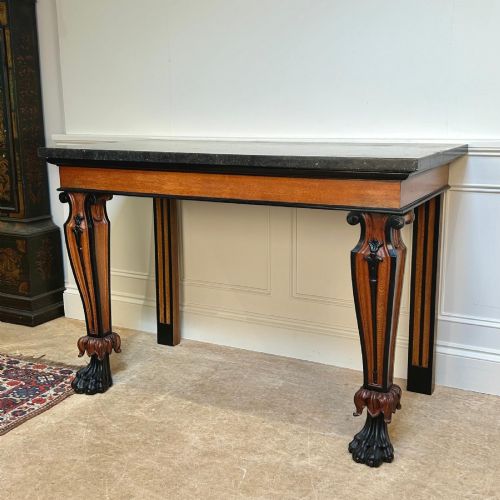
Front legs receive most of the decorative attention. You will see heavy carving or fluting on the forward-facing supports.
Notice the shallow depth. The proportions keep the furniture from protruding too far into the walking space.
Traditional carvers cut the basic shape from joined blocks of pine. They glued sections together rather than wasting timber.
Stout mortise and tenon joints. These traditional connections secure the heavy front legs to the shallow frieze frame.
Look underneath at the iron brackets. Blacksmiths sometimes forged custom metal straps to brace the carcase against the weight.
"Hidden shallow drawers in the frieze. These concealed compartments sit flush and lack obvious handles to maintain the formal design."
"Notice the space above the stone top. The large mirror sometimes rested directly on the marble to unify the architecture."
"Craftsmen occasionally painted the rough rear rail to match the room's skirting board, blending the base into the architecture."
Based on almost 25 years of Sellingantiques UK antique market data, Antique Pier Tables appeared 1095 times (out of 1,100,000 antiques) which gives it a rarity score of 80/100.
This score measures scarcity within the Sellingantiques archive only and is not a survey of the entire antiques market, so these statistics may not be indicative of the general availability of Antique Pier Tables elsewhere.
Most original tops rest loosely on the base. Gravity holds the heavy stone in place against the frieze.
If the stone rocks, check the timber frame. Decades of heating can warp the upper rails. You might need thin wooden shims placed between the marble and the carcase to level it.
Proceed with caution before stripping any painted surface. Many eighteenth-century bases were originally painted, rather than gilded or polished. The current layer might hide historic decoration.
Softwood frames were rarely left bare. If you strip a pine base, you will find rough tool marks and glue lines. Have a conservator test the layers first.
They are unstable away from a wall. The shallow frame makes them front-heavy.
The visual balance looks wrong if you try to use one as a centre table.
That white powder is the gesso layer. Fluctuations in humidity cause the underlying timber to shrink and swell, cracking the rigid ground.
Keep the piece away from radiators. Collect any large flakes that fall off. A restorer can reattach them using traditional animal glue.
Please note: This Antique Pier Tables guide and its associated pricing data are provided for general informational purposes only. It does not constitute formal financial, investment, or appraisal advice and should not be relied upon as the sole basis for any commercial activity, purchasing, or sales decisions. Sellingantiques.co.uk accepts no liability for any actions taken in reliance on this information. Always consult with a qualified professional or independent appraiser.
