


A 2026 Guide by Sellingantiques
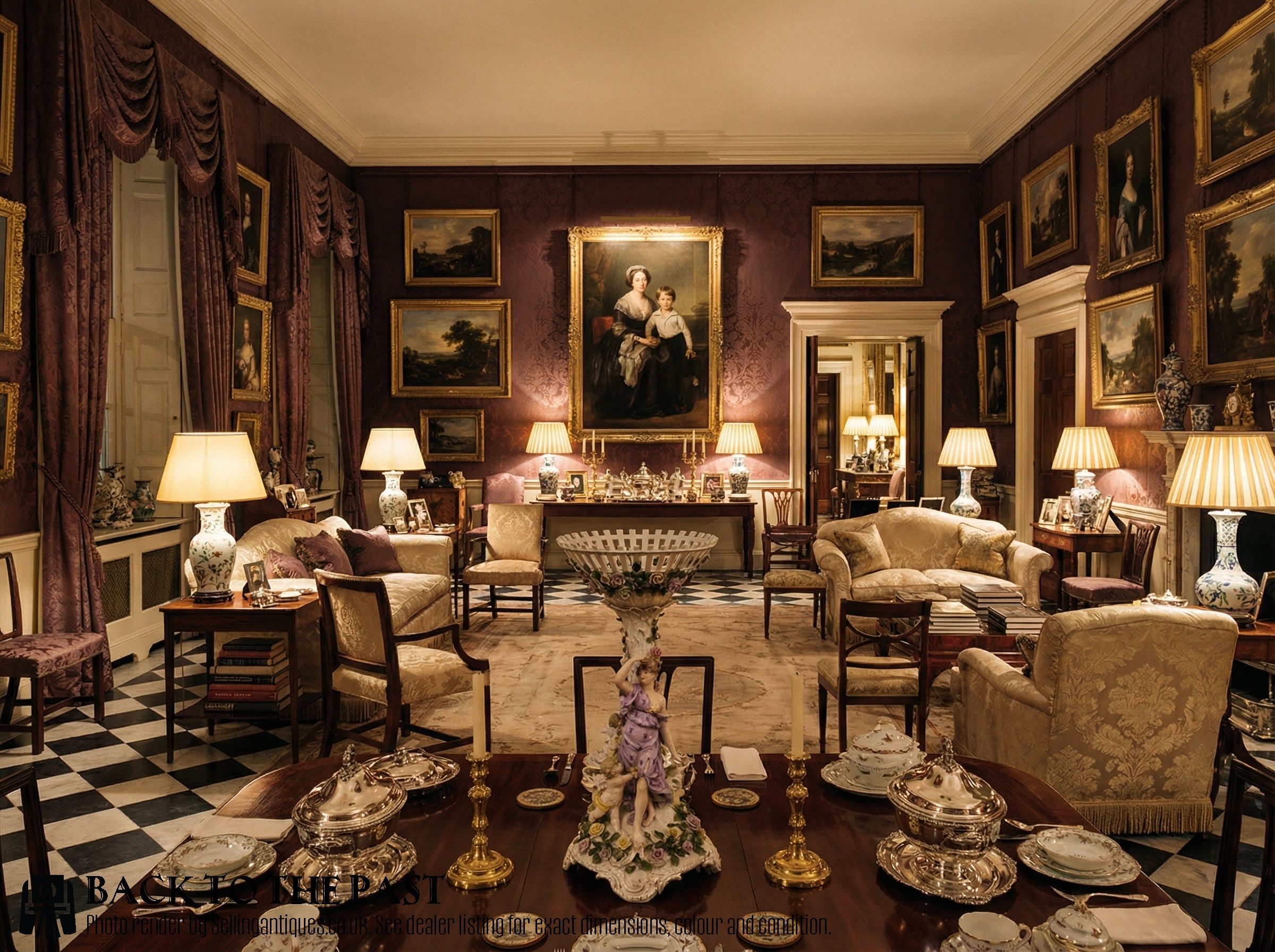
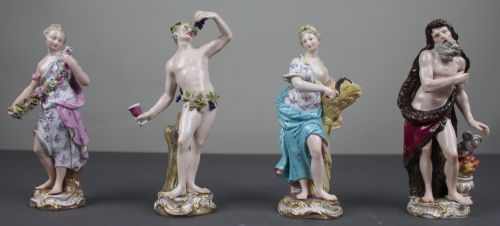
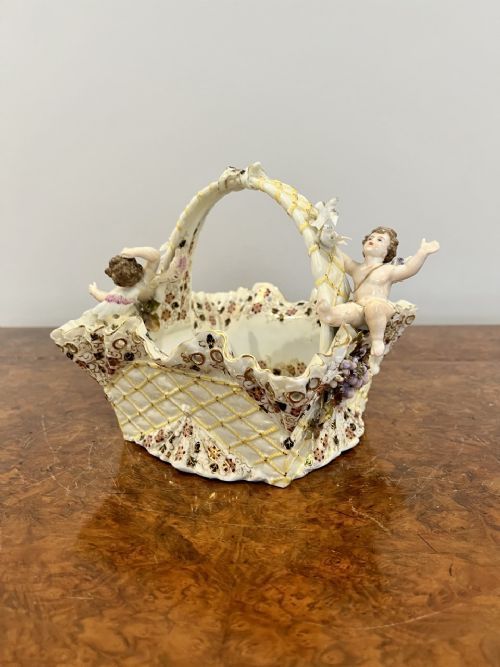
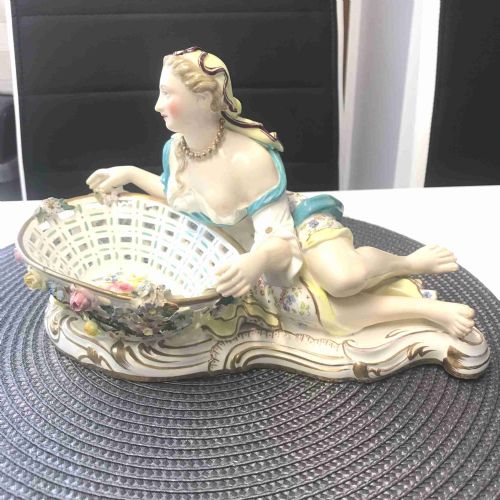
Large German Dresden Centerpiece, 1880
Priced at £495 from Fernyhough Antiques Ltd
The city became a hub for independent decorators during the nineteenth century. They bought white blanks from various factories to paint in their own studios.
Do not confuse Antique Dresden with Meissen. Although geographically close, the capital had its own distinct network of studios and rival manufacturers.
Widespread production peaked in the late Victorian and Edwardian periods. Demand across Europe kept hundreds of local painters employed.
Establishments often grouped together to form trade associations. This helped standardise export quality across the region.
Karl Richard Klemm ran one of the prominent decorating studios from 1869. His workers specialised in painted scenes.
Donath operated between 1872 and 1916. They frequently used a crown mark and focused on traditional floral designs.
Ambrosius Lamm established his business in 1887. He gained a reputation for fine gilding and detailed figure painting.
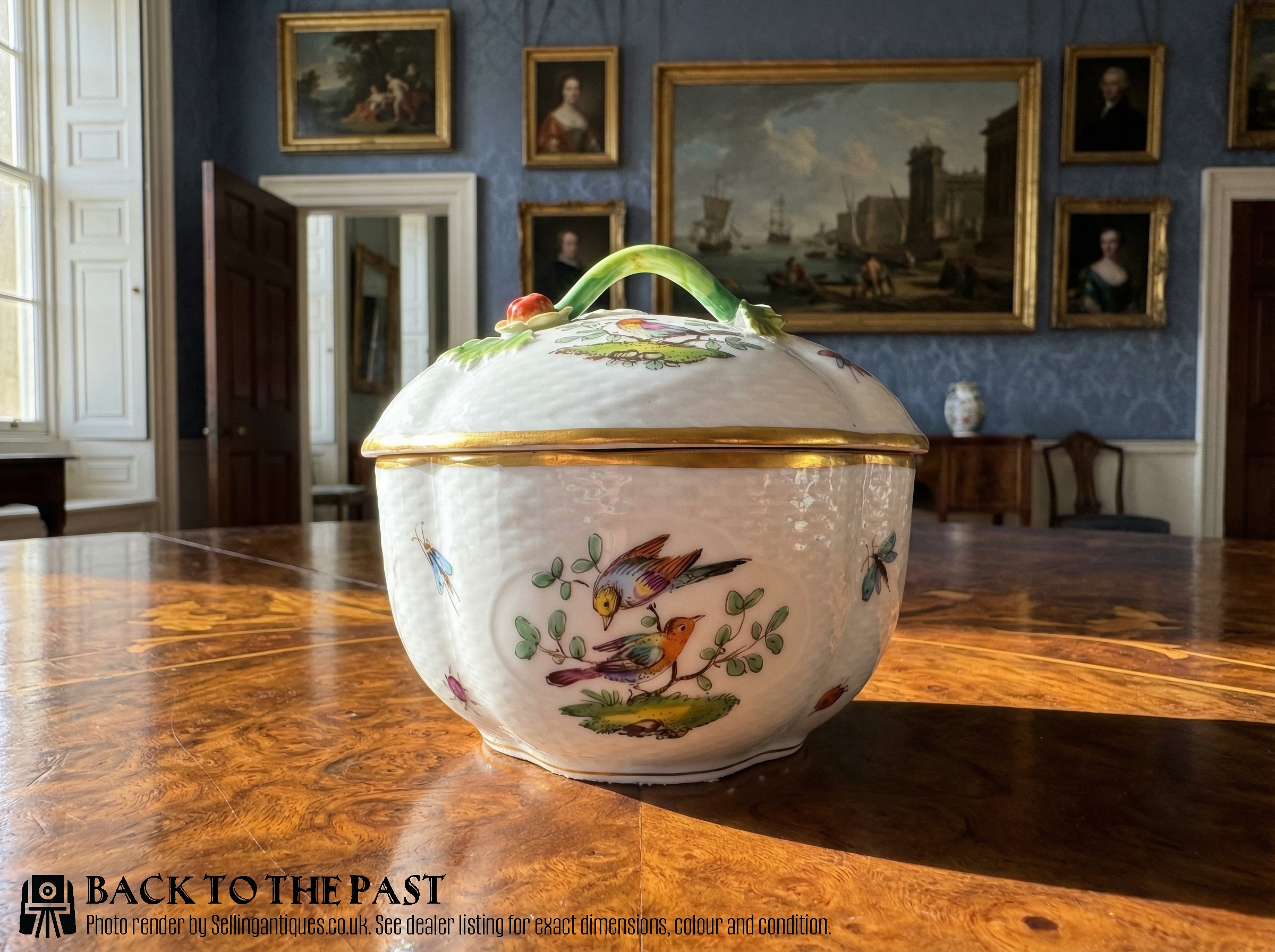
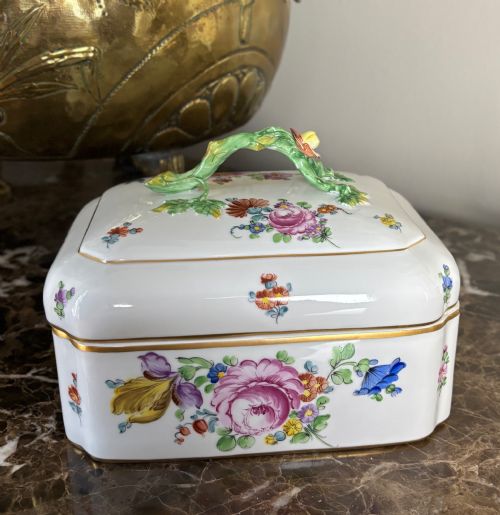
Late 19th Century Dresden Porcelain Potpourri Lidded Bowl, 1890
Priced at £800 from Treaders Collectables
The 2026 retail price guide for Antique Dresden is drawn from a proprietary archive of over 1.1 million retail prices indexed by Sellingantiques since 2003. This guide relies exclusively on their own internal data; no external sources or auction records are used.
Analysing nearly 25 years of UK antique market history alongside current retail values, the data indicates that typical UK retail prices for Antique Dresden range between £200 and £1,300. Entry-level prices generally fall under £200 and premium examples upwards of £1,300.
Elaborate floral painting defines the style. Look for loose naturalistic bouquets rather than rigid geometric patterns.
Applied flowers often cluster around bases and handles. Potters shaped these delicate additions by hand before firing.
Pierced borders feature heavily on plates and baskets. Makers cut these out while the clay was still leather-hard.
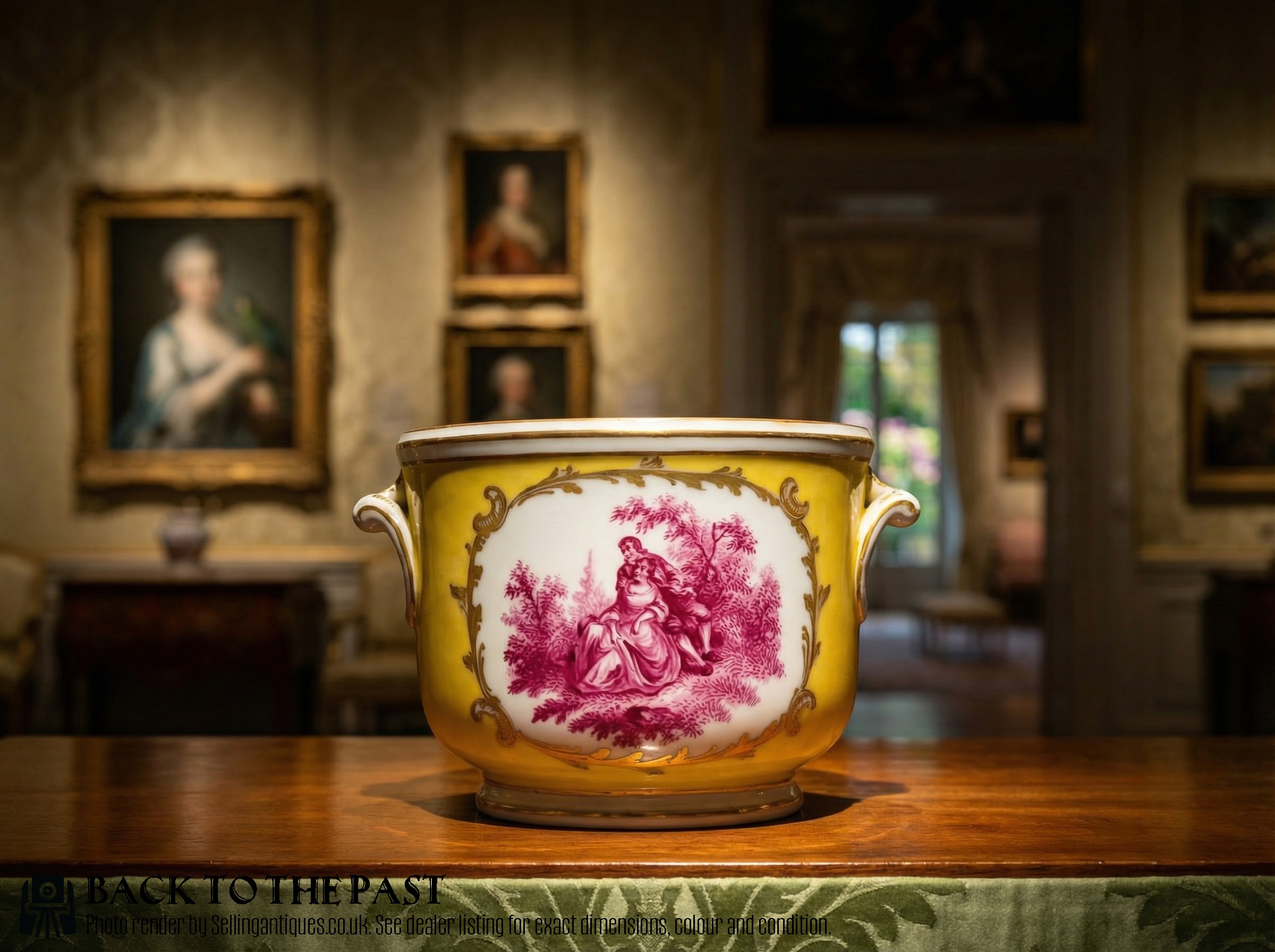
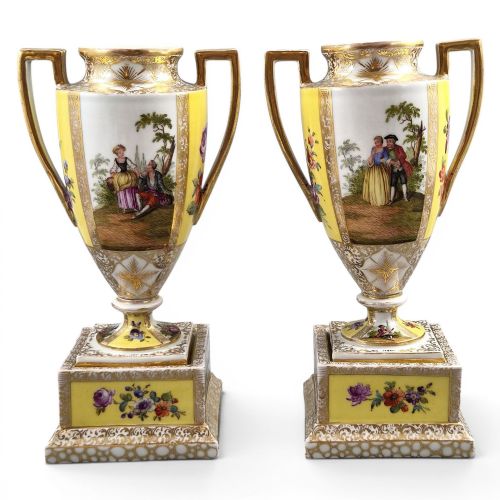
A German Dresden Porcelain Cache Pot, 1900
Priced at £110 from TJR Trading
Slip-casting allowed workshops to produce complex figure groups. Plaster moulds drew water from the liquid clay to leave a hollow shell.
Decorators applied the ground colours first. They masked out panels where the detailed miniature scenes would later sit.
Dipping real textiles into porcelain slip required great patience. The firing process shrank the material and often caused breakages.
"Many independent studios collaborated on large orders. One might supply the floral borders while another completed the central portraits."
"Painters held high social status in the city. Their guild enforced strict apprenticeships to maintain the local reputation."
"Export markets drove much of the production. Wares travelled globally and strongly influenced table settings in wealthy overseas households."
Based on almost 25 years of Sellingantiques UK antique market data, Antique Dresden appeared 372 times (out of 1,100,000 antiques) which gives it a rarity score of 93/100.
This score measures scarcity within the Sellingantiques archive only and is not a survey of the entire antiques market, so these statistics may not be indicative of the general availability of Antique Dresden elsewhere.
Wash using lukewarm water and a soft cloth. Sudden temperature changes crack the hard-paste body or craze the glaze.
Keep the pieces out of a modern dishwasher. Harsh detergents quickly strip the delicate overglaze enamels and dull the gilding.
Many different studios in the region used crown variations. It became a generic symbol adopted to suggest royal patronage.
You have to look closely at the initials underneath the crown. Those letters generally point to the specific decorator who finished the piece.
A soft dry sable paintbrush is the safest tool for this job. Work slowly over a padded surface in case any loose fragments detach.
Avoid liquid sprays or damp cloths on complex floral clusters. Water turns dust into a sticky paste that settles deeper into the applied work.
Studios often mixed blanks from different factories to complete a large service. Decorators tied the set together using consistent colours.
It is quite common to find minor variations in the moulded rim patterns. The overall decorative scheme mattered more to the original buyers than uniform blank shapes.
Do not worry about these small differences in the porcelain forms. They are an expected quirk of the regional trade.
Please note: This Antique Dresden guide and its associated pricing data are provided for general informational purposes only. It does not constitute formal financial, investment, or appraisal advice and should not be relied upon as the sole basis for any commercial activity, purchasing, or sales decisions. Sellingantiques.co.uk accepts no liability for any actions taken in reliance on this information. Always consult with a qualified professional or independent appraiser.
