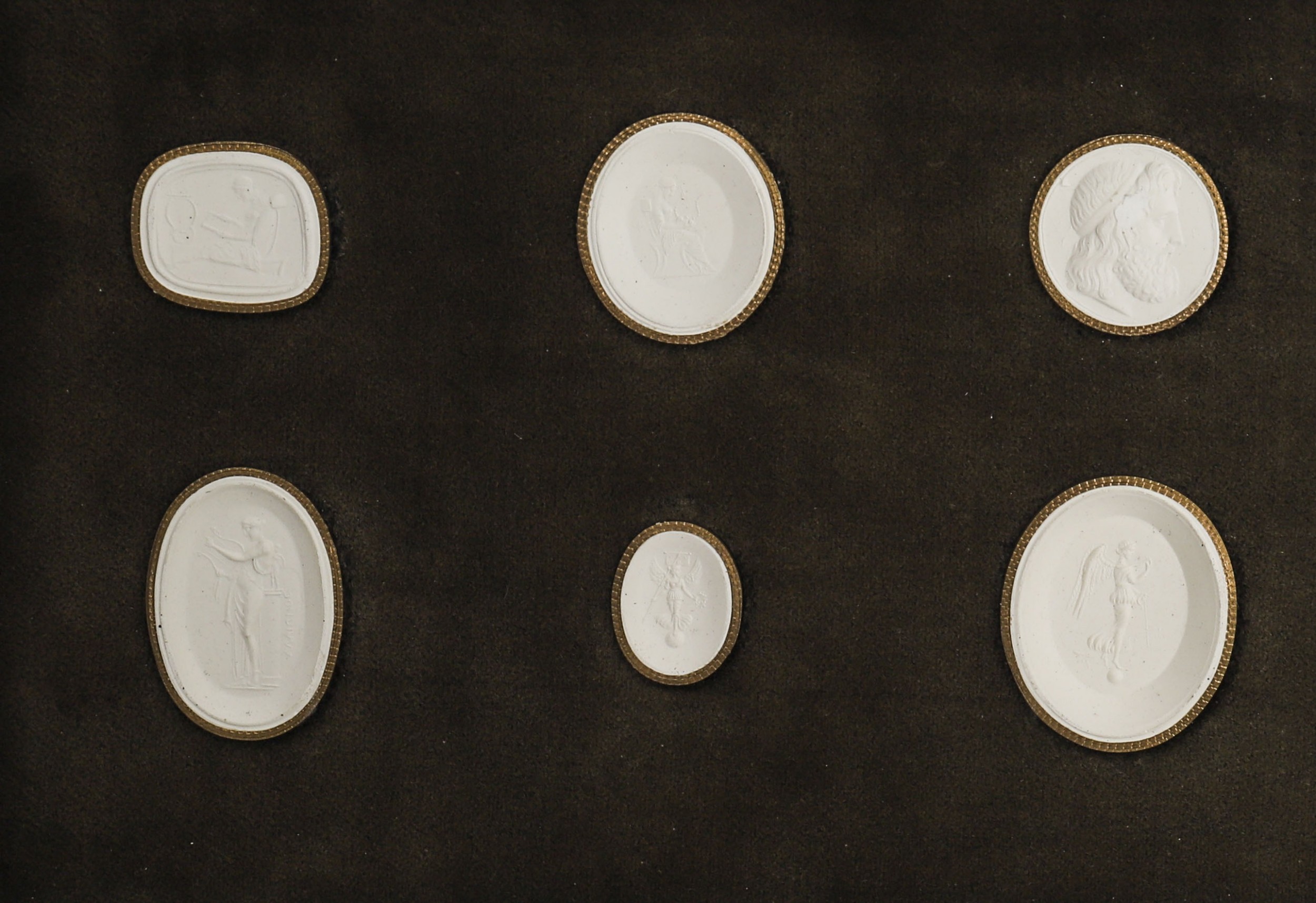
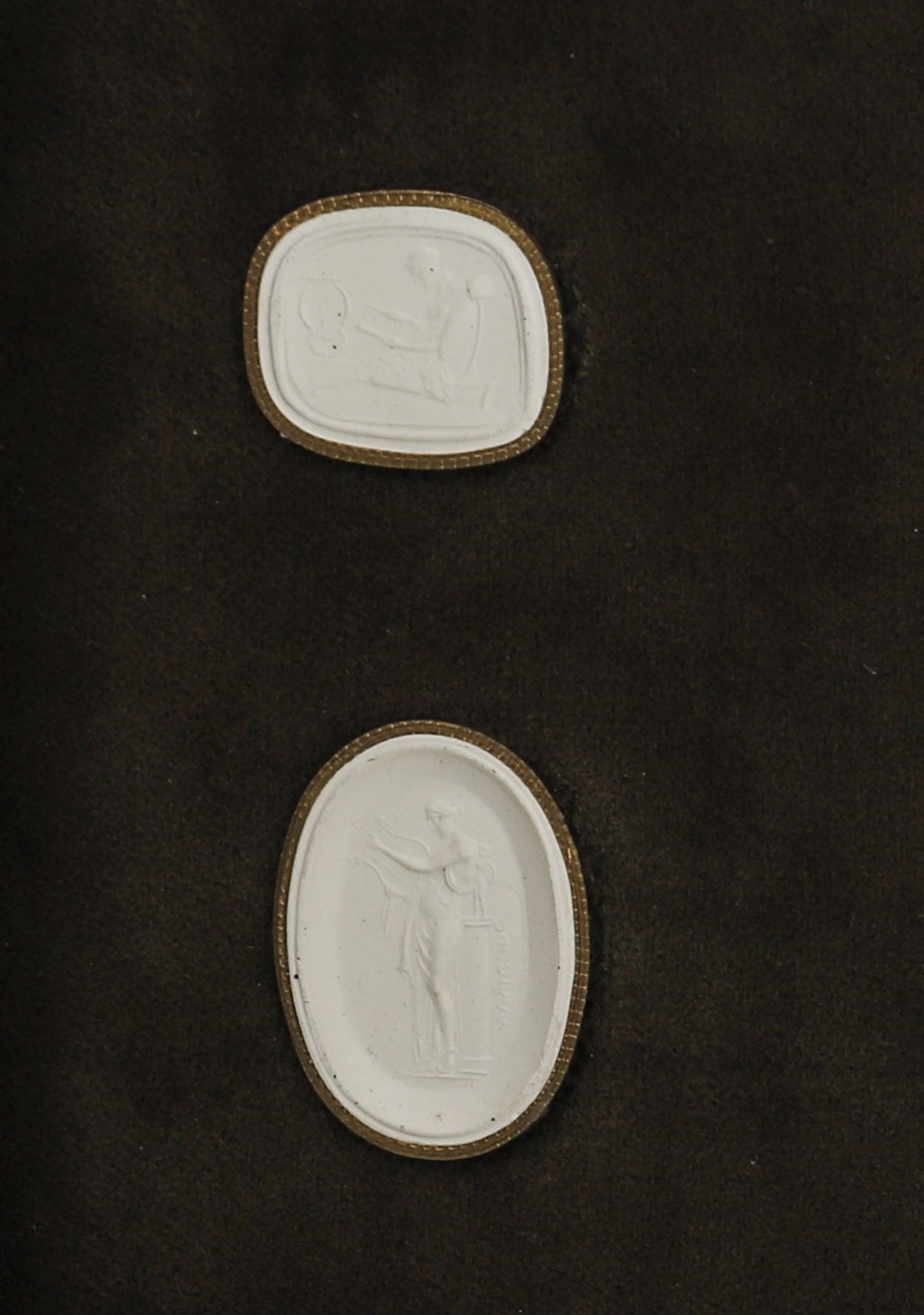
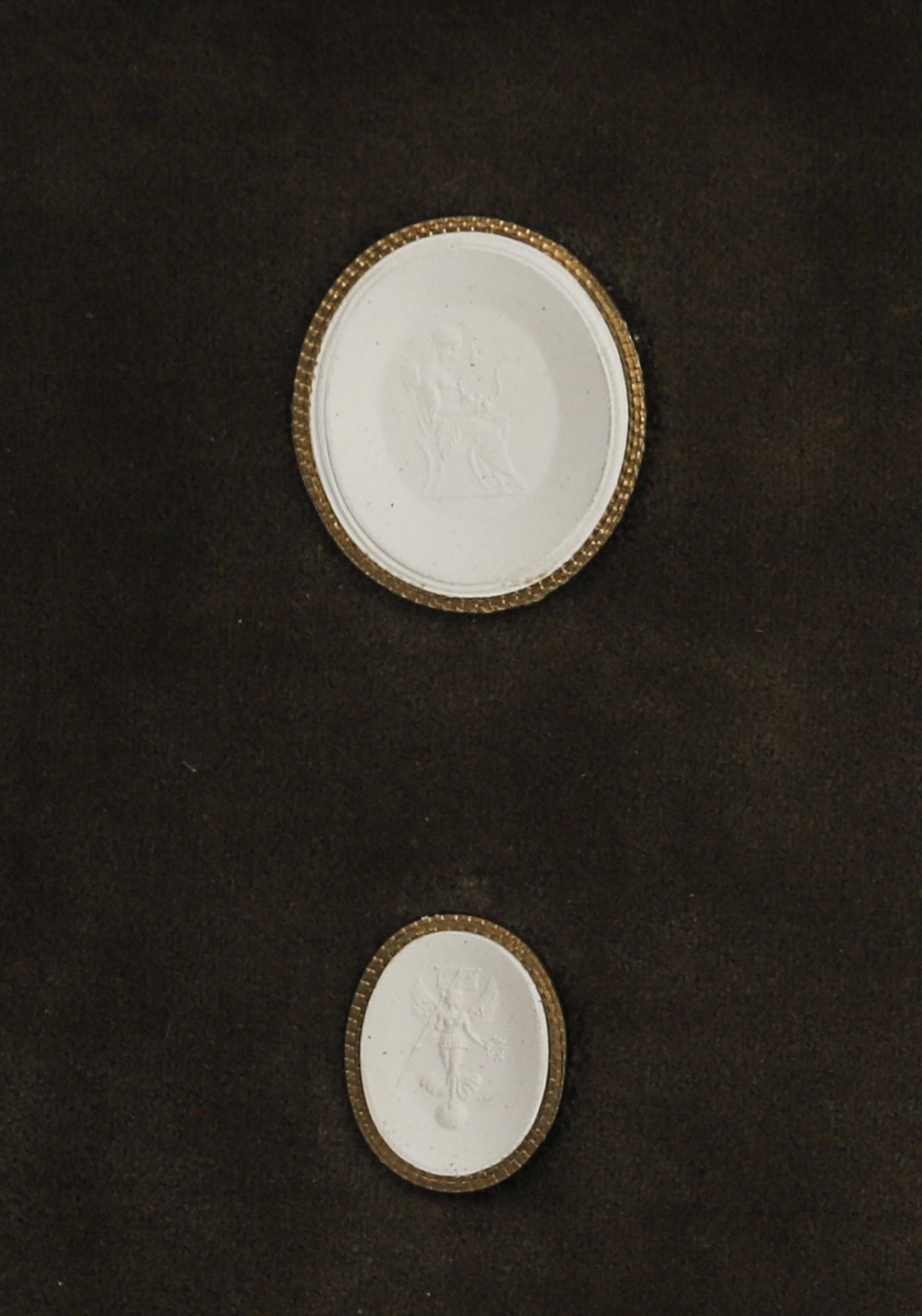
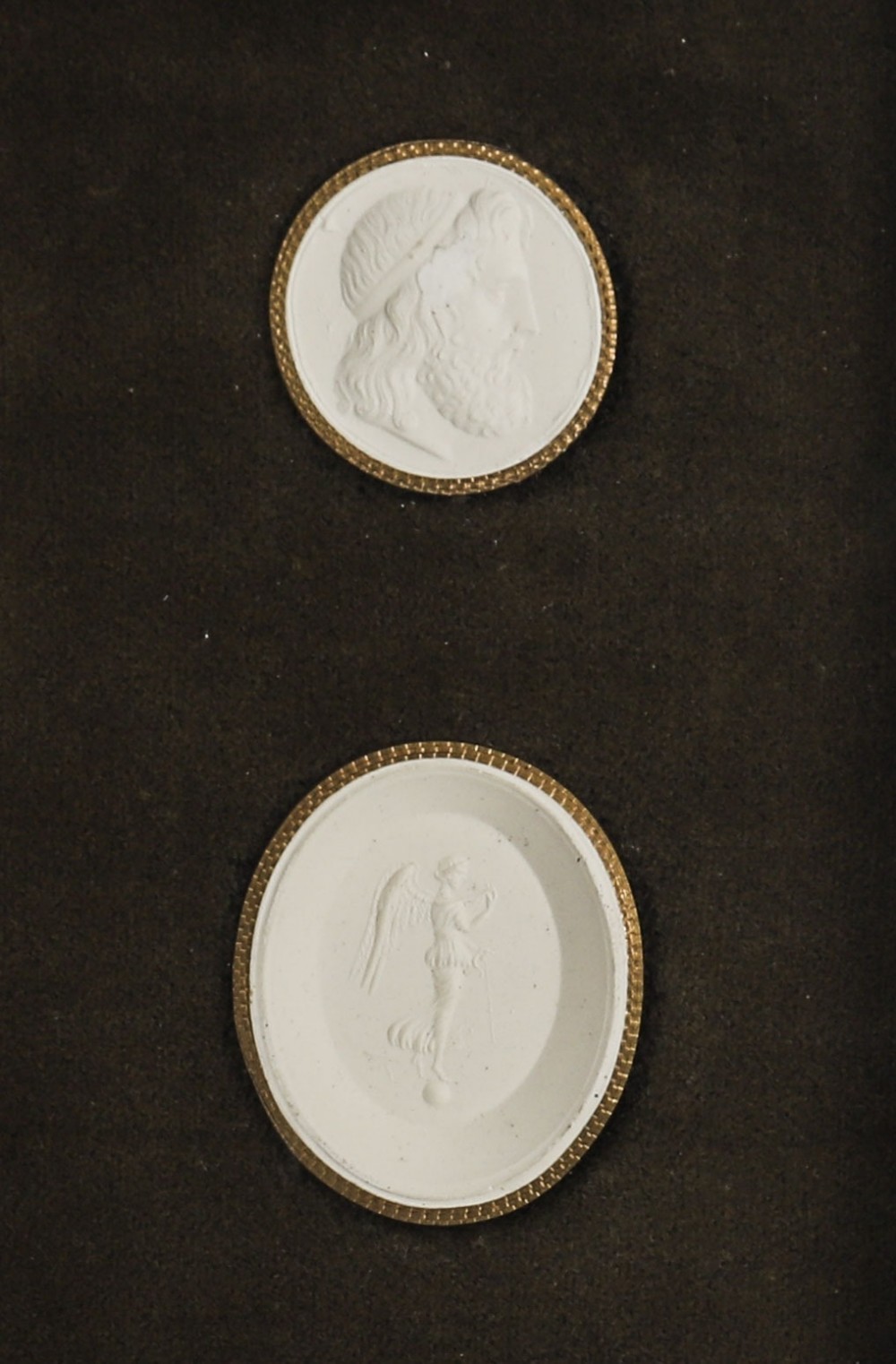
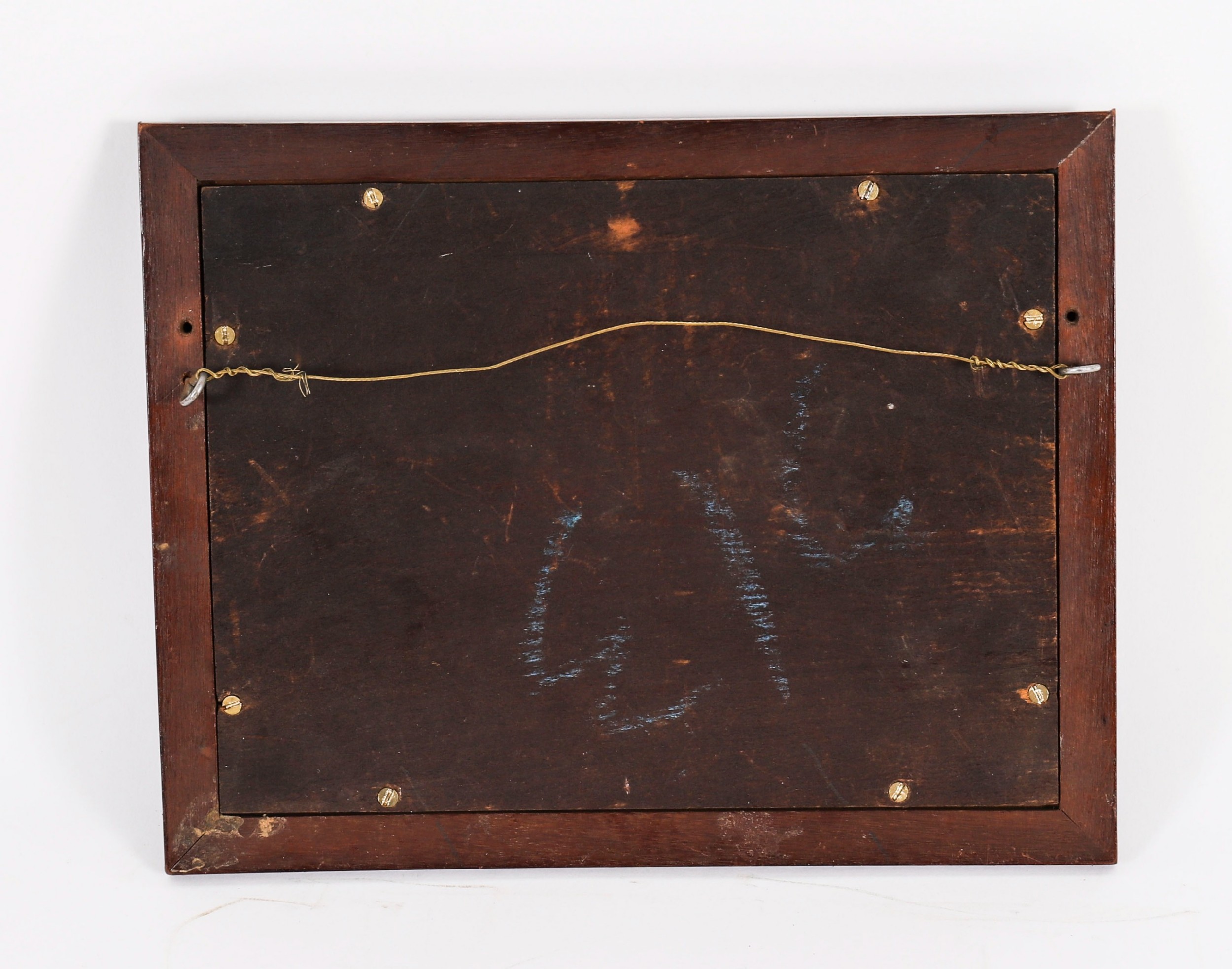
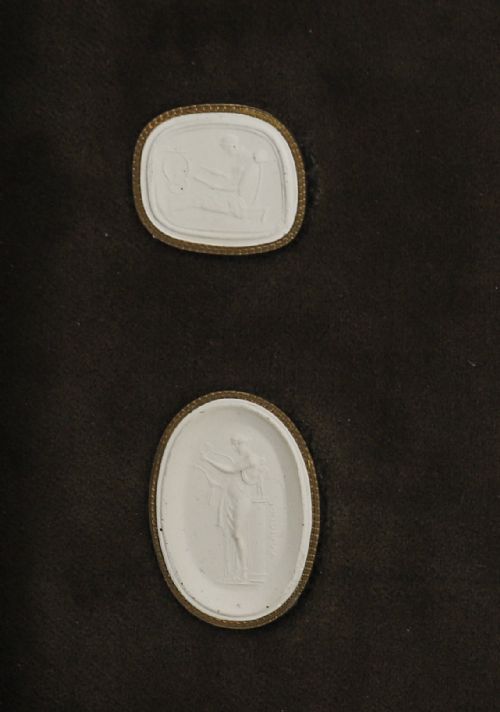
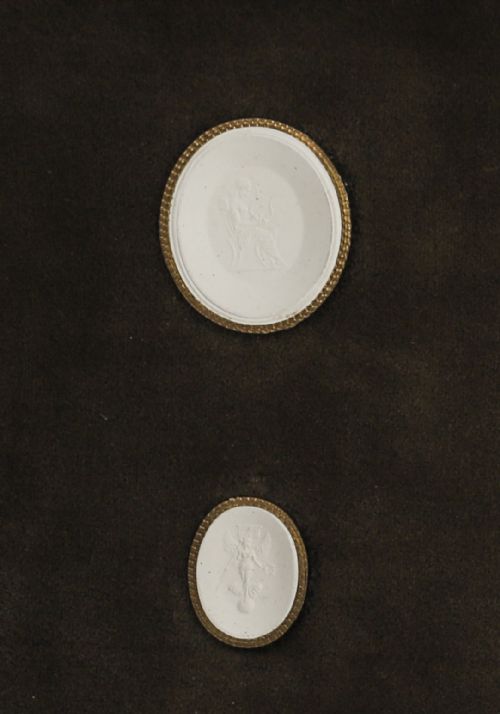
Regent Antiques has dated this Framed Grand Tour Intaglios to the 19th Century.
They are superbly mounted and arranged in their original rectangular walnut frame on a green silk ground.
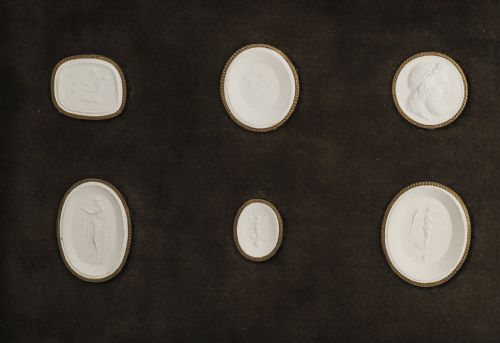
Add a classical element to your home with these lovely intaglios.
Condition:
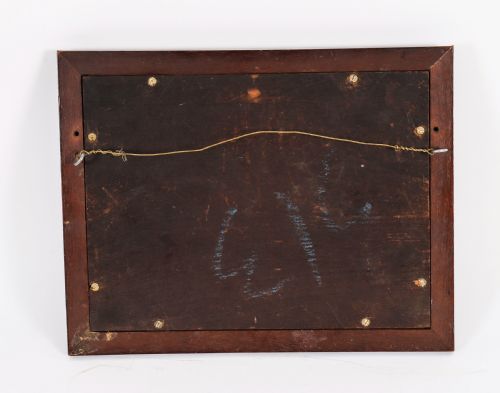
In really excellent condition, please see photos for confirmation.
Dimensions in cm:
Height 20 cm x Width 26 cm x Depth 3 cm - Frame
Dimensions in inches:
Height 8 inches x Width 10 inches x Depth 1 inch - Frame
The Grand Tour was the traditional trip around Europe, often lasting three to four years, undertaken by the wealthy upper-class English during the 16th and 17th century. Their prime interest was to visit cities that were considered major centres of culture; Paris, Rome, Venice, Florence and Naples were popular destinations.
During the 18th and 19th century, the opportunity to take the “Grand Tour” spread from the aristocracy to the new industrial and professional elites, tourist destinations such as Rome shifted their attention from the privileged class to meeting the travel needs of the monied middle-class, including a healthy souvenir trade.
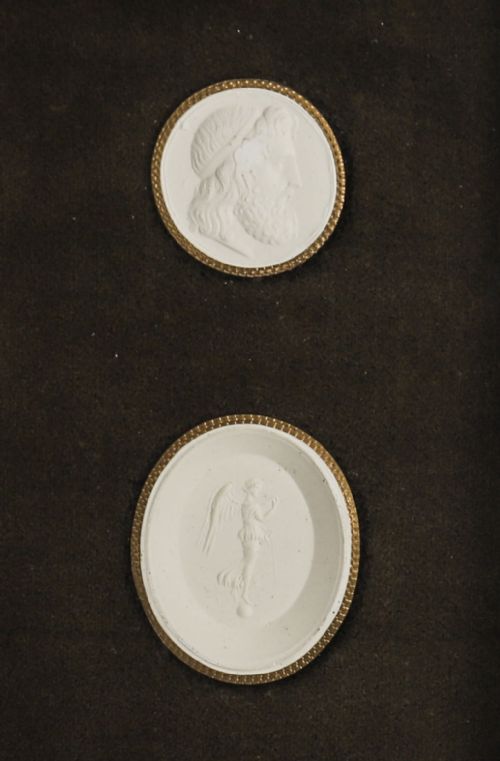
Souvenir engravings of tourist attractions began to appear everywhere. In addition to albums of engraved views, “the Grand Tour offered another very popular type of travel souvenir, the now nearly forgotten cameos. The taste for these engraved antique gems was revived as part of the classical revival and later reproduced as miniature plaster casts. Mounted in faux book bindings, these plaster cameos provided a minutely detailed cabinet of neoclassical knowledge and art.
Pollard Oak
Pollarding is a pruning system in which the upper branches of a tree are removed, promoting a dense head of foliage and branches. It has been common in Europe since medieval times and is practised today in urban areas worldwide, primarily to maintain trees at a predetermined height. The bole of the tree, constantly cut back over a period of years, will eventually form a lump, or ‘burr’, which when sawn for veneer, gives a lovely grained, swirling figure.
The effect is similar to that of burr walnut with its distinctive speckled grain. Burrs, or ‘burls’, are growths which appear on the side of tree trunks, resulting from a tree undergoing some form of stress. They may be caused by an injury, virus or fungus.
During the 19th century great strides were made in the mechanisation of cabinet making. Marc Isambard Brunel [ Isambard Kingdom’s father] built the first steam driven saw mill, and invented a circular saw that could be used to cut veneers thinly and evenly for the first time. He also developed the first hydraulic veneer press. The figured wood cut from burrs and pollards is notoriously difficult to cut and lay: the wild grain which makes it so attractive results in a very delicate, brittle veneer. The new machines enabled the Victorian craftsmen to make the most of these beautiful timbers.
Our reference: A5290a
Regent Antiques has dated this Framed Grand Tour Intaglios to the 19th Century.
We specialise in english and continental furniture, silver, porcelain and decorative items.
You can view the stock and full dealer information on the Regent Antiques Profile Page
Regent Antiques is a registered member of LAPADA CINOA
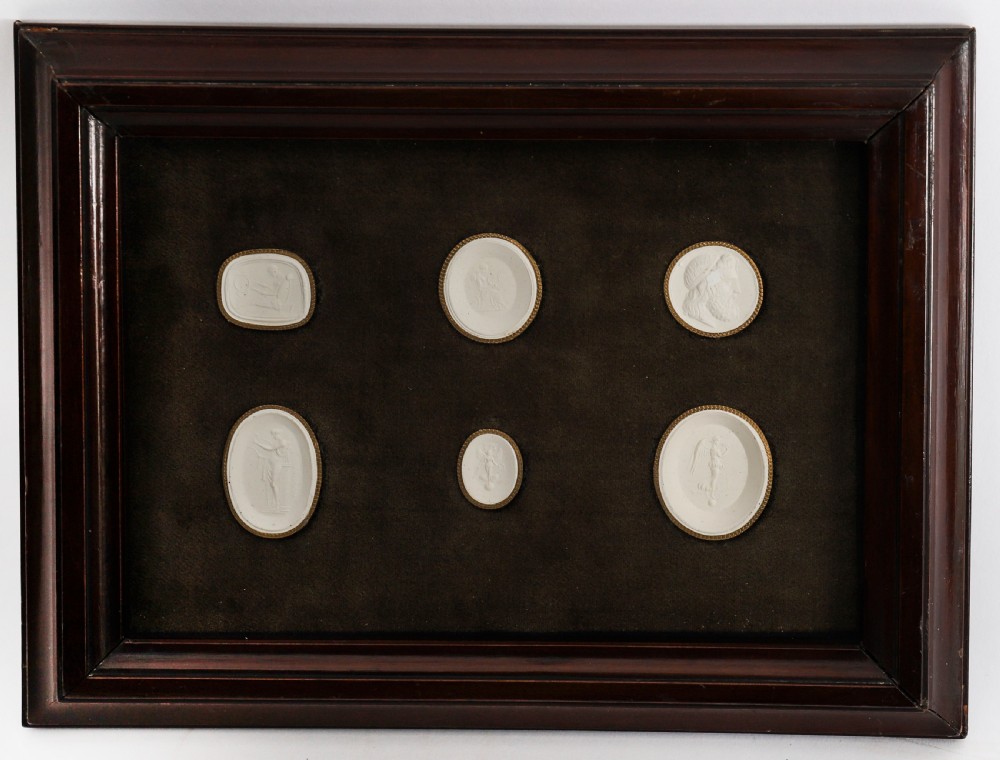
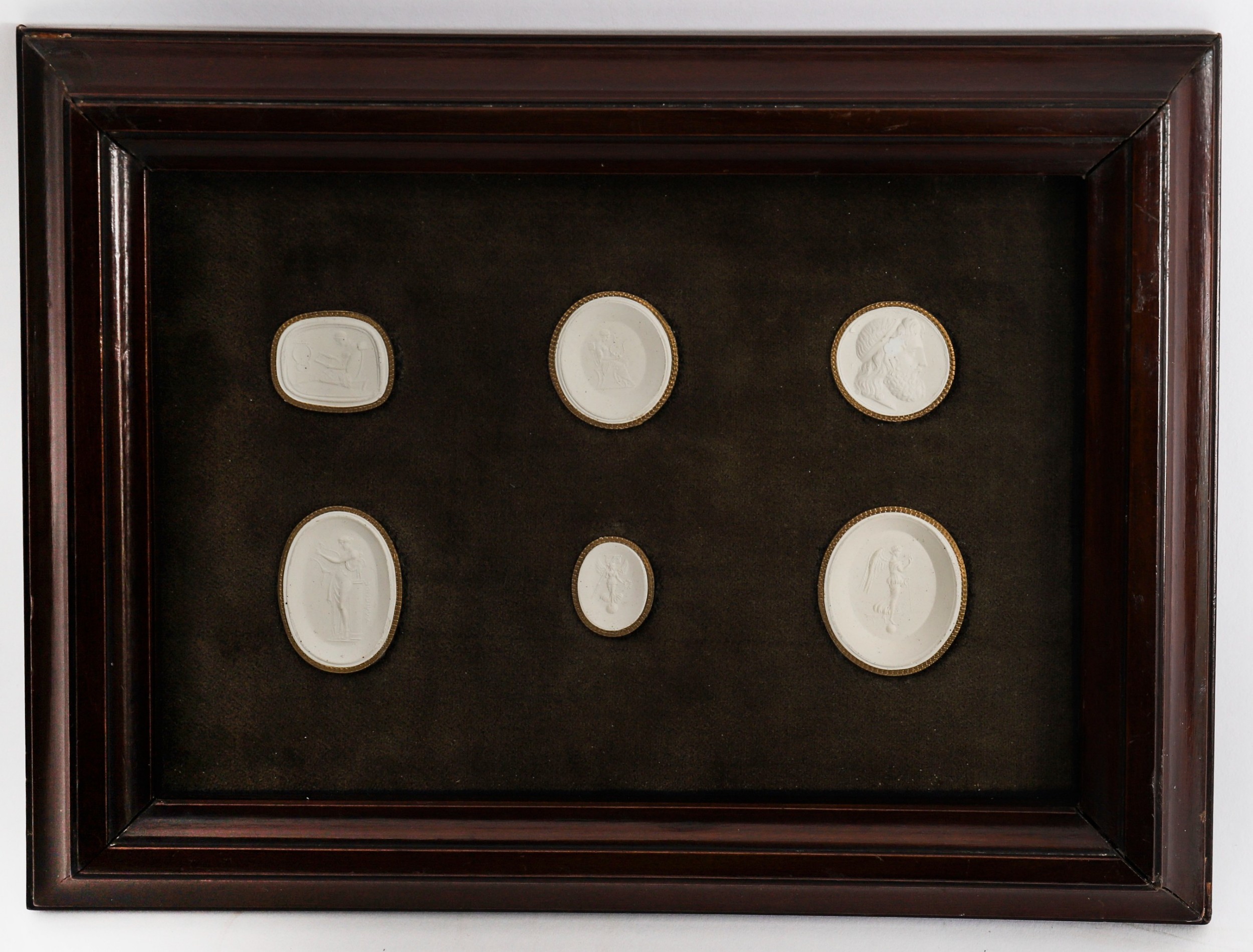
Antique Framed Collection Grand Tour Classical Intaglios Early 19th C