



Neoclassical Wall Decor
Neoclassical wall decor brings classical motifs and antique form to a room through panels, plaques, and framed artwork.
Neoclassical Wall Decor
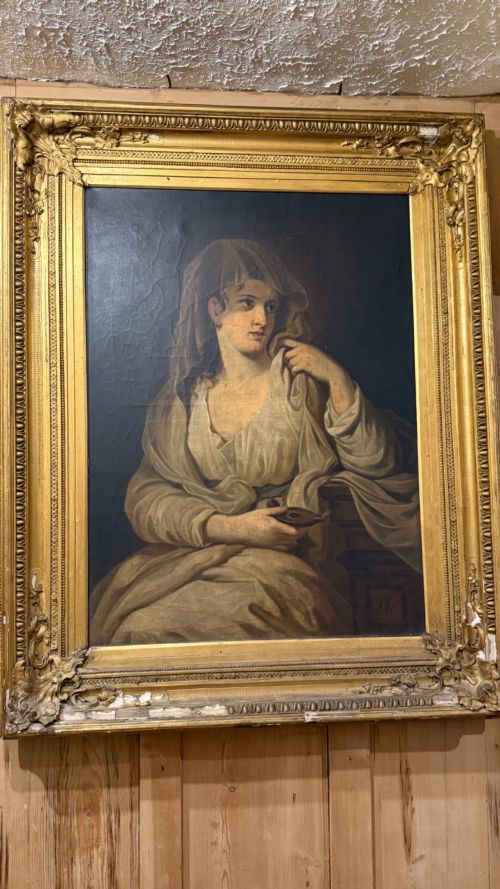
Neoclassical wall decor encompasses diverse forms rooted in classical antiquity, ranging from framed oil paintings and decorative panels to sculptural reliefs and wall brackets. These pieces draw upon eighteenth and nineteenth-century interpretations of Greek and Roman design, incorporating architectural elements and mythological subjects into domestic interiors.
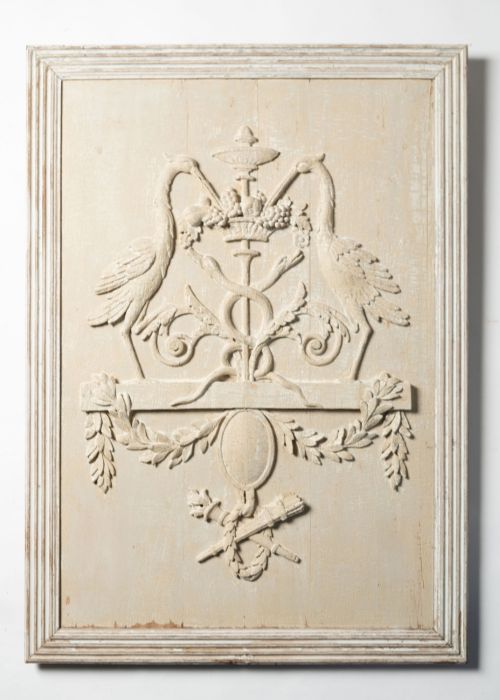
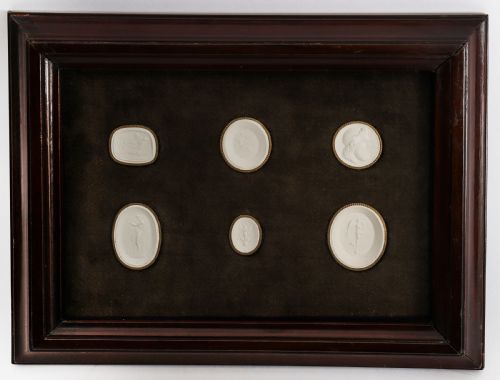
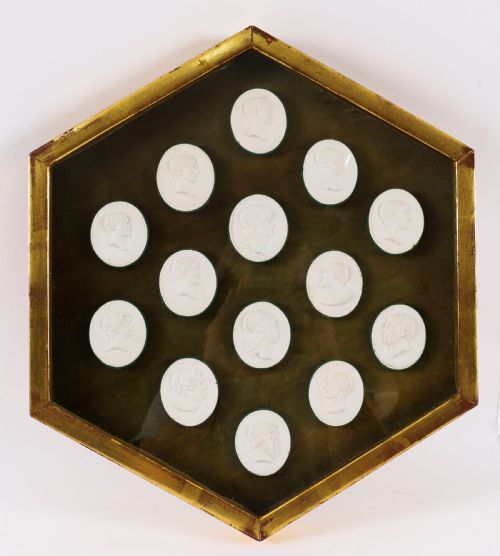
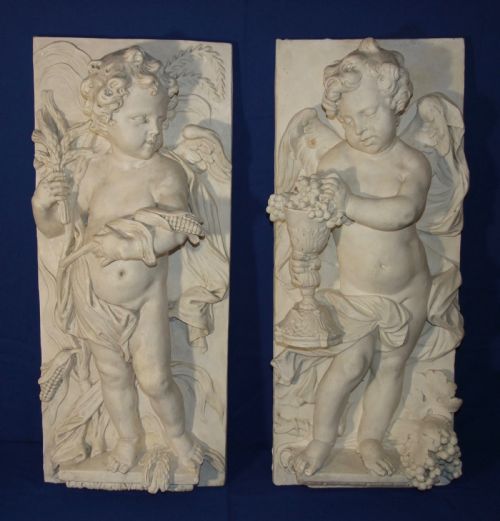
On this page, buyers frequently encounter framed Grand Tour intaglios, carved wooden panels, and moulded plaster casts. The selection spans the eighteenth century through the mid-twentieth century, showing sustained interest in classical revival aesthetics across multiple eras.
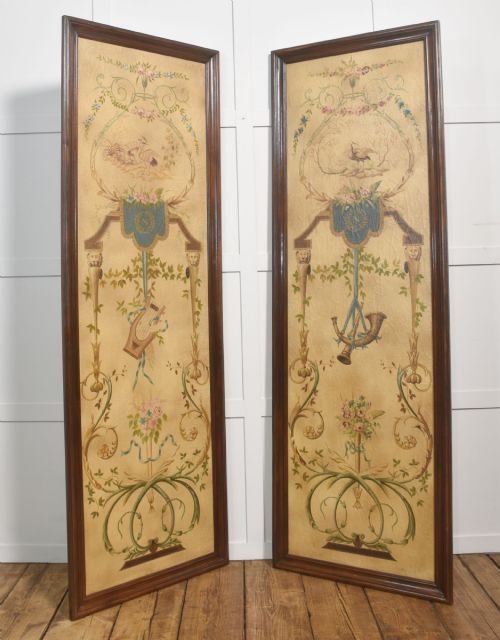
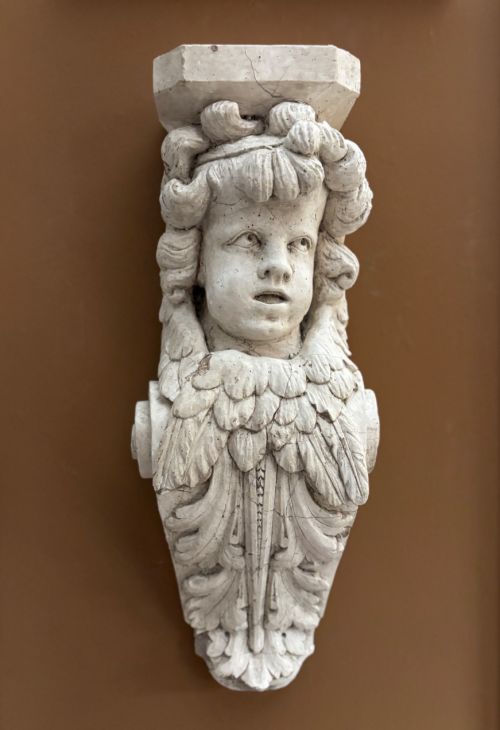
Formats vary widely between flat wall art and projectional elements such as corbels and wall masks. Painted decorative panels and framed sculptures provide distinct ways to introduce symmetry and classical ornament to a wall scheme.
Assessing quality in neoclassical pieces
Quality rests upon the crispness of the modelling in plaster casts and the depth and precision of hand-carving in wood panels. Superior examples show careful attention to anatomical proportion in figures such as putti, griffins, and classical deities.
Materials and finishing contribute significantly to the overall presence of a piece, with genuine period gilding, rich paint layers, and well-preserved intaglio collections distinguishing finer examples from simpler decorative items.
Listings feature items from the eighteenth, nineteenth, and twentieth centuries, using plaster, oil on canvas, giltwood, and carved wood.
Jean Baptiste Isabey·Carlhian and Corbiere·Giovanni Liberotti
The Neoclassical Wall Decor Glossary
- Intaglio
- A gem, bead, or other hard stone carved with a design that is incised, creating a negative image. Grand Tour intaglios were collected by travellers in the eighteenth and nineteenth centuries and mounted in framed collections.
- Corbel
- A structural or decorative bracket projecting from a wall to support a weight, often carved in wood or cast in plaster as a putto or architectural scroll.
- Giltwood
- Wood that has been treated with gold leaf or powder, commonly utilised on eighteenth and nineteenth-century frames and architectural panels.
- Composition
- A moulded material made from whiting, resin, glue, and linseed oil, pressed into moulds to create decorative relief ornaments for walls and frames.
- Frieze
- A long, narrow band of sculpture or painted decoration adorning a wall, often depicting classical figures or mythological scenes.
Neoclassical Wall Decor: Frequently Asked Questions
What periods do these wall pieces cover?
The pieces span from the eighteenth century through the mid-twentieth century, reflecting enduring revivals of classical design.
Nineteenth-century examples dominate the selection, alongside eighteenth-century plaster casts and later twentieth-century interpretations.
How were Grand Tour intaglios displayed?
Intaglios were collected by travellers on the Grand Tour and typically mounted in framed arrangements for display in studies and libraries.
These collections preserve classical imagery in miniature, often accompanied by nineteenth-century labels and framing.
What is the difference between a wall plaque and a panel?
Wall plaques generally focus on a single sculptural subject, such as a mythological head or a cast of a specific classical relief. Panels tend to be larger, often painted or carved with symmetrical decorative schemes suited for over-doors or wall surfaces.
Are these pieces made of plaster or wood?
Both materials appear frequently across the selection, depending on the object type. Plaster and composition are common for sculptural friezes and corbels, while wood forms the base for carved panels and framed oil paintings.