



Grand Tour Plaster Cameos
Grand tour plaster cameos are miniature neoclassical reliefs brought back from European travels, prized for bringing classical sculpture home into domestic interiors.
Grand Tour Plaster Cameos
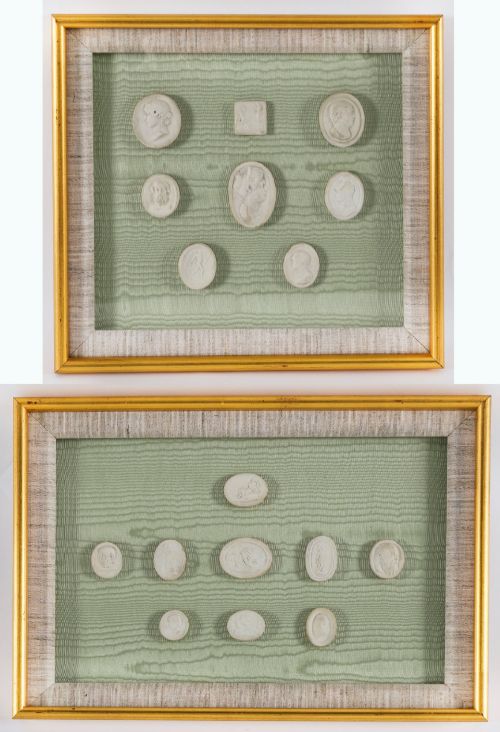
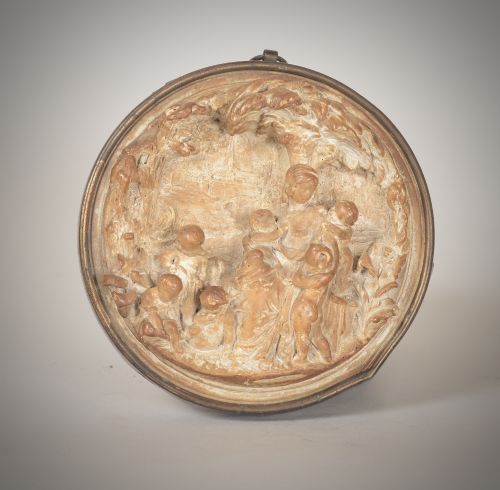
Grand tour plaster cameos comprise framed classical intaglios, relief panels, and medallion sets originating predominantly in the nineteenth century. These decorative objects capture ancient statues, profiles, and mythological subjects in miniature form.
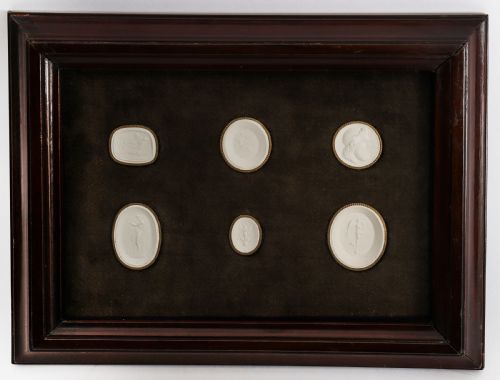
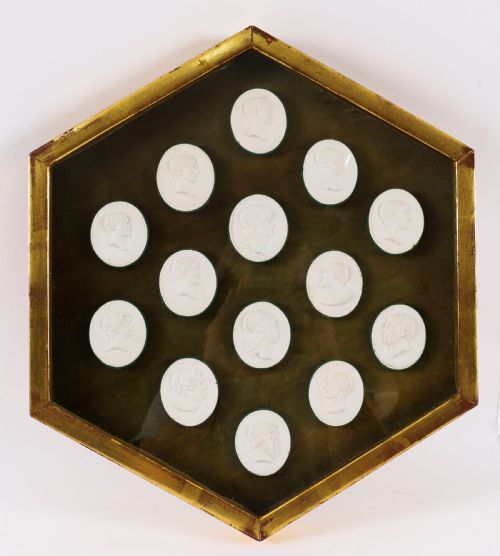
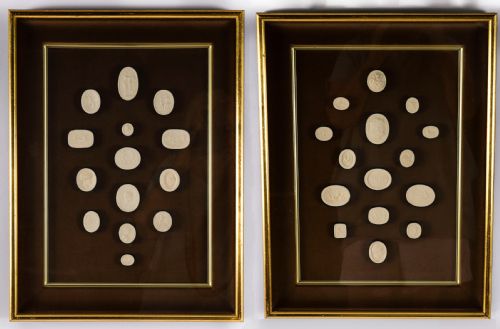
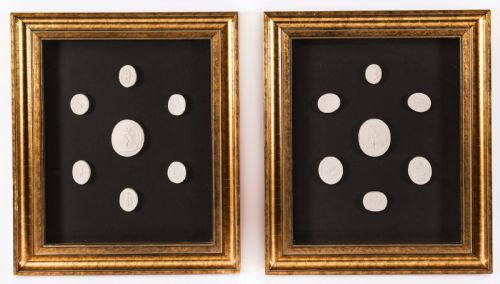
Buyers on this page most frequently encounter nineteenth century framed pairs, collections, and sets housed in giltwood, wood, or glass cases. These arrangements display classical motifs gathered by travellers journeying through Italy.
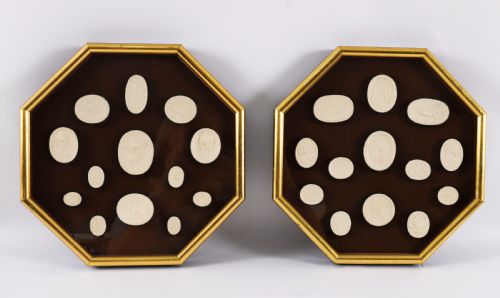
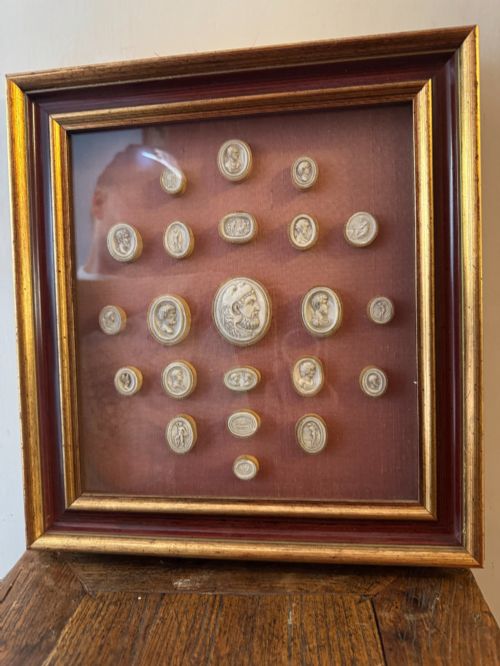
The objects take various forms, from octagonal framed single panels to extensive collections numbering over thirty individual plaster casts. Each piece preserves the sculptural aesthetic of antiquity for wall display.
How they were made
Makers produced these works using plaster and gypsum, casting relief impressions from moulds taken of ancient gems and sculptures. The resulting white casts stand out sharply against velvet or fabric backings.
Framing utilised gilt wood, giltwood, and standard wood surrounds, often incorporating glass to protect the delicate plaster surfaces. Selected sets received gold leaf highlights or careful arrangement within bespoke boxes.
Listings feature nineteenth century plaster, gypsum, and glass framed within giltwood and wood.
What varies in quality
Quality rests upon the crispness of the plaster casting and the depth of detail preserved in each classical profile. Finer examples show sharp relief lines that capture the subtle musculature and drapery of the original sculptures.
The quality of the presentation mounts equally defines the piece, distinguishing standard frames from elaborate giltwood enclosures and velvet-lined shadow boxes. Sets with documented studio involvement or harmonious arrangement command greater visual presence.
Giovanni Liberotti·Pietro Bracci
The Grand Tour Plaster Cameos Glossary
- Cameo
- A method of carving or casting an object where the subject is raised in relief against a contrasting background.
- Intaglio
- A design carved into a material or cast in reverse, creating a sunken image rather than a raised relief.
- Gypsum
- A soft sulphate mineral used historically to create fine plaster casts for artistic and decorative purposes.
- Giltwood
- Wood that has been coated with a thin layer of gold leaf or gilt paint for decorative framing.
- Neoclassical
- An artistic movement drawing inspiration from the classical art and culture of ancient Greece and Rome.
Grand Tour Plaster Cameos: Frequently Asked Questions
How were grand tour cameos originally displayed?
Travellers mounted these plaster casts in custom wooden frames or kept them within specialised collectors' cabinets to display upon their return home.
Over time, framing styles shifted to protect the fragile plaster behind glass against dust and handling.
What subjects do these plaster casts depict?
The reliefs typically portray classical figures, Roman emperors, mythological scenes, and famous antique statues encountered during European travels.
These subjects reflect the educational ideals and classical tastes of nineteenth-century collectors.
How should I care for framed plaster cameos?
Keep framed pieces away from direct sunlight and damp environments to protect the delicate plaster casts and fabric backings.
Dust the exterior glass gently and avoid opening sealed frames to prevent accidental damage to the fragile reliefs inside.
How do I distinguish between periods?
Dating relies heavily on the construction of the frame, the backing materials used, and any studio signatures present on the reverse.
Nineteenth-century examples often feature specific giltwood mouldings and velvet arrangements characteristic of Italian mounting workshops.