



Framed Classical Intaglios
Framed classical intaglios are miniature plaster and glass reliefs assembled during the Grand Tour, offering a tangible link to ancient sculpture.
Framed Classical Intaglios
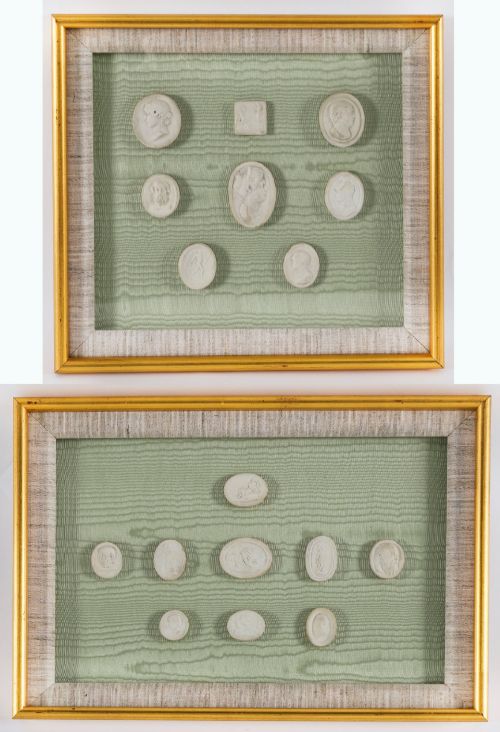
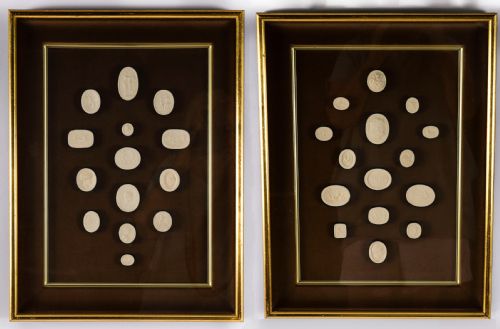
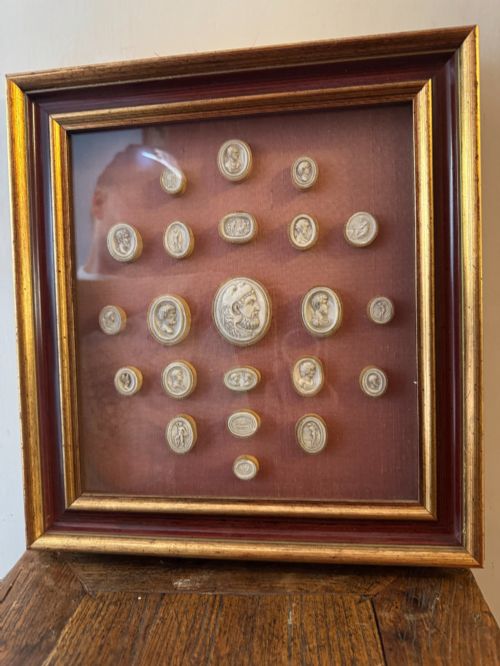
Framed classical intaglios are decorative wall panels and art objects containing collections of miniature plaster, glass, or gypsum casts. These pieces originate primarily from the nineteenth century as souvenirs of the Grand Tour, capturing antique statuary and cameos in relief.
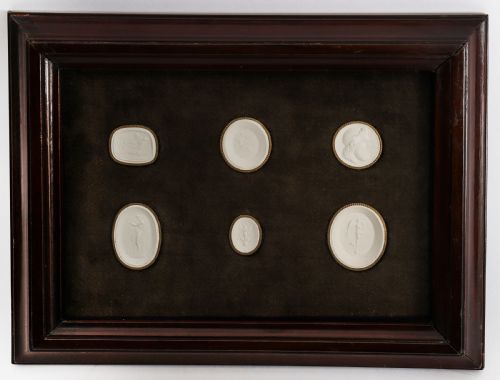
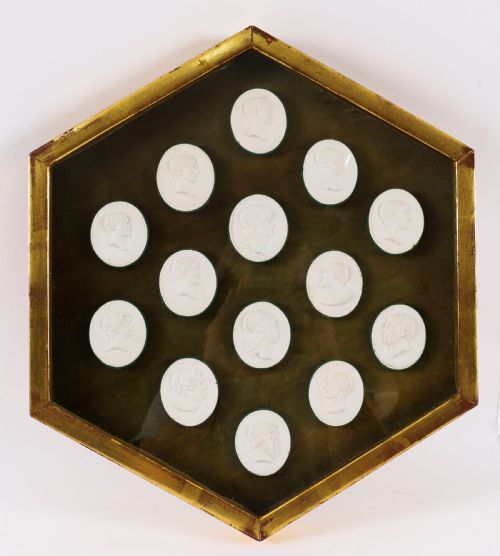
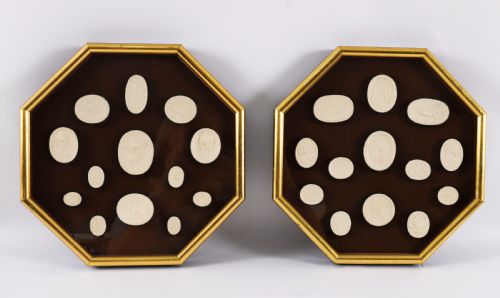
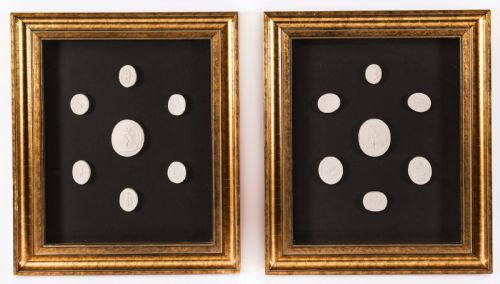
Buyers mostly encounter framed collections arranged inside giltwood, maple, ebonised, or pollard oak frames, often lined with velvet or fabric. The objects range from single panels to extensive sets containing dozens of individual medallions.
The style is predominantly neoclassical, reflecting the period fascination with classical antiquity and Italian craftsmanship. These works function primarily as wall art and decorative plaques intended for study and display.
How they were made
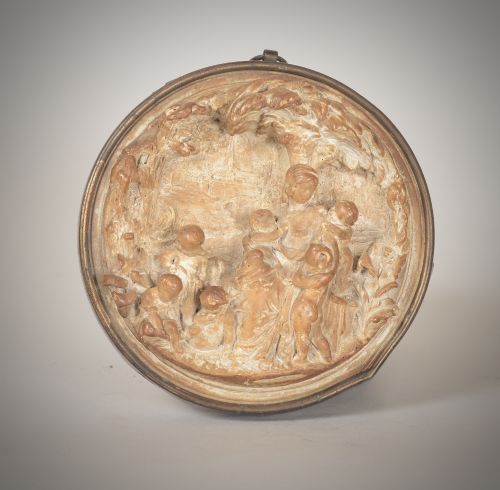
The medallions themselves are cast from plaster, gypsum, or glass, capturing the fine details of ancient gems and sculptures. Workshops utilised precise moulding techniques to replicate classical forms on a miniature scale.
Makers set these casts against backings of velvet, fabric, or plain ground within wooden surrounds of giltwood, maple, pollard oak, or ebonised timber. The assembly requires careful mounting to secure each delicate relief within its designated compartment.
Materials recorded in the inventory include plaster, glass, velvet, gilt wood, fabric, giltwood, wood, and gold leaf.
What varies in quality
Quality rests in the crispness of the plaster or glass cast and the depth of detail preserved from the original antique source. Superior examples display sharp contours and clean separation across every medallion within the frame.
The execution of the surrounding frame and the quality of the internal velvet or fabric lining also distinguish the pieces. Harmonious arrangement and robust housing elevate the overall presentation of the collection.
Giovanni Liberotti·Pietro Bracci
The Framed Classical Intaglios Glossary
- Intaglio
- A design incised or engraved into a material so that the impression rises in relief when cast. These casts form the primary visual elements in Grand Tour frames.
- Grand Tour
- An extended journey through Europe, particularly Italy, undertaken by wealthy young men in the eighteenth and nineteenth centuries to study classical art. This cultural movement generated the demand for cast collections.
- Plaster cast
- A positive reproduction made by pouring liquid plaster into a mould taken from an antique gem or sculpture. This medium allowed travellers to transport miniature galleries home.
- Neoclassical
- A Western cultural movement drawing inspiration from the art and culture of classical antiquity. The style dominates the subjects depicted in these framed reliefs.
- Giltwood
- Wood carved and covered with a thin layer of gold leaf. This material frequently frames the more decorative intaglio panels.
Framed Classical Intaglios: Frequently Asked Questions
What are framed classical intaglios?
Framed classical intaglios are nineteenth-century collections of miniature plaster or glass casts mounted behind glass in wooden frames. They reproduce ancient Roman and Greek sculptures and gems.
Travellers returning from the Grand Tour brought these pieces home as portable galleries of classical art. They serve today as decorative wall art.
How were these intaglios displayed?
Makers arranged the plaster casts neatly against velvet or fabric backings inside custom wooden frames. They hung them on library walls or placed them in studies for close examination.
The frames themselves utilised giltwood, maple, ebonised wood, or pollard oak to complement the white plaster reliefs.
How do I date a framed intaglio?
Dating relies on examining the frame timber, the backing materials, and the style of the paper or trade labels on the reverse. Nineteenth-century pieces often feature specific mouldings and hand-stitched fabrics.
Signatures or stamps from makers like Giovanni Liberotti or Pietro Bracci provide more precise chronological markers.
Are these pieces fragile?
The internal plaster casts are delicate and vulnerable to impact if the frame is opened or shaken. They require stable indoor environments away from excessive moisture.
Keeping the original glazing intact protects the surface dust and atmospheric wear from damaging the fragile reliefs.