




19th Century Plaster Cast
These 19th century plaster cast pieces bring classical antiquity and academic sculpture directly into domestic rooms through detailed plaster work.
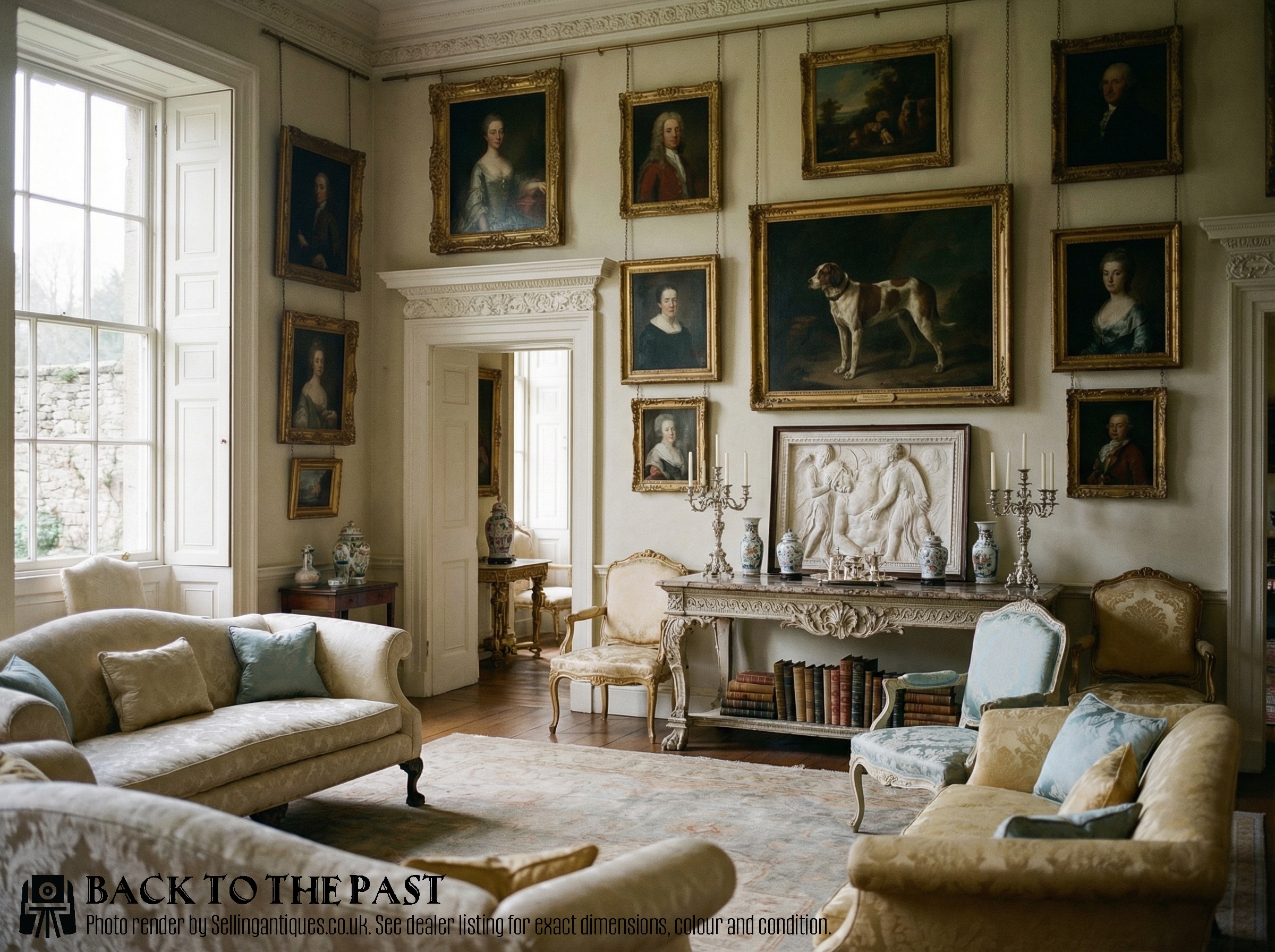
19th Century Plaster Cast
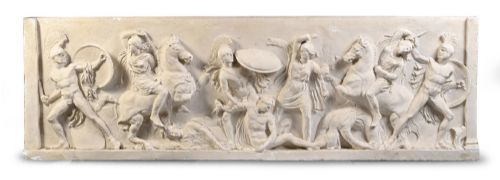
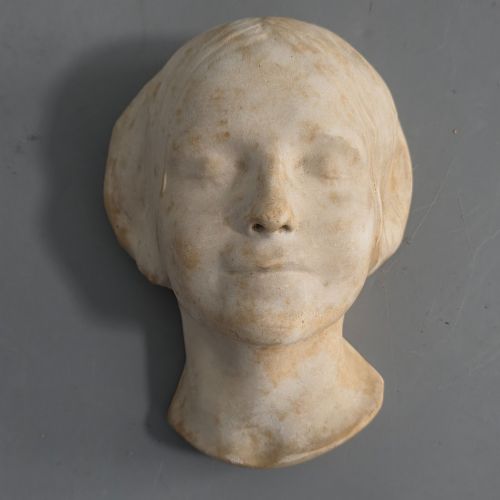
A 19th century plaster cast takes many distinct forms, ranging from single portrait busts and animalier figures to large wall panels and extensive collections of small intaglios. These objects originated largely from Grand Tour travels, academic studies, and workshop reproductions of famous classical and Renaissance sculptures.
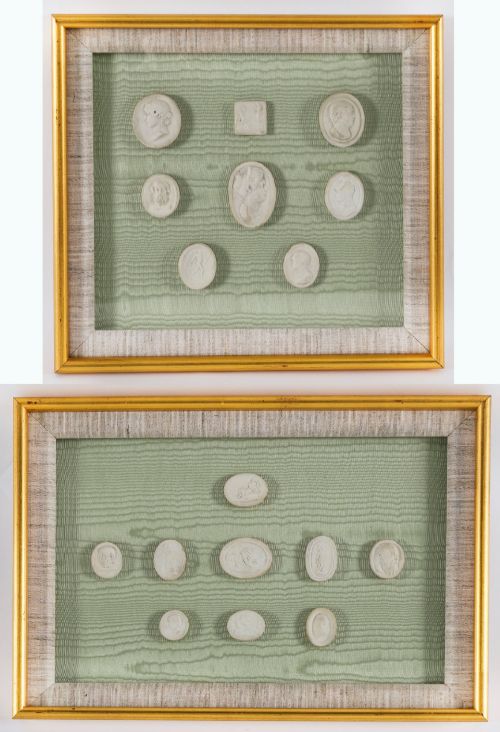
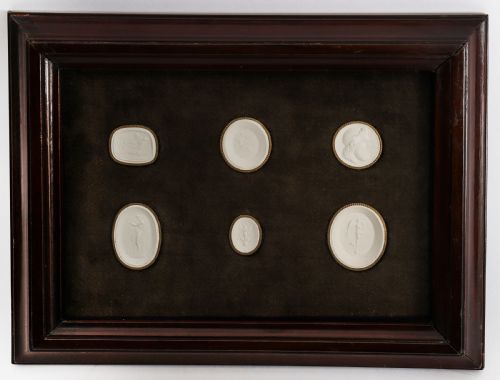
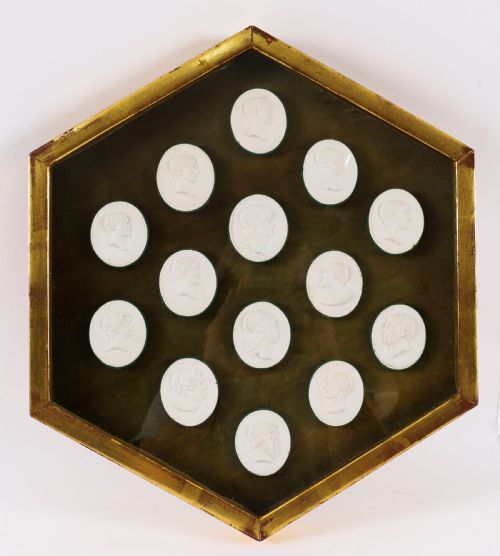
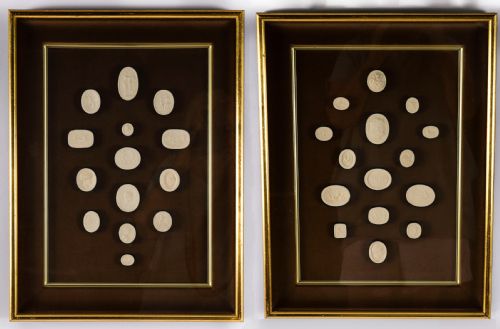
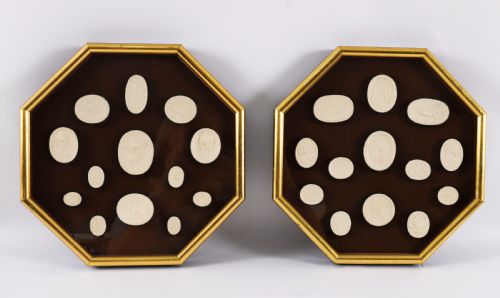
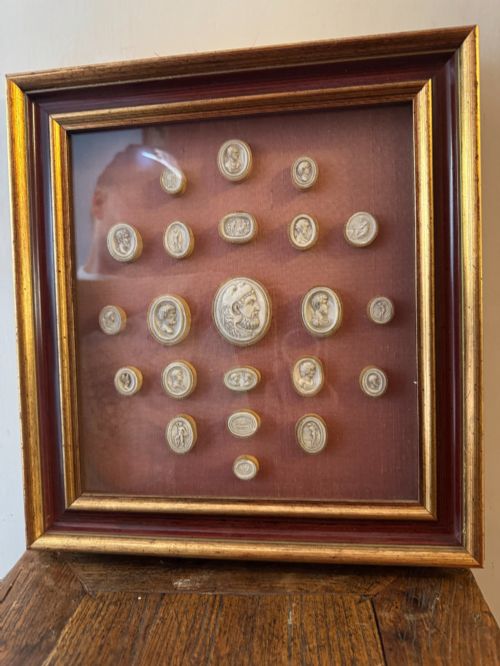
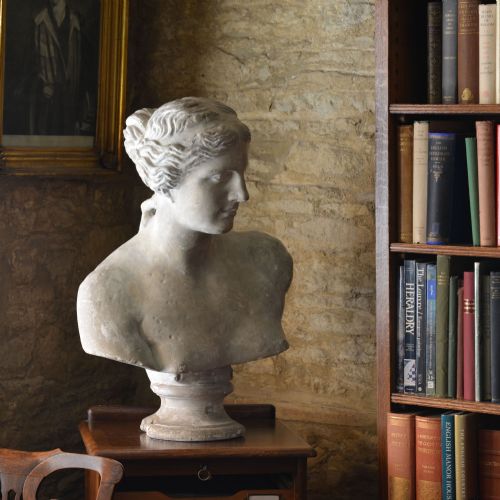
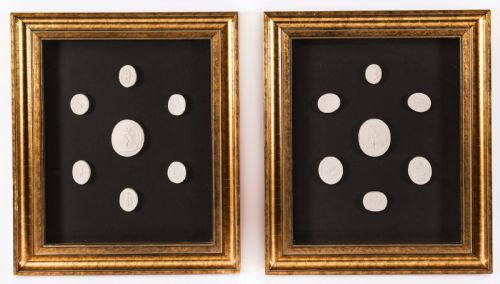
The version most commonly met on this page is the framed Grand Tour intaglio collection, often arranged in sets inside wooden boxes or wall frames lined with velvet or fabric. Alongside these relief panels, buyers frequently encounter freestanding busts of mythological figures, classical deities, and historical personages.
The stylistic influences span Neoclassical, Victorian, and Renaissance Revival movements, reflecting the nineteenth-century passion for ancient art and accurate sculptural copies. Pieces range from Italian workshop productions to English and French school interpretations of canonical masterworks.
Materials and Technique
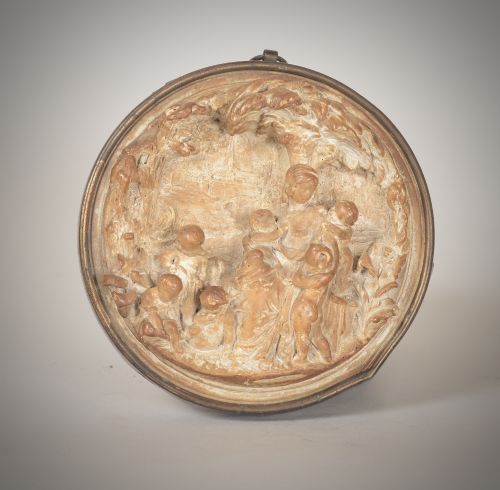
Plaster serves as the primary medium, cast from moulds taken directly from original sculptures or carved intaglios, sometimes treated with patination, bronzing, or gold leaf to simulate heavier metals and stone. These delicate casts are typically mounted within wooden frames, frequently enhanced by giltwood, glass protection, and fabric backings such as velvet.
Specialised workshops employed skilled modellers and casters who poured fine gypsum plaster into intricate moulds to capture minute details of classical subjects and relief scenes. The resulting casts required careful finishing, mounting, and framing to preserve their fragile surfaces and enable wall display or cabinet storage.
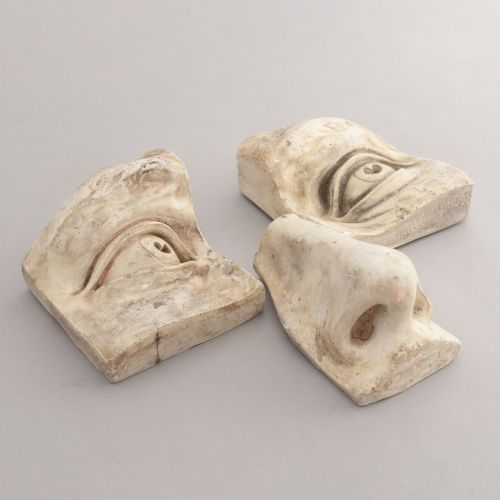
The object forms range from monumental busts of Homer and Venus de Milo to miniature framed intaglios and architectural animal reliefs.
Evaluating Quality
The quality of the housing contributes significantly to the overall piece, with deep wood frames, fine giltwood, and well-chosen velvet or fabric linings elevating the status of the cast. Comprehensive sets arranged systematically demonstrate greater workshop care than haphazardly assembled groups.
Giovanni Liberotti·Pietro Bracci·D. Brucciani and Co
The 19th Century Plaster Cast Glossary
- Intaglio
- A design carved into a material so that the impression sinks below the surface, frequently reproduced in plaster on Grand Tour panels. These miniature reliefs emulate ancient carved gems.
- Grand Tour
- A cultural journey of Europe undertaken by wealthy young men in the eighteenth and nineteenth centuries to study classical art. Travellers collected plaster casts and intaglios as tangible proof of their classical education.
- Plaster Cast
- A copy of a sculpture or relief made by pouring liquid plaster into a mould. This technique allowed widespread access to famous monuments and museum pieces.
- Animalier
- A nineteenth-century artistic style focusing on realistic depictions of animals. Sculptors in this tradition captured wild beasts and domestic creatures with anatomical precision.
- Patinated
- Treated to give an aged or weathered surface appearance, often simulating bronze or stone. This finish adds visual depth to the plain white plaster.
19th Century Plaster Cast: Frequently Asked Questions
What is a 19th century plaster cast?
A 19th century plaster cast is a sculptural reproduction made from gypsum plaster, typically replicating classical statues, Renaissance reliefs, or antique intaglios during the Victorian era.
These pieces served as educational tools, decorative objects, and souvenirs for travellers returning from European art capitals.
How were Grand Tour intaglios displayed?
Grand Tour intaglios were usually arranged in sets and mounted within custom wooden frames or boxed cases lined with velvet or fabric. Glass often protected the delicate plaster reliefs from dust and damage while allowing clear viewing.
Collectors hung these framed panels on walls or stored them in libraries for close inspection and academic study.
How do I care for antique plaster?
Antique plaster requires protection from moisture, direct sunlight, and physical impact due to its fragile and porous nature. Dusting should be done gently with a soft, dry brush without using water or cleaning solutions.
Keeping framed pieces behind glass helps shield the delicate surfaces from atmospheric grime and accidental handling.
How can I tell different periods apart?
Distinguishing periods involves examining the framing materials, mounting style, and the specific subjects chosen, as Neoclassical, Victorian, and Renaissance Revival tastes evolved through the century. Earlier nineteenth-century pieces often reflect direct Grand Tour acquisition trends, while later Victorian casts frequently showcase industrial workshop production.
Maker signatures, stamps on the reverse, and historical subject matter also provide clues to the exact era of creation.