


White Plaster Sculpture
White plaster sculpture brings classical figures, historical busts and academic casts into the home with a quiet, chalky presence.
White Plaster Sculpture
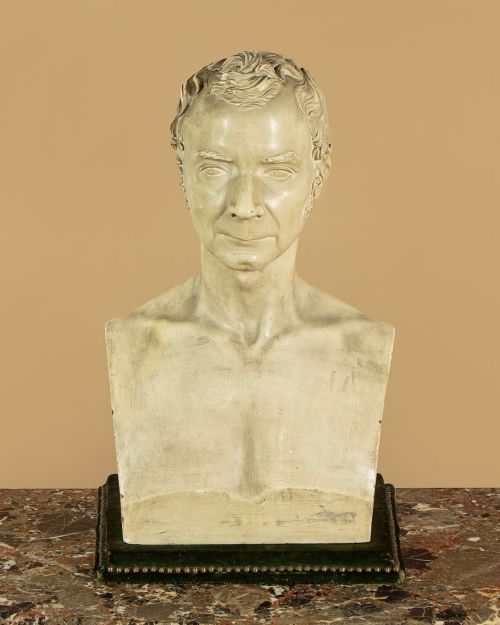
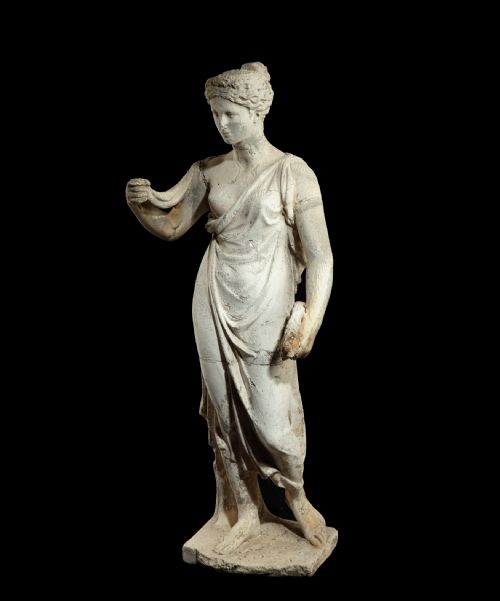
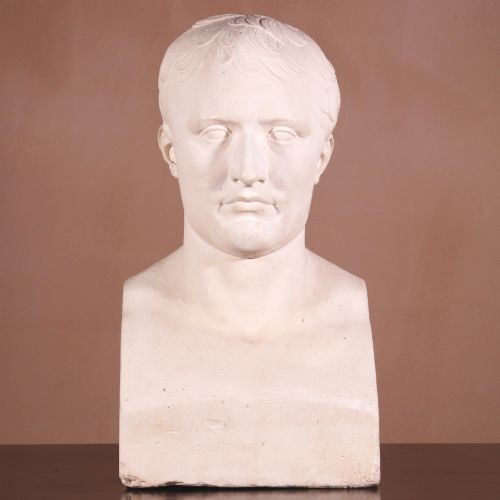
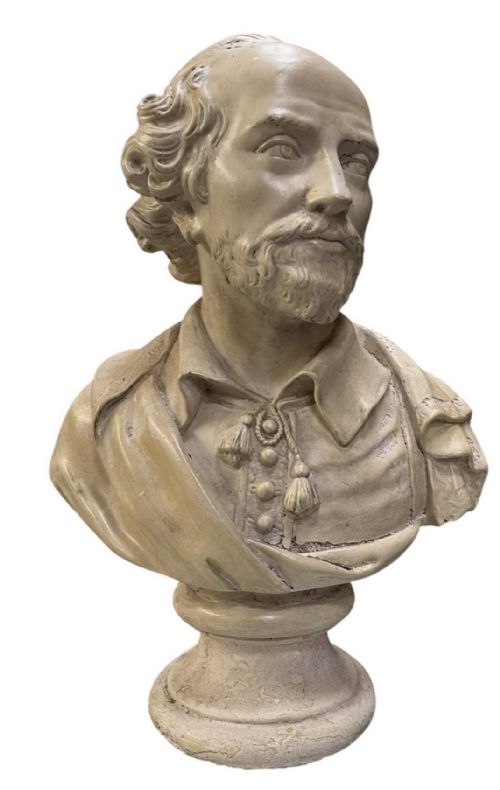
White plaster sculpture encompasses a wide variety of classical figures, portrait busts, relief panels and architectural ornaments spanning the nineteenth and early twentieth centuries. These pieces draw heavily on neoclassical aesthetics, translating antique marble masterpieces and academic models into accessible decorative objects.
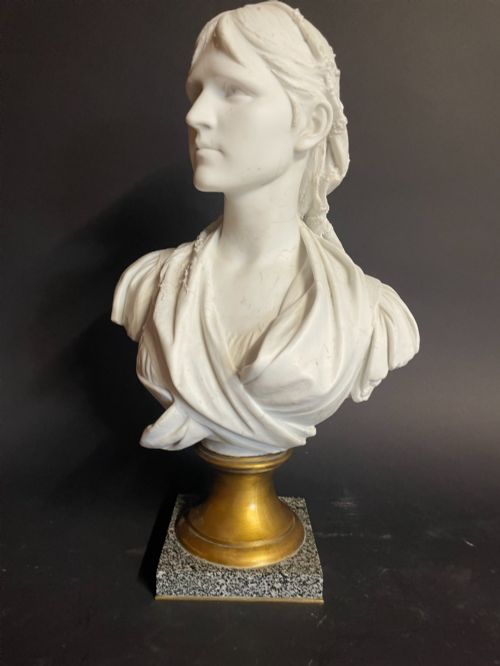
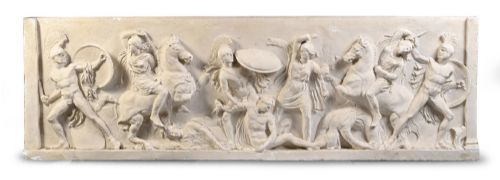
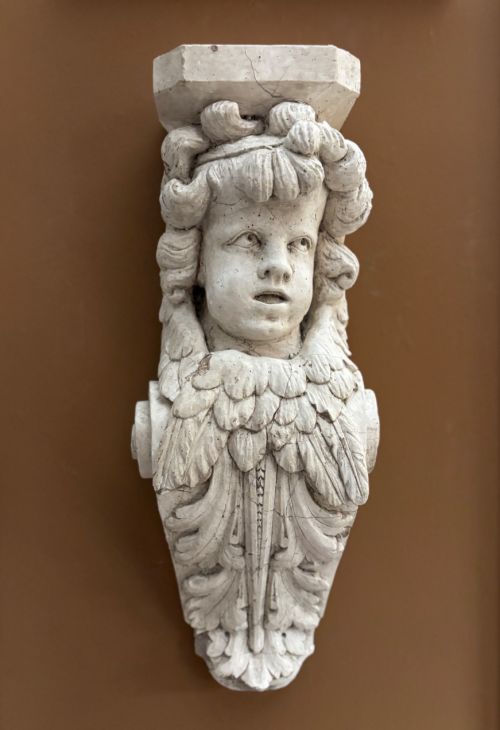
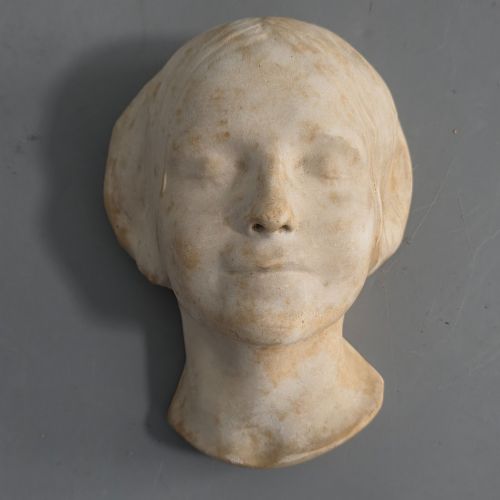
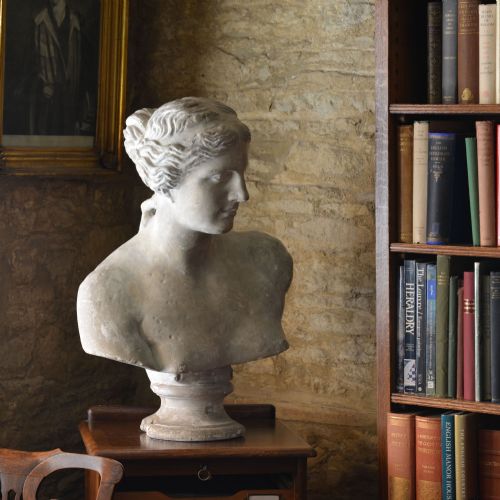
Buyers will most frequently encounter nineteenth-century plaster busts depicting historical figures, literary icons such as Shakespeare and Walter Scott, or classical deities like Venus and Apollo. Architectural elements such as wall brackets, corbels and relief casts also appear regularly alongside animal studies and death masks.
The objects originate from diverse European traditions, including British studio works, French academic pieces and Italian foundry casts. Many serve as reduced-scale copies of renowned museum sculptures, created for domestic display, artist reference or library decoration.
How they were made
These works rely on plaster, gypsum, gesso and composition materials poured or pressed into complex moulds to capture fine detail. Some pieces incorporate marble dust or stone binders to increase weight and density, mimicking the surface texture of carved stone.
Makers often mounted finished plaster figures on wooden bases or integrated brass and granite elements for structural support. Surface finishes frequently include a thin gesso layer or white wash to achieve an even, matte tone across the modelled form.
White Plaster Sculpture Retail Price Guide 2026
Typical asking prices for white plaster sculpture among the pieces listed under this phrase on Sellingantiques today, from the lower quarter to the upper quarter. They describe what is for sale here now, not the wider market.
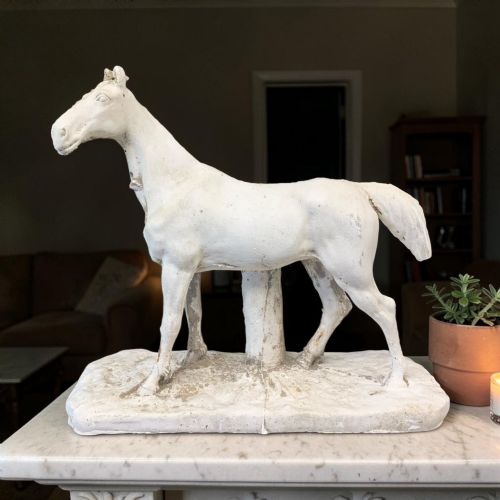
D. Brucciani and Co supplied plaster horses and cows to Victorian artists who preferred modelling livestock indoors over braving muddy fields.
What varies in quality
The weight and internal structure also distinguish better examples, as solid composition or reinforced plaster feels substantial rather than hollow and fragile. Superior patination and minimal surface restoration preserve the tactile chalky finish valued in academic casts.
D Brucciani and Co London
The White Plaster Sculpture Glossary
- Plaster cast
- A copy of a sculpture produced by pouring liquid plaster into a mould taken from an original work. These reproductions were essential tools for nineteenth-century art academies and domestic collectors.
- Gesso
- A white paint mixture consisting of a binder mixed with chalk, gypsum or pigment. It provides a smooth preparatory layer on plaster surfaces.
- Neoclassical
- An artistic style drawing on the art and culture of classical antiquity. It dominated nineteenth-century sculpture and architectural decoration.
- Relief sculpture
- A sculptural technique where the sculpted elements remain attached to a solid background of the same material. Wall plaques and friezes frequently utilise this method.
- Corbel
- A structural piece of stone, wood or plaster projecting from a wall to carry a weight. Decorative plaster examples often support small busts or ornaments.
White Plaster Sculpture: Frequently Asked Questions
How do I clean a plaster bust?
Dust white plaster sculpture gently with a soft dry brush or a feather duster to prevent dirt settling into the porous surface. Avoid using water, damp cloths or chemical cleaning agents, as moisture can dissolve the plaster and ruin the matte finish.
For stubborn marks, a dry artist's sponge can be dabbed very lightly across the area without rubbing. Keeping pieces out of direct sunlight and high humidity protects the delicate material from yellowing or crumbling over time.
How can I date a plaster sculpture?
Dating relies on examining the surface wear, the composition of the plaster and any associated mounting hardware like wooden bases or brass fittings. Nineteenth-century examples often display a dense, heavy plaster body with a patinated surface acquired over decades.
Subject matter also offers clues, as literary figures and specific historical monarchs align with Victorian and Edwardian taste. Makers' stamps or inscriptions impressed into the base or rear provide the most reliable chronological markers.
Why are some figures marked as studio casts?
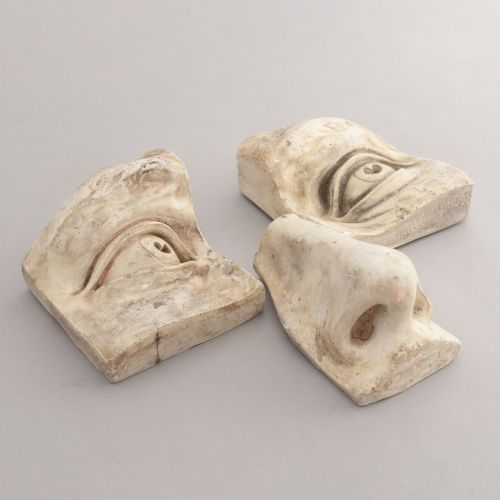
Studio casts were produced specifically for artists and art schools to use as reference models for drawing and painting practice. These pieces prioritised anatomical accuracy and clear shadow definition over decorative ornamentation.
They often exhibit simpler bases and a starker white surface finish compared to ornamental parlour busts. Their utilitarian origins give them an authentic academic character valued by collectors.