


Draped Female Statue
These draped female statue works capture classical form in bronze, marble, plaster, and stone, bringing enduring figural presence to interiors and gardens.
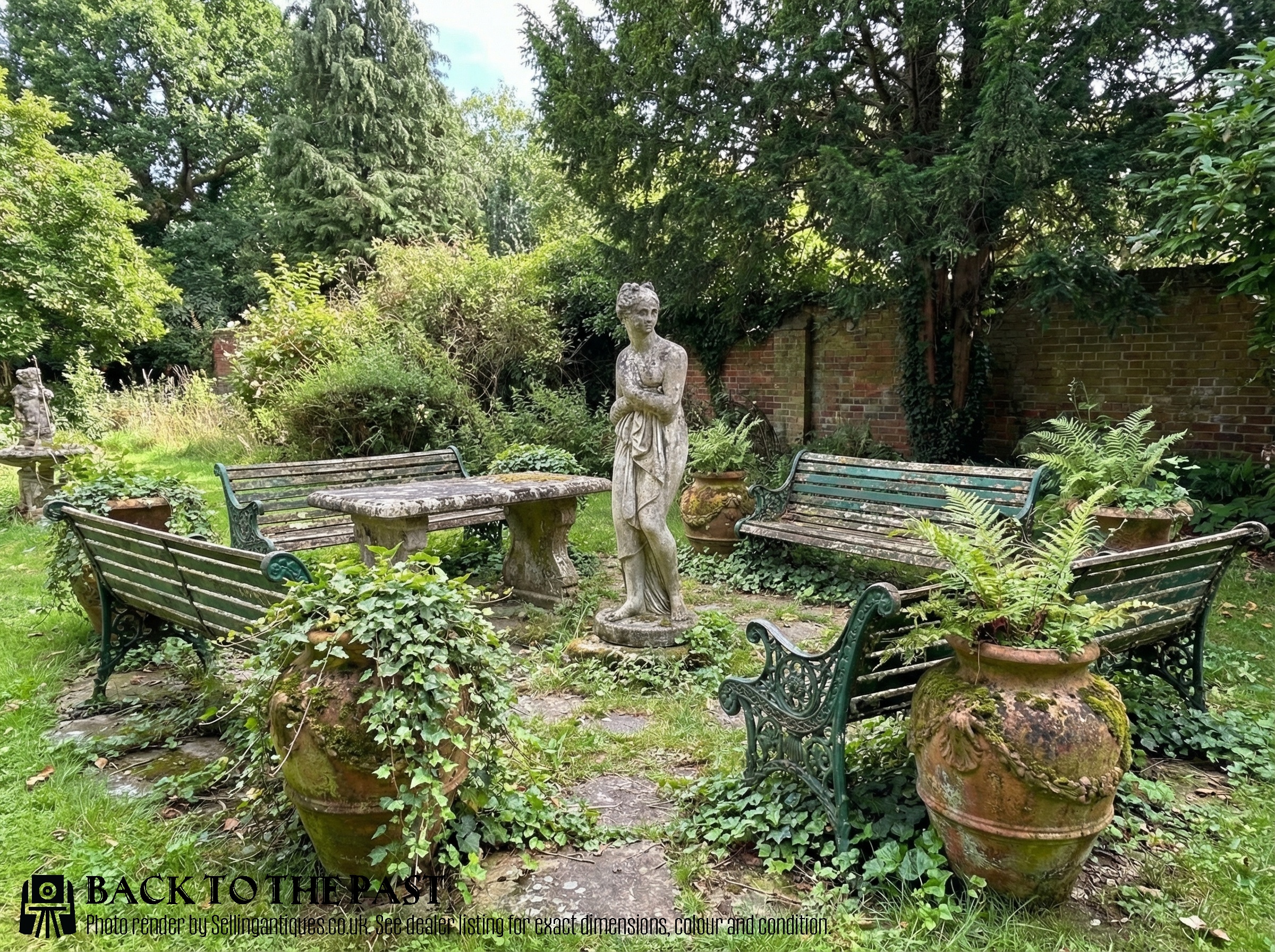
Draped Female Statue
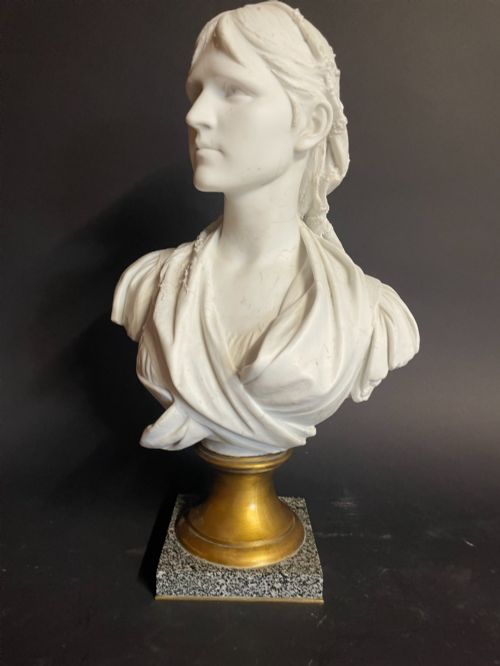
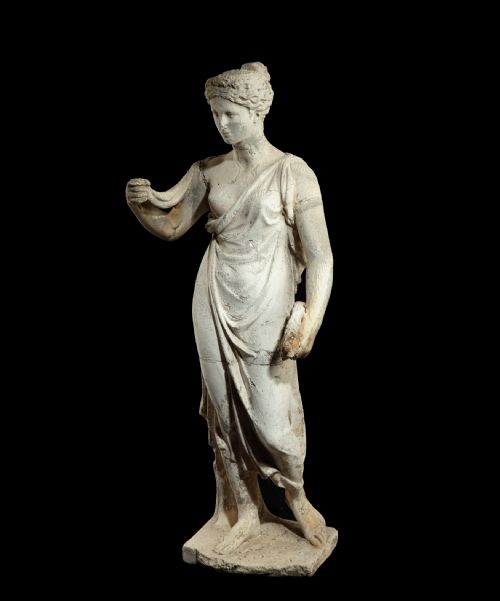
A draped female statue encompasses figures carved from marble and alabaster, cast in bronze, moulded in plaster, and shaped from stone.
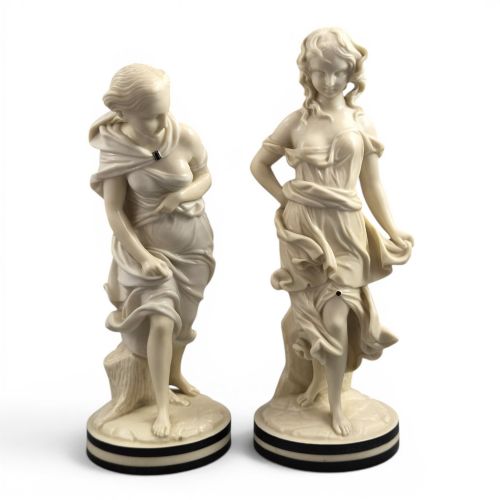
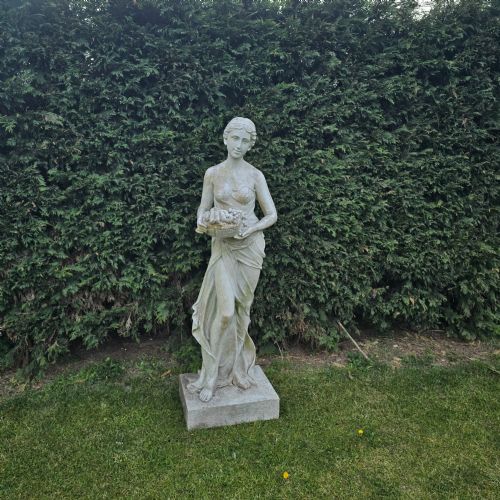
Pieces range from intimate porcelain figurines and portrait busts to life-sized garden statues and torcheres produced across the nineteenth and twentieth centuries.
Neoclassical, Art Nouveau, and Regency styles dominate, drawing upon ancient Greek and Roman motifs of goddesses, allegories, and classical ladies.
Materials and methods
Sculptors carved marble, alabaster, and stone directly from blocks, achieving smooth surfaces that render fabric folds and human anatomy with precision.
Foundries utilised the lost-wax casting method for bronze editions, allowing intricate details like scarves and hair to emerge clearly before patination.
Potteries shaped porcelain and parian ware in moulds before firing, whilst plaster figures were cast to capture large classical compositions for interior display.
Listings span the nineteenth century, Victorian era, Regency period, and twentieth century up to nineteen fifty, recording materials from bronze and marble to plaster and stone.
Distinctions in craftsmanship
The choice of medium elevates a piece, from finely grained marbles and heavy cast bronzes to lighter plaster and reconstituted stone compositions.
James Hadley·Humphrey Hopper·Ernst Barrias·Pugi·Ernst Wahliss·Georges Van Der Straeten·Auguste Moreau·Antoine Coysevox
The Draped Female Statue Glossary
- Neoclassical
- A revival of classical Greek and Roman aesthetic principles emphasising proportion, restraint, and mythological themes. This style appears frequently across nineteenth-century bronzes and marbles.
- Parian ware
- A fine-grained unglazed porcelain developed in Victorian England to imitate white marble. It was widely used for portrait busts and classical figures.
- Torchere
- A decorative stand or sculptural figure holding a light source. In this selection, they take the form of classical draped figures.
- Bisque porcelain
- Unglazed ceramic fired to a matte, porous finish that resembles marble. It records delicate facial expressions and garment folds.
- Alabaster
- A soft, translucent mineral carved into sculptural forms. Its natural veining gives depth to carved drapery.
Draped Female Statue: Frequently Asked Questions
What materials are used for these statues?
The pieces utilise a wide range of media including carved marble, cast bronze, alabaster, plaster, porcelain, and stone.
Each material dictates whether a piece is suited for interior display or garden placement.
Are these pieces from the nineteenth century?
Many examples date from the nineteenth century, particularly the Victorian and Regency periods, alongside later twentieth-century works.
Styles often look back to classical antiquity regardless of the actual date of production.
How do I identify Art Nouveau works here?
Art Nouveau pieces, such as those by Ernst Barrias or Georges Van Der Straeten, feature flowing organic lines and naturalistic drapery.
They frequently depict allegorical themes like nature or the breeze.
Can these garden statues stay outside year-round?
Statues made from stone, reconstituted stone, or cast stone are intended for garden settings and endure outdoor conditions.
Plaster, porcelain, and interior bronzes require sheltered indoor environments.