
Weathered Garden Statue
A weathered garden statue brings classical presence and character to an outdoor space through decades of exposure.
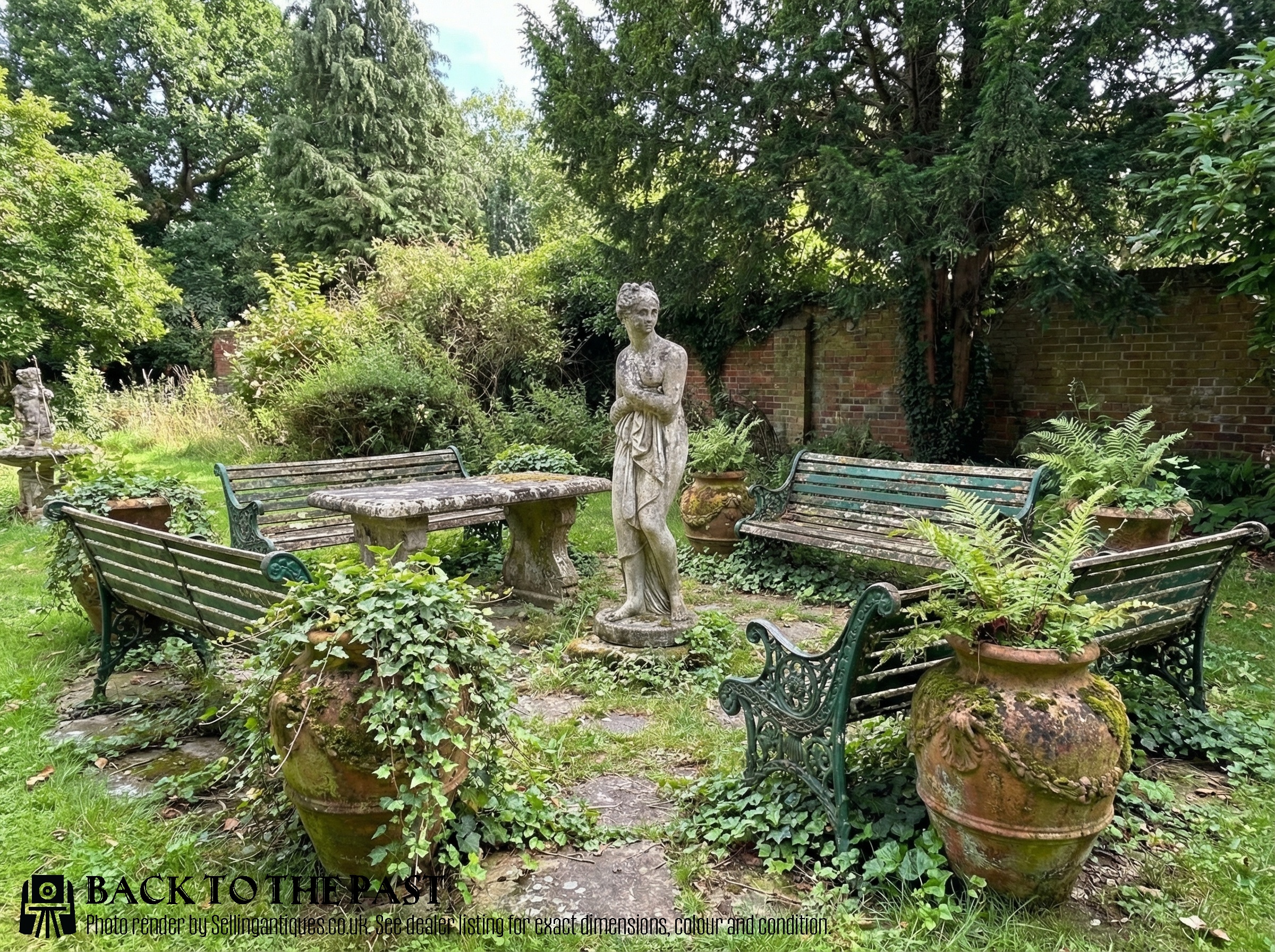
Weathered Garden Statue
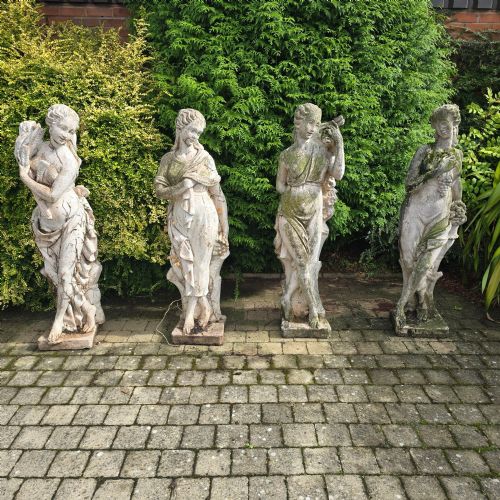
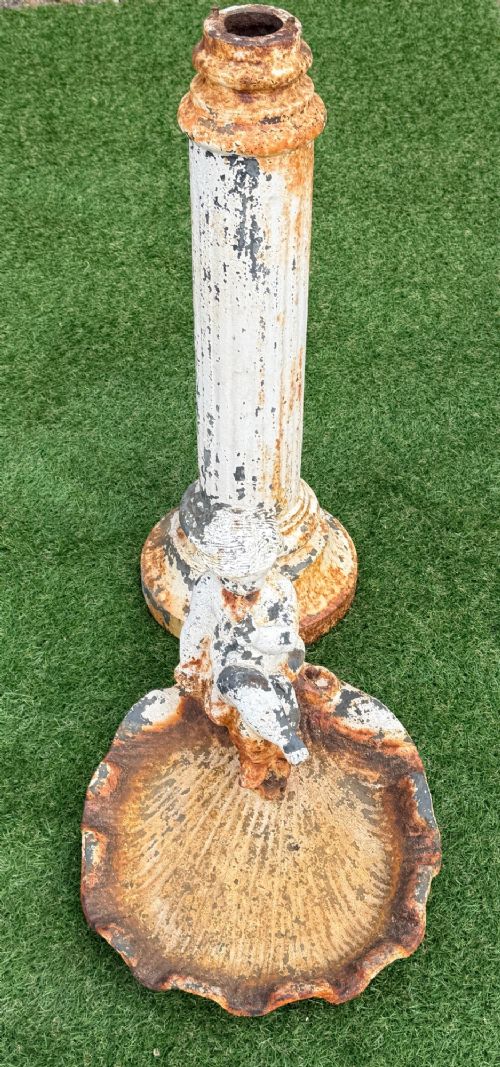
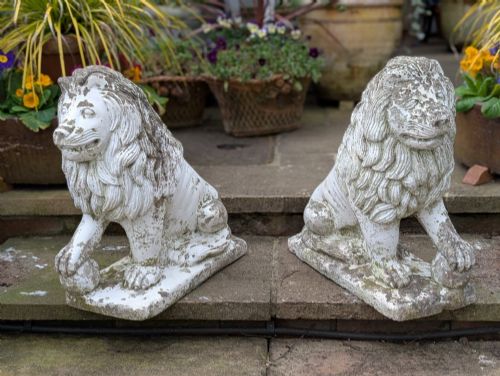
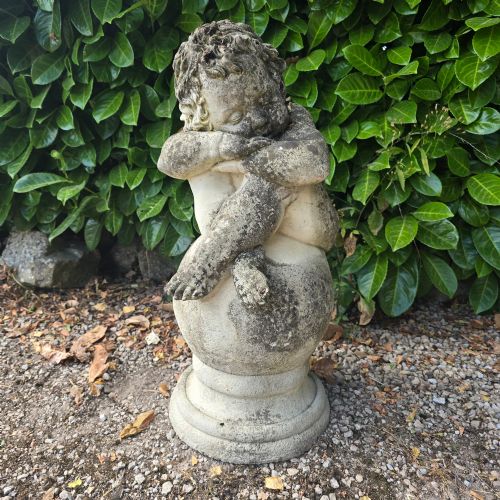
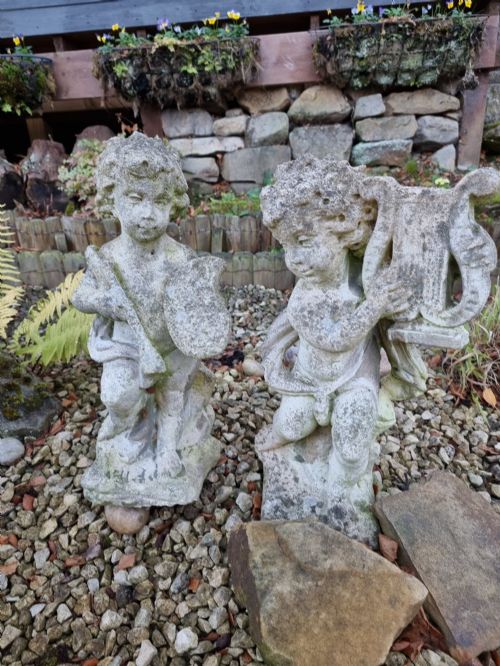
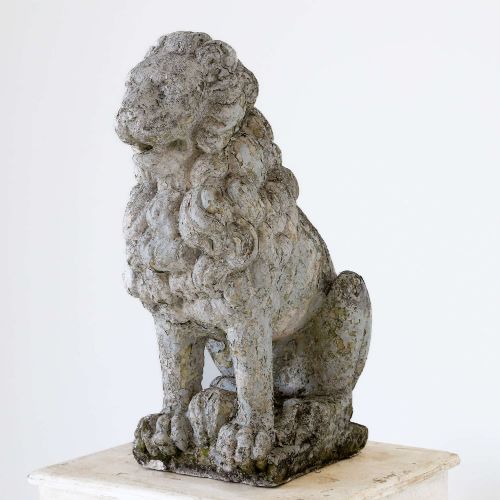
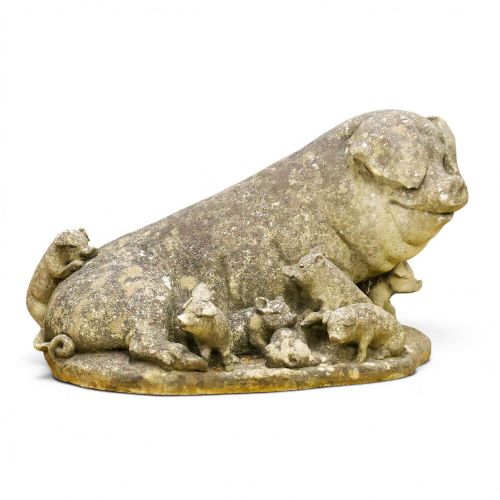
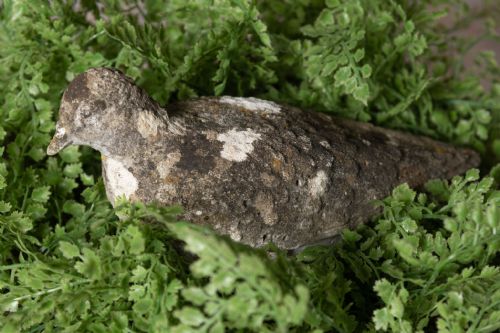
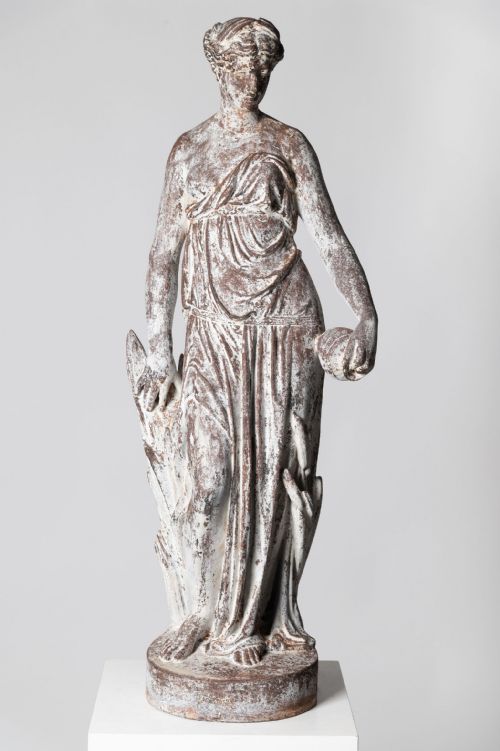
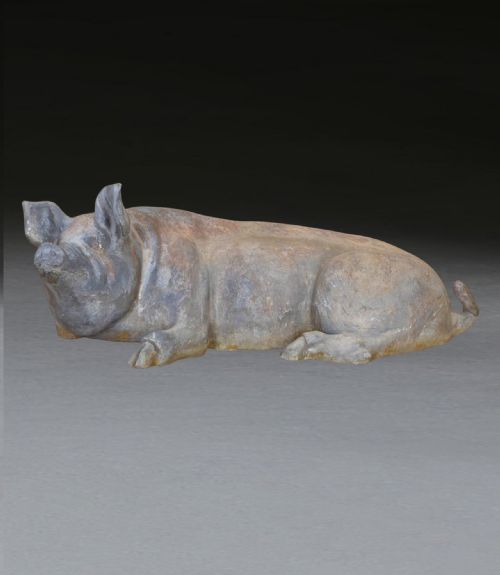
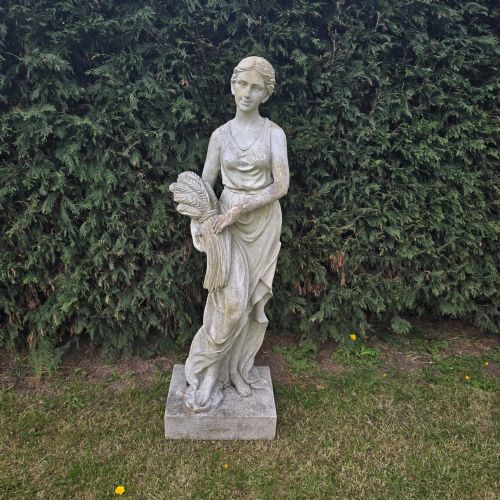
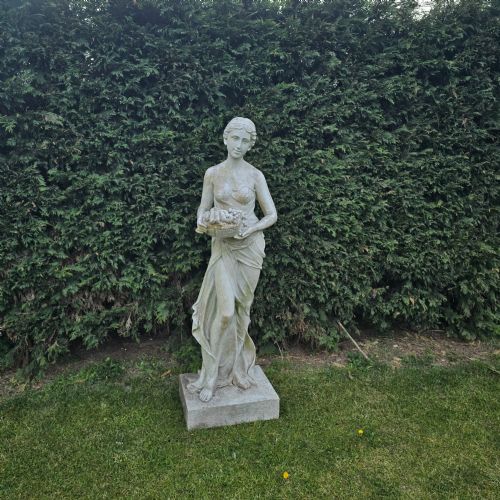
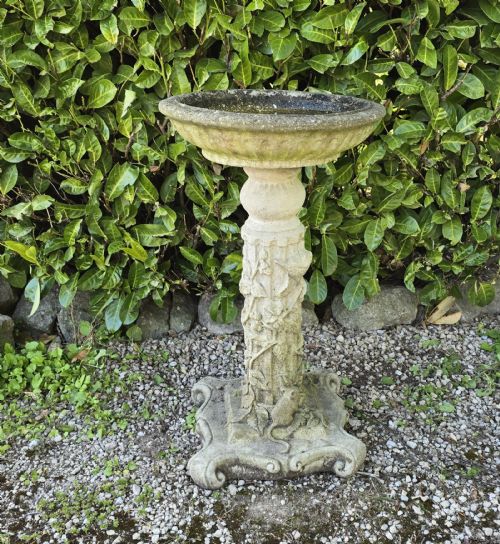
A weathered garden statue encompasses outdoor figures, animal ornaments, and architectural finials shaped from stone and metal. When searching for a weathered garden statue, buyers encounter pieces ranging from Victorian cast iron bird baths to mid-century stone lions and allegorical figures representing the seasons. These objects transition from workshops into gardens, where weathering softens their surfaces and integrates them into the landscape.
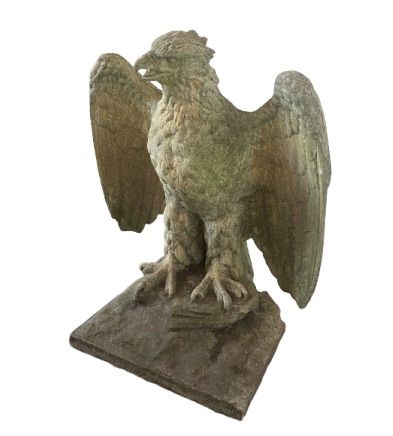
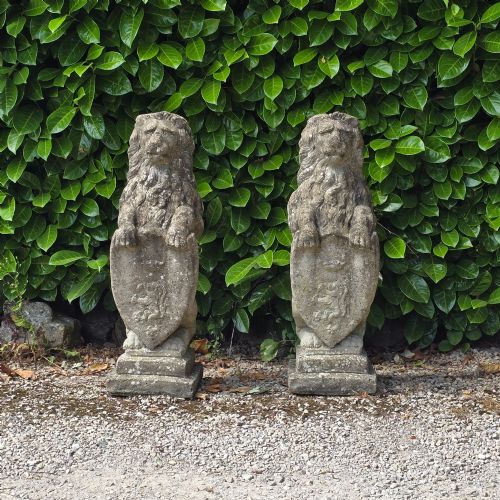
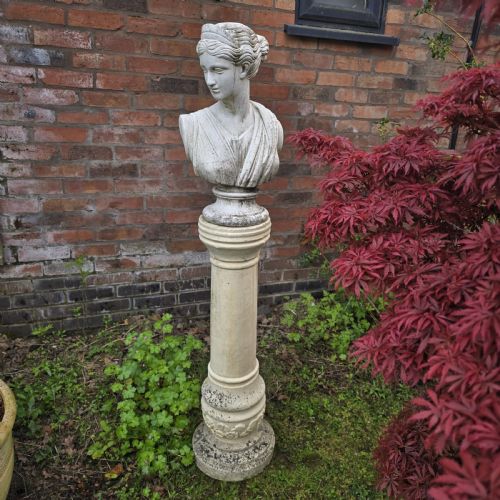
The selections span distinct historical eras, with the nineteenth and twentieth centuries providing the majority of the pieces. Buyers frequently meet cast stone animals, lead figures, and neoclassical busts mounted on matching plinths. This category includes utilitarian ornaments like hitching posts alongside monumental eagles and lions designed to anchor garden vistas.
Materials and construction
Foundries and workshops utilised durable media such as cast iron, lead, and various stone compositions to withstand the elements. Cast stone and reconstituted stone pieces emerged from moulds packed with aggregate, capturing the detail of carved originals while offering robust longevity. Iron and lead components involved traditional founding techniques, resulting in robust figures with distinct structural seams and weight.
Surface finish played a vital role in initial presentation, with occasional applications of paint adhering to the underlying stone or iron. Over decades outdoors, these materials reacted to moisture and air, developing organic patinas of moss, lichens, and uniform surface erosion. The interaction between the base material and the outdoor environment creates the distinct visual ageing characteristic of these ornaments.
Listings feature materials spanning cast iron, lead, reconstituted stone, and painted concrete across the nineteenth and twentieth centuries.
Qualities of distinction
Substance and structural integrity dictate the longevity and physical weight of each piece. Heavier gauge metals and dense stone compositions resist structural degradation better than lighter composite alternatives, maintaining their balance when mounted on plinths or pedestals. The harmony between the sculptural subject and its architectural support also distinguishes superior compositions.
Val d’Osne foundry
The Weathered Garden Statue Glossary
- Reconstituted stone
- A manufactured material composed of crushed stone or aggregate mixed with a binder such as cement, moulded to replicate natural carved stone. It provides durability for outdoor statuary.
- Pier finial
- An architectural ornament placed on top of a gate pier or pillar to cap the masonry. These often take the form of eagles, spheres, or pinecones.
- Neoclassical
- A style inspired by the classical art and architecture of ancient Greece and Rome. This aesthetic heavily influences garden figures of goddesses, emperors, and mythological beasts.
- Hitching post
- A solid post historically used for tying horses, frequently fashioned from cast iron in figurative or animal forms. They survive today as decorative garden sculptures.
Weathered Garden Statue: Frequently Asked Questions
How do I choose the right size?
Consider the scale of the surrounding garden landscape and the height of any intended plinth. Large figures require adequate open space to anchor a lawn or terrace without overwhelming adjacent planting.
Compact pieces suit smaller courtyards, borders, or patios where intimate details remain visible from nearby seating areas.
How should I clean my statue?
Gentle washing with water and a soft brush removes loose dirt while preserving the accumulated lichen and surface patina. Avoid harsh chemical cleaners or pressure washers that strip away the weathered skin accumulated over decades.
Allow natural weathering to continue after cleaning so the piece maintains its historical character within the garden setting.
Can these statues stay outside in winter?
Most stone, cast iron, and lead pieces withstand cold weather due to their robust composition. However, severe frost can occasionally damage saturated porous stone if moisture expands within hairline cracks.
Protect vulnerable compositions during freezing conditions by covering them or relocating delicate items to a sheltered shed or greenhouse.
How do I secure a heavy stone statue?
Heavy figures and pedestals generally rely on their substantial weight and gravity to remain stable on level ground. Positioning them on a flat, prepared stone foundation prevents shifting or settling into soft soil over time.
Dowell pins or discreet masonry adhesive provide additional security for tall elements assembled in multiple sections.